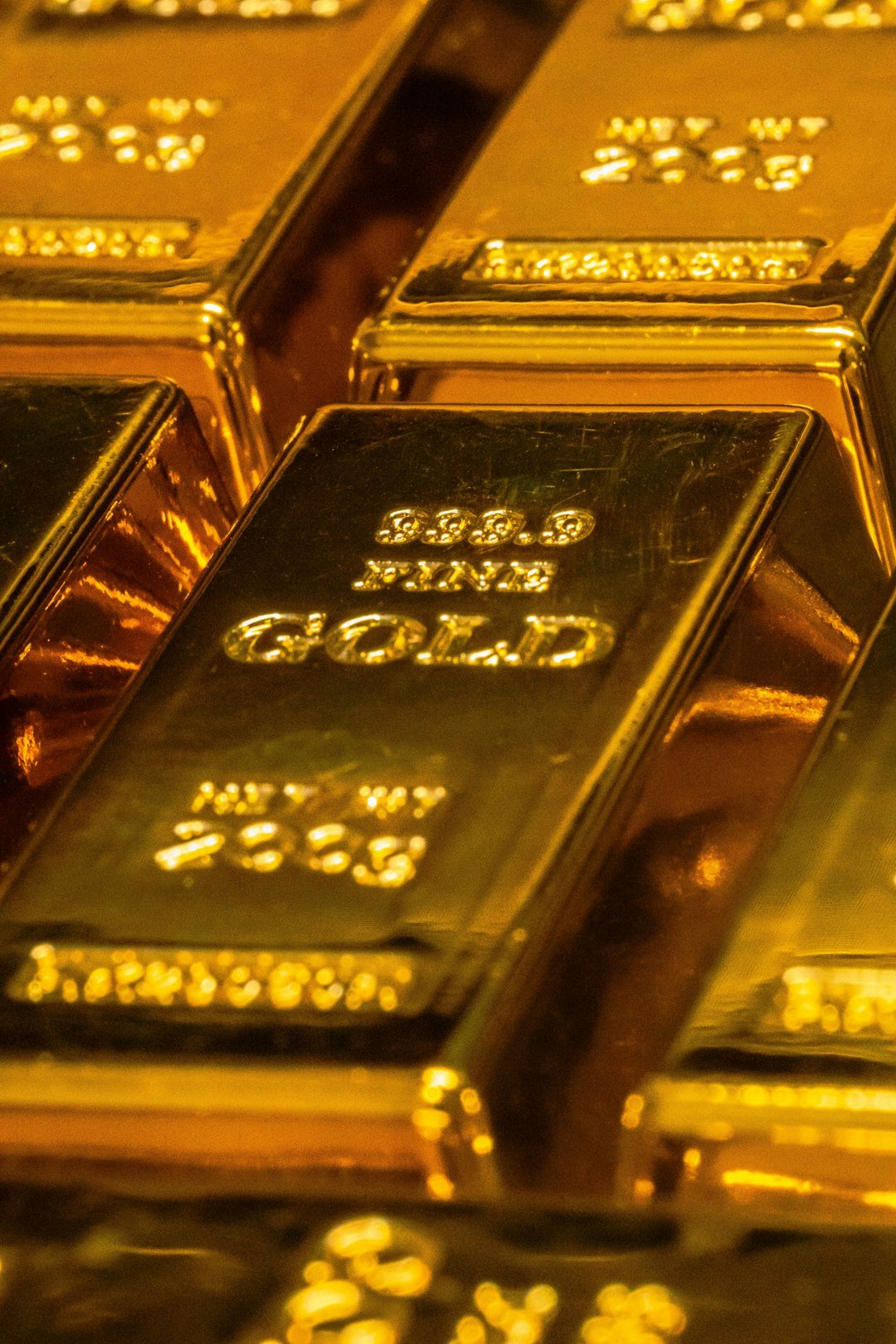
Did you know that royalty investing is getting more popular? It’s a way for investors to add variety to their portfolios. A royalty is a payment to someone who owns a share of the minerals found or the money made from a project.
For gold royalties, this means investors can make money from gold sales without running the mines. Companies that focus on royalties give money to start mining projects. Then, they get a share of the money made from selling minerals.
Key Takeaways
- Royalty investing involves earning returns based on the production and sale of minerals.
- Gold royalties provide a way to invest in gold mining without directly managing operations.
- Royalty companies offer capital to mining projects in exchange for revenue percentage.
Understanding Gold Royalties
To understand gold royalties, it’s key to know the structure and agreements behind them. Gold royalties let investors earn from gold production without mining themselves.
Definition and Basic Concepts
Gold royalties are payments to the gold mining project owner. They’re based on a percentage of gold produced or revenue. The royalty structure can change, with some agreements offering a fixed percentage and others tied to mine profitability.
Royalties and streams last as long as the mine does. But streams can also have a set time or production period. This makes royalty agreements appealing to both mining companies and investors.
History of Gold Royalty Agreements
The history of gold royalty agreements goes back to early mining days. Back then, royalty payments helped fund mining projects. Today, these agreements have grown more complex, with modern ones featuring advanced financial structures.
Looking at gold royalty agreement history, we see a few trends:
| Period | Characteristics of Royalty Agreements | Impact on Investors |
|---|---|---|
| Early Mining Era | Simple percentage-based royalties | Limited investor protection |
| Modern Era | Complex, flexible royalty structures | Increased investor appeal due to diversification and risk management |
The Gold Royalty Ecosystem
The gold royalty ecosystem is filled with different players. It’s important to know who they are and what they do. This helps you move through this complex world more easily.
Key Players in the Royalty Space
In the gold royalty world, you’ll find royalty companies and streaming companies. Royalty companies get a share of the money made by mines. Streaming companies pay upfront for the right to buy future production at lower prices.
- Royalty companies aim to get revenue from mines that already exist.
- Streaming companies give money to mines to help them grow in exchange for future production.
Relationship Between Mining Companies and Royalty Holders
The bond between mining companies and royalty holders is key. Mining companies get the money they need to grow. Royalty holders get a share of the mine’s earnings.
- Mining companies get money without having to give up their shares.
- Royalty holders get to be part of gold production without the risks of running a mine.
Knowing about these relationships helps you understand the gold royalty market better. It makes you more ready to invest in royalties.
Types of Gold Royalty Agreements
It’s important to know about the different gold royalty agreements. They vary in structure and benefits. This knowledge helps you pick the best investment strategy.
There are several key types of gold royalty agreements. Each has its own unique features. Let’s dive into these details.
Net Smelter Return (NSR) Royalties
Net Smelter Return (NSR) royalties are a percentage of revenue after costs. They’re tied to a mine’s production output. NSR royalties are popular for their simple calculation.
- NSR royalties are a percentage of gold sale revenue.
- They deduct smelting and refining costs first.
- They’re good for investors wanting a straightforward return.
Gross Revenue Royalties
Gross Revenue Royalties are based on total gold sale revenue. They don’t deduct any costs. This makes them attractive for higher returns.
- Gross Revenue Royalties are based on total gold sale revenue.
- No costs like smelting and refining are subtracted.
- They can offer higher returns than NSR royalties.
Profit Interest Royalties
Profit Interest Royalties are tied to a mine’s profitability. They’re more complex, involving profit calculations after costs.
- Profit Interest Royalties are based on mining operation net profit.
- They require complex calculations, including costs.
- They’re good for investors wanting to benefit from mine profitability.
Production Payment Royalties
Production Payment Royalties involve a fixed payment per unit of production. They offer a predictable income stream.
- Production Payment Royalties are fixed per ounce of gold produced.
- They provide a steady income for royalty holders.
- They’re less dependent on mine revenue or profitability.
In conclusion, knowing about gold royalty agreements is key for investors. Understanding NSR, Gross Revenue, Profit Interest, and Production Payment Royalties helps in making better investment choices.
Gold Streaming: The Modern Royalty Alternative
Gold streaming is a big deal in the world of precious metals. It’s a new way to invest in gold, different from old royalty models. Knowing about gold streaming is key for those interested in gold investments.
How Streaming Deals Are Structured
Streaming companies give money to mines to get gold at a set price. This helps mines get the cash they need. At the same time, streaming companies get gold at a good price.
For mines, getting money upfront is a big plus. It helps them start and run their projects. For streaming companies, it’s about getting gold at a low price for big profits.
Comparing Streaming to Traditional Royalties
Streaming and royalties both let investors get into gold without mining risks. But they work in different ways. Royalties give a share of gold sale revenue, without getting involved in mining.
Streaming is more direct. The company buys gold at a set price. This makes the money coming in more steady, as it’s less affected by gold price changes.
| Feature | Gold Streaming | Traditional Royalties |
|---|---|---|
| Investment Structure | Upfront capital in exchange for gold at a predetermined price | Percentage of revenue from gold sales |
| Revenue Stream | More predictable, based on the volume of gold purchased | Directly tied to gold prices and production volumes |
| Exposure to Gold Prices | Less direct exposure due to fixed or percentage-based pricing | Directly exposed to gold price fluctuations |
It’s important to know the differences between streaming and royalties. Each has its own role in a smart investment plan. Whether you prefer the steady flow of streaming or the chance for big returns with royalties, both are valuable.
Major Gold Royalty Companies in the Market
Gold royalty investing is getting more popular. Several big companies are leading the way. They offer investors a chance to invest in gold without the risks of mining.
These companies have interests in many properties worldwide. This helps spread out risks and can protect investments.
Industry Leaders and Their Portfolios
Top companies in the gold royalty sector include Franco-Nevada Corporation, Royal Gold, Inc., and Wheaton Precious Metals Corp. They have big portfolios with interests in gold mines all over the world.
Diversification is key to their success. It helps them manage risks by investing in different places and with different mining companies. For example, Franco-Nevada has over 700 properties worldwide.
Business Models and Growth Strategies
Gold royalty companies make money by financing mining operations. They get royalties or streaming agreements in return. This way, they earn without the costs of mining.
To grow, they focus on strategic acquisitions and new agreements. They also aim for operational excellence and effective risk management. This ensures their investments last long.
Knowing how these companies work can help investors make better choices. It’s important to understand their business models and growth plans.
How Royalty Companies Generate Value
Investors interested in the gold market need to understand how royalty companies work. These companies make money through smart investments and managing their royalties well.
Royalty companies earn money by taking a percentage of the gold production revenue. For every ounce of gold mined, they get a set percentage of the sale revenue.
Revenue Streams and Cash Flow Mechanics
Royalty companies spread their income across many mining projects. This approach helps reduce risk and keeps cash flow steady. Royalty investments offer a reliable income, tied to mine production levels.
The cash flow of royalty companies is simple. They get royalty payments from mines based on gold production and sales. These payments come in regularly, making income predictable.

Portfolio Diversification Strategies
Royalty companies use portfolio diversification strategies to increase value. They invest in various mining projects worldwide, reducing risk from any one mine or market.
Diversification includes investing in different mining stages, from exploration to production. This mix helps balance risk and stability in their portfolios.
Good diversification helps royalty companies make consistent value, even when markets are shaky. By investing in many projects, they grab opportunities and lower risks.
The Economics Behind Gold Royalties
The economics of gold royalties is complex and interesting. As an investor, knowing the financial details of gold royalties can help you make better choices.
Royalty companies work differently than traditional mining firms. Royalty companies have a high margin structure because they don’t deal with direct costs like mining and processing. This lets them stay profitable even when gold prices change.
Cost Structures and Profit Margins
Royalty companies have simple costs. They don’t spend much on operations since they don’t mine or process gold. Their main expense is getting and keeping royalty deals. So, they can have high profit margins because their income comes from gold production and prices.
These companies also spread their investments across many mines. This reduces their risk by not relying on just one mine.
Valuation Metrics for Royalty Companies
Figuring out the value of royalty companies involves looking at several things. These include their income, the quality of their deals, and the health of the mines. Investors use the price-to-cash-flow ratio to judge their value. Knowing these metrics is key to smart investing in gold royalties.
Understanding gold royalty economics helps you deal with its complexities. It can also help you find good investment opportunities.
Benefits of Investing in Gold Royalty Companies
Investors looking for a way to get into gold without the usual mining challenges find royalty companies appealing. These firms offer a chance to profit from gold price changes without the risks of mining.
Exposure to Gold Without Operational Risks
Royalty companies let you invest in gold without handling mining tasks. This means you can enjoy gold price increases without dealing with mining costs, labor issues, or environmental worries. By investing in these companies, you get to benefit from gold prices while avoiding mining risks.
Inflation Hedge Characteristics
Gold is known as a shield against inflation. When inflation goes up, gold’s value usually increases. So, investing in gold royalty companies is a smart move. It helps protect your investments from inflation’s damage, which is crucial during economic ups and downs.
Portfolio Diversification Benefits
Adding gold royalty companies to your portfolio can also diversify it well. Gold prices often don’t follow the same trends as stocks and bonds. This makes gold royalty investments a great way to balance your portfolio. It helps you manage risk better and can lead to more stable returns over time.
| Benefits | Description |
|---|---|
| Exposure to Gold | Gain exposure to gold prices without operational risks |
| Inflation Hedge | Protect your portfolio from inflation’s eroding effects |
| Portfolio Diversification | Reduce overall risk and achieve more stable returns |
Risks and Challenges in the Gold Royalty Business
It’s important to know the risks of gold royalties before investing. Gold royalty companies face challenges that can affect your returns. Being aware of these risks is key to making smart investment choices.
Market and Price Volatility
Gold royalty companies deal with big market and price swings. Gold prices can change a lot due to economic issues, world events, and supply and demand shifts. This makes it hard to guess how much money these companies will make in the future.
Key factors influencing gold price volatility include:
- Economic indicators and interest rates
- Geopolitical tensions and conflicts
- Supply chain disruptions
Geopolitical and Regulatory Risks
Gold royalty companies also face risks from politics and laws. Mining happens in places with tricky laws, and changes in these laws can hurt royalty payments.
| Risk Factor | Description | Potential Impact |
|---|---|---|
| Regulatory Changes | Changes in mining laws or tax policies | Reduced royalty payments |
| Geopolitical Instability | Conflicts or political unrest in mining regions | Disruption of mining operations |
Operational Challenges at Mine Sites
There are also challenges at mine sites that can affect gold royalty companies. Problems like mine closures, delays, or high costs can lower the money made from royalty deals.
To mitigate these risks, investors should:
- Conduct thorough due diligence on the mining operations
- Monitor operational performance regularly
- Diversify their investment portfolios
How Individual Investors Can Access Gold Royalties
You can now add gold royalties to your investment mix. This lets you get into the gold market without the hassle of mining. Gold royalties are a smart choice, offering gold price exposure without mining risks.
Direct Investment in Royalty Stocks
Investing directly in royalty stocks is a way to get into gold royalties. You buy shares of companies that focus on gold royalties. Some big names include:
- Franco-Nevada Corporation: Known for their diversified royalty portfolio.
- Newmont Corporation: A leading gold mining company with significant royalty interests.
- Other royalty companies: Several other companies specialize in gold royalties, offering a range of investment opportunities.
When investing in royalty stocks, do your homework. Look into the company’s portfolio, management, and finances.
ETFs and Funds with Royalty Exposure
For a more spread-out investment, ETFs and funds with royalty exposure are great. These vehicles mix money from many investors into various assets, including gold royalty companies. Some examples are:
- VanEck Vectors Gold Miners ETF (GDX): While mainly focused on gold miners, this ETF also includes companies with big royalty interests.
- Sprott Gold Miners ETF (SGDM): Another ETF that includes gold mining companies, some of which have royalty exposure.
- Mutual funds and actively managed funds: Several mutual funds and actively managed funds focus on precious metals and royalties, offering diversified exposure.
When investing in ETFs or funds, think about the fund’s expense ratio, past performance, and what it holds.

Knowing these options helps you make smart choices for your investment strategy. Whether you go for direct royalty stock investment or ETFs and funds, match your choices with your financial goals and risk level.
Due Diligence for Gold Royalty Investments
Doing thorough due diligence is key for gold royalty investments. As an investor, you must carefully look at the risks and benefits of gold royalty companies. This means checking out different parts of the company and how it works to make smart choices.
Evaluating the Underlying Mining Assets
It’s important to check the mining assets when looking at gold royalty investments. Look at the mine’s past production, reserve estimates, and costs. Also, think about the mine’s location, geology, and growth potential. This helps you see if the mine can make money and what risks it might have.
For example, looking at the mine’s past production can show if it’s steady and likely to keep producing. Knowing the mine’s reserve estimates and costs helps figure out if it’s profitable.
| Criteria | High-Risk Indicator | Low-Risk Indicator |
|---|---|---|
| Production History | Inconsistent or declining production | Consistent and increasing production |
| Reserve Estimates | Low reserve estimates or frequent downgrades | Robust reserve estimates with regular updates |
| Operational Costs | High and increasing operational costs | Low and stable operational costs |
Assessing Management and Corporate Strategy
It’s crucial to look at the management team and strategy of a gold royalty company. Check the experience and success of the management team. Also, see if their strategy matches your investment goals.
Look at how the company handles risks, its relationships with miners, and its money management. A good team with a solid plan can greatly improve the company’s success.
Red Flags to Watch For
When doing due diligence, watch out for red flags. These include high debt, poor governance, or unclear financial reports. Also, be careful of companies with past disputes or lawsuits.
Knowing these red flags helps you avoid risky investments. By carefully looking at these points, you can make better choices for your gold royalty investments.
Tax Implications of Gold Royalty Investments
The tax rules for gold royalty investments are complex. They need careful handling to get the most out of your investment. Knowing the tax rules is key to making smart choices.
U.S. Tax Considerations
In the U.S., gold royalty investments face many tax rules. The IRS sees gold royalties as regular income, which means they’re taxed. The royalty tax rate depends on your income level and the investment details.
For example, dividends from gold royalty companies are taxed as regular income. It’s also important to understand streaming tax agreements. They can have different tax effects than usual royalty deals.
International Tax Aspects
Gold royalty investments abroad add more tax complexity. Tax laws and treaties vary by country, affecting your investment. Some countries might tax royalty payments, while others might have deals to avoid double taxation.
Knowing these gold royalty tax implications helps reduce your tax burden and increase your earnings. It’s wise to talk to a tax expert who knows international tax laws. This way, you can handle these complexities well.
Being informed about U.S. and international tax rules helps manage your gold royalty investments. It leads to better financial decisions and goals.
Future Trends in the Gold Royalty Sector
The gold royalty sector is changing fast. New tech, green thinking, and fresh markets are leading the way. Knowing these trends is key for smart choices.
Technology Impact on Royalty Structures
New tech is changing gold royalties. Digital platforms make payments easier and clearer. For example, blockchain helps track deals, cutting down on problems and making things more efficient.
ESG Considerations in Modern Royalty Agreements
Now, gold royalty deals focus on being green and fair. Sustainable practices and caring for people and the planet matter a lot. These values can make a deal more appealing and ensure mining projects last.
Emerging Market Opportunities
New places with lots of gold are opening up. When looking at gold royalty investments, keep an eye on these new markets. Here’s a look at some promising areas:
| Region | Key Characteristics | Potential Impact |
|---|---|---|
| West Africa | Significant gold deposits, improving infrastructure | Increasing investment in gold royalty projects |
| South America | Rich mineral resources, evolving regulatory frameworks | Growing opportunities for royalty investments |
| Central Asia | Underexplored regions with potential for large discoveries | Potential for new royalty agreements and investments |
Keep up with these trends to move ahead in the gold royalty world. This way, you can find the best matches for your investment plans.
Conclusion
You now know a lot about gold royalties and investing in them. Gold royalties are a special way to get into the gold market without the risks of mining.
Royalty companies connect mining operations with investors. This lets you earn from gold without running mines. Investing in gold royalties can also help diversify your portfolio and grow over time.
When looking at gold royalty investments, it’s key to check the mining assets. You should also look at the company’s management and strategy. Knowing about risks like market changes and global issues is also important.
Keeping up with the gold royalty sector’s changes is vital. With the right information and plan, you can succeed in gold royalties. This could help you reach your financial goals.