Have you ever thought about how the price of precious metals shows the state of the economy? The gold–silver ratio is key. It shows how many ounces of silver are worth as much as one ounce of gold. This ratio has guided investors for centuries, helping them understand market trends.
Learning about the gold–silver ratio can help you make better investment choices. It gives you a deeper look into the precious metals market. As we dive deeper, you’ll see how to use this ratio to your benefit.
Key Takeaways
- The gold-silver ratio is a measure of the price relationship between gold and silver.
- It indicates the number of ounces of silver equivalent to one ounce of gold.
- Understanding this ratio can inform your investment decisions.
- The ratio has been used historically to analyze market trends.
- Empowering yourself with knowledge of the gold-silver ratio can enhance your financial literacy.
What Is the Gold-Silver Ratio?
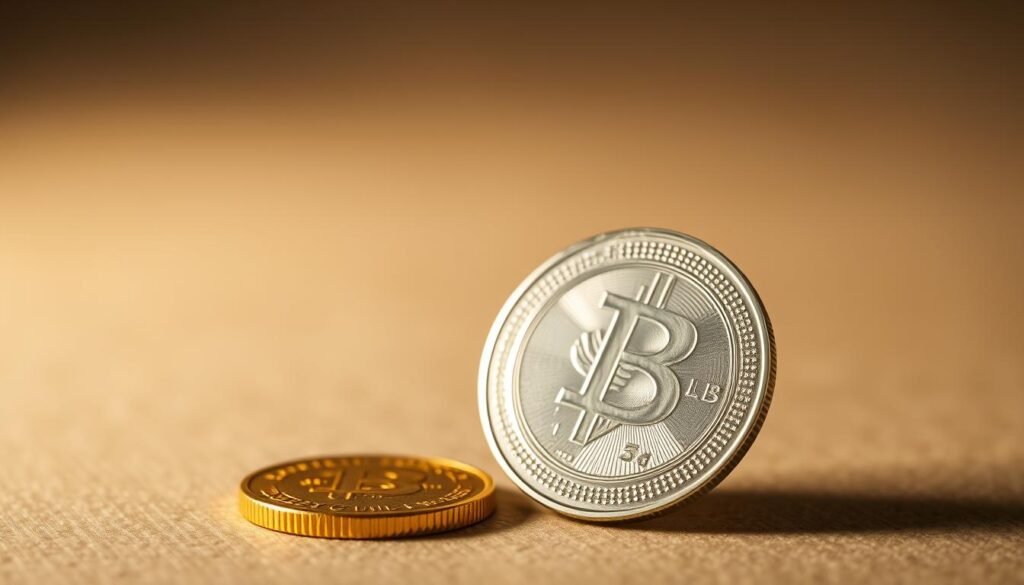
The gold-silver ratio is a key tool for investors in the precious metals market. It’s found by dividing the price of one ounce of gold by the price of one ounce of silver. This ratio shows the relative value of gold and silver at any time.
Definition and Basic Concept
The gold-silver ratio is simple yet powerful. For example, if it’s 80:1, it means 80 ounces of silver can buy one ounce of gold. It’s a basic way to compare gold and silver values. The ratio changes with gold and silver prices, making it a key indicator for investors.
Understanding this ratio helps investors make better choices. It shows how many ounces of silver one ounce of gold can buy. This helps investors see if gold or silver is more valuable.
Significance in Precious Metals Markets
The gold-silver ratio is very important in the precious metals market. It helps investors decide when to buy or sell gold and silver. A high ratio might mean silver is cheaper than gold, which could be a good time to buy silver. A low ratio could mean gold is cheaper than silver.
Investors use this ratio to find chances to make money. For instance, if the ratio is high, some might sell gold and buy silver. They think the ratio will go back to its usual level.
“The gold-silver ratio is a critical metric for investors seeking to optimize their precious metals portfolios.” – Expert in Precious Metals Investing
The Historical Perspective of the Gold-Silver Ratio
The gold-silver ratio has changed over time. It has been influenced by government policies, market forces, and societal needs. Looking at its history, you can see how big events have shaped it.
Ancient and Medieval Ratios
In ancient times, governments set the gold-silver ratio. For example, the Roman Empire set it at about 12:1. During the medieval period, the ratio changed because of gold and silver availability.
These ratios were not just about money. They also showed who had power at the time.
- The Roman Empire’s ratio was around 12:1.
- Medieval fluctuations were influenced by metal availability.
Modern Era Developments
The modern era brought big changes. The gold standard and then fiat currency systems came in. Now, the ratio is more influenced by market forces, like demand and investment.
Key factors influencing the modern ratio include:
- Industrial demand for silver.
- Investment demand for both gold and silver.
- Currency fluctuations and economic policies.
Key Historical Turning Points
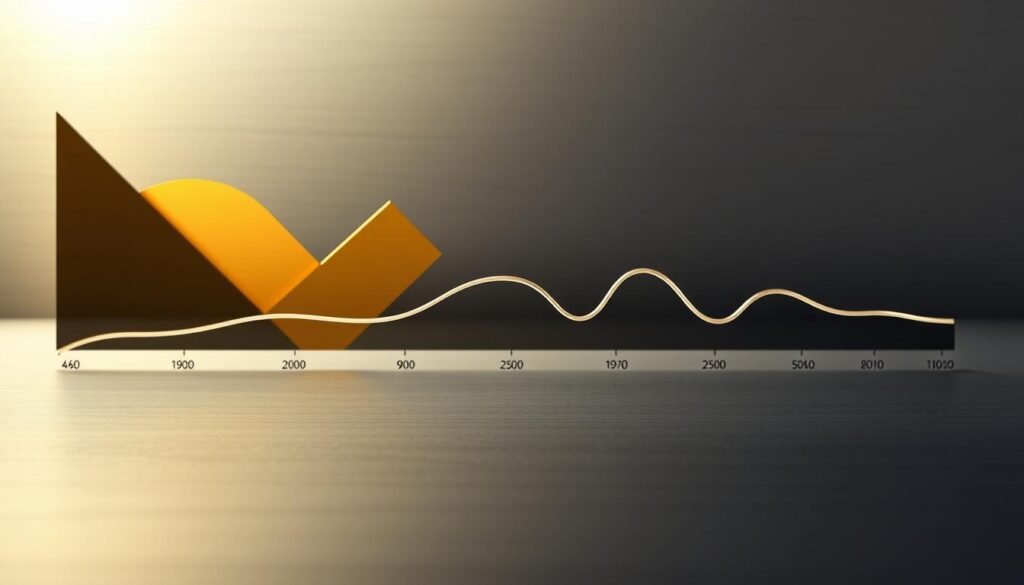
Big events have changed the gold-silver ratio. The move to fiat currency, economic crises, and mining changes have all played a part. These events have shaped the ratio into what it is today.
Understanding these historical contexts helps us see the precious metals market better.
How to Calculate the Gold-Silver Ratio
Calculating the gold-silver ratio is easy. You just need to know the current prices of gold and silver. This ratio helps investors and traders in the precious metals market. It guides them in making smart investment choices.
The Basic Formula
To find the gold-silver ratio, divide the price of gold by the price of silver. For instance, if gold is $1,800 per ounce and silver is $20 per ounce, the ratio is 90. This means it takes 90 ounces of silver to buy one ounce of gold.
Practical Calculation Examples
Consider this example. If gold is $1,900 per ounce and silver is $22 per ounce, the ratio is 86.36. This is found by dividing 1,900 by 22. The ratio changes based on gold and silver prices, which are affected by market factors.
Understanding Gold and Its Role in the Ratio
Gold’s role in the gold-silver ratio is key to understanding its value. It’s seen as a safe place to put money, and its price changes with the economy. Knowing this helps investors make better choices.
Gold’s Monetary Properties
Gold has always been valuable as money and a safe place to keep wealth. It protects against inflation and when currencies lose value. Gold’s rarity and lasting quality make it valuable, helping it stay strong when times are tough. Its value comes from keeping its buying power over time.
Factors Affecting Gold Prices
Many things can change gold’s price, like inflation, interest rates, and world events. When the economy is shaky, gold becomes more appealing, which can raise its price. Central banks’ actions also affect gold’s worth. Knowing these can help guess gold’s price changes and how they affect the gold-silver ratio.
| Factor | Impact on Gold Price |
|---|---|
| Inflation | Increases |
| Interest Rates | Decreases when rates are low |
| Geopolitical Tensions | Increases |
Silver’s Position in the Precious Metals Hierarchy
Silver holds a special place in the world of precious metals. It’s used both for industrial needs and as an investment. Unlike gold, silver’s demand comes from many areas, not just as a store of value.
Industrial vs. Investment Demand
Silver is used in many ways, like in electronics, solar panels, and medical tools. This industrial use is a big part of its demand. At the same time, investors buy silver coins, bars, and ETFs. They see it as a way to protect against inflation and market ups and downs.
The mix of industrial and investment demand affects silver’s price. High industrial demand can push prices up. But, if more investors buy in, prices can rise too. Knowing this helps investors in the silver market.
Silver Price Volatility Factors
Several things can change silver’s price, like industrial demand, investment flows, and market mood. The silver price can be very sensitive to world economic changes, new tech, and supply issues.
For example, more solar panels mean more silver needed, which can raise prices. But, if car production drops, silver demand falls, and prices go down. Also, how investors feel and speculate can cause big price swings. The ratio comparison between gold and silver prices is important too. It shows if silver is too cheap or too expensive compared to gold.
Knowing these factors helps investors make better choices about silver.
Interpreting the Gold-Silver Ratio Values
Understanding the gold-silver ratio can offer insights into gold and silver’s value. This ratio is more than just a number; it’s a guide for investing in precious metals. Knowing what it means can help you decide when to buy or sell gold and silver.
What Constitutes a “High” Ratio
A high gold-silver ratio means gold is more expensive than silver. This has often signaled a good time to buy silver. Investors look for these signs to adjust their portfolios.
What Indicates a “Low” Ratio
On the other hand, a low gold-silver ratio shows silver is more expensive than gold. This might make gold a better investment. Knowing this can help you make smarter choices.
Historical Average Ranges
The gold-silver ratio has changed over time. It usually ranges from 15:1 to 100:1. Knowing these ranges helps understand current values. A ratio far from the average might signal a chance to invest.
The Ratio as a Market Timing Indicator
The gold-silver ratio is key for timing the market. It helps investors understand precious metals better. Knowing how to read the ratio can guide your gold and silver investments.
Extreme Ratio Signals
When the ratio is way off, it might mean it’s time to buy or sell. A high ratio could mean silver is cheap compared to gold. This could be a good time to buy silver.
A low ratio might show gold is cheaper than silver. This could be a good time to buy gold.
For example, if the ratio is very high, you might switch some gold to silver. This is based on the idea that the ratio will return to normal.
Correlation with Market Cycles
The gold-silver ratio also shows trends in the market. When the economy is down, the ratio often goes up. This is because more people buy gold, making its price higher than silver’s.
Knowing these trends can help you invest better. For instance, a rising ratio in tough times might mean gold is the better choice. But when the economy is getting better, silver might be the better pick.
- Watch the ratio for big changes to find good times to trade.
- Think about the economy when you see ratio shifts.
- Use the ratio with other tools to improve your investment strategy.
Adding the gold-silver ratio to your investment plan can help you time the market better. It can lead to smarter investment choices.
Gold-Silver Ratio Trading Strategies
The gold-silver ratio gives a special view into the precious metals market. It helps smart investors make money. You can use different trading strategies to fit your goals.
Metal Switching Approach
The metal switching method means moving your money between gold and silver based on the ratio. If the ratio is high, it might be time to sell gold and buy silver. This is because the ratio often goes back to its average.
Entry and Exit Points
Finding the best times to buy and sell is key. Keep an eye on the ratio and be ready to act when it’s at extremes.
Transaction Cost Considerations
Remember, transaction costs are important when switching metals. These costs can cut into your earnings. Make sure your trades are worth it.
Ratio Spread Trading
Ratio spread trading means betting on changes in the ratio by investing in both metals. You need to know what affects the gold-silver ratio well.
Long-Term Accumulation Strategy
A long-term strategy uses the ratio to find the best times to invest in gold or silver. By spreading out your investments, you can handle price swings better.
Economic Factors Influencing the Ratio
To understand the precious metals market, knowing how economic factors affect the gold-silver ratio is key. The ratio is more than just numbers; it shows the state of the economy.
Inflation and Deflation Impacts
Inflation and deflation change the gold-silver ratio. When inflation rises, gold usually does better as a protection against price hikes. On the other hand, silver might suffer more in economic downturns because of its industrial uses.
In the 1970s, when inflation was high, gold prices soared, making the ratio wider. But in times of deflation, silver prices often fall more than gold, altering the ratio.
“The gold-silver ratio is a critical indicator for investors to understand the relative value of gold and silver. It can signal opportunities to switch between the two metals based on economic conditions.”
| Economic Condition | Impact on Gold | Impact on Silver | Effect on Gold-Silver Ratio |
|---|---|---|---|
| Inflation | Increases | Increases (less than Gold) | Widening |
| Deflation | Decreases (less than Silver) | Decreases | Narrowing |
Currency Strength Correlations
The strength of major currencies, like the US dollar, affects the gold-silver ratio. A stronger dollar makes gold and silver pricier for investors from other countries, which can change their prices and the ratio.
For example, a stronger dollar might widen the ratio if gold prices drop less than silver. But a weaker dollar could make precious metal prices fall, narrowing the ratio.
It’s important for investors to watch economic signs and currency shifts. This helps them decide when to buy gold or silver for their portfolios.
The Ratio During Economic Crises
Historically, the gold-silver ratio tends to spike during economic turmoil. This is mainly because of how gold and silver are seen during hard times. Knowing how the ratio acts in these periods can help investors.
When economic crises hit, people look for safe places to put their money. Both gold and silver are seen as safe, but they react differently. The ratio’s actions can show what the market might do next.
Historical Crisis Performance
The gold-silver ratio has shown unique patterns in past economic crises. For example:
- During the 2008 financial crisis, the ratio went up as more people chose gold.
- In times of high inflation, silver sometimes does better than gold, changing the ratio.
- But when there’s deflation, gold is often preferred, making the ratio go up.
These trends show that the ratio is affected by many economic factors. This includes inflation and changes in currency value.
Safe Haven Dynamics
The way gold and silver act as safe havens is key to the ratio’s behavior in crises. Gold is usually seen as a more solid value. This can make the ratio go up during hard times as more people choose gold over silver.
Understanding these dynamics can help you make better choices during economic troubles. By looking at the gold-silver ratio in past crises, you can guess what might happen next. This can help you adjust your investment plans.
Portfolio Allocation Using the Gold-Silver Ratio
Investors can use the gold-silver ratio to make smart choices about precious metals. It helps decide when to buy gold or silver based on their prices. This ratio is a key tool for improving your investment portfolio’s performance.
Determining Optimal Metal Exposure
To find the best mix of gold and silver, look at the current ratio and historical trends. This helps see if gold or silver is more valuable than usual.
For Conservative Investors
Those who play it safe might choose to split their investments evenly between gold and silver. If gold seems too pricey compared to silver, they might buy more silver. But if gold is cheaper, they might choose to invest in it.
For Aggressive Investors
Those who like to take risks might make bolder moves. They could invest more in the metal that seems underpriced, based on past ratios.
Rebalancing Techniques
Rebalancing your portfolio means checking your investments and adjusting them as needed. This keeps your mix of gold and silver in line with your goals. It helps manage risk and spot new opportunities.
If the ratio shifts a lot, you might rebalance by selling the more valuable metal and buying the cheaper one. This can help lock in profits and keep your investment strategy steady.
Risk Management Considerations
When using the gold-silver ratio for your portfolio, think about how to manage risk. Set clear goals, know your risk level, and diversify your investments. This includes more than just gold and silver.
A diverse portfolio might include other precious metals, commodities, or different assets. This way, you’re not just exposed to gold and silver’s ups and downs. You’re spreading your risk across different areas.
| Investment Strategy | Conservative Approach | Aggressive Approach |
|---|---|---|
| Portfolio Allocation | Balanced allocation between gold and silver | Overweight in undervalued metal based on ratio |
| Rebalancing | Periodic rebalancing based on ratio changes | Tactical rebalancing to capitalize on ratio extremes |
| Risk Management | Diversification across asset classes | Active management with stop-loss strategies |
Real-World Case Studies of Ratio-Based Investing
Looking at real examples helps you grasp how to use the gold-silver ratio in your investments. Ratio-based investing has worked for some, but not all. It’s key to see both sides.
Successful Ratio Trading Examples
An investor once used the gold-silver ratio to switch between gold and silver. When silver was cheap, they bought more. When gold was cheaper, they bought that instead. This strategy helped them make more money in precious metals.
Lessons from Failed Strategies
Not every ratio-based strategy works, though. Some investors lost money by not understanding the signals or ignoring other market signs. For example, focusing only on the gold-silver ratio without looking at the bigger picture can lead to bad choices.
When thinking about using ratio-based investing, learn from both successes and failures. This way, you can use the gold-silver ratio wisely in your investments.
Common Misconceptions About the Gold-Silver Ratio
The gold-silver ratio is often misunderstood. Many investors and traders don’t get it right. Let’s clear up what it’s really about.
Predictive Limitations
One big mistake is thinking the gold-silver ratio predicts the market. It gives clues about value, but it’s not a magic predictor. Don’t just use the ratio for your investment choices. For example, a high ratio might mean silver is cheap compared to gold. But it doesn’t mean silver will do better than gold soon.
Here’s a table showing times when the ratio was high and how silver did next:
| Year | Gold-Silver Ratio | Silver Performance Next Year |
|---|---|---|
| 2015 | 75 | -12% |
| 2016 | 80 | +15% |
| 2020 | 120 | +48% |
Context Dependency Issues
Another mistake is thinking the gold-silver ratio is isolated from the economy. It’s actually influenced by many things like inflation, currency changes, and silver demand. So, understanding the market is key to using the ratio wisely.
For instance, when the economy is shaky, gold might attract more investors. This can change the ratio. Always think about the bigger picture when using the ratio for your investments.
Tools and Resources for Ratio Analysis
Using the right tools makes gold-silver ratio analysis easier. You need the latest trends and how to understand them to make smart choices.
Tracking Platforms and Charts
Online platforms track the gold-silver ratio in real-time. They also show historical charts. Websites and exchanges offer these tools. Interactive charts help you see how the ratio has changed over time.
Educational Resources
Online articles, webinars, and eBooks can teach you more about the gold-silver ratio. Financial sites and investment websites have detailed analysis and tutorials. They help you learn how to use the ratio for investing.
Expert Communities and Forums
Joining expert communities and forums can boost your knowledge. You can talk about ratio analysis with seasoned investors. These communities are on social media, forums, and websites.
| Platform | Real-time Data | Historical Charts | User Interface |
|---|---|---|---|
| Kitco | Yes | Yes | User-friendly |
| Investing.com | Yes | Yes | Advanced |
| GoldPrice.org | Yes | Yes | Simple |
Current Trends and Future Outlook
Investors are closely watching the gold-silver ratio. It shows what’s happening in the market and what might happen next. This ratio is key for making investment choices.
Recent Ratio Movements
The gold-silver ratio has seen big changes lately. These changes come from market conditions and how investors act. For example, when the economy is shaky, gold often does better. Recent data shows a trend where the ratio has been increasing, indicating a potential shift in investor preference towards gold.
Projected Developments
The future of the gold-silver ratio depends on many things. These include the economy, how currencies move, and how much silver is needed for industry. Experts say, “The future of the gold-silver ratio will be shaped by how these factors interplay.”
“The gold-silver ratio is a dynamic indicator that requires continuous monitoring to capitalize on emerging opportunities.”
| Factor | Impact on Ratio | Potential Outcome |
|---|---|---|
| Economic Uncertainty | Increases | Higher Ratio |
| Industrial Demand for Silver | Decreases | Higher Ratio |
| Currency Fluctuations | Varies | Uncertain |
When planning your investments, watch these factors closely. They affect the gold-silver ratio. The outlook suggests being ready for changes is important for success in the precious metals market.
Conclusion
The gold-silver ratio is a key tool for investors in precious metals. It helps you make better choices with your investments. Knowing about the ratio and its effects is crucial.
Learning about the gold-silver ratio’s history, how it’s calculated, and what affects it, helps a lot. This knowledge lets you spot good and bad investment chances. It helps you change your investment plans when needed.
As you get better at understanding the ratio, you’ll feel more sure about your investment decisions. The gold-silver ratio is a big part of a good investment plan. It’s key for adding precious metals to your portfolio.
Keeping up with the gold-silver ratio changes helps you improve your investment strategy. This can help you reach your financial goals. Whether you’re new or experienced, watching the gold-silver ratio is very important.
FAQ
What is the gold-silver ratio, and why is it important?
How is the gold-silver ratio calculated?
FAQ
What is the gold-silver ratio, and why is it important?
The gold-silver ratio shows how much silver you need to buy one ounce of gold. It’s key for investors to know its history, how to calculate it, and how to use it in investing.
How is the gold-silver ratio calculated?
To find the ratio, divide the price of gold by the price of silver. For example, if gold is
FAQ
What is the gold-silver ratio, and why is it important?
The gold-silver ratio shows how much silver you need to buy one ounce of gold. It’s key for investors to know its history, how to calculate it, and how to use it in investing.
How is the gold-silver ratio calculated?
To find the ratio, divide the price of gold by the price of silver. For example, if gold is $1,800 and silver is $20, the ratio is 90.
What is considered a high or low gold-silver ratio?
A high ratio means gold is more expensive than silver. A low ratio means silver is more valuable. The ratio has usually been around 60, but it changes a lot.
How can I use the gold-silver ratio for investment decisions?
The ratio can help you spot good times to switch between gold and silver. It can also tell you when the market might change.
What factors influence the gold-silver ratio?
Many things affect the ratio, like inflation, currency value, and supply and demand. Knowing these can help you invest better.
Can the gold-silver ratio be used as a predictive tool?
The ratio can give useful insights, but it’s not perfect for predicting the future. Always look at other signs and analysis too.
How do I track the gold-silver ratio?
You can follow the ratio online, on charts, and financial sites. Joining expert forums can also keep you up to date.
What are some common misconceptions about the gold-silver ratio?
Some think the ratio is always right for investing. But, it’s important to look at it with other market signs to make smart choices.
How does the gold-silver ratio behave during economic crises?
In tough times, people often choose gold, making it more expensive. Knowing this can help you invest wisely.
Can I use the gold-silver ratio for portfolio allocation?
Yes, the ratio can guide you in setting the right mix of gold and silver in your portfolio. Adjusting your mix based on the ratio can also be helpful.
What are some ratio analysis tools and resources available?
There are many tools and resources for analyzing the ratio, like tracking sites, charts, and educational materials. These can help you make better investment choices.
,800 and silver is , the ratio is 90.
What is considered a high or low gold-silver ratio?
A high ratio means gold is more expensive than silver. A low ratio means silver is more valuable. The ratio has usually been around 60, but it changes a lot.
How can I use the gold-silver ratio for investment decisions?
The ratio can help you spot good times to switch between gold and silver. It can also tell you when the market might change.
What factors influence the gold-silver ratio?
Many things affect the ratio, like inflation, currency value, and supply and demand. Knowing these can help you invest better.
Can the gold-silver ratio be used as a predictive tool?
The ratio can give useful insights, but it’s not perfect for predicting the future. Always look at other signs and analysis too.
How do I track the gold-silver ratio?
You can follow the ratio online, on charts, and financial sites. Joining expert forums can also keep you up to date.
What are some common misconceptions about the gold-silver ratio?
Some think the ratio is always right for investing. But, it’s important to look at it with other market signs to make smart choices.
How does the gold-silver ratio behave during economic crises?
In tough times, people often choose gold, making it more expensive. Knowing this can help you invest wisely.
Can I use the gold-silver ratio for portfolio allocation?
Yes, the ratio can guide you in setting the right mix of gold and silver in your portfolio. Adjusting your mix based on the ratio can also be helpful.
What are some ratio analysis tools and resources available?
There are many tools and resources for analyzing the ratio, like tracking sites, charts, and educational materials. These can help you make better investment choices.