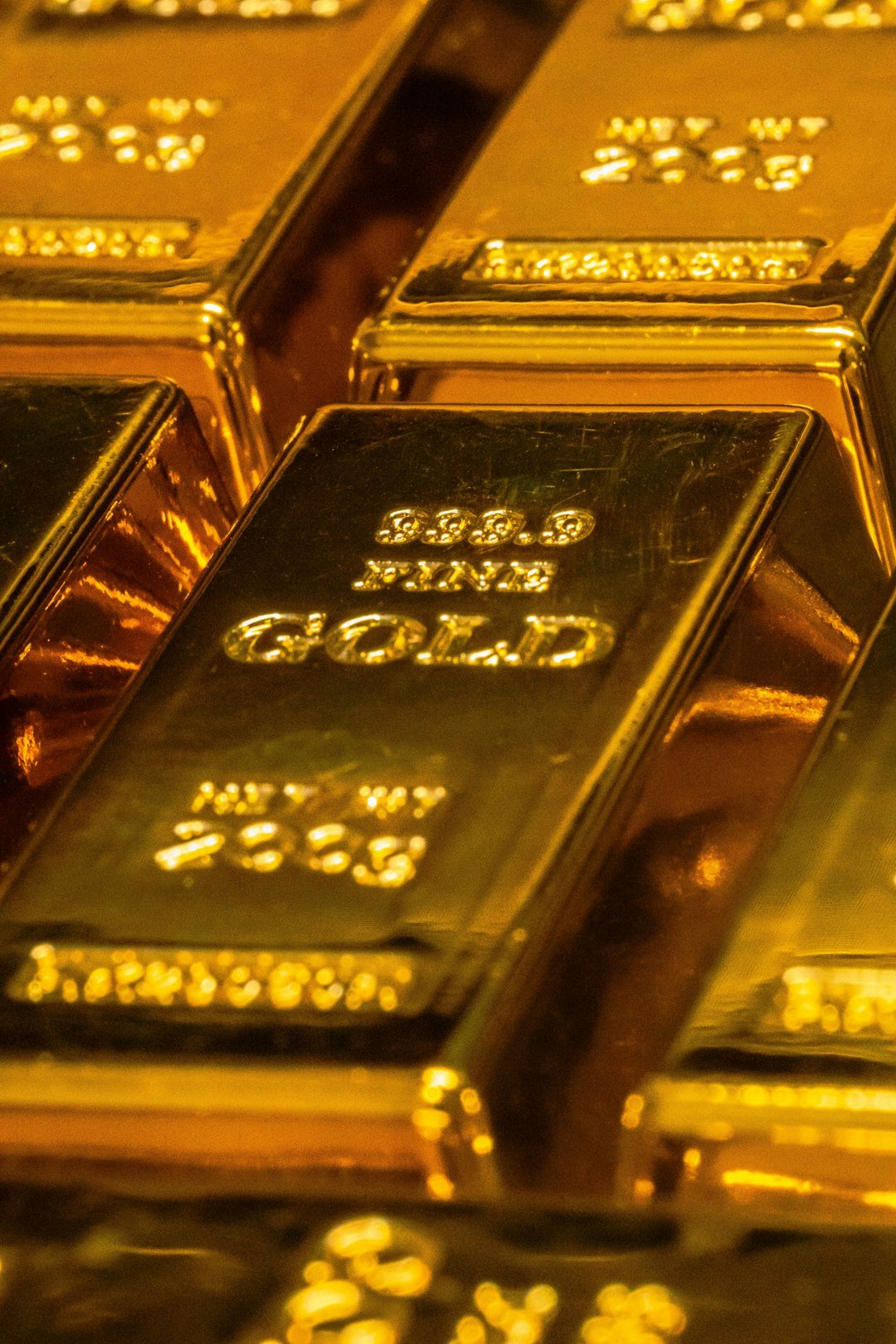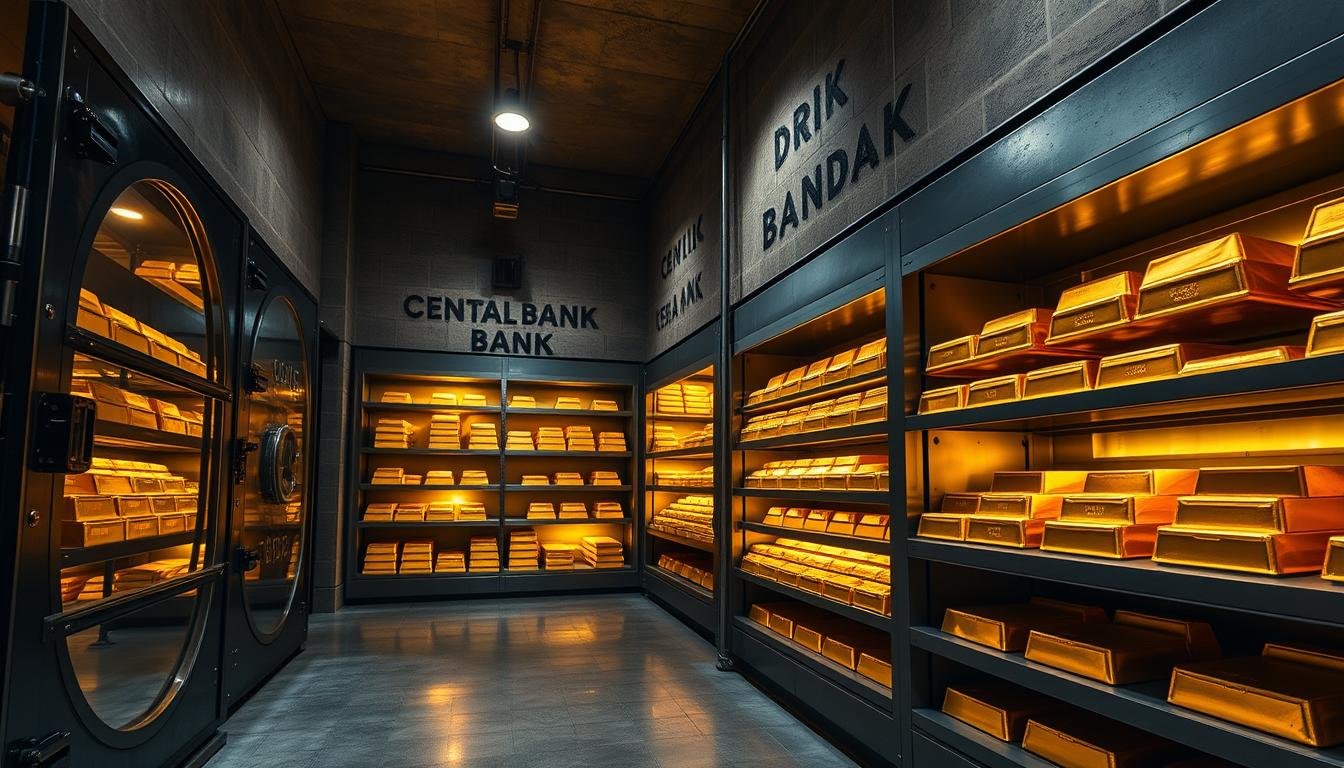
Did you know that central banks worldwide hold a lot of gold? They hold about a fifth of all gold mined. This shows gold’s importance in their reserves.
Gold is valued for its safety, liquidity, and return characteristics. This makes it key for central banks. It helps them keep their finances stable by diversifying their reserves.
Exploring gold’s role in central banking will reveal how they manage their reserves. You’ll learn about their strategies.
Key Takeaways
- Central banks hold a significant amount of gold as part of their reserve assets.
- Gold is valued for its safety, liquidity, and return characteristics.
- Holding gold allows central banks to diversify their reserve portfolios.
- Gold plays a crucial role in enhancing financial stability.
- Central banks employ various strategies to manage their gold reserves.
The Historical Significance of Gold in Central Banking
Central banks have always been drawn to gold. They’ve used it as a key part of their money systems. You might ask, why has gold been so important to central banking for so long?

The Gold Standard Era
The gold standard was a system where money was tied to gold. You could exchange your money for gold. This system brought stability and trust to the money world.
Key features of the gold standard included:
- Currency pegged to gold
- Convertibility of currency to gold
- Gold used for international settlements
Transition to Fiat Currency Systems
The gold standard era ended in 1971. President Nixon cut the link between the USD and gold. This change moved us to fiat currency systems. In these systems, money is backed by government, not gold.
Gold’s Enduring Presence in Modern Central Banking
Even with the move to fiat currencies, gold is still vital for central banks. It acts as a store of value and a protection against inflation.
Looking at gold’s role in central banking, it’s clear its importance has grown but not faded.
Why Central Banks Hold Gold as a Reserve Asset
Gold is a key asset for central banks because it brings stability, liquidity, and diversification. You might ask why gold is so appealing to these financial giants. The answers lie in gold’s special qualities.
Store of Value and Inflation Hedge
Gold’s history as a store of value is unmatched. It has kept its worth through centuries of economic ups and downs. Also, gold acts as a strong inflation hedge. When prices go up, the value of paper money drops, but gold’s value often increases. This helps central banks keep their reserves’ buying power.
Portfolio Diversification Benefits
Central banks add gold to their reserves to spread out risk. Gold doesn’t move in sync with other investments like bonds or stocks. This makes it a great addition to a portfolio. By including gold, central banks can protect against losses in other areas of their reserves. This is key to keeping their reserves stable.
- Reduces reliance on any single asset class
- Provides a safety net during financial crises
- Enhances the resilience of reserve portfolios
Geopolitical Security Considerations
Financial assets can be hit hard by global tensions. Gold, widely accepted as a store of value, offers geopolitical security. Central banks might buy more gold when global risks are high. This move helps keep their financial stability and security.

In summary, central banks value gold for its many benefits. It serves as a store of value, inflation hedge, diversifier, and security asset. Understanding these points sheds light on gold’s critical role in the global financial system.
The Federal Reserve’s Gold Reserve Policies
It’s key to understand the Federal Reserve’s gold reserve policies to get the full picture of U.S. monetary policy. The Federal Reserve holds a lot of gold, which is vital for the global financial system.
Historical Gold Holdings of the Fed
The Federal Reserve has been holding gold since the early 20th century. Over time, it has built up a large gold collection. This gold is stored in different places.
- The majority of the Fed’s gold is stored in Fort Knox, Kentucky.
- Other significant storage locations include the Philadelphia and New York Federal Reserve Banks.
Fort Knox and Other U.S. Gold Depositories
Fort Knox is known as one of the safest vaults globally. It holds a big part of the U.S. gold reserves. The gold in these places is a key part of the Fed’s assets.
Key facts about Fort Knox:
- Located in Kentucky, it is one of the most secure facilities in the United States.
- Holds a substantial portion of the U.S. gold reserves.
Current Gold Reserve Management Strategies
The Federal Reserve takes a cautious approach to managing its gold reserves. It focuses on keeping these assets stable and secure.
The Fed’s gold reserve management includes:
- Maintaining the integrity and security of gold storage facilities.
- Ensuring the quality and authenticity of gold holdings.
Gold’s Role in U.S. Monetary Policy
Gold is crucial in U.S. monetary policy. It acts as a store of value and a protection against inflation. The Federal Reserve’s gold holdings can shape monetary policy, mainly during economic uncertainty.
European Central Bank and Gold: Policy and Practice
The ECB’s approach to gold reserves shows its dedication to keeping the Eurozone financially stable. By diving into the ECB’s gold policies, you’ll see how gold is crucial in the bank’s monetary plans.
The ECB’s Gold Reserve Framework
The ECB handles its gold reserves with a clear framework for transparency and stability. This framework helps keep the ECB’s monetary policy credible and supports the financial system. Remember, the ECB’s gold is a key part of its reserves, helping keep the Eurozone stable.
National Central Banks’ Gold Holdings in the Eurozone
National central banks in the Eurozone have big gold reserves. These reserves follow the ECB’s rules, helping keep the Eurozone’s finances stable. Seeing how national banks and the ECB work together shows the region’s financial strength.
Gold Repatriation Movements in Europe
Gold repatriation is big in Europe, with many countries bringing their gold back. This move is about wanting more control over gold and better security. Looking into why countries repatriate gold, you’ll see it’s about economics and politics.
Learning about the ECB’s gold policies gives you a deeper look into Europe’s financial world. It shows how the ECB’s gold management helps keep the Eurozone financially stable.
Asian Central Banks and Their Growing Gold Reserves
Asian central banks are increasing their gold reserves. This change is big for the world’s money systems. You’ll learn why they’re doing this and what it means.
China’s Strategic Gold Accumulation
China has bought a lot of gold lately. This is part of a plan to spread out its money and not rely so much on the U.S. dollar. China is making its money safer and showing it wants a world with more than one top currency.
India’s Cultural and Economic Gold Policies
Gold is very important in India, seen as a sign of wealth. The country’s central bank is adding gold to its money to help the rupee and protect against bad times.
Japan and South Korea’s Approach to Gold Reserves
Japan and South Korea are also changing how they handle gold. They both see gold as key for their money. Japan uses gold to keep its money safe from big swings in the market. South Korea is slowly adding gold, showing a careful but smart way to manage money.
As Asian central banks keep buying gold, the world’s gold market will feel the impact. Knowing why they’re doing this helps us understand the future of gold and its role in the global economy.
Gold Reserve Management Strategies and Best Practices
Managing gold reserves is about making smart choices and keeping things safe. Central banks worldwide use different methods to handle their gold. They aim to fulfill their financial duties and get the best returns.
Allocation Decisions in Reserve Portfolios
Central banks must figure out how much gold to keep. They consider things like diversification, value, and safety. A diversified portfolio helps reduce risks from other assets.
Here’s a table showing how some central banks allocate their gold:
| Central Bank | Gold Reserves (Tonnes) | % of Total Reserves |
|---|---|---|
| United States | 8,133.5 | 74.6% |
| Germany | 3,363.4 | 73.3% |
| Italy | 2,451.8 | 70.1% |
Storage and Security Considerations
Keeping gold reserves safe is key. Central banks store their gold in secure places, both at home and abroad. For example, the U.S. Federal Reserve keeps a lot of gold at Fort Knox.
Active vs. Passive Management of Gold Holdings
Central banks can pick between active and passive management for gold. Active management means buying and selling gold to make more money. Passive management is about keeping gold for a long time. The choice depends on the bank’s goals and the market.
Learning about these strategies helps us understand central banks better. It shows their important role in the world’s economy.
The Impact of Central Bank Gold Purchases on Global Markets
Central banks buying gold has big effects on global markets. You might be curious about how these actions change gold prices and the financial world.
Price Effects of Central Bank Transactions
When central banks buy gold, it can raise global gold prices. This happens because there’s less gold available in the market. If many central banks buy at the same time, prices can jump even more.
These big gold buys also affect the market’s liquidity. Imagine a big chunk of gold being taken out of the market. This can lead to a shortage and higher prices.
Market Signaling and Announcement Effects
Central banks’ gold buys send strong messages to the market. An announcement of a big gold purchase can boost confidence. It shows that gold is seen as a solid reserve asset.
Investors might get more interested in gold after such announcements. This can push prices up even more.
Coordination Among Central Banks
Even though central banks act alone, they sometimes want to work together. This coordination can make the gold market more stable. Synchronized buys can help keep prices steady.
But, if central banks don’t coordinate, it can cause uncertainty. Unplanned big buys can lead to sudden price swings. It’s important to understand how central banks work together to see the full effect of their gold purchases.
Gold vs. Other Reserve Assets: A Comparative Analysis
Central banks are now diversifying their reserve portfolios. It’s important to know how gold compares to other assets. They hold gold, foreign currency, Special Drawing Rights (SDRs), and government bonds. Each has its own role and benefits.
Gold Compared to Foreign Currency Reserves
Gold and foreign currency reserves are key for central banks. Foreign currency reserves are in dollars, euros, or yen. Gold, on the other hand, is a value store not tied to any currency. Gold’s value comes from its rarity and history, making it a solid hedge against currency swings.
- Gold faces no counterparty risks like foreign currency reserves do.
- It adds diversity, as its value doesn’t move with other assets.
- Gold is useful in financial crises or when currency trust is lost.
Gold vs. Special Drawing Rights (SDRs)
SDRs are an IMF-created asset to complement reserves. Unlike gold, SDRs are not physical but a claim on the IMF. SDRs’ value is based on a currency basket, making them more volatile than gold.
SDRs are easy to transfer between banks. But gold’s physical form and value history make it a more solid wealth store.
The Role of Government Bonds in Reserve Portfolios
Government bonds, from countries with good credit, are also in central banks’ reserves. They provide steady income and are seen as low-risk. But their value can change with interest rates and credit risk.
Emerging Alternative Reserve Assets
Recently, central banks have looked into new assets like cryptocurrencies. These offer high returns but also high risks. Volatility and unclear regulations are big concerns.
In summary, gold is crucial for central banks, offering value, diversification, and stability. As they diversify, knowing gold’s benefits and drawbacks is key.
Recent Trends in Central Bank Gold Acquisition
Central banks are now favoring gold as a key reserve asset. This change is altering the global financial scene. It’s not just about where they invest, but also about their strategic choices.
Record Purchases in Recent Years
Central banks have been buying gold at an unprecedented rate. In recent years, this trend has grown, with many banks boosting their gold reserves. This increased demand has boosted the global gold market.
The scale of these purchases is noteworthy. Some years have seen record levels of gold acquisition. This shows a strong and growing interest in gold among central banks.
Shifting from Western to Eastern Central Banks
A key trend is the shift from Western to Eastern central banks. Countries like China and India are leading this trend, increasing their gold reserves. This shift shows the changing economic landscape and the growing influence of Eastern nations.
This change is not just about the volume of gold. It also marks a strategic shift in the global economic order.
Motivations Behind the New Gold Rush
What’s driving this new gold rush among central banks? The reasons are varied. Diversification of reserve assets is a major factor, as banks aim to spread their investments. Gold’s role as a safe-haven asset and a hedge against inflation also makes it appealing in uncertain times.
Geopolitical factors also influence this trend. Some central banks see gold as a way to manage risks from global economic tensions.
How Central Bank Gold Policies Affect Individual Investors
Knowing how central bank gold policies affect your investments is key. Central banks’ gold decisions can change gold prices, impacting your portfolio. This guide will help you understand how to use this information to your advantage.
Market Signals for Private Gold Investment
Central banks’ gold policies send important signals to investors. When they buy more gold, it might mean they see economic changes coming. This could be a sign to add gold to your portfolio to protect against uncertainty.
Watching central banks’ gold moves can guide your investment choices. This proactive approach can lead to better gold investment decisions.
Gold ETFs and Physical Gold Ownership
Investors have choices like Gold ETFs and owning physical gold. Gold ETFs are easy to invest in without storage worries. Physical gold, on the other hand, is a real asset you can hold.
Gold ETFs come with fees that can affect your earnings. Physical gold requires thinking about storage and security. Choose based on your investment goals and comfort with risk.
Portfolio Allocation Strategies Based on Central Bank Trends
Central bank gold policies can shape your portfolio. Watching their trends helps decide how much gold to include. A gold-rich portfolio can reduce risks from other investments.
Timing Investment Decisions Around Central Bank Announcements
Timing your investments with central bank announcements can be smart. Big announcements about gold reserves can change gold prices. Staying informed helps plan for better returns.
For instance, an increase in gold reserves might be a good time to invest in gold. A decrease could mean it’s time to review your gold holdings. Keeping up with central bank news can guide your investment timing.
Gold’s Role in De-Dollarization Efforts
Gold is playing a big role in the global economy. It’s key in efforts to reduce dependence on the U.S. dollar. Countries are turning to gold as a strategy.
BRICS Nations and Gold Accumulation
The BRICS nations (Brazil, Russia, India, China, and South Africa) are leading this change. They’re adding gold to their reserves. This move is to diversify and lessen their reliance on the U.S. dollar.
This shift is driven by a need for economic freedom. It’s also a way to protect against risks tied to holding one currency too much.
Gold-Backed Currencies and Initiatives
Some countries are looking into gold-backed currencies. They want to tie their currency’s value to gold. This is to offer a more stable option than regular currencies.
Such moves could change the world’s monetary system a lot.
Implications for the U.S. Dollar’s Reserve Status
Gold accumulation by central banks, like those in BRICS nations, affects the U.S. dollar’s reserve status. As reserves diversify, demand for the U.S. dollar might drop. This could impact its value and role as a global currency.
In summary, gold is key in efforts to move away from the U.S. dollar. This trend will be worth watching as it shapes the global financial scene.
The Future of Gold in the Global Monetary System
Looking ahead, gold’s role in the global economy is set to change. Central banks are making big decisions about their reserves. They’re moving towards a mix of assets, with gold being a key player.
Shifts in Reserve Composition
Central banks are changing how they manage their reserves. Gold is becoming more important for them. It’s seen as a stable value and a protection against inflation.
So, gold will keep playing a big role in the global economy.
Technological Innovations in Gold Management
New tech is changing how we handle gold. Advances in storage and trading are making things more efficient and secure. Blockchain and other digital tools are being used to improve gold transactions.
Gold’s Role in a Digital Currency Era
Even with digital currencies on the rise, gold’s importance isn’t fading. It will likely work alongside digital currencies, offering a unique value. Gold will remain a key part of the global economy, even as digital currencies grow.