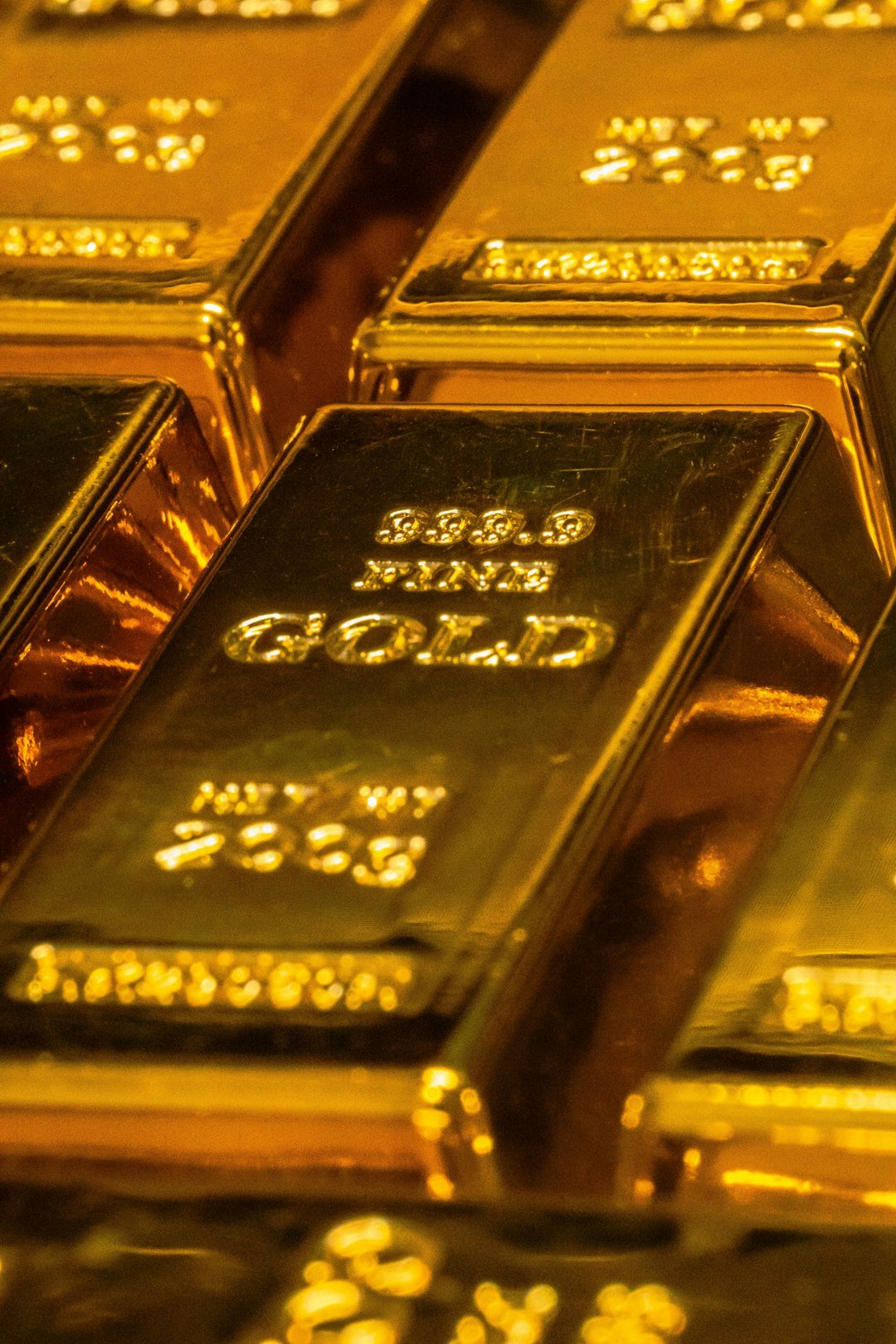
Did you know that global central banks have been buying up gold at an amazing rate since 2022? This move is changing the financial world, as the dollar’s power is slowly fading.
With central banks choosing gold more often, you might be thinking about your own wealth. The fact that gold is now more popular than euros in reserves shows a big shift in finance.
Key Takeaways
- Central banks are increasing their gold reserves at a rapid pace.
- The dollar’s dominance in global reserves is declining.
- Gold holdings have surpassed euros in global reserves.
- This trend may have significant implications for your financial security.
- The shift towards gold could potentially reshape the global financial landscape.
The Dollar’s Global Reserve Status
The dollar’s top spot as a global reserve currency comes from history and economics. You might ask how it got and kept this role. Let’s look at its history and today’s benefits that keep the dollar strong in world finance.
Historical Development of Dollar Dominance
The dollar’s rise to global reserve status was shaped by two key events.
Bretton Woods Agreement and Its Legacy
The Bretton Woods Agreement in 1944 set a new world order. It made currencies tie to the dollar, which could be exchanged for gold at a fixed rate. This made the dollar a key player in global finance.
Petrodollar System Establishment
In the 1970s, the petrodollar system was born. The US and Saudi Arabia agreed to sell oil only in dollars. This move made the dollar even more important, as countries needed dollars to buy oil.

Current Advantages of Dollar Hegemony
The dollar’s leading role brings benefits to the US and global trade.
US Economic Benefits
The dollar’s status lets the US have big budget deficits without usual limits. It also helps the US borrow money cheaply, thanks to high demand for dollar assets.
Global Trade Facilitation
The dollar’s use in international deals makes trade easier. It lowers risks in currency exchange. It also helps price goods like oil and gold, making trade smoother.
Growing Challenges to Dollar Supremacy
The dollar’s top spot is under attack as more countries want to use other currencies. They aim to cut down their use of the US dollar for buying and selling things.
Global De-dollarization Movements
Countries are looking for new options to the dollar. They worry about US money policies and how the dollar is used as a weapon. This change is seen in many global plans.
Russia-China Trade Agreements
Russia and China are leading the way in moving away from the dollar. They’ve made deals that don’t use the dollar. This has made other countries think about using different currencies too, weakening the dollar’s role worldwide.
Middle East Pivot from Dollar
In the Middle East, a region often tied to the dollar, countries are exploring new paths. This change shows a big shift in how the world uses money.
US Fiscal Concerns and Currency Confidence
The US’s money management has raised doubts about the dollar’s future. Two big problems are affecting how people trust the dollar.
National Debt Impact
The growing national debt is a big worry. It could hurt the dollar’s value and trust. As debt grows, people might trust the dollar less.
Inflation Worries
Inflation is also hurting trust in the dollar. When prices go up, the dollar buys less. This makes gold seem like a better choice.

As more countries move away from the dollar, its value might drop fast. This could lead to a new currency replacement. Gold, known for its value, is becoming a popular choice.
Gold’s Historical Role as World Currency
Gold has been a key part of money systems around the world for a long time. You might be surprised to learn that gold was the basis for the value of the U.S. dollar and other currencies before 1973.
The Classical Gold Standard Era
The gold standard started in the 19th century, changing how countries managed their money. Key features of this era included:
- Convertibility of currency to gold
- Fixed exchange rates among participating countries
- Automatic adjustment of trade imbalances
19th Century Implementation
In the 19th century, many countries adopted the classical gold standard. This created a unified global monetary system. The period saw significant economic growth and stability, thanks to gold-backed currencies.
International Trade Stability
Under the gold standard, international trade thrived. Merchants and traders benefited from:
- Predictable currency values
- Reduced transaction costs
- Increased confidence in international transactions
The End of Gold-Backed Currency
The gold standard era ended in the 20th century. The Nixon Shock of 1971 was a key moment when the U.S. left the gold standard. This led to a global shift towards fiat currency systems.
Nixon Shock of 1971
On August 15, 1971, President Nixon suspended the U.S. dollar’s convertibility to gold. This ended the Bretton Woods System. The move was due to significant economic pressures, like a large trade deficit and inflation.
Transition to Fiat Money System
The collapse of the gold standard led to fiat currency systems worldwide. Key characteristics of this new system include:
- Currency values determined by supply and demand
- Central banks gaining control over monetary policy
- Increased flexibility in fiscal policy
As we moved to fiat money, gold’s role in the global economy changed. Now, we’re looking at whether gold can again be a key player, maybe even replacing the dollar as a global reserve currency.
Why Gold Has Endured as Monetary Metal
Gold’s lasting value comes from its rarity, durability, and the trust it inspires in investors globally. Gold’s unique attributes have made it precious for centuries. It’s not just for looks but also for its financial role.
Physical Properties Making Gold Valuable
Gold’s value is boosted by its scarcity and indestructibility.
Scarcity and Indestructibility
Gold is rare and hard to mine. Its durability, as it doesn’t rust or tarnish, adds to its worth. As
“Gold is a store of value that has been trusted for centuries, and its physical properties are a significant reason for this trust.”
Universal Recognition
Gold is seen as valuable everywhere. Its acceptance across borders makes it a solid choice for international deals.
Cultural and Psychological Factors
Gold’s value also stems from cultural and psychological aspects. Historical trust in gold and cross-cultural value recognition are key.
Historical Trust in Gold
Gold has long symbolized wealth and success. This trust has been passed down, making it a top choice in tough times.
Cross-Cultural Value Recognition
Gold is cherished worldwide, not just for its money value but also for its symbolic meaning. This broad appreciation boosts its status as a monetary metal.
Limitations of Gold as Modern Currency
Gold’s role as a modern currency is limited by physical and economic factors. We must consider these when thinking about gold replacing the dollar.
Physical Constraints in Global Economy
Gold faces big challenges in the global economy. These include high costs for moving and storing it.
Transportation and Security Costs
Gold is expensive to move because of its value and security needs. This leads to:
- High insurance premiums
- Specialized security measures
- Expensive transportation methods
Storage Requirements
Keeping gold safe is another big problem. It needs:
- Fortified vaults
- Advanced security systems
- Regular audits
Economic Growth Restrictions
Gold also hinders economic growth. This is because of its limited supply and the risk of deflation.
Limited Supply vs. Economic Expansion
The amount of gold is fixed, which can slow down economic growth. As economies expand, they need more money. But gold’s supply can’t be easily increased.
Deflation Risks
Using gold as a standard can also lead to deflation. With a fixed money supply, prices might drop as productivity rises. This could slow down the economy.
In summary, gold has its benefits but also big drawbacks as a modern currency. Knowing these challenges is key to understanding its potential as a dollar alternative.
Modern Gold-Based Currency Solutions
The world of finance is changing fast. New gold-based currency solutions are coming up. They mix gold’s stability with modern money’s ease.
Gold-Backed Digital Currencies
Gold-backed digital currencies are a big step forward. They let you use digital money that’s backed by gold.
Existing Projects and Implementations
Many projects are working on gold-backed digital currencies. Some use real gold stored safely. They want to offer a reliable way to save and spend money.
Verification Mechanisms
It’s important to keep gold-backed digital currencies safe. This means checking gold reserves often and using clear blockchain records.
Gold Payment Systems Development
Gold payment systems are also getting a boost. They let people use gold for buying things online.
Kinesis and Similar Platforms
Platforms like Kinesis are leading the way. They offer services like debit cards for spending gold directly.
Integration with Traditional Banking
To really take off, gold payment systems need to work with regular banks. They must create a way to easily link gold money with everyday transactions.
Central Banks’ Gold Acquisition Strategies
Gold is now key for central banks to boost their reserves against currency swings. They’re rethinking their gold buying plans to stay safe in tough times.
Recent Gold Reserve Increases
Central banks are adding more gold to their reserves. They want to spread out their money and feel more secure. This is more common in new economies.
China’s Accelerated Purchases
China is leading in gold buying, growing its reserves fast. This is part of a plan to cut its US dollar reliance.
Russia’s De-dollarization via Gold
Russia is buying gold fast to reduce its dollar use. It wants more control over its finances.
Western Nations’ Gold Policies
Western countries have their own gold strategies, even if they’re not as aggressive as some emerging markets.
US Gold Reserves Status
The US has a big gold reserve, which hasn’t changed much lately. This reserve helps keep the dollar strong worldwide.
European Central Bank Positioning
The European Central Bank is slowly adding gold to its reserves. This move helps keep the euro stable and diversifies the ECB’s assets.
Learning about these gold strategies helps you understand the changing finance world. Gold is key for central banks to secure their financial futures.
BRICS Nations and Gold Currency Initiatives
The BRICS nations are on the verge of a big financial move. They plan to introduce a gold-backed trading currency. This is part of a strategy to lessen dependence on the US dollar and make the international monetary system more diverse.
Proposed Gold-Backed Trading Currency
The BRICS countries are looking into a gold-backed trading currency. This currency aims to be a stable and reliable medium for international trade settlements.
Technical Implementation Plans
To make this happen, the BRICS nations are focusing on the technical side. They are building a strong financial infrastructure and setting up a gold reserve system. This infrastructure is key for the success of the gold-backed currency.
Member Nation Agreements
Getting all member nations to agree is crucial. The BRICS countries are talking to make sure the new currency benefits everyone. They want it to align with their economic goals.
Potential Impact on Global Trade
The introduction of a gold-backed trading currency by BRICS nations could change global trade a lot. It might reduce the dollar’s dominance and lead to a more multipolar currency system.
Trade Settlement Changes
With a gold-backed currency, trade settlements between BRICS nations and possibly other countries could get easier. This could make international trade smoother and lower transaction costs.
Dollar Demand Reduction
As BRICS nations use a gold-backed trading currency, the demand for the US dollar in international transactions might go down.
“A reduction in dollar demand could lead to a significant shift in global economic dynamics.”
Gold as Inflation Hedge vs. Functional Currency
Looking at gold as a dollar replacement means checking its past performance and use in daily life. It’s important to see how gold acts in various economic times. This helps figure out if it can be a good currency.
Historical Performance During Inflation
Gold has been a strong defense against inflation in the past. Let’s explore two key times:
1970s Stagflation Period
In the 1970s, the U.S. saw high inflation and slow growth. Gold prices soared, going from $35 to $850 per ounce by 1980. This shows gold’s power as an inflation shield.
Recent Inflation Response
Gold has also done well in recent inflation times. As inflation worries grew, gold prices went up. This shows gold could be a solid asset when the economy is shaky.
Practical Challenges of Daily Gold Transactions
Gold is great against inflation but has big practical hurdles as a currency. These are key to consider when thinking about gold as a dollar alternative.
Price Volatility Issues
Gold’s price swings are a big problem. Its value can change a lot, making it hard to use for everyday deals. This could cause confusion in financial dealings.
Denomination Difficulties
Another issue is dividing goods and services by gold. Gold can’t be split into small parts easily, making it hard for daily use. This shows we need new ways or middle currencies.
In summary, gold is good against inflation but not so great as a daily currency. Its price swings and hard-to-use nature are big hurdles. Knowing these issues is key to seeing if gold can replace or add to traditional money.
Economic Implications of Gold Dollar Replacement
Exploring gold replacing the dollar shows us big economic changes. A gold-backed currency could change how we trade worldwide. It would also deeply affect the US economy.
Global Trade Restructuring
Switching to gold could shake up global trade. This change might help some countries but hurt others.
Winners and Losers in Transition
- Countries with lots of gold might get more power in trade.
- Nations that use dollars a lot might struggle to adjust.
Trade Balance Adjustments
Trade balances could shift as countries with surpluses get more gold. This could make global trade more balanced.
US Economic Consequences
The US economy would see big changes. This includes limits on what the Federal Reserve can do and how much the government can spend.
Federal Reserve Policy Limitations
A gold standard would limit the Federal Reserve’s actions. The money supply would be tied to gold reserves.
Government Spending Constraints
Government spending might be limited by the need to back currency with gold. This could lead to better fiscal policies.
Realistic Scenarios for Gold’s Monetary Return
The global economy is changing, making gold’s return to its monetary role more likely. You might wonder how this could affect currency and trade. Let’s look at the possible paths and mechanisms for gold’s comeback.
Partial Gold Standard Possibilities
Going back to a gold standard doesn’t mean we have to change everything. A partial gold backing could be a middle ground. It combines old monetary ways with gold’s stability.
Percentage-Backed Currency Models
One idea is to back a part of the money supply with gold. This mix offers stability and still lets policy makers be flexible.
Special Drawing Rights with Gold Component
Gold could also be added to Special Drawing Rights (SDRs). SDRs are extra foreign exchange assets managed by the International Monetary Fund (IMF). Adding gold could make SDRs more stable and appealing.
Transition Mechanisms and Timeframes
Switching to a gold-backed system would be complex and slow. Knowing how it could happen and how long it might take is key to understanding its possibility.
Gradual Implementation Approaches
Starting small could be a good way to introduce gold backing. Begin with a small part of the currency and grow it slowly. This helps economies adjust without big shocks.
Crisis-Driven Adoption Scenarios
On the other hand, a big economic crisis could push for a gold-backed system faster. When money is tight, gold’s value as a safe asset often goes up.
| Transition Mechanism | Potential Timeframe | Key Characteristics |
|---|---|---|
| Gradual Implementation | 5-10 years | Phased introduction, minimal disruption |
| Crisis-Driven Adoption | 1-3 years | Rapid response to economic stress, potential for significant changes |
| Percentage-Backed Currency | Variable | Flexibility in gold backing percentage, balance between stability and monetary policy flexibility |
Personal Financial Strategies for Americans
As an American investor, you might wonder how to keep your wealth safe in a shaky currency market. The talk about gold possibly becoming the new global reserve currency is big news for your financial plans. You need to figure out how to protect your investments and keep your finances stable, even with currency changes.
Gold Allocation in Investment Portfolios
One strategy is to put a part of your investment portfolio into gold. There are different ways to do this, each with its own benefits.
Physical Gold Ownership Considerations
Having physical gold can feel secure since it’s something you can hold. But, it also has its downsides like storage and security issues. You have to think about the costs and how to safely keep your gold.
Gold ETFs and Mining Stocks
Another way is to invest in gold through ETFs or by buying shares in gold mining companies. These options might offer better liquidity and higher returns. But, they also come with their own risks.
Wealth Preservation During Currency Transitions
To keep your wealth safe during currency changes, you need a solid plan. Diversifying your investments across different types is key to reducing risks.
Diversification Strategies
Diversifying is crucial for protecting your wealth. This means spreading your investments across different areas like stocks, bonds, real estate, and commodities like gold. This way, you can lower your risk in any one market or currency.
Risk Management Approaches
Good risk management is essential. This could mean hedging against currency changes or using other financial tools to safeguard your investments. Keeping up with global economic news and being ready to adjust your plans is also important.
The Future of Gold in International Monetary System
Looking ahead, gold’s role in the world’s money system is set to change a lot. You might be curious about how this affects your money plans and the global economy. Let’s dive into what could happen to gold in finance.
Hybrid Currency Models Emerging
The financial world is moving towards new currency models. These models mix different systems, aiming for more stability and flexibility.
Commodity Baskets Including Gold
One new model is using commodity baskets with gold. This mix could offer a more stable value, combining gold with other goods. It aims to lessen risks from market ups and downs.
Digital-Physical Gold Integration
Another trend is blending digital and physical gold. It creates digital gold backed by real gold. This makes gold transactions more efficient and accessible, fitting the digital age.
Gold’s Role in Multipolar Currency World
In a world with many currencies, gold could be key. It might act as a common standard or a shield against currency swings.
Regional Gold-Based Systems
Regional systems using gold are also possible. These would have countries in a region base their currency or trade on gold. This could boost regional stability and unity.
Gold as Settlement Currency Between Nations
Gold might also be used for settling international deals. This means countries could use gold instead of foreign exchange, making trade easier.
In summary, gold’s future in the world’s money system looks promising. Hybrid models and a multipolar world will likely shape its role. As these changes unfold, it’s exciting to see how gold will adapt.
Conclusion: Can Gold Really Replace the Dollar?
You’ve looked into how gold and the dollar relate, and if gold could be a big part of the world’s money system. Gold might have a big role, but if it can fully replace the dollar is still up in the air.
The dollar is key in global trade, but it’s facing new challenges. Gold, with its long history as a currency and lasting value, could be a good choice. Yet, there are physical and economic hurdles to overcome.
New ideas like digital gold currencies and gold payment systems aim to solve these problems. Central banks and countries like BRICS are also getting into gold. These moves are important.
Looking ahead, gold might join the dollar in a new kind of currency world. This change will happen slowly, with both gold and the dollar being used together in a world with many currencies.