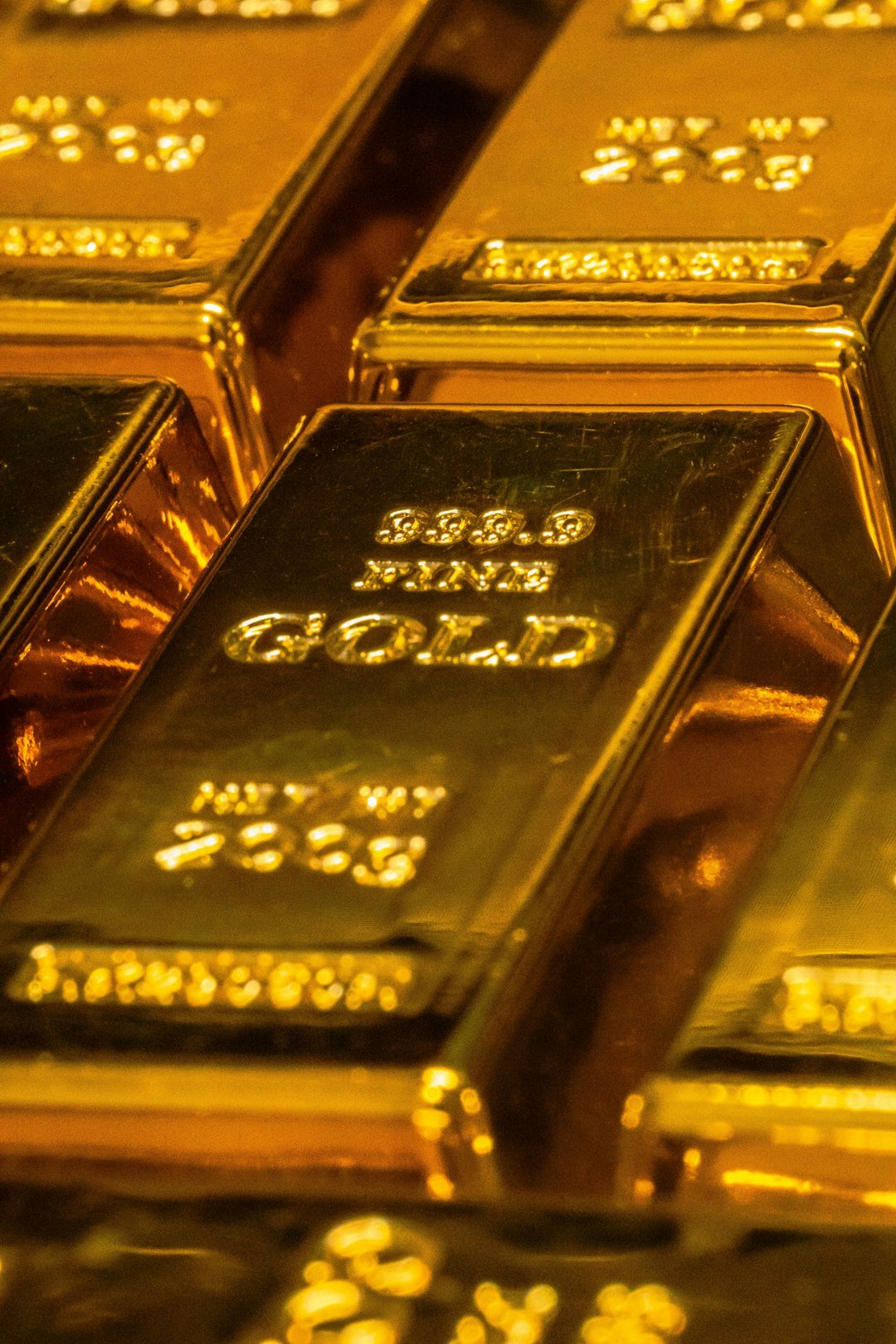
Did you know tons of precious items move across borders every day? The international movement of these valuable resources is a complex process. It involves many stakeholders and strict regulations.
Physical gold is often moved for investment, manufacturing, and other reasons. This border transport needs careful planning, secure logistics, and strict law following.
Knowing how cross-border transactions work is key for those in the global gold market. In this article, we’ll dive into how physical gold moves internationally. We’ll also look at the challenges it faces.
Key Takeaways
- The international movement of physical gold involves complex logistics and regulatory compliance.
- Cross-border gold transport requires secure and specialized services.
- Understanding the global gold market is essential for investors and businesses.
- Regulations and laws governing border transport vary by country.
- The movement of physical gold has significant economic implications.
The Global Gold Trade: An Overview
Gold has always been valuable, affecting economies around the world. You might ask how it has kept its importance. Let’s look at its history, today’s scale, and key players in the global gold trade.
Historical Significance of Cross-Border Gold Movement
For centuries, gold has moved across borders, shaping international trade. In the past, gold backed currencies and settled deals. The importance of gold in international trade was clear during the gold standard era, when currencies were tied to gold’s value.
Current Scale of International Gold Transport
Today, the global gold trade is huge and complex. It involves moving thousands of tons of gold every year. 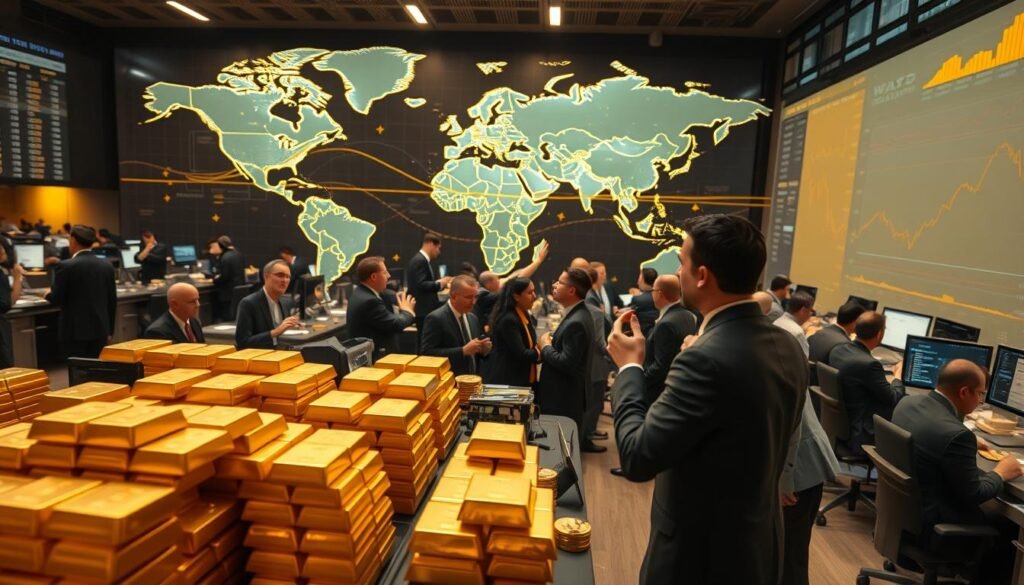
Major Gold Exporting and Importing Nations
Some countries lead in the global gold trade. Switzerland, China, and South Africa are top exporters. India, China, and the United States are the main importers.
| Country | Role in Global Gold Trade |
|---|---|
| Switzerland | Major exporter |
| India | Major importer |
| China | Both major exporter and importer |
Knowing the global gold trade’s dynamics helps us understand its economic impact.
Why Physical Gold Crosses Borders
Gold is moved across borders for many reasons. These include the actions of central banks, investors, and manufacturers. Each group has its own reasons for moving gold.
Central Bank Operations and Reserve Management
Central banks are key players in the gold trade. They manage their gold reserves by moving gold between countries. This helps them keep their economies stable and their currencies trusted.
Warwick Hunt, a gold expert, said, “Central banks are significant players in the gold market, and their reserve management decisions can significantly impact gold prices.” This is crucial for economic stability.
Investment and Trading Purposes
Investors and traders also move gold across borders. They buy and sell gold to make money or as a safe investment. Gold is traded globally, leading to frequent transport between countries.
Gold is seen as a safe investment. Investors worldwide look to benefit from its stability.

Manufacturing and Industrial Needs
Gold is also moved for industrial use. Countries with big manufacturing sectors import gold. This gold is used to make jewelry and electronics, which are then sold or exported.
This industrial demand is a big part of the global gold trade. It shows the importance of efficient transport across borders.
In summary, gold moves across borders for several reasons. These include central bank activities, investment and trading, and industrial needs. Understanding these reasons helps us see the complexity of the global gold market.
Forms of Gold That Move Internationally
Gold moves across borders in many forms, each with its own traits and uses. It’s important to understand these forms to grasp the global gold trade’s complexity.
Gold Bullion Bars and Coins
Gold bullion bars and coins are common in international trade. They are made from high-purity gold and are often used for investments. Coins are favored by many investors because they are easy to verify and can be divided.
Doré Bars from Mining Operations
Doré bars, or unrefined gold bars, are also key in international trade. They come straight from mines and mix gold with other metals. Before they can be sold as pure gold, they need to be refined.
Jewelry and Artifacts
Jewelry and gold artifacts also play a part in the global gold trade. These items are known for their detailed designs and cultural or historical importance. Their movement is influenced by both economic and cultural reasons.
The variety in gold forms shows the global gold market’s complexity. Gold is essential in international trade, serving many purposes like investment, industrial use, and cultural exchange.
International Regulations Governing Gold Transport
The global gold trade follows a complex set of rules. These rules ensure gold is moved safely and legally. As the gold trade expands, knowing these rules is key for those moving gold across borders.
Basel III Framework
The Basel III framework is important for the gold trade. It sets standards for banks dealing with gold. This makes the gold trade more secure by requiring banks to have more capital.
Anti-Money Laundering Provisions
Anti-Money Laundering (AML) provisions are vital. They stop the gold trade from being used for illegal activities. Banks must follow strict AML rules, like checking customers and watching transactions closely.
Country-Specific Regulations
Each country has its own rules for gold trade. Some need import/export licenses for gold deals. Others have special taxation rules for gold.
International Compliance Standards
Stakeholders in the gold trade must follow international standards. The Financial Action Task Force (FATF) sets these standards. They help keep the gold trade honest and stop it from being misused.
In summary, moving gold across borders is governed by a detailed set of rules. It’s crucial to understand and follow these rules for safe and legal gold transport.
- Basel III enhances financial stability
- AML provisions prevent illicit activities
- Country-specific regulations govern gold trade
- International compliance standards maintain integrity
Documentation Required for Cross-Border Gold Movement
Proper documentation is key for moving gold safely across borders. You must know the documents needed to follow rules and make transactions smooth.
Customs Declarations and Forms
When you move gold across borders, you must fill out customs forms correctly. These forms detail the shipment’s value, weight, and where it comes from. Filling them out right helps avoid delays or seizures at customs.
Certificates of Authenticity and Assay
Certificates of authenticity and assay are crucial. They prove the gold’s purity and quality. These are given by trusted assay offices or refineries.
Import/Export Licenses
You might need import or export licenses for gold shipments. These are given by the authorities and are needed for legal gold transport.
Chain of Custody Documentation
Keeping a clear chain of custody is essential. It documents the gold’s journey from start to finish. This prevents tampering or loss.
Having all the right documents ensures compliant and safe gold transport. It helps avoid legal problems and keeps the shipment’s integrity.
The Physical Process of Moving Gold Across Borders
Moving gold internationally is a complex task that needs careful planning and safety. As someone involved in this process, it’s important to know how gold is moved from one country to another.
Preparation and Packaging Protocols
The first step is preparing and packaging the gold. It’s put in secure containers or bags to stop tampering. These containers are sealed with special tape and come with papers that prove what’s inside.
Secure Loading Procedures
After packaging, the gold is loaded onto safe vehicles or planes. This step includes rigorous security checks to keep the gold safe. Often, armed escorts are used for high-value shipments.
Border Crossing Processes
When crossing borders with gold, you must follow strict rules. You need to show the right documents, like customs declarations and certificates of authenticity. It’s also important to meet anti-money laundering provisions.
Verification and Receipt at Destination
When the gold arrives, it’s checked against the documents. This means looking at the seals and packaging for any damage and verifying the gold’s weight and purity. After checking, the gold is given to the person it’s for, ending the transport journey.
The whole process is made to keep gold safe during its journey across borders. By sticking to these steps, you can make sure your gold shipments are treated with the highest care and safety.
Security Protocols for Transporting Physical Gold
Gold moving across borders needs top security. It’s important to know the steps taken to keep it safe during transport.
Armed Escort Services
Armed escort services are a key way to keep gold safe. They have trained people who watch over the gold, stopping threats and acting fast if needed.
Specialized Secure Vehicles
Gold travels in specialized secure vehicles made to resist attacks. These cars have strong materials and secure ways to talk, keeping the gold safe.
Advanced Tracking Technologies
Advanced tracking technologies help watch gold shipments all the time. They track the shipment’s location, so any changes can be quickly handled.
Communication Systems During Transport
Good communication systems are key during gold transport. They make sure everyone knows what’s happening and can act fast if there’s a problem.
Using armed escorts, secure vehicles, tracking tech, and clear communication lowers the risk of gold transport. This ensures the gold gets to its destination safely.
Specialized Logistics Companies in Gold Transport
Many logistics companies are top in moving gold safely. They offer services that meet the gold trade’s needs. These companies are key in the global gold market, making sure gold moves safely and follows international rules.
Brink’s Global Services
Brink’s is famous in security and logistics, handling cash and valuables, like gold. They provide secure storage, transportation, and delivery of gold. They use top security to reduce risks.
Loomis International
Loomis International is also important, offering cash handling, ATM services, and safe transport of valuables like gold. They are experts in secure logistics, making sure gold is handled and moved safely.
Malca-Amit
Malca-Amit focuses on moving high-value goods, including gold. They create custom logistics solutions for their clients. This ensures gold is moved safely and efficiently across borders.
G4S International Logistics
G4S is a global leader in security, including moving high-value assets like gold. Their services include secure transportation, storage, and cash handling. They offer a full solution for the gold trade.
These specialized logistics companies are vital for the global gold market’s smooth operation. They provide the secure transport services needed for the trade. With their help, those in the gold trade can be sure their transactions are safe and efficient.
Insurance Considerations for International Gold Shipments
When you deal with international gold trade, insurance is key. Shipping gold across borders comes with big risks like theft, loss, and damage. Knowing how to handle these risks is crucial.
Risk Assessment Procedures
First, you must figure out the risks of shipping gold. Look at the transport method, route, and security. A good risk assessment tells you how much insurance you need.
Premium Calculations and Coverage Limits
Gold shipment insurance costs depend on the gold’s value, transport, and risk level. It’s important to know how premiums and coverage work. Choose insurance providers that know how to cover high-value items.
Claim Processes for Loss or Theft
If your gold is lost or stolen, knowing how to make a claim is vital. Good insurance companies have easy claim processes. This way, you can get back to business fast.
Understanding insurance for international gold shipments helps protect your assets. It makes sure your transactions go smoothly. Whether you’re experienced or new, insurance is a must for managing risks.
Gold Storage Facilities Across International Borders
Storing gold internationally means using top-notch facilities. These places meet strict security and rules. The need for safe storage has grown as the global gold market expands.
Free Trade Zones and Bonded Warehouses
Free trade zones (FTZs) and bonded warehouses are key in the gold trade. They let goods be stored, processed, or made without taxes until they enter the market. FTZs are great for gold storage because they have better security and easier customs rules.
Private Vaults and Security Facilities
Private vaults and security facilities add more safety for gold storage. They have advanced surveillance, alarms, and sometimes guards. Private vaults are a top choice for those wanting to keep their gold safe. They offer privacy and security, making them popular with gold investors.
Central Bank Depositories
Central banks worldwide store gold in their own vaults or shared facilities. These vaults are super secure, with systems like biometric checks and constant watch. Central bank vaults are the gold standard for safety, both literally and figuratively.
Swiss Banking System Gold Storage
The Swiss banking system is known for safe gold storage. Switzerland is famous for its banking secrecy and financial security.
“The Swiss banking system is often the go-to for individuals and institutions seeking to store gold in a jurisdiction with a strong tradition of confidentiality and financial stability.”
Swiss banks offer many services for gold storage, like allocated accounts and insured storage.
Taxation and Duties on Cross-Border Gold
When you deal with gold across borders, knowing about taxes and duties is key. Gold moving between countries faces many rules and taxes. These can really affect your investment or business.
Import Duties and Tariffs
Import duties on gold change by country. They’re often based on the gold’s value or weight. Knowing these duties helps figure out the total cost of bringing gold in.
Value-Added Tax Considerations
Value-added tax (VAT) is also important when moving gold. Some places don’t tax gold, while others charge less. It’s crucial to check the VAT rules in your gold deals to avoid surprises.
Tax-Free Jurisdictions
Some places have low or no taxes on gold. This is great for investors wanting to save on taxes. But, you must follow all rules and report as needed in these places.
Reporting Requirements for High-Value Transfers
Big gold deals need strict reporting to stop money crimes. Financial places and gold sellers must follow these rules. This means keeping detailed records and reporting to the right people.
Knowing about taxes and duties in cross-border gold trade helps you. It lets you make smarter choices in the global gold market.
Air Transport vs. Sea Transport for Physical Gold
When you ship physical gold across borders, you must choose between air and sea transport. Each option has its pros and cons. We’ll look at these to guide your decision.
Speed vs. Cost Considerations
Air transport is quicker than sea transport, perfect for urgent shipments. But, it’s pricier. The costs include fuel, security, and handling fees. Sea transport is cheaper but slower, which might be a problem if you need it fast.
Security Differences Between Transport Methods
Security is key when moving valuable items like gold. Air transport has strict security, like armed guards and tracking. Sea transport is also secure but faces risks like piracy or theft at ports. Think about these risks when picking a transport method.
Insurance Implications for Different Modes
Insurance costs differ for air and sea transport. Air transport is often safer, which can lower insurance costs. But, the gold’s value and security measures affect premiums. Talk to insurance companies to understand the costs for your shipment.
Risk Management Strategies
To handle risks, consider using both air and sea transport or splitting shipments. For valuable gold, mixing air and sea transport can balance speed and cost. Also, work with trusted logistics firms and use strong security to reduce risks.
Case Studies: Notable Gold Shipments Throughout History
Gold has played a big role in finance, with many countries and groups moving it around. They do this for reasons like keeping the economy stable, investing, and for industrial needs.
Operation Fish: WWII Gold Movement
During World War II, Operation Fish secretly moved gold and other valuable items from the UK to Canada and the US. It was key to protecting the financial resources of the Allied forces and helping their war efforts.
Venezuela’s Gold Repatriation from the UK
Recently, Venezuela has tried to bring back gold from foreign banks, mainly in the UK. This move was seen as a way to strengthen its financial situation during tough economic times.
Germany’s Gold Repatriation from the US and France
Germany has also worked to get its gold back, from the US and France. This effort is part of Germany’s push to be more open and in control of its gold reserves.
Modern High-Value Transfers
Today, moving gold around is still a big deal, needing careful planning and tight security. Banks, investment firms, and big financial groups usually handle these moves.
These examples show the challenges and complexities of moving gold across borders. They range from wartime secrets to today’s high-stakes transactions.
Challenges and Risks in Cross-Border Gold Movement
Moving gold across borders comes with many challenges. These include theft and issues with following the rules. It’s key to know these risks to keep gold safe and follow the law.
Theft and Robbery Attempts
Theft is a big risk in gold transport. Armed robberies and big heists have been in the news. To stay safe, companies need strong security. This includes armed escorts and GPS tracking.
Regulatory Compliance Issues
Following international rules is hard. Each country has its own rules for gold, like customs declarations and anti-money laundering provisions. Breaking these rules can lead to big penalties.
Geopolitical Considerations and Sanctions
Politics and sanctions can also affect gold transport. Economic sanctions can block gold movement. Political unrest can raise the risk of theft or loss.
Counterfeit Gold Detection
There’s also the risk of fake gold. To spot these, advanced methods are needed. These include X-ray fluorescence and density testing.
| Risk Factor | Mitigation Strategy |
|---|---|
| Theft and Robbery | Advanced security measures, including armed escorts and GPS tracking |
| Regulatory Non-compliance | Thorough understanding of international regulations and compliance standards |
| Geopolitical Risks | Diversification of transport routes and careful planning |
| Counterfeit Gold | Advanced detection techniques, including X-ray fluorescence and density testing |
Knowing these challenges and using good solutions can help reduce risks in moving gold across borders.
The Future of International Gold Transport
The gold transport industry is on the verge of a big change. This change comes from new security and logistics innovations. Soon, moving gold across borders will be safer, more efficient, and clear.
Technological Innovations in Security
New tech will greatly improve gold transport security. Advanced tracking systems and real-time monitoring are becoming common. This means less chance of theft and loss.
For example, GPS and satellite imaging are being used in gold containers. This ensures they get to their destination safely.
Changing Regulatory Landscape
The rules for moving gold are getting stricter. Governments and international groups are setting new standards. It’s important to keep up with these changes to follow the rules.
“The increasing complexity of global regulations requires gold transport companies to be vigilant and adaptable.”
Impact of Digital Currencies on Physical Gold Movement
Digital currencies might change how we see physical gold. They offer new chances but could also cut down on gold transport needs. Here’s a table showing how digital currencies might affect gold transport:
| Factor | Impact on Gold Transport |
|---|---|
| Increased adoption of digital currencies | Potential decrease in gold transport volume |
| Volatility in digital currency markets | Possible increase in gold demand as a safe-haven asset |
Emerging Transport Routes and Methods
New ways to transport gold are coming. These changes are because of world politics and new infrastructure. Knowing about these trends will help you in the future.
In conclusion, the future of gold transport will be shaped by tech, rules, and global demand changes. Keeping up with these trends is key to navigating this new landscape.
Conclusion: The Enduring Value of Physical Gold in Global Trade
You now know how complex moving physical gold across borders is. Gold’s value is key in international trade, going beyond just money. It holds cultural and historical value too.
The gold trade is shaped by many things. This includes what central banks do, investment needs, and industrial uses.
Gold’s role in the world is big. It’s used in managing reserves, in investments, and making jewelry. Keeping gold safe while moving it is a big job. Companies like Brink’s and G4S use top security and know-how to do it.
Gold’s value keeps showing up in demand and the systems for moving and storing it. As the world’s economy changes, gold’s importance is likely to stay. It’s because of its value and the trust people have in it. Learning about gold trade helps us understand more about international finance and business.