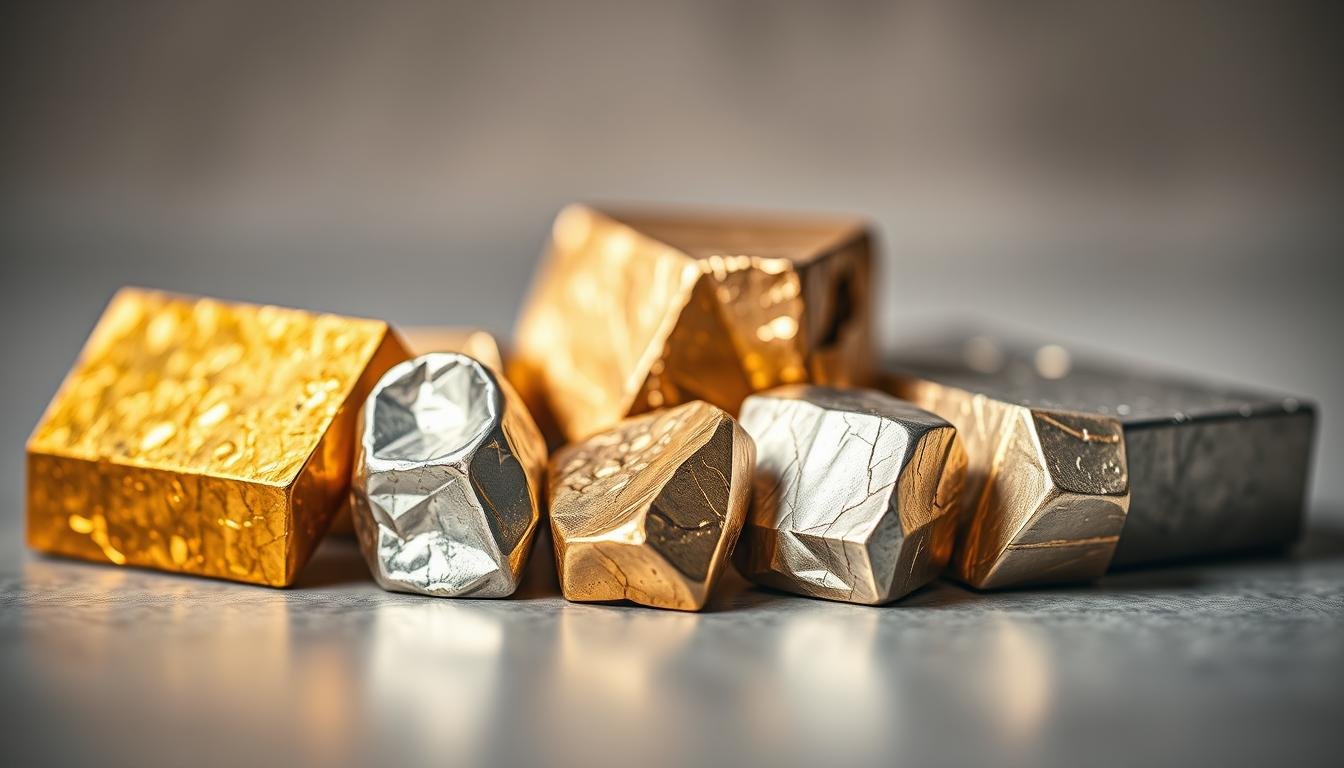
In 2025, the world of precious metals is buzzing with activity. You might be surprised to know that the global precious metals market has seen a significant surge. Some metals are outperforming others. As you navigate the complex landscape of investments, understanding how gold stacks up against other precious metals is crucial.
The year 2025 has been remarkable for the precious metals market. Various factors have influenced their performance. You are likely curious about how different metals have performed and what this means for your investments.
A comparison of these metals can provide valuable insights. It can help you understand their potential for growth and stability.
Key Takeaways
- Understanding the performance of different precious metals in 2025.
- Comparing the investment potential of gold and other metals.
- Identifying market trends that influence precious metal prices.
- Evaluating the role of precious metals in a diversified portfolio.
- Insights into the factors driving the surge in precious metal prices.
The Precious Metals Landscape in 2025
The year 2025 is set to be a big year for precious metals. Many factors will shape the market. It’s important to know what’s happening now and what’s changing.
Current Market Overview
The precious metals market is influenced by many things. These include industrial demand, central bank purchases, and global tensions. Let’s look at two key areas: price trends and supply and demand.
Price Performance Trends
Gold has kept its value, but silver and platinum have seen ups and downs. This price movement is something investors need to watch.
Supply and Demand Fundamentals
The balance between supply and demand is key. Central banks buying gold helps keep its price up. At the same time, silver and platinum are influenced by their use in industry.

Shifting Dynamics in the Precious Metals Sector
As we head into 2025, several things will affect the precious metals market. Knowing these factors is vital for smart investing.
Key Market Drivers for 2025
| Market Driver | Impact on Precious Metals |
|---|---|
| Geopolitical Tensions | Increased demand for safe-haven assets like gold |
| Industrial Demand | Higher demand for silver and PGMs in technology and automotive sectors |
| Central Bank Purchases | Continued support for gold prices due to ongoing central bank buying |
Understanding these dynamics will help you navigate the precious metals market in 2025.
Gold: The Enduring Standard
When thinking about investments in 2025, gold is a classic choice. It has proven itself over centuries. Central banks are adding more gold to their reserves, showing its trustworthiness.
Historical Performance of Gold
Gold has always been a safe choice, even when the economy is shaky. Its price has bounced around, but it has kept its value.
Price History and Volatility Patterns
Gold’s price has seen big jumps, usually when the world is facing big economic problems. Knowing these patterns can help you make better investment choices.
Gold’s Unique Properties and Applications
Gold is more than just money. It’s also used in electronics and dentistry. But, its main role is as a safe investment and a shield against inflation.
Monetary vs. Industrial Uses
Gold’s use in money matters is bigger than its industrial uses. Central banks and investors see gold as a solid choice when the economy is down.
2025 Outlook for Gold Markets
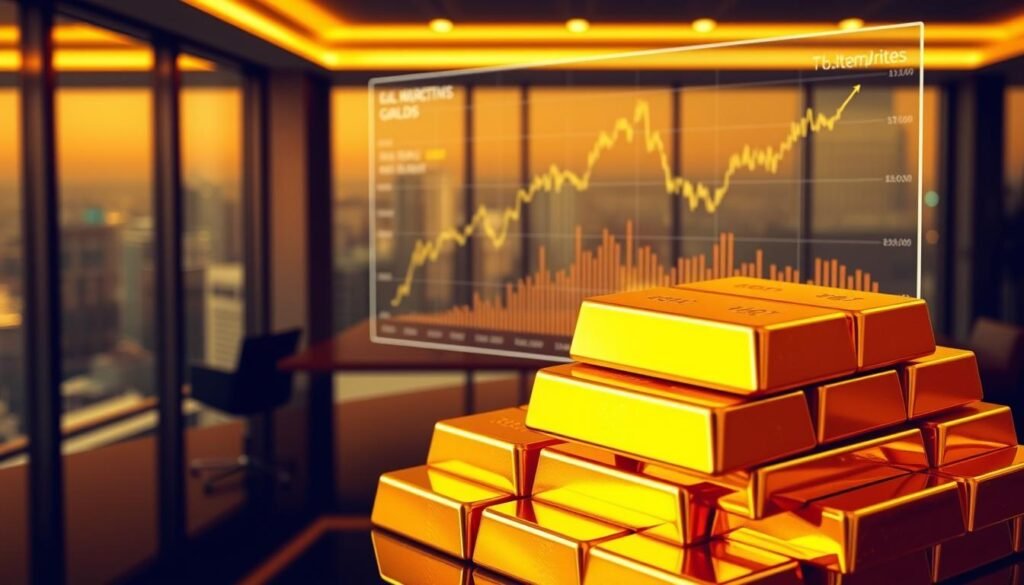
Looking to 2025, gold’s future will be shaped by several things. These include the state of the global economy, changes in interest rates, and world politics.
Price Projections and Catalysts
Experts are hopeful about gold’s future, pointing to factors like more central bank buying and possible economic slowdowns. Keep an eye on these when planning your investments.
Silver: The Industrial Precious Metal
In 2025, silver is a standout in the world of precious metals. It’s valued for both its investment potential and its industrial uses. Knowing about silver’s role can help you understand its future performance.
Silver’s Dual Role as Investment and Industrial Metal
Silver is special because it’s used in many ways, not just for jewelry and coins. Its demand is high in various industrial fields.
Industrial Demand Sectors
Several areas drive silver’s industrial demand:
- Solar Energy: Silver helps make solar panels work well because it conducts electricity well.
- Electronics: It’s key in making electronic parts, like connectors and switches.
- Medical Applications: Silver fights germs, making it useful in medical tools and for treating wounds.
- Automotive: Silver is used in cars for electrical systems and in catalytic converters.
Silver vs. Gold: Price Ratio Analysis
The gold-silver ratio shows how these metals compare in value. This info can guide your investment choices.
Historical Gold-Silver Ratio Implications
The gold-silver ratio has changed over time. It shows when one metal is more valuable than the other. This helps you see if silver is a good deal or not.
Silver’s Projected Performance Through 2025
Looking to 2025, silver’s future depends on both investment and industrial needs. Watch for supply issues that could affect prices.
Supply Deficit Concerns
Supply issues could raise silver prices. Think about these factors when planning your investment:
- Mining Production: Changes in mining can impact supply.
- Recycling: Recycling helps meet demand, but how much?
- Demand Growth: Growing demand from new technologies is a big factor.
Platinum Group Metals: Rarity and Utility
Platinum group metals are rare and very useful in many fields. You might know about gold and silver, but PGMs have their own benefits and uses.
Platinum: Luxury and Industrial Applications
Platinum is famous for luxury jewelry, but it’s also key in other areas. It’s a major part of automotive catalysts, which cut down on car emissions.
Automotive Catalyst Transitions
The car world is changing, moving towards cleaner cars. Platinum is essential in this shift, helping in converters that lessen harm to the environment.
Palladium and Rhodium: Critical Automotive Catalysts
Palladium and rhodium are also vital in the platinum group. They’re mainly used in car catalysts to control emissions. Their demand closely follows the car industry’s needs and rules.
Emission Standards Impact
Tighter emission rules are boosting the need for palladium and rhodium. As rules get stricter, these metals’ role in cutting emissions grows more important.
PGM Supply Constraints and 2025 Projections
There’s a limited supply of platinum group metals due to mining issues. South Africa, a big producer, faces problems that can affect global supply.
South African Mining Challenges
South African mines deal with tough conditions and energy issues. These problems can impact PGM availability worldwide, affecting prices and investment choices.
Looking ahead to 2025, knowing about platinum group metals is key for investors and those who rely on these metals.
Investment Performance Comparison
When you think about investing in precious metals, it’s key to know their past and future performance. You’re not just picking metals; you’re choosing how to diversify your portfolio and protect your money.
Historical Returns: Gold vs. Other Precious Metals
Let’s look at how gold and other metals have done over time. Gold is often seen as a safe choice, but how does it compare to others?
10-Year Performance Analysis
In the last ten years, precious metals have shown different results:
- Gold: Average annual return of 4.5%
- Silver: Average annual return of 3.8%
- Platinum: Average annual return of 2.1%
- Palladium: Average annual return of 8.2%
Palladium has been the top performer, while platinum has been the slowest.
Volatility and Risk Assessment
Investing in precious metals means understanding their volatility and risk. Some metals are steadier than others, affecting your choices.
Gold is often viewed as a safe bet because of its stability. But metals like palladium and platinum can be riskier due to their demand changes.
Projected ROI Through 2025
Looking to 2025, experts have different views on precious metals. Here’s what they predict:
Analyst Consensus Forecasts
“We expect gold to remain a stable investment, with a projected ROI of 3-5% in 2025. Silver is also expected to perform well, driven by industrial demand.” –
Other forecasts include:
- Palladium: High growth potential due to increasing automotive demand
- Platinum: Moderate growth expected as automotive and industrial demand stabilizes
When planning your investments, consider these forecasts and past data to make smart choices.
Industrial Demand Factors
Several key sectors are driving the demand for precious metals. The technology, automotive, and green energy sectors are leading the way.
Technology Sector Requirements
The technology sector is a major driver of demand for precious metals. This is true for electronics and semiconductor applications.
Electronics and Semiconductor Applications
Precious metals like gold, silver, and palladium are key in electronics and semiconductors. They are great for conductivity and resisting corrosion. For example, gold is used in connectors and contacts. Silver is used in solders and conductive pastes.
Automotive Industry Transitions
The automotive industry is changing a lot. This is mainly due to the rise of electric vehicles (EVs). This change is affecting the demand for certain precious metals.
EV Revolution Impact on Metal Demand
The move to EVs is boosting demand for metals like lithium, cobalt, and nickel. But, precious metals like platinum, palladium, and rhodium are still key. They are used in catalytic converters to reduce emissions in both conventional and electric vehicles.
Green Energy Applications
Green energy technologies, like solar and hydrogen power, also drive demand for precious metals.
Solar and Hydrogen Technology Metals
Silver is used in solar panels because of its high electrical conductivity. Platinum is used in hydrogen fuel cells for its catalytic properties. The growth in these renewable energy sectors is expected to increase demand for these metals.
| Sector | Primary Metals Used | Application |
|---|---|---|
| Technology | Gold, Silver, Palladium | Electronics, Semiconductors |
| Automotive | Platinum, Palladium, Rhodium | Catalytic Converters |
| Green Energy | Silver, Platinum | Solar Panels, Hydrogen Fuel Cells |
Supply Chain Dynamics and Production Costs
The precious metals industry is facing many challenges in its supply chain. These challenges are changing how much it costs to produce. Knowing about these issues is key for smart investment choices.
Mining Industry Challenges
The mining sector is dealing with big problems that affect its supply chain. One major issue is the decrease in ore quality. This means more ore needs to be processed to get the same amount of metals, raising costs.
Grade Decline and Exploration Shortfalls
The drop in ore quality is made worse by fewer new discoveries. This limits the supply of new resources. Mining companies are now looking at more complex and expensive projects.
Geopolitical Factors Affecting Supply
Geopolitical tensions are also affecting the supply chain of precious metals. Countries with lots of reserves often make policies that can mess with global supply chains.
Resource Nationalism Trends
Resource nationalism is growing, with more countries taking control of their natural resources. This can cause supply problems and affect prices worldwide.
Environmental Regulations Impact
Environmental rules are getting stricter, affecting mining everywhere. Following these rules can make production more expensive.
Carbon Taxation Effects on Mining
Carbon taxes are also raising costs for mining companies. These taxes make operations more expensive, which can hurt profits.
| Factor | Impact on Supply Chain | Effect on Production Costs |
|---|---|---|
| Grade Decline | Reduced efficiency in extraction | Increased costs due to processing larger ore quantities |
| Geopolitical Tensions | Potential supply disruptions | Price volatility and increased costs |
| Environmental Regulations | Operational constraints | Increased compliance and operational costs |
When thinking about investing in precious metals, it’s important to understand the supply chain and production costs. The mix of mining challenges, geopolitical issues, and environmental rules will keep changing the industry in 2025.
The Role of Gold in Modern Investment Portfolios
Gold is more than just a valuable item; it’s a key part of portfolio diversification. When thinking about investments for 2025, knowing how gold fits into modern portfolios is key.
Portfolio Diversification Strategies
Gold helps spread out the risk in your investments. By adding gold to your portfolio, you can lower the risk of market ups and downs.
Correlation Benefits with Equities
Gold and stocks don’t usually move together, making gold a great diversifier. When stocks fall, gold often goes up, helping keep your portfolio stable.
Gold as an Inflation Hedge
Gold is well-known for fighting inflation. As prices go up, gold’s value often increases, keeping your money’s worth steady.
Historical Inflation Protection Performance
In times of high inflation, gold has done well. For example, in the 1970s, when prices skyrocketed, gold prices also climbed, protecting your money’s value.
Allocation Recommendations for 2025
Figuring out how much gold to include in your portfolio depends on your risk level and goals.
Optimal Percentage Guidelines
Experts suggest putting 5% to 10% of your portfolio in gold. This amount lets you enjoy gold’s benefits without too much risk.
| Investment Goal | Recommended Gold Allocation |
|---|---|
| Conservative Investor | 5% |
| Moderate Investor | 7.5% |
| Aggressive Investor | 10% |
Investment Vehicles: Comparing Options Across Metals
When you think about investing in precious metals, you have a few choices. You can buy physical metals, invest in exchange-traded funds (ETFs), or look into mining stocks. Each option has its own set of benefits and downsides.
Physical Ownership Considerations
Buying physical metals means you own it outright. But, it also brings its own set of problems. You’ll have to worry about where to store it, getting it insured, and how easy it is to sell.
ETFs and Digital Metal Products
ETFs are a great way to invest in metals without having to store them. They follow the price of the metal they represent.
Fee Structures and Tracking Efficiency
When picking an ETF, look at the fees it charges. Also, see how well it mirrors the metal’s price.
| Investment Vehicle | Advantages | Disadvantages |
|---|---|---|
| Physical Metals | Direct ownership, tangible asset | Storage and insurance costs, liquidity issues |
| ETFs | Convenient, no storage needed, tracks metal price | Management fees, tracking errors |
| Mining Stocks | Potential for higher returns, leverage to metal prices | Operational risks, stock market volatility |
Mining Stocks vs. Direct Metal Exposure
Investing in mining stocks might give you bigger returns. But, it also comes with risks and market ups and downs.
Leverage and Operational Risk Factors
When you invest in mining stocks, consider the mine’s efficiency, management, and finances. These factors are crucial.
Macroeconomic Influences on Precious Metals
Investors need to understand the big picture when it comes to precious metals. Things like interest rates, currency strength, and global economic growth are key. These factors affect how much precious metals cost and how attractive they are to invest in.
Interest Rate Environments
Interest rates are very important for precious metals. When rates go up, holding onto gold or silver becomes less appealing. This is because there are other investments that can earn interest.
Federal Reserve Policy Implications
The Federal Reserve’s actions, like changing interest rates, can really impact precious metals. Investors keep a close eye on what the Fed says. They want to know what’s coming next.
Currency Strength Correlations
The strength of the US dollar affects precious metals prices a lot. If the dollar is strong, gold becomes more expensive for people who don’t use dollars. This can lower demand.
Dollar Index Relationship Analysis
Investors watch the Dollar Index closely. It shows how strong the dollar is compared to other currencies. Gold prices often move in the opposite direction of the Dollar Index, but this isn’t always true.
Global Economic Growth Projections
The outlook for the global economy is also important for precious metals. When times are uncertain or the economy is in a downturn, gold becomes more popular. It’s seen as a safe place to put money.
Recession Risk Assessment for 2025
Looking ahead to 2025, it’s crucial to understand the risk of a recession. Things like world events, trade policies, and money policies can all play a part. They can affect whether the economy will slow down.
Key macroeconomic factors to watch:
- Interest rate changes
- Currency fluctuations
- Global economic growth trends
- Central bank policies
Emerging Market Demand for Precious Metals
The demand for precious metals in emerging markets is growing. This is due to cultural and economic factors. It’s important to understand the role of these markets in the precious metals world.
Asian Market Consumption Patterns
Asian markets lead in precious metals consumption. Countries like China and India value precious metals for both investment and cultural reasons.
China and India’s Evolving Appetites
China and India are the biggest gold consumers, mainly for jewelry. But, they’re also showing more interest in digital gold and other precious metals.
Central Bank Purchasing Trends
Emerging market central banks are big buyers of precious metals, like gold. This is partly because of a move away from dollar assets, as they diversify their reserves.
De-Dollarization Movements
The trend of moving away from dollar assets is affecting central banks’ buying habits. Gold is viewed as a stable asset, making it a good choice.
Cultural Factors Influencing Demand
Culture greatly influences the demand for precious metals. In many Asian cultures, gold is a symbol of wealth and is used in ceremonies and rituals.
Jewelry vs. Investment Buying
The demand for precious metals is split between jewelry and investment. Jewelry is a big driver, but investment demand is also growing. This is because precious metals are seen as a safe asset.
| Country | Primary Use of Gold | Investment Trend |
|---|---|---|
| China | Jewelry | Increasing |
| India | Jewelry | Steady |
Technological Innovations Affecting Metal Values
Technological changes are reshaping the value and demand of precious metals. You’re seeing a big shift in the market. This is due to new recycling methods, substitution technologies, and emerging uses.
Recycling Advancements
Recycling technology is making a big impact on precious metals. Urban mining is key. It extracts metals from electronic waste and other urban sources.
Urban Mining Economics
Urban mining is cheaper and better for the environment than traditional mining. It cuts down on the need for primary extraction. This changes the demand and value of precious metals.
Substitution Technologies
Substitution technologies are also changing the market. Alternative materials are being used in place of precious metals. This affects their demand.
Thrifting and Alternative Materials
Using alternative materials and thrifting is making us use less precious metals. This is true in some sectors.
New Applications Driving Demand
Emerging technologies are creating new uses for precious metals. This increases demand. Emerging technologies like renewable energy and advanced electronics need a lot of precious metals.
Emerging Technologies Metal Requirements
| Technology | Metal Requirements |
|---|---|
| Renewable Energy Systems | Silver, Gold |
| Advanced Electronics | Palladium, Platinum |
ESG Considerations in Precious Metals Investing
When you think about investing in precious metals, it’s key to know about ESG. ESG stands for environmental, social, and governance. These factors are big in the precious metals market. They shape both investment choices and the industry’s greenness.
Environmental Impact Comparisons
The green impact of precious metals differs a lot. For example, gold mining tends to have more carbon emissions than other metals.
Carbon Footprint by Metal Type
- Gold: High energy use and emissions
- Silver: Lower carbon footprint because it’s often by-product produced
- Platinum Group Metals: Complex refining needs a lot of energy
Ethical Sourcing Initiatives
Ethical sourcing is a big deal in ESG for precious metals. Many investors want conflict-free and responsibly sourced materials.
Certification Programs and Compliance
Certification programs like the Responsible Minerals Initiative ensure ethical sourcing. They check supply chains to avoid materials from conflict zones or bad labor places.
Sustainability Metrics for Investors
Investors need to look at sustainability metrics. This includes ESG ratings, carbon footprint, and water usage reports.
ESG Screening Tools and Resources
There are many tools and resources for ESG screening. These include databases and reports that give detailed ESG analysis for precious metals companies.
Gold vs. Alternative Precious Metals: 2025 Risk Assessment
When you’re thinking about investing in gold or other precious metals in 2025, it’s key to look at the risks. Knowing about different risks can help you make better choices.
Market Manipulation Concerns
Market manipulation is a big worry when investing in precious metals. Some people can change prices, which is more likely in markets that aren’t very active.
Regulatory Oversight Developments
Groups that watch over markets are always trying to stop manipulation. For example, the Commodity Futures Trading Commission (CFTC) in the U.S. has made rules tighter for futures trading.
Liquidity Comparisons During Crisis Periods
Liquidity is very important when markets are in trouble. You need to know how different precious metals do in these times.
Safe Haven Performance Analysis
Gold is often seen as a safe place to put money. But, metals like silver and platinum also have their own ways of handling crises. Here’s a table that shows how different metals do in terms of liquidity and safety:
| Metal | Liquidity | Safe-Haven Performance | Average Daily Volume |
|---|---|---|---|
| Gold | High | Strong | $10 billion |
| Silver | Medium | Moderate | $2 billion |
| Platinum | Low | Variable | $500 million |
| Palladium | Low | Variable | $300 million |
Volatility Projections by Metal Type
It’s important to know how volatile different precious metals are. This helps you manage your risk better.
Standard Deviation Forecasts
Gold usually has less volatility than other metals. But, forecasts for 2025 suggest this might change.
Expert Predictions for Precious Metals Through 2025
Experts say the future of precious metals in 2025 looks both promising and tricky. Knowing what experts predict can really help you in the market.
Analyst Price Targets
Analysts have been updating their guesses on precious metal prices. Gold is seen as a strong performer, with some predictions it could hit new records.
Wall Street Consensus Forecasts
Gold is expected to stay a safe choice on Wall Street. But, silver and platinum are also getting more attention. This is because of their uses in industry.
Industry Insider Perspectives
Industry experts share valuable views on precious metals. Their insights come from years of experience and deep market knowledge.
Mining Executive Outlooks
Mining leaders are feeling hopeful. They point to rising demand and tight supply as reasons for higher prices.
Contrarian Viewpoints
Not everyone is optimistic about precious metals, though. Some argue the market might soon see a downturn.
Bear Case Scenarios
Bearish views highlight possible dangers like economic downturns or changes in investor mood. Knowing these risks can guide your investment choices.
Conclusion: Strategic Precious Metal Allocation for 2025 and Beyond
When planning your investments for 2025 and later, remember the importance of precious metals. They can boost your portfolio, acting as a shield against market ups and downs and economic worries.
Spread your investments across gold, silver, platinum, and other precious metals. This strategy helps you understand the precious metals market better. It also guides you in making smart investment choices.
Think about industrial demand, supply chain issues, and big economic trends when picking precious metals. This way, you’re ready to seize new chances and reach your financial goals.
Looking ahead to 2025 and beyond, a smart plan for precious metals is key to financial success. Stay updated and adjust to market changes. This will help you maximize your investments and secure your financial future.