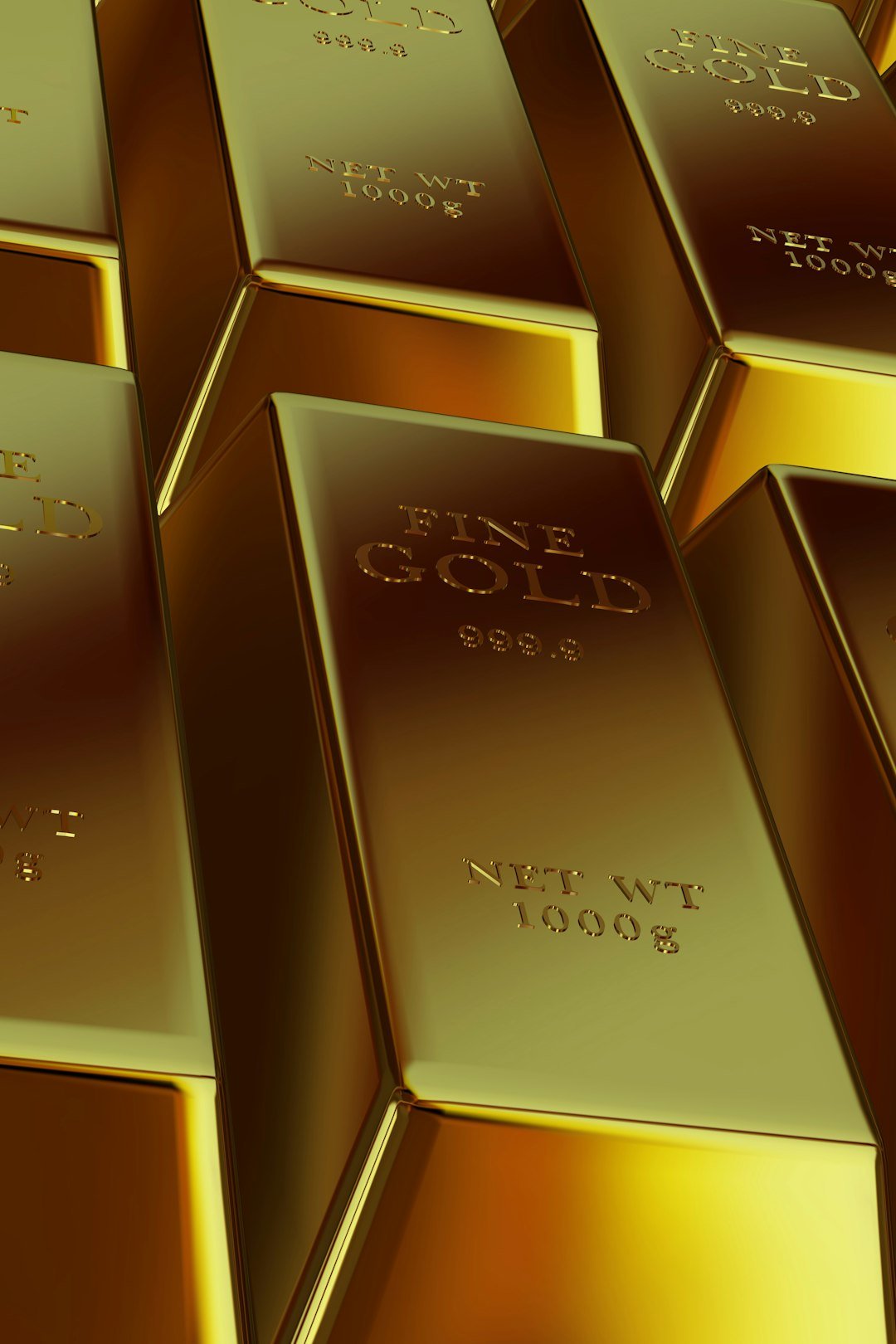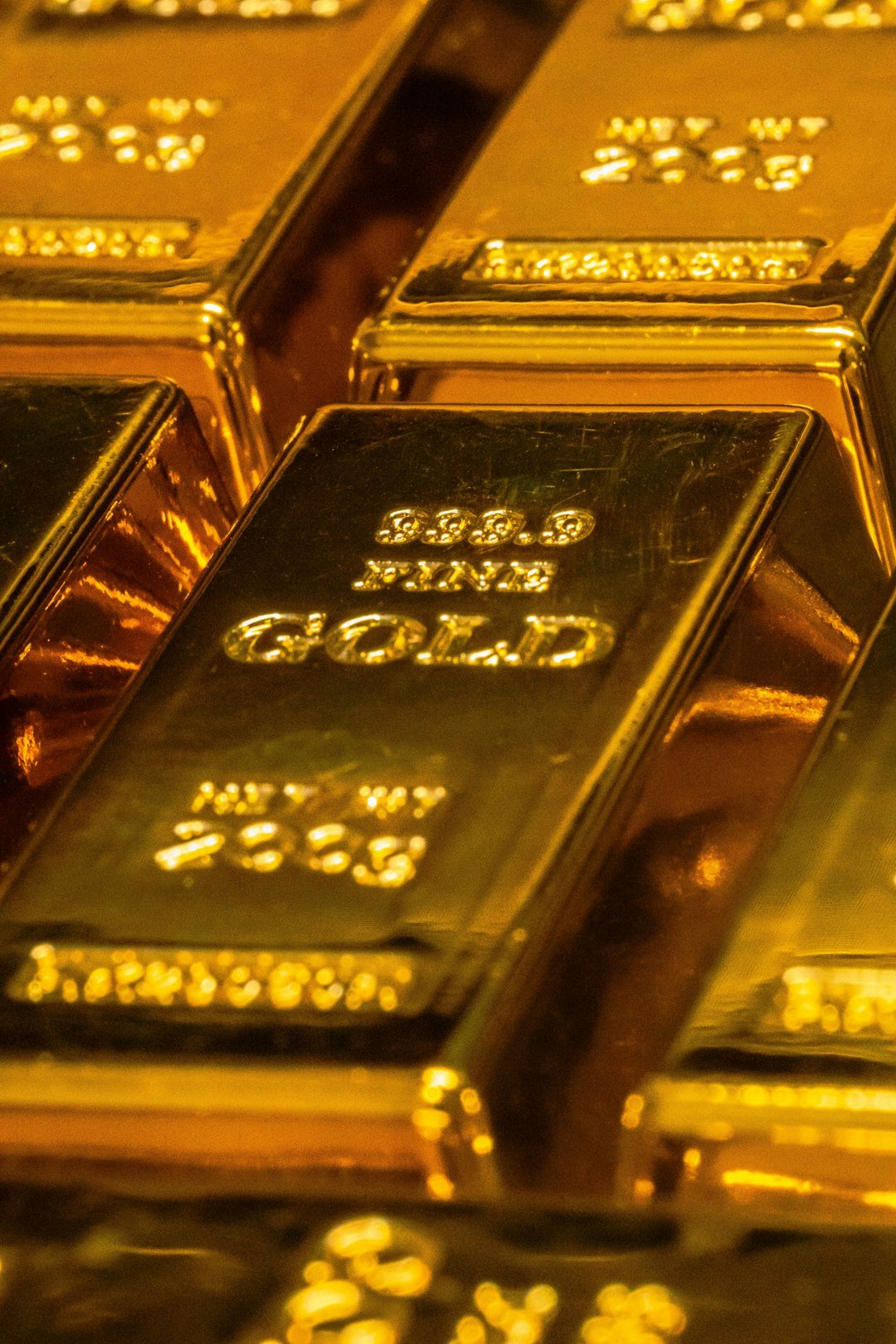
Have you heard that spreading out your investments is key to managing risk? Precious metals like gold, silver, platinum, and palladium are gaining attention. They’re seen as a smart way to diversify your portfolio, thanks to economic uncertainty.
As the world’s markets link up more, precious metals don’t move with just one economy. This makes them a solid choice for your portfolio. Adding international diversification with precious metals can protect you from inflation, market ups and downs, and other financial dangers.
Key Takeaways
- Diversifying your portfolio internationally can reduce financial risk.
- Precious metals like gold, silver, platinum, and palladium offer a stable investment option.
- International diversification with precious metals can hedge against inflation and market volatility.
- A well-diversified portfolio can include a mix of different asset classes, including precious metals.
- Investing in precious metals requires understanding the global market trends.
The Fundamentals of Portfolio Diversification
A well-diversified portfolio is key to a good investment plan. By spreading your money across different types of investments, you lower your risk. This is very important when you add precious metals to your mix.
Understanding Risk Management Through Asset Allocation
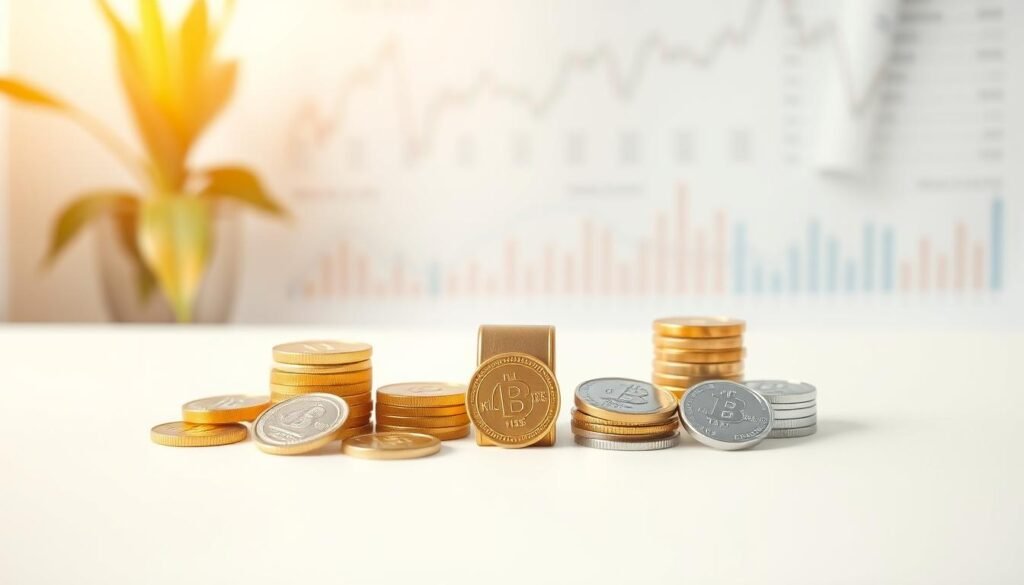
Risk management is vital in investing. Asset allocation helps manage risk by spreading investments across different types. This includes stocks, bonds, and precious metals. The aim is to balance risk and reward, keeping your portfolio stable during market ups and downs.
To diversify your portfolio, consider different asset classes. For example:
- Stocks can offer high returns but are riskier.
- Bonds are more stable, providing steady income.
- Precious metals, like gold and silver, can protect against inflation and market volatility.
The Correlation Factor in Investment Portfolios
The connection between different assets is crucial for diversification. Assets that don’t move together can lower your portfolio’s risk. For instance, when stocks fall, precious metals might rise, balancing out losses.
How Diversification Reduces Volatility
Diversification can greatly reduce portfolio volatility. By mixing assets with different risk levels, you can stabilize returns over time. Here are some benefits:
- Reduced risk: Spreading investments across various assets lowers the risk of any single investment.
- Smoother returns: A diversified portfolio can offer more consistent returns over the long term.
- Protection against market downturns: Precious metals can safeguard your portfolio during economic uncertainty.
In summary, understanding and applying portfolio diversification is essential for managing risk and achieving long-term investment success. By wisely allocating your investments and considering precious metals, you can build a strong and resilient portfolio.
Why Precious Metals Matter in a Diversified Portfolio
Understanding the role of precious metals in diversifying your portfolio is crucial. Economic uncertainty can greatly affect your investments. That’s where precious metals come in.
Precious metals act as a safe haven during economic downturns. They help stabilize your portfolio. Their value often goes up when other assets fall, making them key for a well-rounded investment strategy.
Historical Performance During Economic Uncertainty
Precious metals have shown their strength during economic uncertainty. For example, during the 2008 financial crisis, gold prices soared. Investors turned to safe-haven assets like gold.
The Unique Properties of Precious Metals as Assets
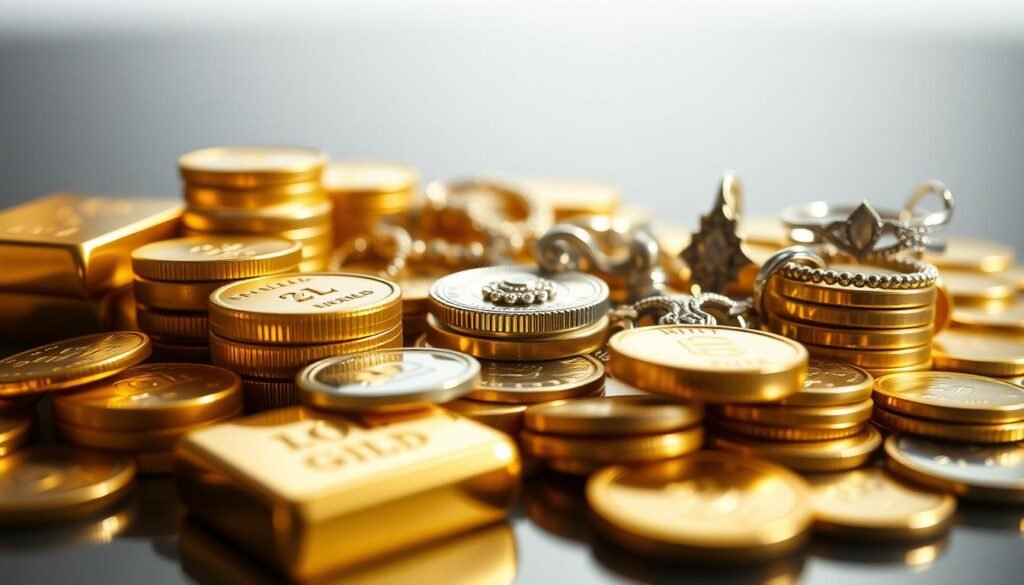
Precious metals are unique assets. They are tangible, rare, and have industrial uses. These qualities add to their value.
Inflation Hedging Capabilities
Precious metals are great at protecting against inflation. When inflation goes up, the value of precious metals usually increases. This helps keep your purchasing power steady.
The table below shows how precious metals have performed during inflation:
| Metal | Average Return During Inflationary Periods | Standard Deviation |
|---|---|---|
| Gold | 8.5% | 12.1% |
| Silver | 10.2% | 15.6% |
| Platinum | 7.1% | 10.5% |
As the table shows, precious metals have been a strong defense against inflation. They are a valuable part of a diversified portfolio.
Gold: The Cornerstone of Precious Metal Investments
Gold is a top choice for precious metal investments. It’s known for its long history, versatility, and key role in investment portfolios. But what makes gold so unique?
Gold’s Historical Role as a Store of Value
Gold has been a symbol of wealth for centuries. It’s valued across cultures and economies. Central banks and investors use gold to keep wealth safe and reduce risk.
Gold’s history is rich. It was used for coins and jewelry by ancient civilizations. It was also a standard for currency in many countries. In times of economic uncertainty, gold is always in demand as a safe asset.
Modern Applications in Investment Portfolios
In today’s investment world, gold has many uses. It helps protect against inflation, currency changes, and market ups and downs. Investors add gold to their portfolios to spread out risk and diversify.
Gold is used in several ways in modern portfolios. Investors can buy gold bullion or coins directly. They can also invest in gold ETFs or mutual funds. Some even include gold mining stocks in their mix.
Price Drivers and Market Dynamics
The price of gold changes due to many factors. These include economic signs, world events, and market mood. Knowing these can help investors make smart choices.
Key factors that affect gold’s price include:
- Economic uncertainty and world tensions.
- Central bank actions and interest rates.
- Changes in currency values, like the US dollar.
By watching these factors, you can make better choices in the gold market. This helps you make more informed investment decisions.
Beyond Gold: Silver, Platinum, and Palladium
Gold is a key part of precious metal investments, but silver, platinum, and palladium offer unique chances for diversification. Each metal has its own traits and market forces.
Silver: Industrial Demand Meets Investment Appeal
Silver is not just a precious metal but also a key industrial material. Its ability to conduct electricity makes it vital for electronics and solar panels. This dual role can affect silver’s price.
Key factors influencing silver prices:
- Industrial demand
- Investment demand
- Mining production levels
Platinum and Palladium: The Industrial Precious Metals
Platinum and palladium are mainly used in car catalytic converters to cut emissions. Their prices are linked to car sales and emission rules.
“The demand for platinum and palladium is heavily influenced by the automotive industry, making their prices sensitive to changes in emission standards and vehicle production levels.”
Comparative Analysis of Precious Metal Performance
Gold, silver, platinum, and palladium have different market dynamics. Here’s a quick look at their characteristics:
| Metal | Primary Uses | Market Drivers |
|---|---|---|
| Gold | Investment, Jewelry | Economic uncertainty, Investor sentiment |
| Silver | Industrial applications, Investment | Industrial demand, Investment demand |
| Platinum | Automotive, Jewelry | Automotive industry health, Emission regulations |
| Palladium | Automotive | Automotive production, Emission standards |
Knowing these differences is key to smart investing. Diversifying across these metals can make your portfolio stronger and more adaptable to market changes.
Investment Vehicles for Precious Metals
There are many ways to invest in precious metals. Each option has its own benefits and things to think about. You can pick from physical metals, ETFs, mining stocks, or futures contracts. This depends on what you want to achieve and how much risk you’re willing to take.
Physical Ownership: Bullion, Coins, and Bars
Buying physical bullion, coins, or bars is a direct way to invest in precious metals. This gives you tangible ownership. It can protect your money from inflation or when currencies lose value. Coins like the American Gold Eagle or Canadian Silver Maple Leaf are popular choices.
Exchange-Traded Products: ETFs and ETNs
For a less direct way to invest, ETFs and ETNs are good alternatives. They follow the price of precious metals. This lets you invest without having to hold the metals. SPDR Gold Shares is a well-known gold ETF that tracks gold prices.
Mining Stocks and Mutual Funds
Investing in mining stocks or mutual funds focused on precious metals can give you leveraged exposure. Companies like Barrick Gold and Newmont Corporation are big in gold mining. Mutual funds spread your money across many mining companies, which can help diversify your investment.
Futures and Options Contracts
For those who like to take on more risk, futures and options contracts on precious metals are options. They let you speculate on price changes or protect against losses. These derivatives are traded on places like the COMEX division of the New York Mercantile Exchange. They offer a way to get into precious metals with flexible leverage.
When picking how to invest in precious metals, think about your goals, how much risk you can handle, and what each option offers. Spreading your money across different ways to invest can help manage risk and might improve your returns.
International Markets for Precious Metals
Exploring international markets for precious metals is key. The global market is complex but full of chances for investors. It’s a system that connects many markets, offering great opportunities.
Major Trading Hubs: London, New York, Shanghai, and Zurich
The big players in precious metals trading are London, New York, Shanghai, and Zurich. Each has its own strengths. London is famous for its history and big market. New York is known for its high trading volumes.
Shanghai is growing fast, thanks to China’s big role in metals. Zurich is known for its safe and reliable trading.
Regional Price Differences and Arbitrage Opportunities
Prices can vary by region, leading to arbitrage chances. Arbitrage means buying low and selling high. It needs quick action and market smarts.
By keeping up with prices, you can make the most of these differences. This can help you grow your investment.
24-Hour Market Advantages for Global Investors
The precious metals market trades almost all day. This lets you act fast on news from anywhere. It means more chances to buy or sell at good prices.
With the market open 24 hours, you can always be ready. This flexibility helps you reach your financial goals.
By getting to know these markets, you can improve your precious metals investment. Use the global scene to your advantage and reach your goals.
Geographical Diversification in Mining Investments
Spreading your mining investments across different places can make your portfolio stronger and more likely to grow. This way, you can avoid risks from market changes, new rules, and economic slowdowns.
North American Mining Operations
North America has a well-established mining industry, with big operations in the U.S. and Canada. It’s known for a stable set of rules and good infrastructure. This makes it a great place for mining investments. Gold and silver mining are big here, with many big companies.
South African and African Mining Sector
South Africa is famous for its mining, mainly gold and platinum. Africa has lots of minerals, offering chances for investors. But, there are also challenges like poor infrastructure and different rules.
Australian and Asian Pacific Mining Companies
Australia is a big name in mining, with lots of gold, iron ore, and more. The Asian Pacific, like Papua New Guinea, also has mining chances. It’s because of the area’s rich minerals.
South American Precious Metal Production
South America is full of minerals, with Peru, Chile, and Argentina leading in mining. It’s a top spot for gold and copper, with many global mining companies there.
By investing in mining across these areas, you can make a portfolio that’s more stable. It’s ready to handle market ups and downs and find new growth in precious metals.
Currency Considerations in International Precious Metal Investments
When you add international precious metals to your portfolio, knowing about currency is key. Changes in currency value can greatly affect your investment’s worth. It’s vital to think about currency when planning your investment strategy.
The Dollar-Gold Relationship
The link between the US dollar and gold is very important in the precious metals market. Gold is often seen as a safe investment, and its price usually goes up when the dollar goes down. This pattern isn’t always the same, but it’s a trend investors should know about.
Knowing this relationship helps you make better investment choices. For example, if you buy gold outside the US, changes in the dollar’s value can change the price you pay or get for your gold. This is true even if the gold itself doesn’t change in value.
Currency Hedging Strategies for International Investors
To lessen the risks of currency changes, international investors use hedging strategies. Hedging means taking a position to offset the risk of another position. For example, if you own gold priced in US dollars but live in Europe, you might use financial tools to protect against changes in the EUR/USD rate.
Good hedging can shield your investment from bad currency moves. There are many hedging tools, like forward contracts, futures, options, and swaps. The right one for you depends on your investment goals and how much risk you can take.
Emerging Market Currencies and Precious Metal Performance
Investors should also think about how emerging market currencies affect precious metals. Currencies from new economies can be more unpredictable, which can change the price of precious metals in those areas. For example, mining in countries with unstable currencies might face higher costs, which could affect the global price of the metals they mine.
Grasping these connections can help you make smarter choices about your international precious metal investments. By understanding how currencies and precious metals interact, you can better handle the challenges of global investment markets.
Allocation Strategies: How Much of Your Portfolio in Precious Metals?
Deciding how much of your portfolio to put in precious metals is a personal choice. It depends on your risk level, how long you plan to invest, and your financial goals. Knowing the right amount is key to diversifying your portfolio.
Conservative vs. Aggressive Allocation Models
First, you need to figure out how much risk you can handle. Conservative investors often choose a smaller amount of precious metals, around 5-10% of their portfolio. On the other hand, aggressive investors might go for a bigger share, up to 20-30%. This is to take advantage of the benefits of diversification and to protect against market ups and downs.
| Investor Type | Allocation Range | Rationale |
|---|---|---|
| Conservative | 5-10% | Lower risk tolerance, seeking stability |
| Moderate | 10-15% | Balanced risk and potential for growth |
| Aggressive | 20-30% | Higher risk tolerance, seeking higher returns |
Rebalancing Techniques for Optimal Performance
Keeping your portfolio balanced is crucial. This means checking your investments regularly and adjusting them as needed. Rebalancing techniques include selling assets that have grown too much and buying those that have dropped. This helps keep your portfolio in line with your investment goals.
Age-Based Allocation Recommendations
Your age and how long you plan to invest also affect your allocation to precious metals. Younger investors can usually take on more risk and might put a bigger part of their portfolio in precious metals. Older investors might choose a safer option to protect their money.
By understanding these strategies and thinking about your own financial situation, risk level, and goals, you can decide the right amount of precious metals for your portfolio.
Tax Implications of Precious Metal Investments
Investing in precious metals? Knowing about taxes is key to getting the most out of your investment. The tax rules change based on how you invest. And, international investments have their own tax rules to follow.
U.S. Tax Considerations for Different Investment Vehicles
In the U.S., taxes on precious metals depend on how you invest. For example, physical gold and silver are seen as collectibles by the IRS. They face a top tax rate of 28% on gains. But, gold or silver stocks, mutual funds, or ETFs are taxed like regular investments.
International Tax Considerations and Reporting Requirements
Investing in precious metals abroad can make taxes more complex. You might face taxes in both the U.S. and the country where you invested. It’s important to know the tax treaty between the U.S. and the foreign country to avoid paying too much in taxes. You might also need to file extra tax forms, like the FBAR for foreign bank accounts.
Tax-Advantaged Precious Metal Investments
There are ways to invest in precious metals that can save you on taxes. For instance, using a self-directed IRA can offer tax benefits. Gains in an IRA are tax-deferred or tax-free, depending on the IRA type. Always talk to a tax expert to understand the rules and how they apply to you.
By grasping the tax rules for your precious metal investments, you can make better choices. This might help lower your tax bill.
Storage and Security Considerations
Your precious metals are valuable assets that need secure storage. When you’ve invested in physical precious metals, keeping them safe is key to protecting your wealth.
Home Storage vs. Professional Vaulting Services
Storing precious metals at home is easy but risky. You might use a home safe or a bank’s safety deposit box. But, for more security and insurance, professional vaulting services are better.
Pros and Cons of Home Storage:
- Pros: Immediate access, no third-party risk
- Cons: Security risks, potential for loss or theft
International Storage Options and Jurisdictional Diversification
Storing your precious metals in different places can lower risks. Keeping assets in various countries can protect against local problems.
| Location | Security Features | Insurance Options |
|---|---|---|
| Switzerland | High-grade vaults | Available up to $1 million |
| Singapore | Advanced surveillance | Available up to $500,000 |
| United States | High-security facilities | Available up to $750,000 |
Insurance Options for Physical Precious Metals
Getting insurance for your precious metals against loss or theft is vital. Make sure to check insurance policies well to know what’s covered and what’s not.
Thinking about your storage and insurance needs can help keep your precious metal investments safe.
Common Mistakes to Avoid in Precious Metal Investing
When you think about adding precious metals to your portfolio, it’s key to steer clear of common errors. Investing in precious metals can be a smart way to diversify, but it needs careful thought.
Timing the Market vs. Strategic Allocation
Many investors try to guess when the market will change. But, a better strategy is to use a strategic allocation. This means setting a goal for how much of your portfolio to put into precious metals and sticking to it, no matter what the market does.
Overlooking Storage and Insurance Costs
Investing in physical precious metals means you’ll face costs for storage and insurance. Secure storage can be pricey, and insurance can add up quickly. Make sure to include these costs in your investment plans to make a smart choice.
Falling for Counterfeit Products and Scams
The market for precious metals has its share of scams and fake products. Be careful when buying physical metals. Only deal with trusted sellers. Always check the authenticity of your metals and be skeptical of offers that seem too good to be true.
Ignoring Liquidity Considerations
Liquidity is a big deal when investing in precious metals. Some options, like certain mining stocks or rare coins, might not be as easy to sell as others. Know the liquidity of your investments to avoid problems.
Conclusion
You’ve learned about investing in precious metals for a diverse portfolio. You now know how these assets can help your investment strategy. They offer unique benefits that can be very valuable.
Investing in precious metals worldwide is a smart move. It helps you protect your money from economic ups and downs. By adding gold, silver, platinum, and palladium to your portfolio, you might see better returns and lower risks over time.
Remember, spreading your investments across different countries is important. With precious metals, you can explore global markets. This can lead to better prices and more chances to make money, even when the economy is shaky.
Adding precious metals to your portfolio is a smart choice for financial security. A diverse portfolio helps you handle the challenges of global markets. It’s a step towards reaching your financial goals.