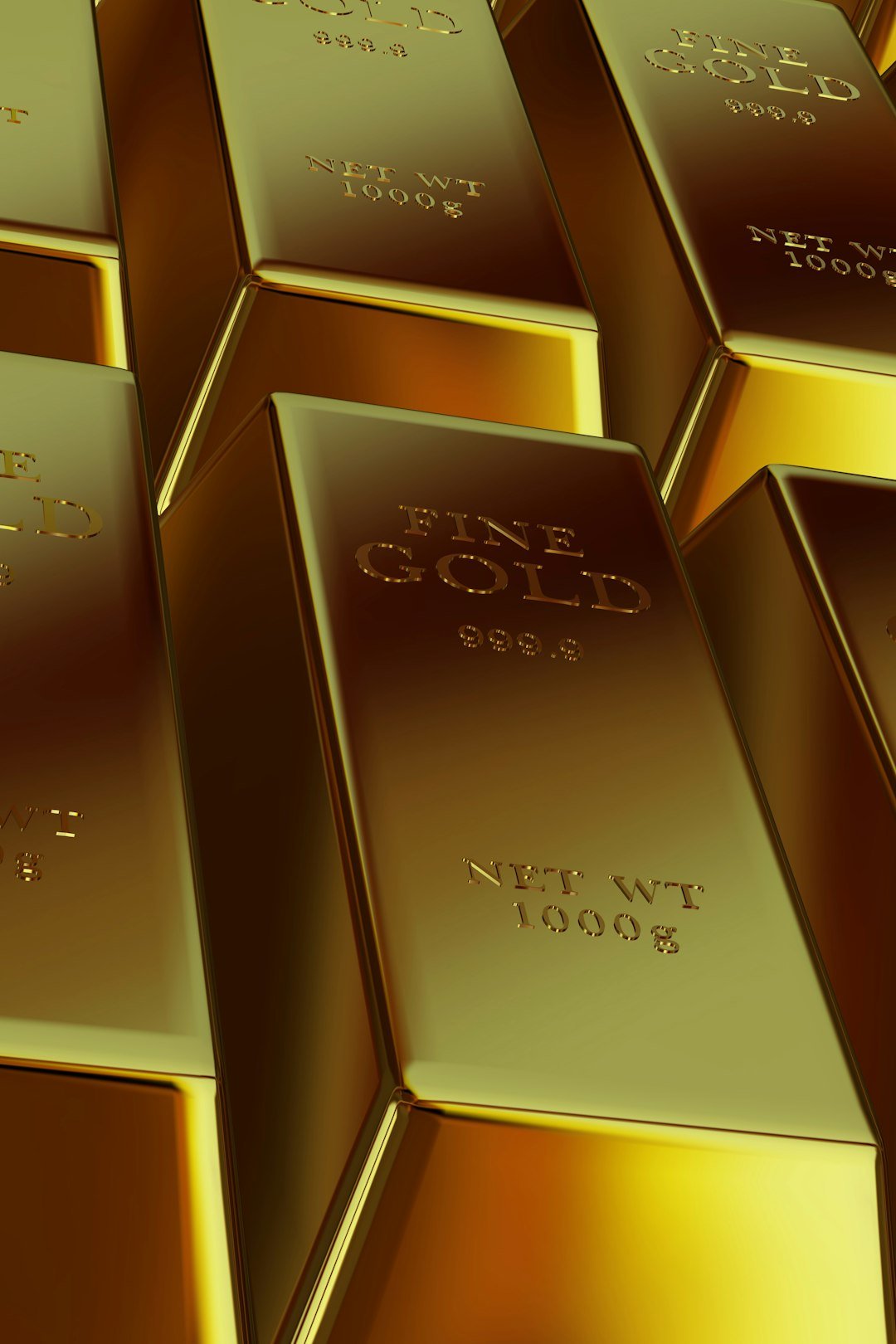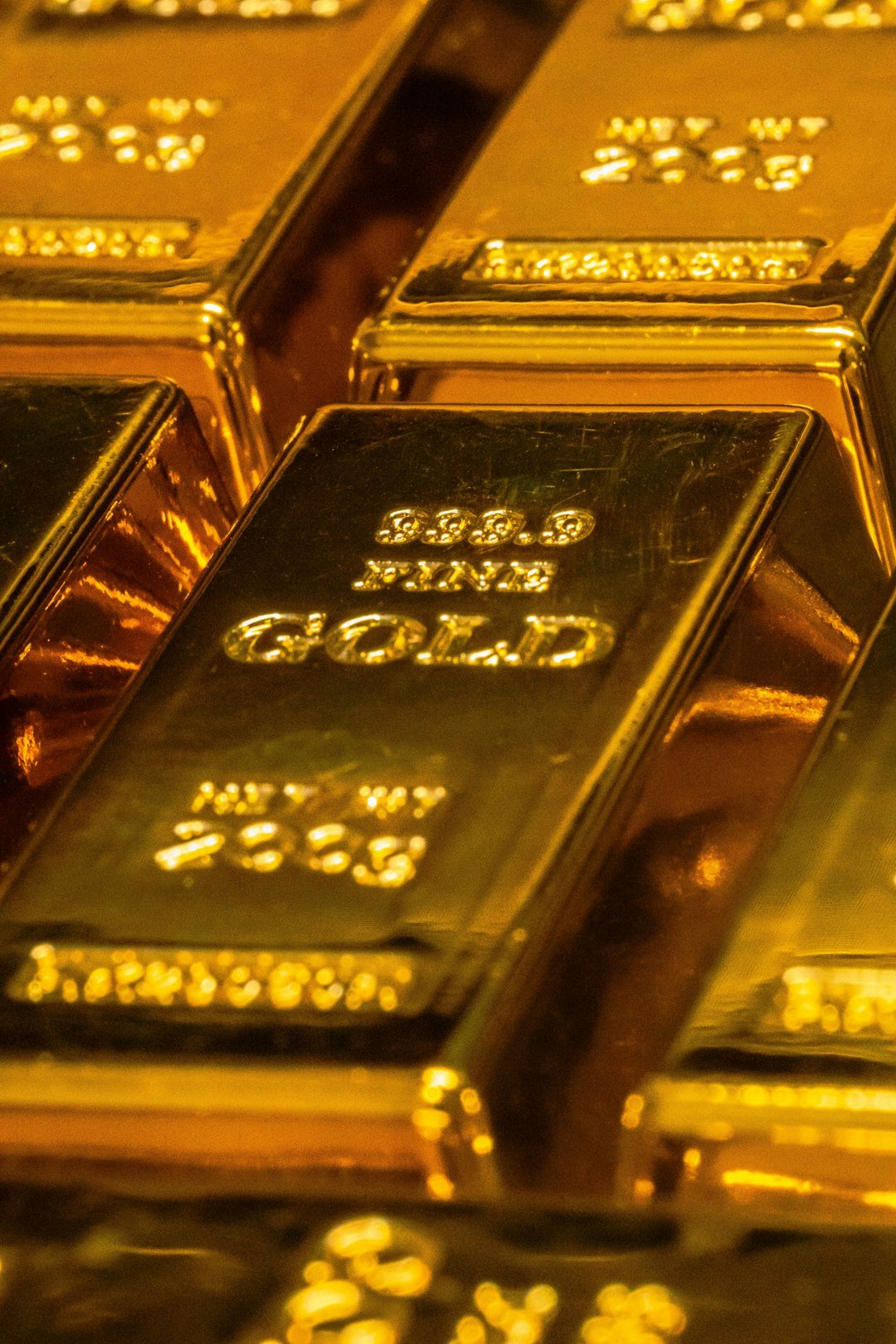
Did you know that up to 20% of gold jewelry sold online is fake? This scary fact shows why checking if precious metals are real is so crucial. It’s key when you’re spending a lot of money or investing.
Checking if metals are genuine might seem hard, but it’s doable with the right info and tools. We’ll look at easy DIY ways to check if metals are real. This includes simple looks and more complex methods.
Learning these skills helps keep your money safe and teaches you more about precious metals. It’s a win-win.
Key Takeaways
- Understand the importance of authenticating precious metals
- Learn simple DIY methods for verifying precious metal authenticity
- Discover advanced techniques for testing precious metals
- Gain confidence in your ability to make informed financial decisions
- Protect your investments by identifying counterfeit precious metals
The Value of Authentic Precious Metals
Authentic precious metals have been key to financial security and history for centuries. As an investor or collector, knowing their value is crucial for smart choices.
Financial Investment Considerations
Precious metals like gold, silver, platinum, and palladium are safe investments. They keep their value, protecting against inflation and market ups and downs. Adding them to your portfolio can spread out risk. For example, gold’s value often goes up when the economy is down, balancing out other losses.
Historical Significance of Precious Metals
Precious metals have long been valued for jewelry, coins, and decorations. They represent wealth and power, and their rarity makes them highly sought after. Their historical importance goes beyond beauty, influencing economies and cultures. Knowing this history can deepen your appreciation and guide your investment or collection choices.
Why DIY Authentication Matters
DIY authentication is key in today’s market. It helps protect against counterfeit precious metals. As an investor, knowing your items are real is vital for your financial safety.
Why is DIY authentication so important? The risk of not checking your metals is high. Counterfeit items can look real, making it hard to spot them without the right tools.
Avoiding Counterfeit Purchases
When you buy precious metals, be careful. Counterfeiters prey on unsuspecting buyers. It’s crucial to check if what you’re buying is real. Here are some tips:
- Buy from reputable dealers
- Check for hallmarks and stamps
- Use authentication tools
By being careful and using the right steps, you can avoid buying fake metals.
Verifying Your Current Collection
If you already have precious metals, checking their authenticity is just as important. There are many ways to verify if your items are genuine. Here’s a look at some common methods:
| Method | Accuracy | Ease of Use |
|---|---|---|
| Visual Inspection | Medium | Easy |
| Magnet Test | High | Easy |
| Acid Testing | High | Moderate |
| Density Testing | High | Moderate |
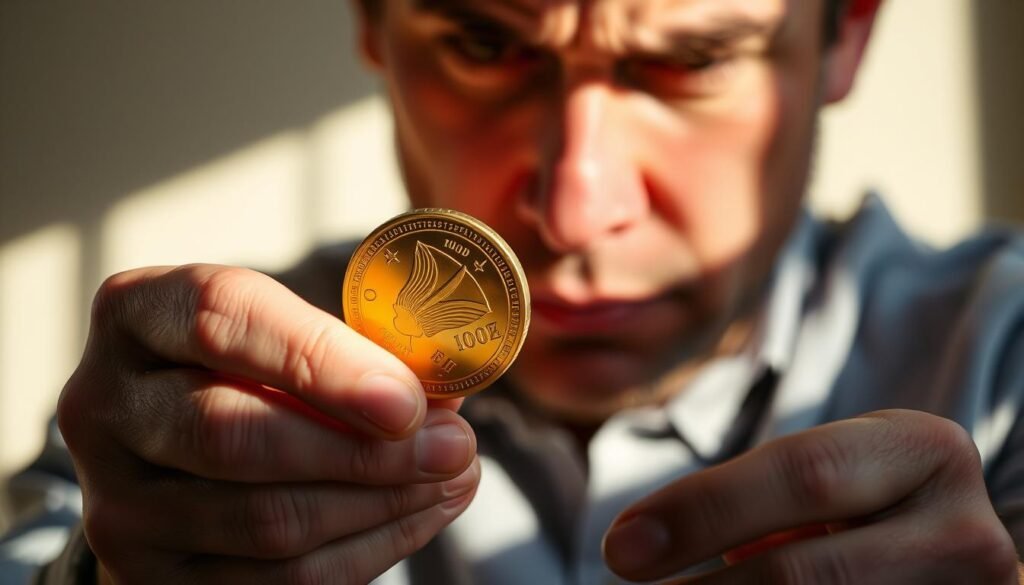
By learning and using these methods, you can be sure your metals are real.
Take control of your precious metal investments today by implementing DIY authentication techniques.
Essential Tools for DIY Metal Authentication
To check if metals are real, you need the right tools. As a collector or investor, the right gear makes sure your metals are genuine. It also helps you understand their value and what makes them special.
Basic Equipment Every Collector Needs
You’ll first need a digital scale and calipers. These tools help measure the weight and size of your metals. They make sure the metal’s density and size match what it should be.
- Digital scales for precise weight measurement
- Calipers for accurate dimension measurement
Advanced Tools for Serious Collectors
If you’re serious about your collection, you’ll want more advanced tools. These tools give deeper insights into your metals’ authenticity and quality.
Digital Scales and Calipers
High-quality digital scales and calipers are key for better authentication. They give you precise measurements. These are important for checking if metals are real.
| Tool | Purpose | Importance Level |
|---|---|---|
| Digital Scales | Weight Measurement | High |
| Calipers | Dimension Measurement | High |
Magnification Tools
Magnification tools like jeweler’s loupes or microscopes are great. They let you see hallmarks, stamps, and other signs of authenticity up close.
“A good jeweler’s loupe can reveal details that are invisible to the naked eye, helping you verify the authenticity of your precious metals.”
With these essential tools, you’ll be ready to check your metals with confidence.
Understanding Gold Purity Standards
Gold purity standards vary around the world. Knowing these differences helps protect your investment. It’s key to understand how gold purity is measured and marked when buying or selling.
Karat System Explained
The karat system is the main way to measure gold purity. Pure gold is 24-karat, but it’s often mixed with other metals for strength. The karat rating shows how much gold is in the mix.
International Gold Marking Standards
Each country has its own rules for marking gold purity. It’s important to know these standards to check if gold is real.
American Markings
In the U.S., gold is marked with a karat rating (like 10K, 14K, 18K) and sometimes a fineness marking (like 583 for 14K). These signs are usually on the clasp or back of jewelry.
European Hallmarks
European countries use special marks to show gold purity. These marks include the maker’s sign, the assay office mark, and a fineness mark. For example, 750 means 18-karat gold.
| Country | Hallmark for 18K Gold |
|---|---|
| United States | 18K, 750 |
| Europe | 750 |
Knowing these international gold marking standards helps you check if your gold is real. It also helps when you’re buying or selling gold.
Silver Authentication Fundamentals
Silver authentication is key to knowing if your silver items are real and valuable. It’s important for collectors, investors, and anyone who loves silver. Learning how to check if silver is genuine is a must.
Sterling vs Fine Silver
Silver has different purities, like sterling and fine silver. Sterling silver is 92.5% silver and 7.5% other metals, like copper. This makes it stronger. Fine silver is almost pure, at 99.9% silver. Knowing the difference is important for checking authenticity.
Common Silver Hallmarks
Silver items often have hallmarks that show their purity. You’ll see “925” for sterling silver and “999” for fine silver. Other marks might show who made it or where it’s from.
Silver Coin Authentication
Checking silver coins involves looking at their weight, size, and mint marks. Real coins have exact dimensions and weight. Also, check the coin’s surface for wear or tampering signs.
| Type of Silver | Purity | Common Hallmarks |
|---|---|---|
| Sterling Silver | 92.5% | 925, STERLING |
| Fine Silver | 99.9% | 999, FINE SILVER |
Platinum and Palladium Verification Techniques
To check if your platinum and palladium items are real, you need to know their unique traits. These metals are rare and have many uses. They belong to the platinum group.
Distinguishing Features of Platinum
Platinum is very dense and heavy, with a silver-white color. It doesn’t corrode easily and has a high melting point. Its natural white color doesn’t tarnish like silver.
When checking platinum, look for marks like “Pt,” “Plat,” or “950Pt.” These show its purity.
Palladium Testing Methods
Palladium is less dense than platinum but still has a high melting point. To test it, you can visually inspect it and use chemical tests. It’s often marked with “Pd” or “950Pd.”
A simple acid test can tell palladium apart from other metals. It reacts differently to acids.
Knowing these features and testing methods helps you verify your platinum and palladium items. This ensures they are genuine and valuable.
Visual Inspection Techniques
Your eyes are powerful tools for checking precious metals. A detailed visual check can show a lot about their authenticity and quality.
Identifying Authentic Hallmarks
When checking precious metals, look for authentic hallmarks. These marks show the metal’s purity. For example, gold is marked as “14K” or “585” for 14-karat gold. Find these marks on the clasp, back, or other hidden spots.
Here’s a table of common hallmarks for gold, silver, and platinum:
| Metal | Common Hallmarks |
|---|---|
| Gold | 14K, 585, 750, 18K |
| Silver | Sterling, 925, 800 |
| Platinum | Pt950, 950Pt, Platinum |
Spotting Suspicious Visual Indicators
Counterfeiters often make mistakes that can be spotted. Look for signs of wear that don’t match the item’s age or history. Be cautious of items that seem too shiny or new, as they might have been plated or altered recently.
- Check for uneven or sloppy craftsmanship
- Look for signs of filing or grinding on the surface
- Verify that the hallmarks are stamped correctly and not too easily removable
Using Magnification Effectively
A magnifying glass or jeweler’s loupe is a great tool for visual checks. Use magnification to look at the item’s details, like hallmarks, craftsmanship, and texture. This can reveal signs of counterfeiting that are hard to see with the naked eye.
By using these visual inspection methods, you can greatly improve your chances of authenticating precious metals. Remember, a careful visual check is just the first step in confirming the authenticity of your precious metals.
The Magnet Test for Gold and Other Precious Metals
Want to know if your precious metals are real? Start with a simple magnet test. It’s a basic way to check if your gold or other metals are genuine.
How Magnetism Affects Different Metals
Metals react differently to magnets. Pure gold doesn’t get pulled by magnets. But, gold alloys or fake gold might be attracted because they have metals like iron or nickel.
Some fake items, like certain stainless steels, can really stick to magnets.
Key Points to Remember:
- Gold is not magnetic, but some gold alloys might be.
- Counterfeit items may contain magnetic metals.
- Not all non-magnetic metals are gold; other non-precious metals can also be non-magnetic.
Performing an Accurate Magnet Test
To do a magnet test, grab a strong magnet. Hold it near the item you’re testing. If it pulls towards the magnet, it might not be pure gold or could be fake.
Tip: Use a rare-earth magnet for a stronger pull. It helps spot even slight magnetic signs.
Limitations of Magnetic Testing
The magnet test is useful but has limits. Many fake items look like gold but don’t attract magnets. So, if it doesn’t pull, it doesn’t mean it’s real.
To really check, mix the magnet test with other tests like acid or density tests.
Density Testing for Precious Metals
To make sure your precious metals are real, using density testing is smart. This method checks if metals are genuine by looking at their mass and volume. It’s great for spotting fake precious metals.
Specific Gravity Test Procedure
The specific gravity test compares the metal’s density to water’s. First, weigh the metal in air. Then, weigh it while it’s in water. The weight difference shows the specific gravity.
Water Displacement Method
The water displacement method is another way to test density. It measures how much water the metal displaces when it’s submerged. By comparing the metal’s weight to the water volume, you can find its density.
| Metal | Density (g/cm³) |
|---|---|
| Gold | 19.3 |
| Silver | 10.5 |
| Platinum | 21.45 |
Interpreting Density Test Results
After a density test, compare the results to known metal densities. If the numbers don’t match, the metal might be fake or an alloy.
Density testing helps you trust your precious metals. It’s useful for both seasoned collectors and new investors. This method is a key tool for checking if metals are real.
Acid Testing: A Comprehensive Guide
Acid testing is a simple yet effective way to check if your precious metals are real. It’s a common method used by collectors and investors to confirm the authenticity of gold, silver, and other metals.
Safety Precautions for Acid Testing
It’s important to be safe when acid testing. Wear gloves, safety glasses, and a mask to protect yourself from skin contact and inhaling fumes. Make sure your area is well-ventilated to avoid harmful vapors.
- Wear protective gloves and safety glasses
- Use a mask to avoid inhaling fumes
- Work in a well-ventilated area
Step-by-Step Acid Test Procedure
To start an acid test, you need a testing kit with acids and a touchstone. Here’s how to do it:
- Pick the right acid for the metal you’re testing
- Scratch the metal on the touchstone to create a streak
- Put a small amount of acid on the streak
- Watch the reaction and compare it to what you expect
Reading Acid Test Results Accurately
Understanding acid test results is key. You need to know how color changes or reactions show what metal you have.
Gold Acid Test Color Guide
For gold, the acid test shows the karat weight by color. A white or light color means 14K or higher. But a brown or greenish color might mean lower karat or a different metal.
Silver Acid Test Indicators
Testing silver, the acid usually makes a white precipitate if it’s real sterling silver. A different reaction could mean lower silver content or a fake.
By following these steps and being careful, you can use acid testing to check your precious metals. Remember, it takes practice, so don’t get discouraged if it’s not perfect at first.
Electronic Testing Devices for Precious Metals
Electronic testing devices have changed how we check precious metals. They offer precision and ease. For collectors or investors, the right tools are crucial for verifying precious metals.
XRF Analyzers and Their Capabilities
X-Ray Fluorescence (XRF) analyzers use X-rays to check a material’s elements. They’re great for precious metals, showing purity and composition details.
One big plus of XRF analyzers is they don’t harm the metal. This keeps the metal’s value and quality safe.
Ultrasonic Testing Options
Ultrasonic devices send high-frequency sound waves to check metal thickness and quality. They’re good for finding internal flaws or fake metals that sound like real ones.
These tools are portable and simple to use. They’re great for both experts and serious collectors.
Cost-Benefit Analysis of Electronic Testers
Electronic testers are accurate and convenient but can be expensive. XRF analyzers, for example, cost from a few thousand to several thousand dollars. This depends on their features and abilities.
It’s important to think about the cost versus the benefits. For those who often use these devices or have big investments in precious metals, they can be worth it. They help ensure the authenticity of their metals.
In summary, tools like XRF analyzers and ultrasonic testers are key for checking precious metals. They might be a big investment, but they offer accurate, safe testing. This is very valuable for serious collectors and investors.
Authenticating Gold Coins and Bullion
Investing in gold coins and bullion means you must check their realness. Fake gold can look very real, making it hard to tell the difference. It’s key to make sure what you buy is genuine.
First, learn what real gold coins and bullion look like. Knowing this helps you spot fake items during the check process.
Common Gold Coin Counterfeits
Fakes often mimic well-known coins like the American Gold Eagle or the Canadian Gold Maple Leaf. To find a fake, look for:
- Incorrect weight or dimensions
- Lack of official mint marks or hallmarks
- Poor quality minting or uneven surfaces
Using a magnifying glass or a jeweler’s loupe can help you see these details better.
Gold Bar Authentication Steps
Checking gold bars involves looking at their weight, size, and hallmarks. You should:
- Check the weight using a precise scale
- Measure the dimensions to ensure they match the specifications
- Verify the presence of authentic hallmarks or stamps from the refiner
You can also use electronic tools, like XRF analyzers, to check the gold’s makeup.
Weight and Dimension Verification
Checking the weight and size of gold items is simple but effective. Real gold will have exact measurements as stated.
By following these steps and staying alert, you can be sure your gold is real. This keeps your investment safe from fakes.
Jewelry Authentication Techniques
Authenticating jewelry made from precious metals needs knowledge and the right methods. You must know the traits of different metals and how to spot them.
Testing Gold Jewelry
First, look for hallmarks or stamps on gold jewelry that show its karat weight. Do a magnet test to see if the jewelry is drawn to a magnet; gold isn’t magnetic, so attraction means it might be fake. Use a gold testing kit with nitric acid and aqua regia to check its realness.
Silver Jewelry Verification
For silver jewelry, look for hallmarks like “925” to know it’s sterling silver. Use a silver test with a silver testing solution. Also, check the jewelry’s weight; silver is dense, so if it feels too light, it’s likely not real.
Gemstone Considerations in Precious Metal Jewelry
When checking jewelry with gemstones, think about the gemstone type and its setting. Make sure the gemstone is well-set and there are no signs of fake enhancements. Learning about the gemstone helps verify its authenticity.
By using these methods, you can be sure about your precious metal jewelry’s authenticity and value.
Common Counterfeit Methods to Watch For
Counterfeiters are getting smarter, making it key to know their tricks. Understanding these methods helps you make smart choices when dealing with precious metals.
Gold-Plated Counterfeits
One trick is gold-plating base metals. This makes them look like real gold. Be careful of items that cost less than real gold or feel too heavy or light.
Tungsten-Filled Gold Items
Another trick is filling gold items with tungsten. Tungsten makes them feel heavy. But, checking the item’s weight and craftsmanship can expose the truth.
Silver-Plated Base Metals
Counterfeiters also use silver-plating to fake silver items. They coat base metals with silver to look like sterling silver. Check for purity hallmarks and be cautious of very cheap items.
Fake Hallmarks and Stamps
They also use fake hallmarks to trick people. Learn the real hallmarks from trusted makers. A magnifying glass can help you see these marks better.
When to Seek Professional Authentication
As a collector or investor, you might wonder when to get help from professionals for your precious metals. DIY methods are helpful, but sometimes, you really need a pro.
Finding Reputable Authentication Services
To find a good authentication service, look for ones with the Professional Numismatists Guild (PNG) or International Precious Metals Institute (IPMI) seal of approval. These groups have strict standards for their members. This means you get top-notch service.
Understanding Authentication Certificates
Authentication certificates tell you a lot about your precious metal. They show its purity, weight, and sometimes where it came from. Make sure the certificate is from a trusted third-party service.
| Certificate Feature | Description | Importance Level |
|---|---|---|
| Issuer Reputation | Certificate issued by a well-known and respected organization | High |
| Detailed Description | Includes specifics about the metal, such as purity and weight | High |
| Unique Identifier | A serial number or other unique identifier for the item | Medium |
| Security Features | Watermarks, holograms, or other anti-counterfeiting measures | High |
Cost Considerations for Professional Testing
The price for professional authentication can change a lot. It depends on the metal, its value, and the service. Even though it costs more, it’s worth it. It makes sure your investments are real and valuable.
Storing and Protecting Your Authenticated Precious Metals
After checking if your precious metals are real, think about how to keep them safe. The right storage keeps your investment safe and your metals in top shape.
Optimal Storage Conditions
Keep your precious metals in a cool, dry spot. Stay away from sunlight and moisture. Use a safe or a bank’s security box for extra protection.
Insurance Considerations
It’s smart to insure your precious metals against loss or theft. Check if your home or renter’s policy covers them. If not, look into a special policy for your collection.
Documentation Best Practices
Keep detailed records of your precious metals. Note the type, weight, and purity of each. Also, record any hallmarks or serial numbers.
Store receipts, certificates of authenticity, and other important papers safely.
| Storage Option | Security Level | Cost |
|---|---|---|
| Home Safe | High | Moderate |
| Bank Safe Deposit Box | Very High | Low to Moderate |
| Professional Storage Facility | Extremely High | High |
Conclusion
You now have the knowledge and tools to check if precious metals are real. This lets you control your investments and make smart choices. By using the DIY tips from this article, you can be sure about your gold, silver, platinum, and palladium.
Knowing how to check precious metals is more than a skill. It’s a way to take control of your money. It keeps your assets safe and makes your financial future more secure. Whether you’re a seasoned collector or new to investing, this skill is very useful.
Keep learning and you’ll be ready for anything in the world of precious metals. With these tips, you’re all set to protect your financial future.