Did you know millions of dollars in gold items are appraised wrong every year? This mistake leads to big financial losses for their owners. Knowing how to value your precious items is key, whether for insurance, inheritance, or selling them.
Finding an appraiser who knows the market value and condition of your items is important. They should also understand the rarity and other factors that affect value. With the right appraiser, you can trust that your gold is valued correctly. This confidence helps you make smart choices about its future.
Key Takeaways
- Professional appraisals are essential for accurate gold valuations.
- The right appraiser can significantly impact the determined value of your gold items.
- Factors such as condition, rarity, and market demand influence the valuation.
- Accurate valuations are crucial for insurance, inheritance, and resale purposes.
- Understanding the appraisal process empowers you to make informed decisions.
The Importance of Professional Gold Valuations
Professional gold valuations are key to protecting your investments and future. Getting your gold appraised by a pro gives you a detailed value assessment. This is crucial for making many financial decisions.
Why Accurate Appraisals Matter
Accurate appraisals are important for your protection and knowledge. Professional appraisals give you the needed documents to safeguard your investments. They ensure you get fair compensation if your gold is lost or damaged. These documents are essential for insurance, estate planning, and when you buy or sell gold.
Common Scenarios Requiring Gold Appraisals
There are many times when you need a professional gold appraisal. These include:
Insurance Documentation
An accurate appraisal helps you get the right insurance. It makes sure you’re not under- or over-insured.
Estate Planning and Inheritance
Gold appraisals are key for fair asset distribution in estate planning.
Buying and Selling Decisions
When buying or selling gold, a professional appraisal is vital. It tells you the true value of the gold you’re dealing with.
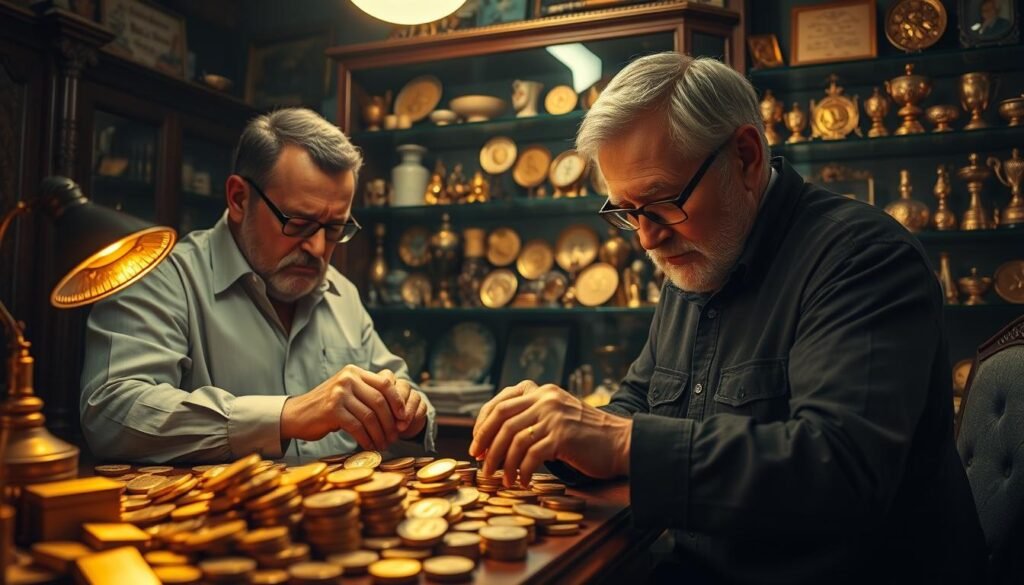
Understanding the value of professional gold valuations helps you make smarter choices. Whether for insurance, estate planning, or buying and selling, getting a professional appraisal is crucial.
Understanding What Gold Appraisers Actually Do
Gold appraisers are key in figuring out what your valuable items are worth. But, you might wonder what they actually do. Their work is quite detailed and requires a lot of expertise.
The Appraiser’s Role and Responsibilities
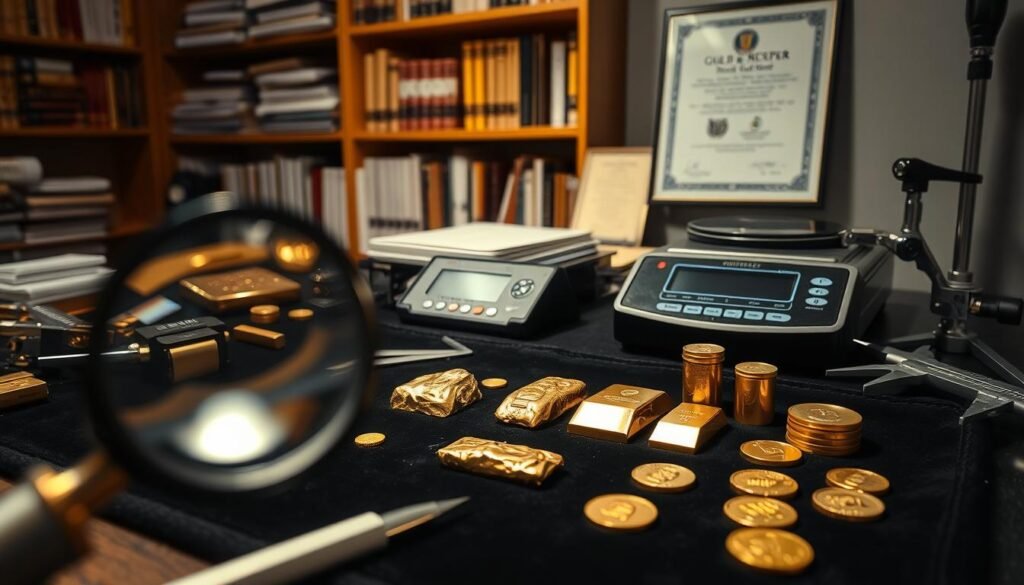
A gold appraiser’s main job is to give a fair and precise value of your gold items. They check each item closely with special tools like jeweler’s loupes, digital scales, and gemological microscopes.
Different Types of Gold Appraisal Services
Gold appraisal services can change based on why you need the appraisal. Here are some common ones:
- Insurance appraisals
- Estate appraisals
- Divorce or inheritance appraisals
- Market value appraisals
Each appraisal has its own needs and things to think about.
Limitations of Appraisal Services
Even though gold appraisers try their best, there are limits to what they can do. For example, changes in the market can make the appraisal less accurate over time.
| Type of Appraisal | Purpose | Key Considerations |
|---|---|---|
| Insurance Appraisal | Determine value for insurance purposes | Replacement cost, market value |
| Estate Appraisal | Valuate assets for estate distribution | Fair market value, tax implications |
| Divorce or Inheritance Appraisal | Equitable distribution of assets | Fair market value, impartiality |
Knowing about gold appraisal services can help you make better choices about your valuable items.
Gold Dealers vs. Professional Appraisers: Key Differences
Gold dealers and professional appraisers have different roles. Knowing their differences helps you get a fair gold valuation. They offer values, but their methods, goals, and skills differ a lot.
Understanding Potential Conflicts of Interest
Gold dealers aim to buy gold cheap and sell it for more. This means their prices might not always be fair for you. Professional appraisers, though, give unbiased valuations without any hidden motives.
When to Use a Dealer vs. an Appraiser
Use a gold dealer for a quick sale if you’re okay with a lower price. But, for an accurate appraisal gold for insurance, estate, or value checks, go for a professional appraiser.
How Their Valuation Methods Differ
Gold dealers use simple tests and market rates. Appraisers, though, do detailed checks. They look at craftsmanship, rarity, and history.
| Criteria | Gold Dealers | Professional Appraisers |
|---|---|---|
| Primary Goal | Buying and selling gold | Providing unbiased valuations |
| Valuation Method | Simple assays and market prices | Thorough examination considering multiple factors |
| Conflict of Interest | High | Low |
Essential Qualifications for Reputable Gold Appraisers
A good gold appraiser has the right certifications, lots of experience, and keeps learning. Knowing these things helps you choose the right appraiser for your gold.
Certifications and Professional Credentials
Certifications show an appraiser’s skill level. Look for those certified by well-known groups like:
- Gemological Institute of America (GIA): Known for its strict gemology standards.
- American Society of Appraisers (ASA): Offers detailed training and appraisal certification.
- International Society of Appraisers (ISA): Provides special training and certification for appraisers.
Experience Requirements and Specializations
Experience matters a lot in appraisal work. An experienced appraiser can give more accurate values. Look for their focus on antique gold or jewelry.
Continuing Education and Industry Knowledge
The gold appraisal field keeps changing. Good appraisers keep learning through courses and seminars. This keeps them up-to-date with market trends and valuation methods.
| Certification | Description | Specialization |
|---|---|---|
| GIA | Gemological Institute of America | Gemology and Jewelry |
| ASA | American Society of Appraisers | Comprehensive Appraisal Practices |
| ISA | International Society of Appraisers | Specialized Appraisal Training |
By looking at these key qualifications, you can pick a trustworthy gold appraiser. They will give you a fair and accurate value for your gold.
How Professional Appraisers Determine Gold Value
Professional appraisers use a mix of market checks and technical tests to figure out your gold’s worth. This detailed method makes sure you get a precise value.
Market Value Assessment Methodologies
Appraisers look at today’s market trends and gold demand to set its value. They study market data to find the fair market value of your gold items.
Technical Testing Procedures
To check if gold is real and pure, appraisers use different tests. These include:
- Acid Testing: A classic way to test gold purity by applying acids to the metal.
- Electronic Testing: Uses electronic tools to measure the metal’s electrical conductivity, showing its purity.
- X-Ray Fluorescence (XRF) Analysis: A non-destructive method that uses X-rays to analyze the metal’s composition without harming it.
Documentation Standards and Requirements
After checking and testing your gold, appraisers give you detailed reports. These reports include the valuation report. It shows the value of your gold items based on the assessments and tests done.
Knowing these steps helps you see how skilled and thorough professional appraisers are in valuing gold.
Factors That Influence Your Gold’s Appraised Value
Knowing what affects your gold’s value is key when selling, insuring, or just checking its worth. Several important factors come into play. Being aware of these can help you make smart choices.
Purity and Karat Rating Explained
The purity of gold, shown in karats, greatly affects its value. Pure gold is 24 karats, but it’s too soft for jewelry. Most gold items are mixed with other metals to be stronger. The karating system shows how much gold is in the item: 18-karat gold is 75% gold. Knowing the karat rating helps appraisers figure out the gold content and its value.
Weight Measurement and Standards
The weight of gold is also very important. Appraisers use exact scales to measure gold items. They use grams or troy ounces as the standard unit. The heavier the item, the more valuable it is, if the purity is the same.
Craftsmanship, Age, and Provenance
Other things like craftsmanship, age, and where it came from also matter. Fancy designs, historical importance, or being made by famous artists can raise its value. Appraisers look at these when they check gold items.
Market Conditions and Timing
Lastly, the market and when you get your gold appraised are key. Gold prices change with demand, the economy, and more. Appraisers need to know the latest prices to give accurate values. Selling when gold prices are high can get you more money.
By knowing these factors, you can handle your gold appraisal better. This helps you make better choices about your gold.
Finding and Vetting Gold Appraisers in Your Area
Looking for a gold appraiser? You want someone who is both skilled and trustworthy. With many choices, finding the right one can be tough.
Online Resources and Professional Directories
Start by using online directories and professional groups. Look for certified gold appraisers in your area. The National Association of Jewelry Appraisers and the American Society of Appraisers are good places to start.
- Search online directories like the National Association of Jewelry Appraisers
- Check professional associations such as the American Society of Appraisers
Recommendations and Referral Sources
Ask people you know for recommendations. Friends, family, or jewelers can give you insights. They can tell you about an appraiser’s reliability and accuracy.
Essential Questions to Ask Before Hiring
Before you hire a gold appraiser, ask important questions. This ensures you get a fair evaluation evaluation. Here are some questions to ask:
- What experience do you have with gold appraisals?
- What certifications do you hold?
- Can you provide references?
| Certification | Description | Issuing Organization |
|---|---|---|
| CJAA | Certified Jewelry Appraiser Accredited | National Association of Jewelry Appraisers |
| ASA | Accredited Senior Appraiser | American Society of Appraisers |
Red Flags to Watch For
Be cautious of red flags when choosing a gold appraiser. Look out for no certification, poor communication, or very low fees. These signs might mean the appraiser is not professional or could be scamming you.
By doing your homework, you can find a trustworthy gold appraiser. They will give you an accurate gold appraisal. This will help you feel sure about your gold’s value.
Online vs. In-Person Gold Appraisal Services
Choosing between online and in-person gold appraisal services is a big decision. Each option has its own benefits and drawbacks. Knowing these can help you decide what’s best for you.
Pros and Cons of Virtual Appraisals
Virtual appraisals let you get your gold items valued from home. You send photos and details to the appraiser. This is great for quick checks or less valuable items. But, the accuracy depends on the photo quality and details you provide.
The good things about virtual appraisals are:
- It’s convenient and saves time
- It might be cheaper
- It’s good for people in remote areas
The not-so-good things are:
- It relies on good photos
- It can miss some details
- There’s a chance for mistakes in valuation
When Physical Examination is Necessary
In-person appraisals are better for detailed checks. They’re key for valuable or rare items. An appraiser can look at the item’s details, hallmarks, and condition up close.
Here’s when you need a physical check:
- For very valuable or rare gold
- Items with special details or craftsmanship
- Old or historical gold pieces
Security and Insurance Considerations
Security and insurance matter a lot when getting an appraisal. For in-person checks, pick a safe place. Make sure to insure the item while it’s being moved.
| Appraisal Method | Security Considerations | Insurance Options |
|---|---|---|
| In-Person | Secure location, appraiser’s expertise | Insure during transport, consider appraisal service insurance |
| Online | Secure data transfer, encrypted communication | Consider insurance for digital valuation reports |
In conclusion, picking between online and in-person appraisal services depends on your gold item and your needs. Knowing the pros and cons helps you choose wisely.
The Complete Gold Appraisal Process Walkthrough
The gold appraisal process is detailed and thorough. It’s what professional appraisers use to figure out your gold’s value. Knowing this process helps you prepare and understand what happens from start to finish.
Initial Consultation and Preparation
First, you’ll have a chat with the appraiser. This is where you talk about why you need the appraisal. The appraiser will explain their steps and what you need to bring. It’s key to ask questions here to feel sure about the process.
Examination and Testing Procedures
The appraiser will then check your gold items closely. They might use tests to find out the gold’s purity, weight, and other important details. These tests are key for a precise appraisal.
| Testing Procedure | Purpose |
|---|---|
| Acid Testing | Determine gold purity |
| Weight Measurement | Assess the weight of the gold item |
| Visual Inspection | Examine craftsmanship, age, and provenance |
Documentation and Report Generation
After checking, the appraiser will make a detailed report. This report will have the findings, the gold’s value, and other important info. This report is a crucial document to review carefully.
Follow-up Questions and Clarifications
Lastly, you can ask questions and get clarifications on the report. This is your chance to make sure you understand the appraisal fully.
Understanding Gold Appraisal Fees and Pricing Structures
When you want a gold appraisal, knowing the costs is key. The prices for gold appraisals change based on a few things. These include the type of appraisal, the appraiser’s skills, and how complex the items are.
Flat Fees vs. Percentage-Based Pricing
Gold appraisers might ask for a flat fee or a percentage of the item’s value. Flat fees are good for simple appraisals. On the other hand, percentage-based pricing is used for more complex or valuable items.
Average Costs for Different Types of Appraisals
The price of an appraisal can change a lot based on the item. For example, appraising a simple gold necklace costs less than a rare gold coin.
| Type of Appraisal | Average Cost |
|---|---|
| Simple Jewelry | $50-$100 |
| Complex Jewelry or Coins | $100-$500 |
| High-Value or Rare Items | 1%-3% of item’s value |
When Free Appraisals Are Offered (and Why)
Some gold dealers or appraisers give out free appraisals to attract customers or build trust. But, watch out for “free” services that might have hidden costs.
Negotiating Appraisal Fees for Multiple Items
If you have more than one item to appraise, you might get a better deal. Talking to the appraiser about your needs can help you get a better price.
How to Prepare Your Gold Items for Professional Appraisal
To get the most out of your gold appraisal, it’s key to prepare your items right. Proper preparation ensures an accurate valuation and makes the appraisal process smoother. It also saves time.
Cleaning and Presentation Recommendations
Before taking your gold items for appraisal, clean them gently. Use a soft cloth to remove dirt or grime. But, avoid harsh chemicals or abrasive materials that could harm the items.
Presenting your gold clean and organized helps the appraiser focus on its value. They won’t have to spend time cleaning it.
Documentation to Bring Along
It’s important to gather relevant documentation for a thorough appraisal. Bring any certificates of authenticity, receipts, or previous appraisals. This information helps the appraiser understand the item’s history and value.
Security Considerations During Transport
When taking your gold items to the appraiser, think about security. Use a secure, tamper-evident bag or a locked container to protect them. For very valuable items, consider using a courier service with tracking and insurance.
Insurance Coverage for the Appraisal Process
Check if your homeowner’s or renter’s insurance covers your gold items during appraisal. If not, get temporary insurance coverage for the items. This adds protection against loss or theft.
| Preparation Step | Description | Benefit |
|---|---|---|
| Cleaning | Gently clean gold items with a soft cloth | Presents items in the best condition |
| Documentation | Bring certificates, receipts, and previous appraisals | Provides context for accurate valuation |
| Secure Transport | Use tamper-evident bags or locked containers | Protects against loss or theft |
| Insurance | Check for coverage or obtain temporary insurance | Adds protection during appraisal |
Reading and Interpreting Professional Gold Appraisal Reports
Understanding your gold appraisal report is key to making smart choices about your valuable items. A professional gold appraisal report does more than just state your gold’s value. It’s a detailed evaluation with descriptions, technical analysis, and supporting documents.
Key Components of a Comprehensive Report
A good gold appraisal report has several important parts. It starts with a detailed description of the item, like its type, material, and special features. It also explains the appraisal method, including any tests done.
Lastly, it gives a market value assessment based on today’s market.
Understanding Technical Terminology
Gold appraisal reports use technical terms about the item’s purity, weight, and craftsmanship. Knowing these terms is crucial to understanding the appraisal. For example, “karat” shows the gold’s purity, and “hallmark” tells who made or where it’s from.
Photographs and Supporting Documentation
Most appraisal reports include photos of the items from different sides. These pictures help confirm the item’s condition and realness. You might also see supporting documents like certificates of authenticity or provenance.
Verifying Accuracy and Completeness
After getting your appraisal report, it’s important to check it over carefully. Make sure all items are listed and the descriptions match what you know about them. If you have questions or doubts, reach out to your appraiser for help.
By learning how to read and understand your gold appraisal report, you can make sure you get a thorough appraisal evaluation of your valuable items.
Special Considerations for Different Types of Gold Items
Appraising gold items isn’t the same for all. Each type, like jewelry, coins, or antiques, needs its own special knowledge. Knowing these details helps you get a fair appraisal.
Jewelry Appraisal Specifics
Gold jewelry appraisal looks at craftsmanship, design, and demand. The type of gold, its purity, and any gemstones are also important.
Gold Coin and Bullion Valuation
Gold coins and bullion are valued by their gold content, rarity, and market. Verifying the gold’s authenticity and weight is key.
Antique and Historical Gold Objects
Appraising antique and historical gold items needs deep knowledge. The item’s history, provenance, and cultural value are as important as its gold content and condition.
Gold Watches and Timepieces
Gold watches and timepieces are valued by their gold, mechanical complexity, brand, and condition. Assessing the watch’s working state and historical value is part of the appraisal.
| Type of Gold Item | Key Appraisal Factors |
|---|---|
| Jewelry | Craftsmanship, design, gold purity, gemstones |
| Coins and Bullion | Gold content, rarity, market conditions |
| Antique/Historical Objects | Historical context, provenance, cultural significance |
| Watches/Timepieces | Gold content, mechanical complexity, brand reputation |
Understanding these special considerations helps you navigate the appraisal process. This way, you can get an accurate valuation for your gold items.
When to Seek a Second Opinion on Your Gold Valuation
Getting a second opinion on your gold valuation can give you peace of mind. It ensures you’re getting a fair deal. Gold, whether in jewelry, coins, or bullion, needs to be valued accurately.
Signs of an Inaccurate or Biased Appraisal
Look out for these signs: if the appraisal seems too low, the appraiser didn’t check the gold well, or the report is lacking. These could mean you need a second opinion.
How to Approach Multiple Appraisals
When getting multiple appraisals, remember that different methods might be used. Choose appraisers with the right certifications and experience.
Resolving Significant Discrepancies Between Appraisers
If valuations vary greatly, study the reports closely. Look for detailed explanations and photos. A third appraiser can help mediate or offer another view.
Legal Recourse for Fraudulent Appraisals
If you suspect fraud, seek legal advice. Keep all records of appraisals and communications.
| Action | Description |
|---|---|
| Review Reports | Carefully examine appraisal reports for discrepancies. |
| Seek Third Opinion | Consult another appraiser to resolve differences. |
| Legal Consultation | Seek legal advice if you suspect fraudulent activity. |
Conclusion: Protecting and Maximizing Your Gold Investments
You’ve learned how important professional gold valuations are. You now know how to pick the right appraisers. This knowledge helps you protect and grow your gold investments.
Choosing the right appraiser means your gold is valued correctly. This helps you make better investment choices. In today’s market, gold’s value can change a lot.
To get the best from your gold, pick certified appraisers. They should have the right experience and knowledge. Make sure they use the latest market data and testing methods to value your gold.
By following these steps, you can trust the value of your gold. This confidence lets you make smart financial decisions. With professional appraisers, you can safeguard your investments and reach your financial goals.