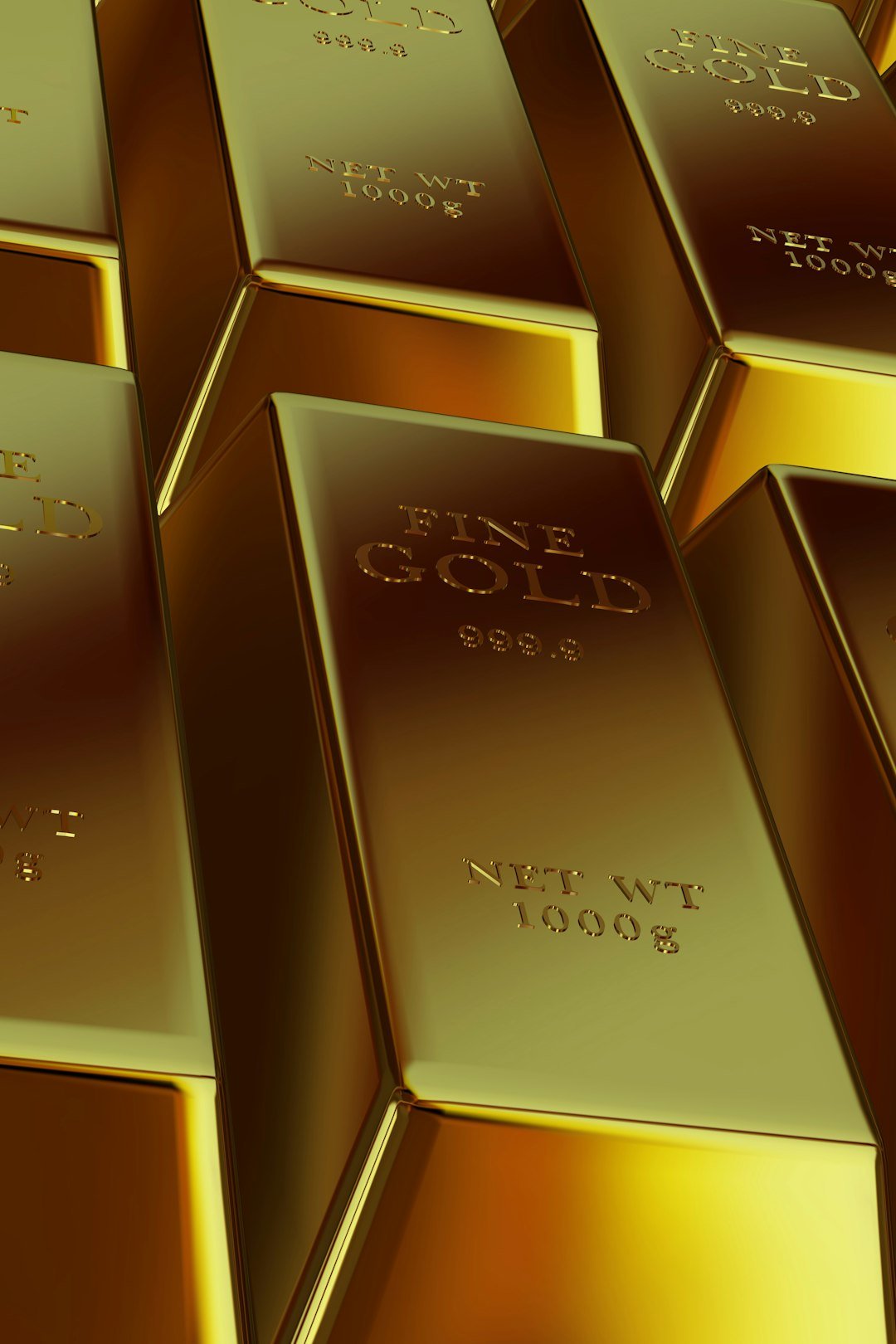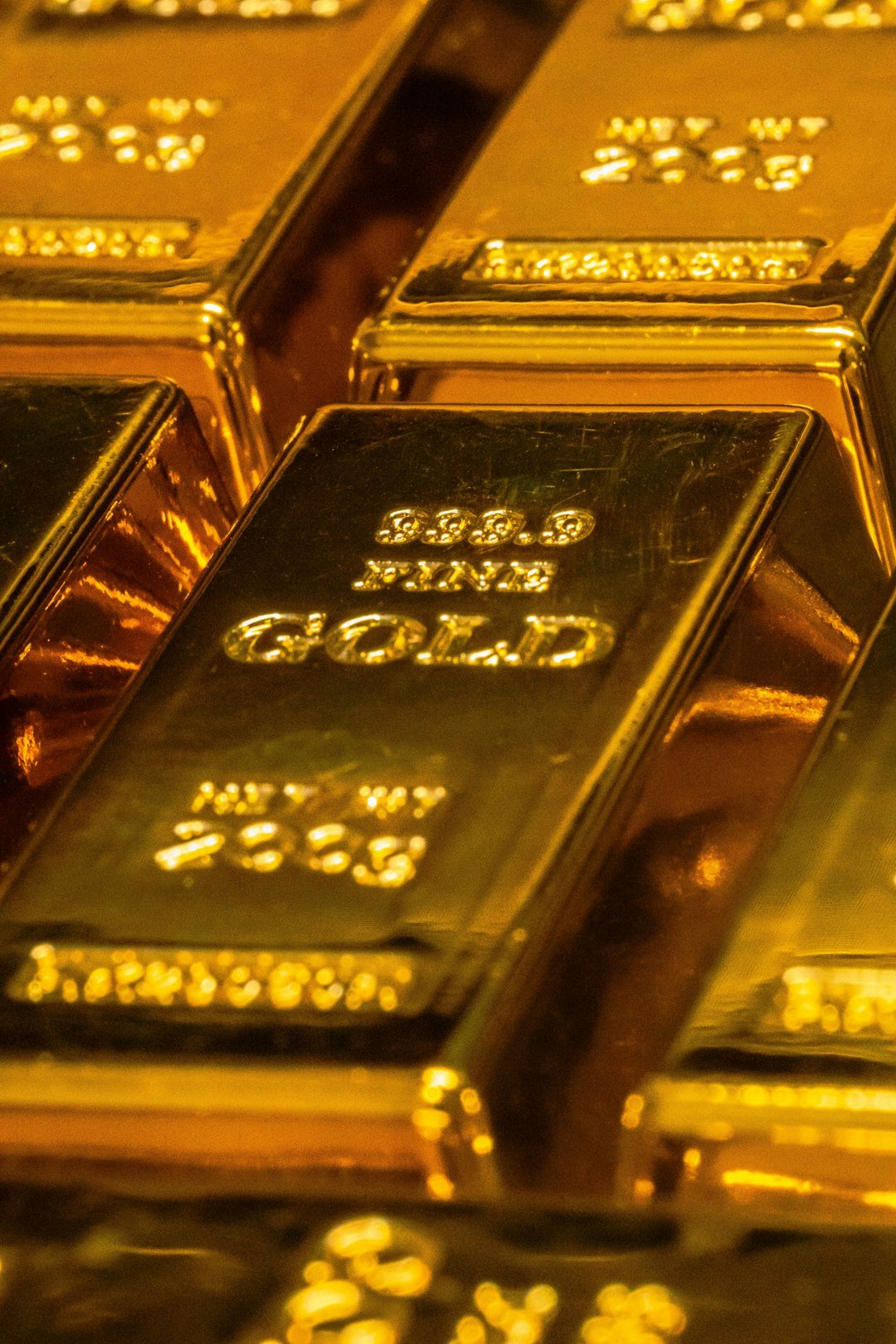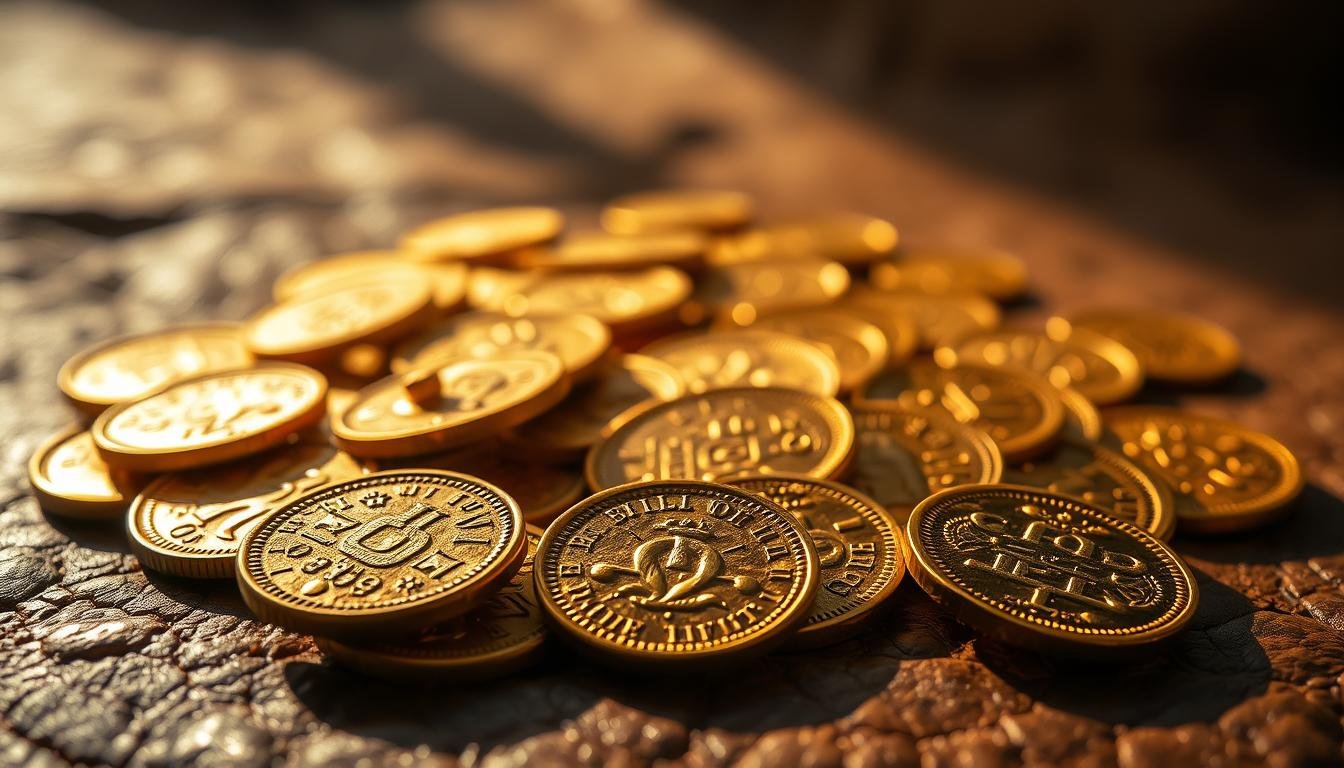
Gold has played a big role in human history. For ages, ancient gold and medieval gold were key in economies. They shaped trade, culture, and power.
In ancient and medieval times, gold was more than just a metal. It was used for trade, as a safe place to keep wealth, and as a sign of power. Learning about gold’s role in historic economies shows its big impact on societies and economies.
Key Takeaways
- The use of gold as currency and a store of value dates back to ancient times.
- Gold played a crucial role in shaping medieval trade and commerce.
- The value of gold influenced cultural and social dynamics in ancient and medieval societies.
- Gold was a symbol of power and wealth among ancient and medieval elites.
- The legacy of gold in historic economies continues to influence modern financial systems.
The Dawn of Gold as a Precious Metal
Gold has fascinated humans for thousands of years. Its first use was in ancient times. People first found gold in rivers and streams, where it sparkled.

Earliest Human Discoveries of Gold
The first gold discoveries were in the Paleolithic era. Early humans were attracted to gold because it was easy to find in streams. Gold was a valuable resource for early civilizations because it was so accessible.
Properties That Made Gold Valuable
So, why did our ancestors value gold so much? Its unique properties were key. Gold is durable and doesn’t corrode, making it perfect for lasting items. It’s also malleable, allowing it to be shaped into many forms.
Durability and Resistance to Corrosion
Gold’s durability is a big plus. It doesn’t corrode or tarnish, keeping its shine. This made gold a symbol of lasting value in ancient times.
Malleability and Aesthetic Appeal
Gold’s malleability adds to its value. It can be shaped into thin sheets or wire, making it versatile. Its beauty and durability made it a top choice for decorations and jewelry.
Gold in Ancient Egypt: Divine Economy
Gold was key in ancient Egypt’s economy, linking with power and religion. Pharaohs used gold to show their divine status and build wealth.
Nubian Gold Mines and Extraction Methods
The wealth of ancient Egypt grew thanks to Nubian gold mines. These mines were a major gold source. The methods used were open-pit and underground mining. The gold was used in both economic and religious ways.
Historian Joyce Tyldesley says, “The gold of Nubia was a major factor in Egypt’s wealth and power.”
“The gold of Nubia was a major factor in Egypt’s wealth and power.”
Pharaonic Wealth and Gold Reserves
The pharaohs built up huge gold reserves. These reserves showed their power and right to rule. They were used for coins, jewelry, and to decorate temples and tombs.
| Use of Gold | Description |
|---|---|
| Economic | Used for trade and accumulating wealth |
| Religious | Used in rituals and to adorn temples |
| Funerary | Used in burial masks and tomb decorations |
Religious Symbolism and Economic Power
Gold had deep religious symbolism in ancient Egypt, linked to the sun god Ra. Its use in religious items and rituals showed its value in both spiritual and economic areas.

In conclusion, gold was crucial to ancient Egypt’s economy. Its value went beyond money, symbolizing divine power and wealth. The pharaohs’ control over gold and its use in different ways helped keep their power and the economy stable.
Mesopotamian Gold Trade Networks
Exploring Mesopotamia’s economic history reveals the importance of gold trade networks. This region, now Iraq, Kuwait, and parts of Syria, Turkey, and Iran, was a key economic center in ancient times. The Sumerians and Babylonians, among others, built complex trade systems based on gold.
Sumerian and Babylonian Gold Standards
The Sumerians and Babylonians made gold a standard unit of exchange. They recorded its value on clay tablets using cuneiform. Gold was not only a store of value but also a symbol of wealth and power.
Gold as a Store of Value in Cuneiform Records
Cuneiform records show gold’s extensive use in Mesopotamia’s economy. The shekel weight system helped standardize gold measurement, making it a reliable store of value.
The Shekel Weight System
The shekel was a unit of weight for gold and other goods. This system made trade efficient and solidified gold’s value.
Royal Treasury Management
Royal treasuries were key in managing gold. They stored gold reserves to fund state activities and trade.
The Mesopotamians’ complex trade networks set the stage for future economies. Understanding gold’s role in ancient economies offers insights into modern finance.
Ancient Greece: Monetization of Gold
In Ancient Greece, gold coinage changed trade and commerce. This big change in using gold made economic deals easier. It also helped the Greek economy grow.
The Introduction of Gold Coinage
The first gold coins came out in Ancient Greece around the 6th century BC. These coins had official marks to show their value. They quickly became a common way to trade.
Gold coinage made trade simpler. It helped merchants and traders do business in different places.
Economic Theories of Aristotle on Gold
Aristotle talked about gold in his economic ideas. He saw gold as key for trading and keeping value. His thoughts showed how important gold was for the economy back then.
Gold Flows After Alexander’s Conquests
Alexander the Great’s conquests made gold even more important. He brought back a lot of gold to Greece. This increased gold in the economy.
This gold flow greatly affected the Greek economy. It changed trade and money policies.
The use of gold in Ancient Greece set the stage for future economies. Gold coinage and Aristotle’s ideas show gold’s big role in economic history.
The Pure Gold Standard of Rome
The Roman Empire’s move to a pure gold standard was a big step in its economic history. You’ll see how gold was key to Rome’s success.
Roman Mining Operations Across Three Continents
The Roman Empire’s wide reach allowed for mining gold on three continents. This gold was crucial for their money system. Imagine the mines in Spain, Romania, and more.
Key regions for Roman gold mining included:
- Hispania (Spain)
- Dacia (Romania)
- Egypt
The Aureus and Imperial Monetary Policy
The aureus, a gold coin by Julius Caesar, was central to Rome’s money policy. It showed power and helped trade across the empire.
The aureus started at 25 denarii value but changed with inflation and gold supply.
Inflation and Gold Debasement in Late Empire
As Rome grew, it faced big economic problems like inflation and currency weakening. The aureus quality dropped over time. This was due to gold supply issues and bad fiscal choices.
This weakening of the aureus hurt Rome’s money system and economy a lot.
Gold in Ancient Asian Economies
In ancient Asia, gold was more than just wealth. It was key to the economies and cultures of China and India. Gold was deeply linked to their economic systems, cultural practices, and trade networks.
Chinese Gold Usage Before Paper Money
China’s history with gold goes back centuries. Gold was a top choice for storing value and for transactions among the wealthy. The Chinese used gold in coins, ornaments, and decorations, showing its value and importance.
India’s Gold-Driven Trade Networks
Gold was a big driver of India’s trade networks. The demand for gold in India was high, not just for jewelry but also for religious and ceremonial purposes. This demand helped fuel trade with other regions, like the Roman Empire, and built strong trade networks.
The Silk Road and Gold Exchange
The Silk Road was a network of ancient trade routes. It helped exchange gold across vast distances, connecting Asia with Europe and Africa. This exchange was not limited to gold bullion but also included gold coins and other gold artifacts. The Silk Road was key in spreading gold globally, affecting economies and cultures along its path.
Byzantine Empire: Gold Solidus and Economic Resilience
The gold solidus, introduced by Constantine, was key to the Byzantine Empire’s economic strength. You might ask how one coin could change an empire’s economy so much. The answer is in Constantine’s monetary reforms, which made the empire’s economy stable and strong.
Constantine’s Monetary Reforms
Constantine introduced the gold solidus in the early 4th century. This gold coin was a symbol of wealth and a tool for economic stability. It was made with a lot of gold, keeping its value high. The solidus became a standard currency, helping trade inside and outside the empire.
The Solidus as International Currency
The gold solidus was widely accepted as an international currency. It helped trade across continents and was loved by merchants and traders. Its value was known far beyond the Byzantine Empire, making it key in international trade.
Economic Stability Through Gold Standardization
The gold solidus brought economic stability by reducing currency risks. As historian
“The solidus was the backbone of the Byzantine economy, providing a stable store of value and medium of exchange.”
This stability led to more investment, trade, and growth. It helped the Byzantine Empire stay strong for centuries.
In conclusion, the gold solidus was crucial for the Byzantine Empire’s wealth. It was a stable currency and a symbol of economic strength. The careful management of money, led by Constantine, had a big impact on the economy.
The Islamic Golden Age and Gold Dynamics
Did you know the Islamic Golden Age changed global gold trade? This time was full of cultural, economic, and scientific growth. The gold dinar became a key currency, helping trade spread across three continents.
The Gold Dinar’s International Influence
The gold dinar was more than just wealth. It was a currency known worldwide. Its purity and the Islamic world’s trade networks made it a top choice for exchange.
Banking Innovations and Gold Transfers
During this time, banking got better, making gold transfers easy over long distances. These changes were key for growing international trade. They let merchants do business far away without moving gold themselves.
Trade Networks Spanning Three Continents
The Islamic Golden Age’s trade networks reached far, connecting Europe, Asia, and Africa. This connection helped trade and cultural sharing between these places.
| Region | Major Trade Goods | Significance |
|---|---|---|
| Asia | Silk, Spices | High demand for luxury goods |
| Africa | Gold, Ivory | Rich in precious resources |
| Europe | Textiles, Metals | Emerging markets for Islamic goods |
The Islamic Golden Age’s effect on gold economies was huge. It built a strong system for global trade and cultural sharing. Its legacy still shapes today’s finance.
Medieval European Gold Scarcity
Exploring medieval Europe’s economy shows gold scarcity was a big problem, known as the ‘Great Bullion Famine.’ This period of gold shortage affected the economy and society in many ways.
The “Great Bullion Famine” of the Middle Ages
The “Great Bullion Famine” was a time of severe gold shortage in medieval Europe. Trade and commerce were severely impacted because there was not enough gold for coins and transactions. Merchants and traders faced big challenges without gold for their work.
This issue wasn’t just about money. It also affected the nobility and the church, who had a lot of gold.
Church and Nobility as Gold Repositories
In medieval Europe, the church and nobility were key gold holders. Church treasuries were filled with gold ornaments, coins, and valuable items. The nobility had gold in jewelry, coins, and other precious things. These groups acted like banks, keeping wealth and stability.
Having gold in these places meant less gold for others. This made the “Great Bullion Famine” worse.
Economic Consequences of Limited Gold Supply
The lack of gold had big economic effects. Reduced trade and economic activity happened because of the gold shortage. Transactions became harder without enough gold coins. This led to less economic growth and more hardship for many.
The economic troubles also caused inflation and debasement of currency in some places. The value of gold went up because it was so scarce. This shows how important gold was in the medieval economy.
Gold Mining and Production Techniques Through History
Gold mining has changed a lot over time. It has been key to many economies. Different cultures have found unique ways to get gold.
Ancient Extraction Methods
Ancient people used simple but effective ways to get gold. They mainly used two methods:
- Placer Mining: They got gold from rivers and streams. Gold had settled there over time.
- Early Shaft Mining: As they got better, they dug shafts to reach gold deep in the earth.
Placer Mining in River Beds
Placer mining was used by ancient cultures like the Egyptians and Romans. They used pans or sluices to find gold in river sediments. They made these tools from wood or stone.
Early Shaft Mining
Shaft mining needed better technology and planning. Miners dug vertical shafts and then tunnels to follow gold veins.
Medieval Technological Advances
The medieval times brought big changes to gold mining. These changes made mining more efficient and effective.
Crushing and Separation Techniques
New ways were found to crush gold ores and separate gold from other minerals. Stamp mills and other machines were used for this.
Metallurgical Developments
Metallurgy improved, making it easier to get gold from hard ores. Using mercury to mix with gold became common.
These new technologies were key to gold mining’s growth. They helped shape the industry into what we know today.
The Role of Gold in International Medieval Trade
In the medieval world, gold was key for trade between cultures. You might wonder how one item could affect the world so much. Gold’s value went beyond money, shaping trade, culture, and policies over long distances.
Hanseatic League and Gold Exchange
The Hanseatic League was a group of merchant guilds in Northern Europe. They set up trading posts and routes, making gold trade easier. This gold exchange system helped trade grow and made gold a standard for exchange.
Italian Banking Houses and Gold Financing
Italian banking houses helped finance gold trade with new financial tools like letters of credit. These tools let merchants trade without carrying gold, making it safer. This gold financing was key for international trade, adding trust and money flow.
Gold as Facilitator of Cross-Cultural Commerce
Gold was a common language in medieval trade, helping cross-cultural commerce between different groups. Its value was known everywhere, making it perfect for international deals. Gold connected far-off places, creating economic ties and cultural exchanges between East and West.
Gold was more than just a commodity in medieval trade. It was a key player in commerce and cultural exchange. Its influence on the global economy back then still shapes today’s trade and policies.
Gold-Based Monetary Systems and Their Evolution
Exploring gold-based monetary systems reveals a rich history that has shaped global economies. This journey from commodity money to more complex systems is significant.
From Commodity Money to Representative Currency
The earliest money was often commodities, with gold being a key example. Its value and durability made it ideal. As trade grew, the need for easier, standardized currency became clear. This led to the creation of representative currency.
Key characteristics of commodity money include:
- Intrinsic value
- Limited supply
- Divisibility
The Development of Gold-Backed Notes
The introduction of gold-backed notes was a major step in monetary system evolution. These notes were like receipts for gold stored in vaults. They made transactions easier without needing to move physical gold.
The benefits of gold-backed notes included:
- Increased convenience
- Reduced transaction costs
- Enhanced security
Economic Theories on Gold Valuation
Many economic theories try to explain gold’s value. Some look at supply and demand, while others see gold as a safe asset during tough times.
Grasping these theories helps us understand gold-based systems and their economic impact through history.
Political Power Projection Through Gold
Gold has always been linked to power, used in wars, alliances, and taxes. Its value and uses made it perfect for leaders and governments through history.
Financing Wars and Conquests
Gold was key in funding wars and conquests. It paid soldiers, bought supplies, and bribed foes. Access to gold reserves often decided military success or failure.
Diplomatic Gifts and Alliance Building
Leaders used gold to make alliances and peace treaties. Gold gifts symbolized wealth and power. These gifts built trust and helped nations work together.
Taxation Systems Based on Gold
Many old and medieval societies taxed based on gold. It was a standard for exchange and value. This made tax collection easier and helped the economy.
| Use of Gold | Historical Significance |
|---|---|
| Financing Wars | Enabled military conquests and paid soldiers |
| Diplomatic Gifts | Facilitated alliances and peace treaties |
| Taxation Systems | Provided economic stability and standard unit of exchange |
Looking at gold’s role in politics shows its lasting impact on world relations, economies, and cultures. Gold’s many uses highlight its key role in history.
Cultural and Artistic Value of Gold Across Civilizations
Gold has always been more than just money. It has played a big role in culture and art. You can see its impact in sacred objects, royal treasures, and works that still inspire artists today.
Religious Artifacts and Temple Treasuries
Gold has been used in religious ways for as long as humans have been around. Many cultures have made sacred items with gold, thinking it has special powers. For example, the ancient Egyptians covered their temples in gold to show divine presence.
Status Symbols and Social Hierarchy
Gold has always been a sign of wealth and status. Elites used it to show their power and high social standing. From ancient jewelry to royal palaces, gold showed who was important.
Artistic Techniques and Masterpieces
Gold is easy to shape and mold, making it perfect for artists. They’ve created amazing works of art with it. Techniques like gilding have made stunning pieces that still amaze people today.
| Culture | Notable Gold Artifacts | Significance |
|---|---|---|
| Egyptian | Golden Mask of Tutankhamun | Symbol of pharaonic power and wealth |
| Greek | Gold funerary masks | Honoring the dead with opulence |
| Chinese | Golden dragons | Representing imperial power |
Conclusion: Gold’s Enduring Economic Legacy
You’ve seen how gold shaped ancient and medieval economies. It’s more than just a valuable resource. Gold has been at the heart of cultures, driving trade and showing power and wealth. Today, gold’s impact on our economy is still strong.
Gold has been key in creating monetary systems. Its influence on trade and culture is still seen. Gold’s value has always pushed international trade and cultural sharing. Its legacy in the economy is clear and lasting.
Learning about gold’s history helps us see its value today. Whether you’re into finance or just curious, gold’s story is amazing. It shows how a precious metal has shaped human societies for thousands of years.