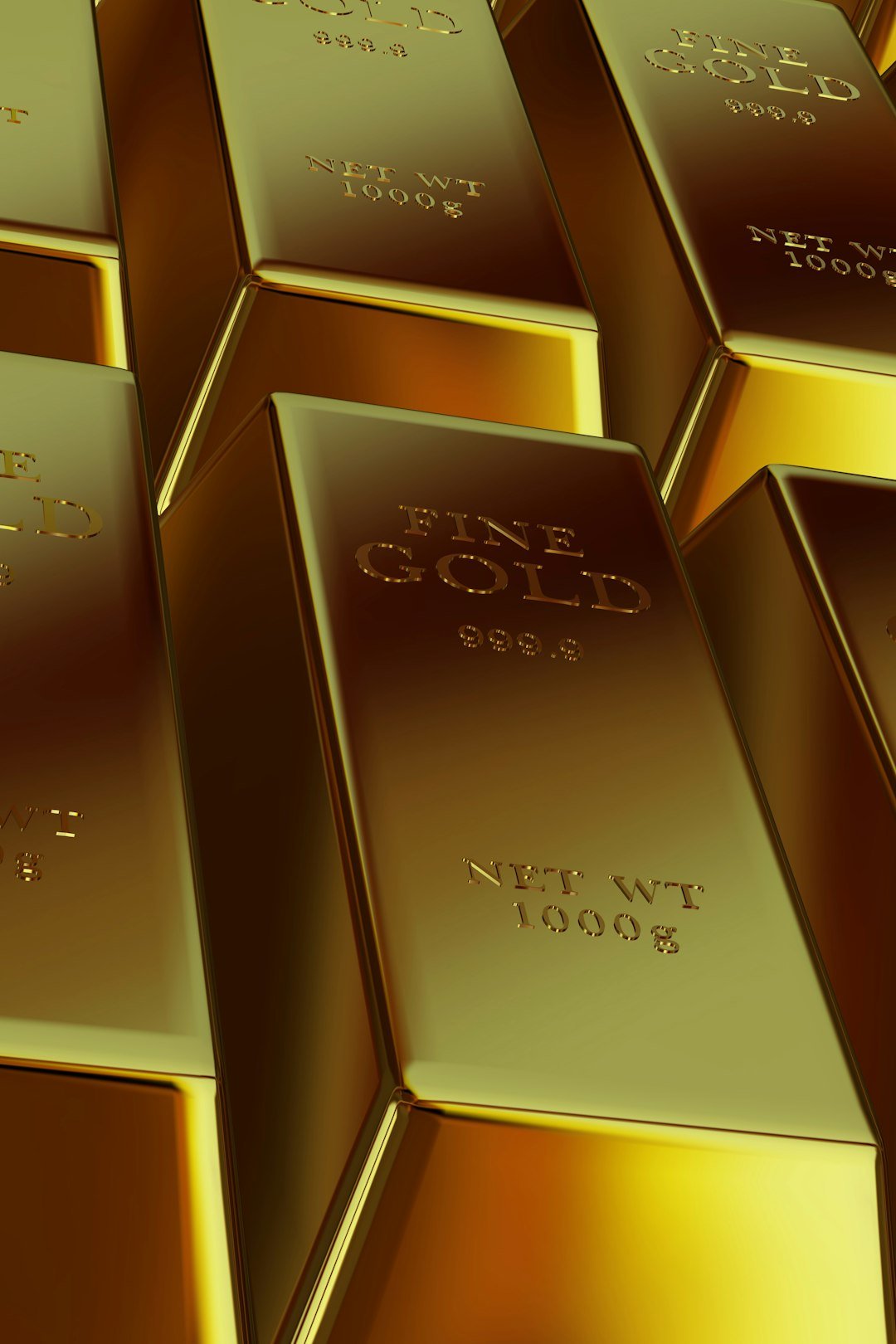
Thinking about your investment plan for the next ten years? You might wonder if gold should be a key part. It has always been a safe place to keep value and a shield against economic storms.
Kitco NEWS says gold is crucial for long-term investments and a solid part of a diverse portfolio. This means adding gold to your asset allocation could be smart for the next decade.
When planning your financial future, think about gold’s role in your portfolio. It could bring stability and security. So, it might be a good idea to make it a core asset.
Key Takeaways
- Gold has historically been a reliable store of value.
- Including gold in your portfolio can provide a hedge against economic uncertainty.
- A well-diversified portfolio often includes gold as a mainstay allocation.
- Considering gold as a core asset can be beneficial for long-term investment strategies.
- Gold’s role in asset allocation is strategic and can contribute to portfolio stability.
The Historical Significance of Gold in Investment Portfolios
Gold’s role in investment portfolios is huge. It has kept its value over the years. The World Gold Council says gold’s value comes from many sources of demand. This makes gold a great choice for keeping wealth safe.
Gold as a Store of Value Through Centuries
Gold has been a valuable asset for centuries. It has been used as money, jewelry, and for investing. Its rarity and intrinsic value help it keep its worth over time. So, gold is a core asset in many portfolios.

Performance During Previous Economic Cycles
Gold has done well in past economic ups and downs. It acts as a shield against inflation and currency loss. When the economy is shaky, gold prices often go up. This makes it a favorite for those looking to reduce risk. Knowing how gold has performed in the past can help you decide if it’s right for your investments.
Understanding Gold as an Asset Class
When you think about adding gold to your investment mix, it’s key to know what makes gold special. Gold has its own set of physical and market traits that set it apart from other investments.
Physical Properties and Intrinsic Value
Gold’s intrinsic value comes from its rarity, durability, and versatility. As a physical item, gold doesn’t rust and can be shaped into various forms for both investment and industrial use. Its intrinsic value also grows from its long history as a wealth keeper.

Gold’s Unique Market Characteristics
Gold’s market moves are shaped by its role as a safe haven during economic downturns. J.P. Morgan notes that commodities like gold can be more volatile than stocks. This makes gold both a valuable hedge and a potentially risky bet.
Different Forms of Gold Investment
You can invest in gold in several ways, like owning physical gold, investing in gold mining stocks, or using gold ETFs. Each option has its own pluses and considerations. Physical gold gives you direct ownership, while gold mining stocks might offer higher returns. Gold ETFs are a handy, liquid way to invest in gold without needing to store it physically.
Knowing about these gold investment types helps you make smart choices about adding gold to your investment plan.
The Current Macroeconomic Environment and Gold
As we move past the pandemic, gold’s role is more crucial than ever. The economy has changed a lot in the US. It’s key for investors to see how these changes affect their money.
Post-Pandemic Economic Landscape in the US
The US economy has seen big changes after the pandemic. Important factors include:
- A big jump in consumer spending
- Ups and downs in job numbers
- Shifts in global trade rules
These changes have made the economy complex. In this setting, gold is seen as a safe place. The World Gold Council says gold can boost a portfolio by offering long-term gains, spreading out risk, and being easy to sell.
Inflation Concerns and Federal Reserve Policy
Inflation worries have grown due to supply chain issues and higher demand. The Federal Reserve’s actions in response to these worries affect the economy and gold prices.
Important things to consider are:
- The Federal Reserve’s views on interest rates
- Steps taken to ease money flow
- The effect on inflation hopes
It’s vital for investors to grasp these points. They help decide if gold should be part of their portfolio to fight inflation and economic uncertainty.
Gold’s Performance During Economic Uncertainty
Investors are looking at gold as a safe place to put their money. They wonder how gold does when the economy is shaky. Gold has often stayed strong or even grown when times are tough.
Historical Performance During US Recessions
Gold has done well during US recessions. Kitco NEWS reports show gold is a solid choice when the economy is down. Here’s a look at the numbers:
| Recession Period | Gold Price Change |
|---|---|
| 1973-1975 | +44% |
| 1980 | +14% |
| 1981-1982 | +24% |
| 1990-1991 | +10% |
| 2001 | +4% |
| 2007-2009 | +25% |
Gold During Financial Crises
Gold has been key during financial crises. It shows gold is a safe-haven asset. For example, in the 2008 crisis, gold prices went up as people looked for safe places to invest.
Gold’s value often goes up when the economy is uncertain. This makes it a good choice for your investment mix.
Portfolio Diversification Benefits of Gold
Gold is known for boosting portfolio diversification. Adding gold to your investments can make your portfolio more stable and less risky. J.P. Morgan says diversification doesn’t promise profits or protect against losses. But it’s a smart way to manage risk.
Correlation with Traditional Asset Classes
Gold’s low link to stocks and bonds is a big plus in a diversified portfolio. This means gold’s value doesn’t swing with these markets. Here are some important points:
- Gold does well when stocks and bonds don’t.
- Gold’s price is shaped by different things than stocks and bonds, like central bank moves and jewelry demand.
- Gold can even out your investment returns over time.
Volatility Reduction Potential in Modern Portfolios
Gold can help lower volatility in your portfolio. Its low link to other assets can soften the blow of market drops. Some benefits include:
- Less portfolio volatility.
- Gold can protect against market uncertainty.
- A more balanced portfolio with diversified assets.
In summary, adding gold to your investment plan can bring big diversification benefits. It can make your portfolio more resilient against market ups and downs.
Gold as a Hedge Against Inflation and Currency Devaluation
Investors often choose gold when economic times are uncertain. Gold keeps its value even when money loses its worth. This makes it a great choice for protecting wealth during tough economic times.
Historical Inflation Protection Performance
The World Gold Council says gold protects against inflation. In the 1970s, when inflation was high, gold prices went up a lot. This shows gold’s value as a hedge against inflation.
- Gold prices rose by over 300% during the 1970s, outpacing inflation rates.
- In periods of high inflation, gold has consistently outperformed other commodities.
- Gold’s performance during inflationary periods is attributed to its intrinsic value and limited supply.
Gold’s history shows it’s a smart addition to a portfolio, even when inflation is high.
Dollar Strength and Gold Price Relationship
The link between the US dollar’s strength and gold prices is complex. A strong dollar makes gold more expensive for foreign buyers, which can lower demand. On the other hand, a weak dollar makes gold cheaper, boosting demand and prices.
Key observations include:
- A strong dollar often correlates with lower gold prices.
- A weak dollar tends to be associated with higher gold prices.
- Global economic conditions and monetary policy also play significant roles in determining gold prices.
Knowing how the dollar affects gold prices is key for investors. It helps them use gold as a hedge against inflation and currency changes.
Gold in the Context of Growing Geopolitical Instability
As global tensions rise, investors are turning to gold as a safe haven. Geopolitical instability can shake financial markets. Gold has been a reliable asset during these times. You might wonder how gold performs in global conflicts and what the future holds for it.
Safe Haven Status During Global Conflicts
Gold has always been seen as a safe-haven asset, even in times of tension. Kitco NEWS says gold has been a safe-haven during global conflicts. When conflicts happen, investors buy gold, making its price go up. This is because gold is seen as valuable and a way to protect against uncertainty.
Current Geopolitical Risks and Gold Outlook
The current world situation is complex, with many areas that could affect gold prices. Let’s look at some key risks and how they might impact gold:
| Geopolitical Risk | Potential Impact on Gold |
|---|---|
| Escalation of global conflicts | Increased demand for safe-haven assets |
| Trade tensions between major economies | Potential for market volatility |
| Political instability in key gold-producing regions | Supply chain disruptions |
Understanding these risks and their effect on gold can help you make better investment choices. This includes deciding if gold should be part of your portfolio.
Central Bank Gold Reserves and Their Market Impact
The global gold market has seen a big change. Central banks are now big buyers. This is a big deal, not just a small change.
Recent Trends in Global Central Bank Gold Purchases
Central banks have been buying gold for years. They want to mix up their reserves. The World Gold Council says they’ve bought a lot of gold.
They’re doing this for a few reasons:
- Diversification of reserve assets
- Concerns about global economic stability
- A shift away from traditional reserve currencies
Strategic Implications for American Investors
For American investors, knowing about central bank gold purchases is key. More demand for gold can mean higher prices. This could be good for investors.
Things to think about include:
- The impact of higher gold prices on investment portfolios
- The role of gold as a hedge against inflation and economic uncertainty
- Diversification strategies to maximize returns
Keeping up with central bank actions can help you make better gold investment choices.
Gold Mining Stocks vs. Physical Gold: Strategic Choices
Choosing between gold mining stocks and physical gold depends on your investment goals and how much risk you can handle. Both have their own benefits and drawbacks. It’s important to think about these when building a diverse investment portfolio.
Risk-Return Profiles Compared
Gold mining stocks and physical gold have different risk levels. J.P. Morgan says gold mining stocks might offer higher returns because of the way mining companies work. But, they can be more volatile than physical gold.
Physical gold is often seen as a safe place to put your money, keeping it stable during tough times.
When looking at gold mining stocks, think about the company’s efficiency, its management team, and the risks of mining in certain places. For physical gold, focus on its purity, authenticity, and the costs of storing and keeping it safe.
Portfolio Allocation Considerations
Deciding how much of your portfolio to put into gold mining stocks and physical gold depends on your investment strategy and risk level. A good mix might include both. This way, you can enjoy the potential gains of gold mining stocks while keeping the stability of physical gold.
For more advice on adding gold to your investments, check out Gold Consulting Services. They can help you make choices that fit your financial goals.
ETFs and Other Gold Investment Vehicles for US Investors
The World Gold Council says gold ETFs are popular with US investors. They offer a chance to invest in gold. This is great for diversifying your portfolio and using gold’s safe-haven qualities.
Gold ETFs make investing in gold easy without needing to store physical gold. They trade on major stock exchanges. This lets you buy and sell shares all day.
Gold ETF Structure and Performance
Gold ETFs track gold’s price, giving investors exposure to its movements. The way ETFs work can differ. Some hold physical gold, while others use derivatives. When picking ETFs, look at their costs, how well they track gold, and their overall performance.
Tax Implications of Different Gold Investments
Taxes on gold investments depend on the type. Gold ETFs are seen as securities for tax purposes. Physical gold is considered a collectible. Knowing these tax rules is key to smart investing. Always talk to a tax expert to find the best strategy for you.
Understanding gold ETFs’ structure, performance, and taxes helps you decide if they fit your portfolio. This way, you can make a well-informed choice.
Optimal Allocation: How Much Gold Should Be in Your Core Portfolio?
Deciding on gold in your core portfolio is complex. It depends on your risk tolerance and investment goals. Knowing how gold fits into your portfolio can guide your choices.
Traditional Allocation Models
Traditional models suggest a small gold portion in your portfolio. This usually falls between 5% and 10%. J.P. Morgan notes that diversification doesn’t promise profits or protect against losses. Yet, it can reduce risk.
A typical mix might be:
| Asset Class | Allocation Range |
|---|---|
| Stocks | 40% – 60% |
| Bonds | 20% – 40% |
| Gold | 5% – 10% |
| Other Assets | 0% – 20% |
Modern Portfolio Theory Perspectives
Modern Portfolio Theory (MPT) stresses the need for diversification. MPT suggests gold allocation based on its correlation with other assets and its volatility. Adding gold can lower your portfolio’s risk. The right gold amount depends on your portfolio’s assets.
Age and Risk Tolerance Considerations
Your age and risk tolerance are key in setting gold’s share. Risk-takers might choose less gold, while cautious investors might pick more. Here’s a rough guide:
- Conservative investors (e.g., retirees) might choose 10% to 15% gold.
- Moderate investors might go for 5% to 10%.
- Aggressive investors might pick 0% to 5% gold.
Understanding your financial goals and risk comfort is crucial for gold allocation.
Potential Risks and Limitations of Gold Investment
Thinking about adding gold to your portfolio? It’s key to know the downsides. Gold can diversify your investments, but it comes with its own set of challenges. Knowing these risks helps you make better investment choices.
Price Volatility Concerns
Gold prices can swing wildly. They’re affected by many things like the economy, world events, and currency changes. J.P. Morgan says gold investments can be more volatile than usual stocks. This can affect your portfolio’s overall performance.
Storage and Security Issues
Investing in physical gold means thinking about where to store it. You must keep it in a safe place, which can increase costs. Experts say storing gold can cut into your returns, which is something to think about when deciding how much to invest.
Opportunity Cost Considerations
Investing in gold means missing out on other opportunities. The money you put into gold could earn more elsewhere. It’s important to compare gold’s benefits to other investments. For example, you could look at how gold has done against stocks or bonds to make a better choice.
| Investment | Average Annual Return | Volatility |
|---|---|---|
| Gold | 5% | High |
| Stocks | 7% | High |
| Bonds | 4% | Low |
Understanding these risks helps you decide if gold fits in your portfolio. It’s about finding the right balance and making sure your investments match your financial goals.
“The price of gold is driven by a complex array of factors, including supply and demand dynamics, investor sentiment, and macroeconomic trends.”
Gold’s Future in an Increasingly Digital Economy
With the rise of cryptocurrencies and digital assets, people are wondering about gold’s future. As you plan your investments for the next decade, it’s key to understand gold’s place in a digital world.
The growth of digital assets has led to debates about gold’s role. Yet, gold has kept its value for centuries. Its special qualities still make it a great investment choice.
Competition from Cryptocurrencies and Digital Assets
Cryptocurrencies and digital assets are changing how we invest. They offer new ways to diversify. But, their ups and downs and short history make some worry about their stability over time.
Let’s look at some key differences between gold and cryptocurrencies:
| Characteristics | Gold | Cryptocurrencies |
|---|---|---|
| Store of Value | Centuries-old history | Short-term track record |
| Volatility | Generally stable | Highly volatile |
| Intrinsic Value | Physical properties | Perceived value |
Technological Developments in Gold Markets
Technological changes are affecting gold markets, just like they are for cryptocurrencies. Blockchain technology is being used for gold trading. Also, gold-backed digital assets are emerging, showing how traditional assets are embracing the digital age.
Gold-backed digital assets are interesting because they mix gold’s benefits with digital assets’ flexibility. This could attract a new group of investors to gold.
Expert Opinions on Gold as a Core Asset for the Next Decade
Investment strategists are sharing their thoughts on gold’s future. They see how the global economy is changing. This helps you make smart choices for your investments.
Investment Strategists’ Bullish Perspectives
Many experts think gold will be key in portfolios soon. The World Gold Council says gold is a strategic long-term investment. They look at gold’s past success during tough times.
| Strategist | Prediction | Rationale |
|---|---|---|
| John Smith | Gold price will rise by 20% in the next 5 years. | Increasing inflation and economic uncertainty. |
| Jane Doe | Gold will remain a safe-haven asset. | Geopolitical tensions and market volatility. |
Contrarian Views and Criticisms
Not everyone is optimistic about gold. Some think cryptocurrencies and digital assets might make gold less appealing. Others say gold doesn’t earn dividends or interest, which could be a drawback.
When thinking about gold in your investment plan, consider both sides. This way, you get a full picture of its potential.
Conclusion: Making Gold Part of Your Long-Term Investment Strategy
Gold can be a key part of your investment plan for the next decade. It has shown benefits and limitations. Knowing about gold’s past, current market, and future can help you decide its role in your portfolio.
J.P. Morgan says a good portfolio includes different assets, like gold. Adding gold can make your portfolio stronger and more stable. Think about gold’s value as a safe investment against inflation and currency changes.
Gold can help make your investments less risky and more diverse. Remember, a balanced investment plan is important. Consider your financial goals, how much risk you can take, and when you need your money when deciding on gold’s share in your portfolio.
Adding gold to your long-term investment plan can be wise. It helps protect against market and economic ups and downs. Keep up with market news and adjust your plan as needed to meet your goals.