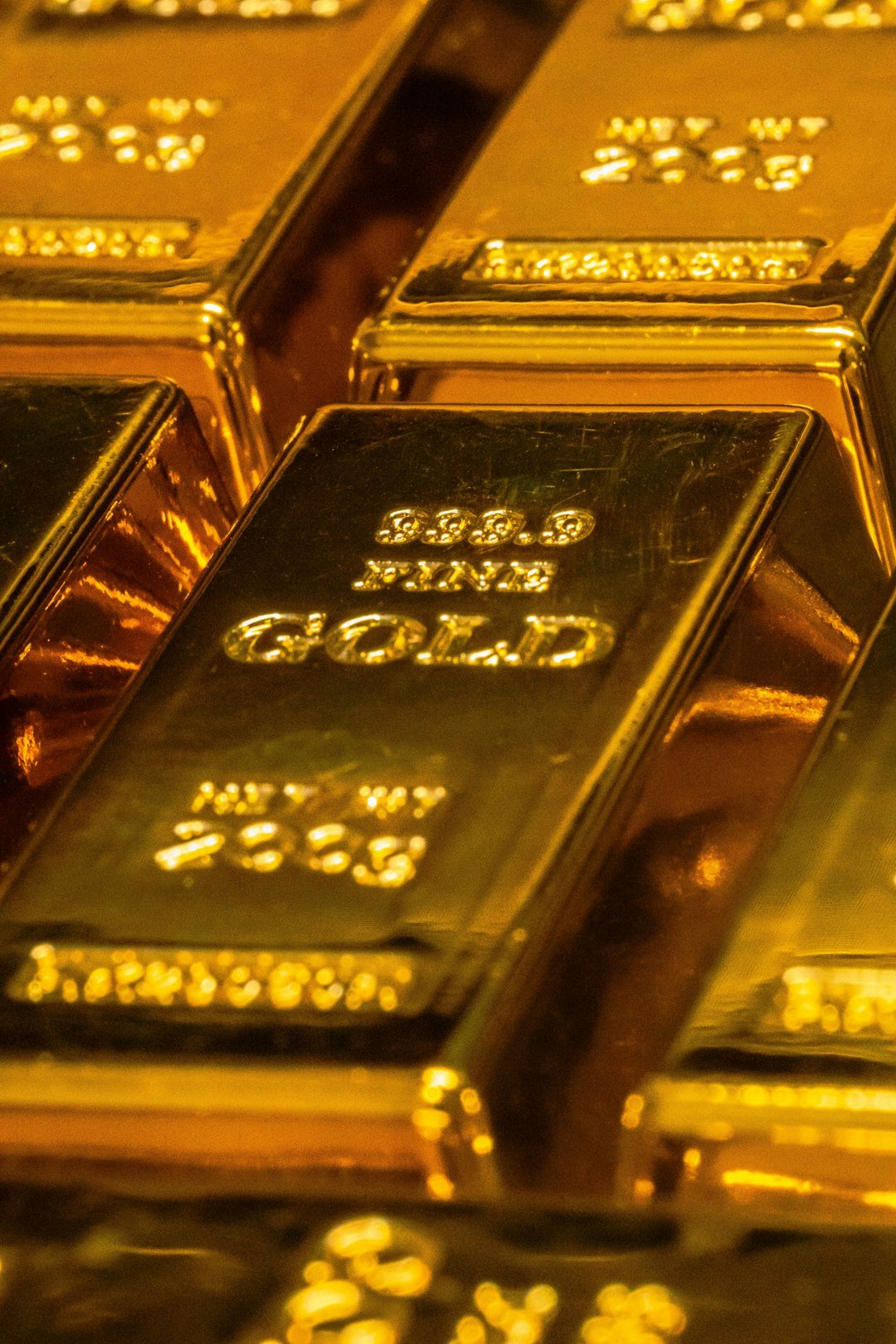
Have you thought about investing in gold as a safe option during tough times? Now, with online trading, you can easily get into the gold futures market. This is a big change for individual investors.
The gold futures market is huge and very liquid. This means there are chances for investors to make money from price changes. But, it’s important to know the ins and outs and risks before you start.
So, are gold futures good for you? It really depends on what you want to achieve, how much risk you can take, and your investment plan. Learning about gold futures can help you decide if they fit into your portfolio.
Key Takeaways
- Gold futures let you trade on gold’s price without owning it.
- They’re good for hedging, speculation, or quick value storage.
- Knowing the mechanics and risks is key before investing in gold futures.
- Gold futures might be right for you based on your goals and risk level.
- Having a solid investment plan is crucial when trading gold futures.
The Fundamentals of Gold Futures Markets
To understand gold futures markets, you must grasp key concepts. Knowing how gold futures contracts work is essential. This includes their specifications and settlement methods.
What Are Gold Futures Contracts?
Gold futures contracts are agreements to buy or sell gold at a set price on a certain date. They are traded on exchanges like COMEX.
Key characteristics of gold futures contracts include:
- Standardized contract sizes
- Specific delivery dates
- Predetermined prices
Contract Specifications and Standard Sizes
Gold futures contracts have set sizes and specs. For instance, a COMEX contract is for 100 troy ounces.
| Contract Size | Exchange | Tick Size |
|---|---|---|
| 100 troy ounces | COMEX | $0.10 per ounce |
Delivery and Settlement Mechanisms
Most gold futures contracts are settled in cash, not physically. This means the buyer and seller exchange the price difference on the settlement date.
How Gold Futures Trading Works
To trade gold futures well, you must understand the basics. As an individual investor, knowing how gold futures trading works is key. It helps you make smart choices.
The Mechanics of Futures Contract Execution
Trading gold futures means buying or selling contracts. These contracts require you to buy or sell gold at a set price on a certain date. The process involves several important steps.
Opening and Closing Positions
To start trading gold futures, you must open a position. You can either buy (go long) or sell (go short) a futures contract. Then, you can close your position before the contract ends by doing the opposite action. For instance, if you bought a contract, you’d sell an identical contract to close it.
Mark-to-Market and Daily Settlement
Futures trading has a unique feature called mark-to-market. The value of your contract is updated daily to match market price changes. Your account will then be credited or debited based on gold price changes, a process known as daily settlement.

Knowing these mechanics is crucial for managing your gold futures trades. By understanding how to open and close positions and how daily settlement works, you’ll be more prepared to trade in the gold futures market.
Major Gold Futures Exchanges and Products
To start with gold futures, you need to know the major exchanges and their products. As an individual futures investor, it’s key to understand these platforms well.
COMEX Gold Futures (Ticker: GC)
The COMEX division of the CME Group is a top spot for gold futures trading. It has products for all kinds of investors.
Contract Specifications and Trading Hours
COMEX Gold Futures, known as GC, have a contract size of 100 troy ounces. They offer trading hours that fit different time zones, giving you flexibility.
| Contract Specifications | Details |
|---|---|
| Contract Size | 100 troy ounces |
| Trading Hours | Open outcry: 8:20 a.m. – 1:30 p.m. ET; Electronic: Sunday – Friday, 6:00 p.m. – 5:00 p.m. ET |
| Tick Size | $0.10 per troy ounce |
Micro Gold Futures for Smaller Investors
COMEX also has Micro Gold Futures for smaller investors or newcomers. These contracts are one-tenth the size of the standard gold futures contract, making them easier to handle.
Knowing the products and details from major exchanges like COMEX helps you make better investment choices as a futures investor.
Advantages of Gold Futures for Individual Investors
Gold futures are attractive to individual investors because they offer leverage, liquidity, and protection against inflation. Understanding these benefits is key to adding gold futures to your investment plan.
Leverage and Capital Efficiency Benefits
Gold futures provide leverage, letting you manage bigger investments with less money. This can increase your potential gains, making your investment more efficient. Yet, remember that leverage can also increase losses.
Superior Liquidity and Price Discovery
The gold futures market is known for its superior liquidity. This means you can quickly buy or sell without affecting the market price much. The market’s openness and clear pricing help in finding the best prices.
Portfolio Diversification and Inflation Hedging
Gold futures are great for portfolio diversification because they don’t move with other investments like stocks or bonds. They also protect against inflation, making them a smart choice for keeping your money’s value.
| Advantage | Description | Benefit to Investors |
|---|---|---|
| Leverage | Control larger positions with less capital | Potential for amplified returns |
| Liquidity | Easy entry and exit from positions | Flexibility in managing investments |
| Diversification | Non-correlated asset class | Reduced portfolio risk |
| Inflation Hedge | Protection against inflation | Preservation of purchasing power |
Significant Risks in Gold Futures Trading
When you start trading gold futures, it’s key to know the big risks. Trading gold futures can be both risky and rewarding. Knowing these risks helps you manage your money better.
Leverage Amplifies Both Gains and Losses
Leverage is a big risk in gold futures trading. It lets you control more with less money. But, it also means bigger losses if things go wrong.
“Leverage is a double-edged sword; it can magnify your gains, but it can also magnify your losses.” So, use leverage carefully and have good risk plans.
Market Volatility and Price Gap Risk
Gold futures markets can change a lot. Prices can shift due to many things like the economy and world events. These changes can make prices jump or gap, making it hard to predict.
Contango, Backwardation, and Rollover Challenges
Contango and backwardation are also risks. Contango means futures prices are higher than spot prices. Backwardation is the opposite. These can change how you trade, making rollovers tricky.
“The contango and backwardation can significantly affect the performance of your gold futures investments, making it crucial to understand these concepts.”
Knowing these ideas and adjusting your plan can help lessen these risks.
In short, gold futures can be profitable but risky. By understanding these risks and using smart risk management, you can handle the challenges of gold futures trading.
Financial Requirements for Individual Gold Futures Investors
To trade gold futures, you need to meet certain financial requirements. It’s key for individual investors wanting to add gold futures to their portfolios.
Minimum Capital Recommendations
The capital needed to start trading gold futures varies. It depends on the brokerage firm and the contract details. You’ll need enough money to cover the initial margin for gold futures contracts.
Account Funding Requirements
Most brokers ask for an initial deposit to open a futures trading account. For gold futures, this can be between $1,000 and $5,000 or more. This depends on the broker’s leverage and gold’s current price. Always check with your broker for their specific needs.
Capital Reserve Considerations
Keeping a capital reserve is crucial for managing risks in gold futures trading. It’s wise to have enough to cover a few months of margin calls and potential losses. This helps avoid having to sell at bad prices.
Key Considerations for Individual Investors:
- Know the margin requirements for gold futures contracts.
- Keep a big enough capital reserve to handle losses.
- Pick a broker with good leverage and margin rates.
By planning your capital needs and understanding the financial commitment of gold futures trading, you can do well in the markets. This way, you can make smarter investment choices.
Gold Futures vs. Alternative Gold Investment Vehicles
Gold investment options go beyond futures. They help diversify your portfolio. It’s key to know the different choices and their pros and cons.
Gold ETFs and Mutual Funds Comparison
Gold ETFs and mutual funds make investing in gold easy. They track gold’s price, letting you profit from it. Gold ETFs are traded on stock exchanges, making buying and selling flexible. Mutual funds trade at day’s end, based on their value.
When looking at gold futures, remember ETFs and mutual funds don’t use as much leverage as futures do.
Physical Gold Ownership Tradeoffs
Buying physical gold, like coins or bars, gives you a real asset. It’s something you can hold. But, it comes with costs for storage and security.
Physical gold ownershipfeels secure, not tied to markets or risk. Yet, it doesn’t earn income and its value is only realized when sold.
Gold Mining Stocks and Derivatives
Gold mining stocks or derivatives offer another way into the gold market. These investments can be more unpredictable, influenced by the company’s performance. Gold mining stocks might offer dividends and growth, but carry company-specific risks. Derivatives add more complexity and risk.
When choosing, think about your financial goals, risk level, and how long you plan to invest. Each option has its own traits. Knowing these helps make a choice that fits your investment style.
Developing Effective Gold Futures Trading Strategies
Creating a trading plan is key for those investing in gold futures. You must know the different ways to trade gold futures. Then, you can use them well.
Technical Analysis Approaches for Gold Futures
Technical analysis is a big help for gold futures traders. It looks at past market data to guess future prices.
Chart Patterns and Indicators
Chart patterns and technical indicators are key in technical analysis. Some important chart patterns are:
- Head and shoulders
- Double tops and bottoms
- Triangles and wedges
Some top technical indicators for gold futures are:
- Moving Averages
- Relative Strength Index (RSI)
- Bollinger Bands
Algorithmic and Automated Trading
Algorithmic trading uses computer programs to make trades based on set rules. This method helps individual investors in gold futures by:
- Making trading faster and more efficient
- Lowering emotional bias in trading choices
- Enabling watching of many markets at once
By mixing technical analysis with algorithmic trading, you can craft a strong trading strategy for gold futures. Success comes from always learning and adjusting your strategy as the market changes.
Essential Risk Management for Gold Futures Trading
To succeed in gold futures trading, mastering risk management is key. It’s crucial because it affects your ability to stay in the market and seize opportunities.
Position Sizing and Capital Allocation
Proper position sizing and capital allocation are vital. They involve deciding how much capital to use for each trade. This depends on your overall portfolio size and risk tolerance.
The 2% Rule and Risk Parameters
The 2% rule is a common strategy. It means risking no more than 2% of your total capital on any trade. This protects your portfolio from big losses.
For example, with $100,000 in your account, risk no more than $2,000 per trade. This rule helps keep your losses small.
To figure out your position size, think about your stop loss. The stop loss is the price at which you exit if the trade goes against you. It limits your loss.
For instance, if your stop loss is $50 from your entry price, adjust your position size. This ensures the potential loss doesn’t go over your risk limit, like 2% of your capital.
By managing your position size and capital well, you can reduce risks in gold futures trading. This improves your chances of long-term success.
Tax Implications of Trading Gold Futures
It’s important to know the tax rules for gold futures trading. This knowledge helps with tax planning. Gold futures have their own tax rules.
Section 1256 Contracts and 60/40 Tax Treatment
Gold futures are called Section 1256 contracts by the IRS. This means your gains and losses are taxed differently. 60% of your gains or losses are treated as long-term capital gains or losses, and 40% are considered short-term, no matter how long you held the contract. Knowing this can help you plan your taxes better.
Record-Keeping Requirements and Tax Reporting
Keeping accurate records is key for reporting your gold futures trading on your taxes. You should record each trade’s date, price, and any gains or losses. When you file your taxes, report your gains and losses on Form 6781. Having good records helps you report your taxes correctly and avoid IRS problems.
Regulatory Framework and Investor Protections
As an individual investor in gold futures, understanding the regulatory environment is key. This framework is set up to safeguard your interests. It also ensures trading is fair and transparent.
CFTC and NFA Oversight of Futures Markets
The Commodity Futures Trading Commission (CFTC) and the National Futures Association (NFA) watch over futures markets. The CFTC handles futures and options markets. The NFA, on the other hand, oversees the futures industry. They work together to keep markets fair and protect traders.
| Regulatory Body | Role |
|---|---|
| CFTC | Regulates futures and options markets |
| NFA | Oversees the futures industry as a self-regulatory organization |
Investor Protection Mechanisms and Regulations
There are many ways to protect investors in the gold futures market. These include strict margin rules, daily settlements, and laws against scams. The CFTC and NFA enforce these rules, making sure trading is safe.
“The regulatory framework for futures trading is designed to maintain fair and transparent markets, protecting both the integrity of the market and the interests of individual investors.”
Selecting the Right Futures Broker for Gold Trading
Finding the right futures broker is key to your gold trading success. Your broker opens the door to the gold futures market. They provide the tools, platforms, and support you need. So, it’s important to pick a broker that meets your trading needs and goals.
Key Broker Selection Criteria
When looking at futures brokers, there are important criteria to consider. These factors help you find a broker that fits your gold trading needs.
Financial Stability and Regulatory Standing
Make sure your broker is financially stable and follows regulations. A solid broker with regulatory compliance offers a safer trading environment. Look for brokers registered with the Commodity Futures Trading Commission (CFTC) and members of the National Futures Association (NFA).
Fee Structures and Account Minimums
Know the fees and account minimums of potential brokers. Compare commission rates, margin requirements, and other costs. Some brokers might have lower fees but higher minimums, while others have higher fees but lower minimums. Find a balance that matches your trading plan and budget.
| Broker | Commission Rate | Account Minimum | Regulatory Standing |
|---|---|---|---|
| Broker A | $2.50 per contract | $1,000 | CFTC, NFA |
| Broker B | $3.00 per contract | $500 | CFTC, NFA |
| Broker C | $2.00 per contract | $2,000 | CFTC, NFA |
By carefully looking at these criteria and comparing brokers, you can choose wisely. This choice will support your gold futures trading goals.
Common Pitfalls Individual Gold Futures Traders Face
When you trade gold futures, knowing the common pitfalls is key. These challenges can hurt your success. But, with the right knowledge and strategies, you can overcome them.
Overtrading and Excessive Leverage
One big risk for individual futures traders is overtrading and using too much leverage. Leverage can increase your gains, but it can also increase your losses. It’s important to manage your trades well and not take on too much.
Emotional Decision-Making and Psychology
Emotions can also hurt your trading. Fear, greed, and anxiety can lead to bad decisions. Having a solid trading plan and sticking to it can help you stay focused.
“The stock market is filled with individuals who know the price of everything, but the value of nothing.” – Philip Fisher
Inadequate Market Knowledge and Preparation
Not knowing enough about the market is another common problem. It’s important to understand market dynamics and stay up-to-date with economic news. Having a good trading strategy is also crucial for success in gold futures.
By knowing these challenges and working to overcome them, you can do better in the gold futures market.
Psychological Factors in Gold Futures Trading Success
Success in gold futures trading is not just about knowing the market. It’s also about understanding your trading psychology. As a futures gold investor, you must know that your mindset can greatly affect your success.
Developing a Trading Mindset
To develop a trading mindset, you need discipline and patience. Here’s how:
- Set clear trading goals
- Stick to your trading plan
- Avoid making decisions based on emotions
A disciplined mindset lets you handle the ups and downs of trading futures with confidence.
Managing Stress and Emotional Discipline
Managing stress and staying emotionally disciplined are key to making smart trading choices. Try these:
- Regular meditation and mindfulness practices
- Keep a trading journal to track your feelings and decisions
- Set realistic goals and don’t risk more than you can afford to lose
By controlling your stress and emotions, you can boost your trading skills. This will help you reach your goals as a futures gold investor.
Step-by-Step Guide for Beginning Gold Futures Traders
Starting your gold futures trading journey needs a clear plan. As an individual trader, you’re about to learn the details of the gold futures market.
Education and Skill Development Path
To do well in gold futures trading, you must learn about futures contracts, market analysis, and managing risks. You’ll need to improve your skills through different ways.
Recommended Learning Resources
Start by looking into online courses, webinars, and tutorials on gold futures trading. Some top resources include:
- Online trading platforms with educational materials
- Financial news sites with gold futures market analysis
- Books on futures trading and technical analysis
Paper Trading and Simulation
After learning some basics, practice with paper trading or simulation accounts. This lets you try out strategies and get a feel for gold futures trading without losing real money.
Paper trading is crucial for mastering the gold futures market. It helps you fine-tune your trading plans and boosts your confidence in making decisions.
By following this guide, you’re on the right path to success in gold futures trading. Remember, learning and practicing are essential for becoming a skilled trader in the gold futures market.
Conclusion: Are Gold Futures Right for You?
You now know a lot about gold futures, their good points, and dangers. To decide if gold futures are right for you, think about your financial goals, how much risk you can handle, and your investment plan.
Gold futures can add value to your portfolio. They offer leverage, quick access to funds, and protection against inflation. But, they also have big risks, like losing more money because of leverage and market ups and downs.
Before jumping into gold futures, check if you can handle the risks and understand the markets. Look at your financial health, investment know-how, and how much time you can spend watching your investments.
If you’re new to gold futures, learn more and maybe talk to a financial advisor. With smart planning and risk control, gold futures can be a strong part of your investment mix. They can help you reach your financial goals.