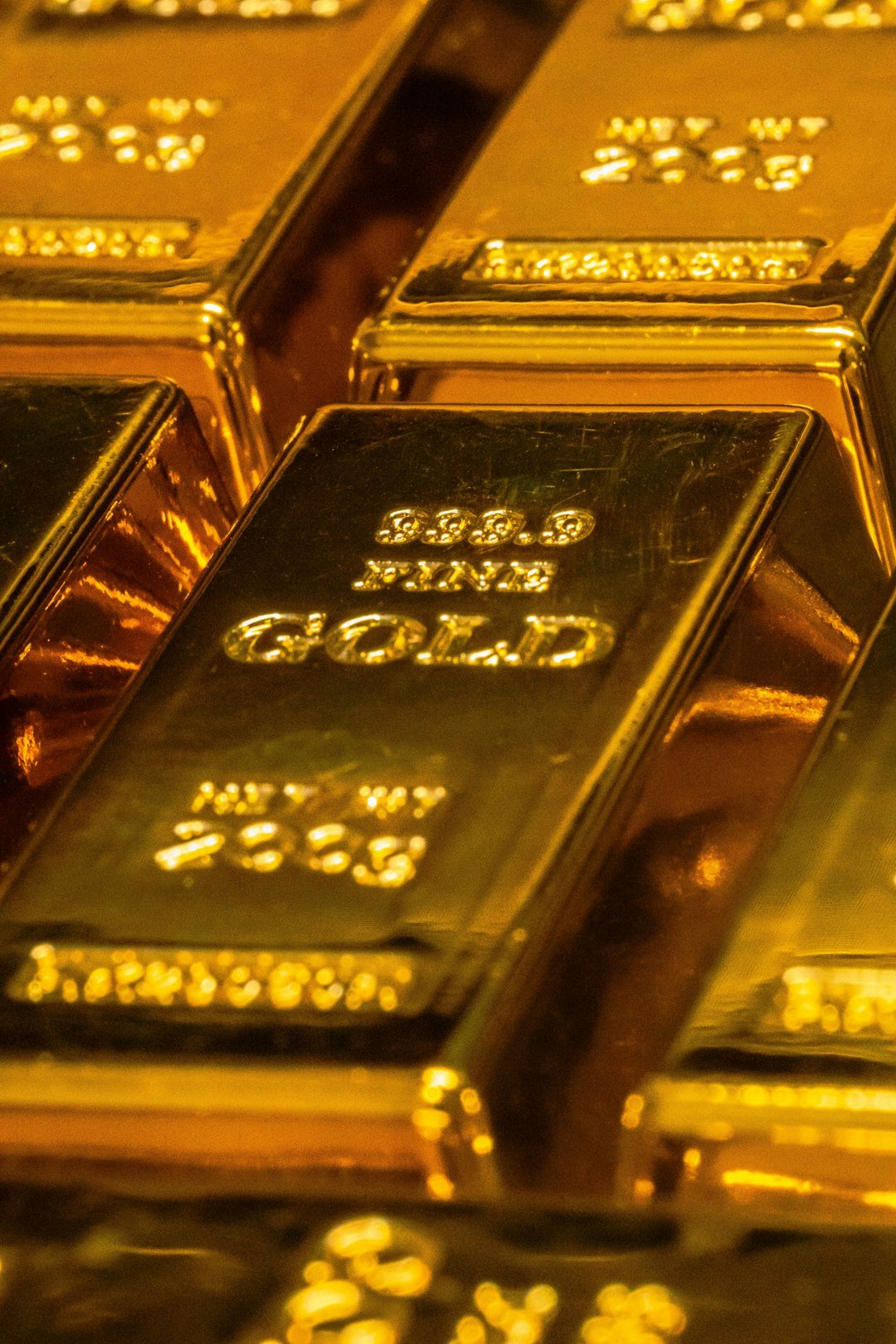
It might surprise you to learn that retail investors are now big players in the gold market. Daniel Ghali, a Senior Commodity Strategist at TDS, says, “Hedge funds and retail trump central banks in Gold.”
This change shows a big shift in how the market works. Retail investors are now key players. In recent months, they and hedge funds have brought in much more gold than central banks.
So, the gold market is seeing new forces at work. Knowing about these changes can help you make better choices.
Key Takeaways
- Retail investors are increasingly influencing the gold market.
- Hedge funds and retail investors have surpassed central banks in gold trading.
- Market dynamics are shifting due to the growing role of retail investors.
- Inflows from retail participants have been significantly larger than those from the official sector.
- Understanding these changes is crucial for making informed investment decisions.
The Evolving Landscape of the Gold Market
Gold has always been a top choice for investors when the economy is shaky. Its market is always changing. Knowing the history and who’s involved is key when you think about investing in gold.
Historical Context of Gold as an Investment
Gold is a safe-haven asset that draws investors in tough times. It’s seen as a shield against inflation and when currencies lose value. Gold’s history shows it’s always in demand, more so during global crises or economic slumps.
“Gold is a store of value that has been recognized for centuries, making it a unique asset in the investment world.”
Traditional Market Participants and Their Influence
Central banks and big investors have always led the gold market. Central banks hold a lot of gold, shaping the market. Hedge funds and pension funds also play a big part by deciding how much gold to buy.
| Market Participant | Influence on Gold Market |
|---|---|
| Central Banks | Hold significant gold reserves, impacting market supply |
| Institutional Investors | Drive demand through large-scale investment decisions |
| Retail Investors | Increasingly participating in the gold market through various investment products |
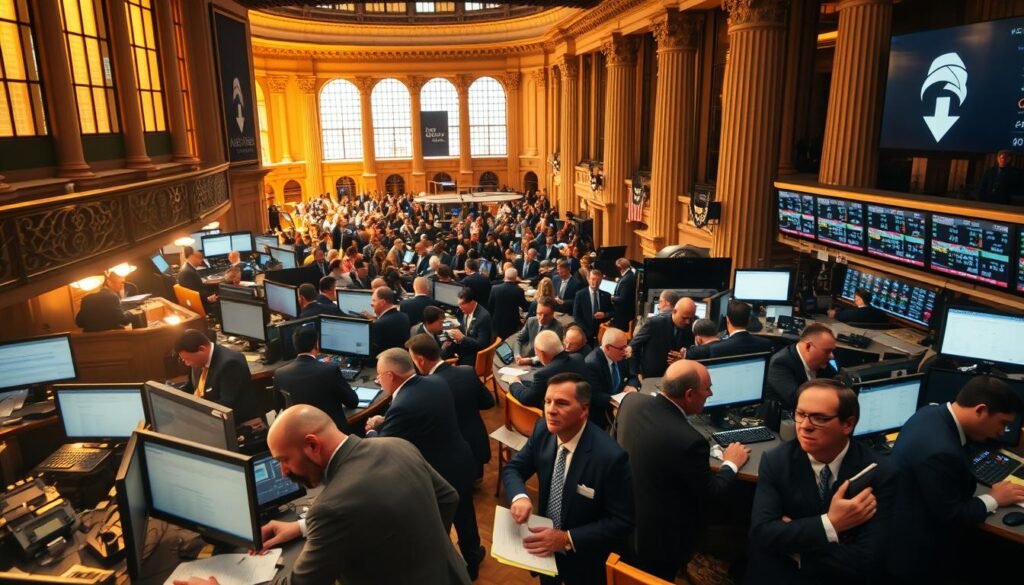
The gold market is changing, and it’s important to know who’s involved. This includes both old players and new ones like retail investors. Understanding their roles helps you navigate this complex market.
Understanding Retail Investors in Commodity Markets
Exploring the gold market, we see how retail investors shape its dynamics. You, as an individual investor, play a key role in this shift. This demographic is changing the way we trade commodities.
Definition and Characteristics of Retail Investors
Retail investors are those who buy and sell securities for their own accounts. They have different goals, risk levels, and time frames than big investors. Key characteristics include:
- Investing for personal accounts
- Diverse investment goals and risk tolerance
- Typically smaller investment amounts compared to institutional investors
The Growing Accessibility of Gold Investments
Gold investments are becoming more accessible to retail investors. This is thanks to digital platforms and physical options.
Physical Gold Options for Individual Investors
You can invest in physical gold like coins and bars. This method lets you hold a tangible asset. American Gold Eagles and Canadian Gold Maple Leafs are popular choices.
Digital Gold Investment Platforms
Digital platforms let you invest in gold online without physical storage. They make it easy to buy and sell gold with lower investment needs. Benefits include:
- Convenience and ease of use
- Lower barriers to entry
- Flexibility in buying and selling

The Rise of Retail Participation in Gold Trading
Retail participation in gold trading has seen a big jump, starting a new chapter in the precious metals world. This change is more than just a passing trend. It’s a major shift that’s changing the gold market’s face. Let’s dive into what’s behind this trend and how it’s affecting the gold market.
Statistical Evidence of Increased Retail Activity
Recent numbers show more retail investors are getting into gold. Data reveals a big rise in retail activity, with more people buying gold-backed products. For example, gold ETF holdings and sales of gold coins and bars to individuals are up.
This shows a clear trend towards more people investing in gold. These statistics paint a picture of a market where more individuals are playing a role.
Demographic Shifts in Gold Ownership
The people buying gold are changing too. Younger investors are now more likely to invest in gold. They want to spread out their investments and protect against economic risks.
This shift in demographics is important. It brings fresh views and investment habits to the gold market. Understanding these changes is crucial for predicting the future of gold trading.
Digital Platforms Democratizing Gold Investments
Digital platforms are making gold investments more accessible to everyone. Before, investing in gold was hard because of high costs and limited access. Now, mobile apps and online brokerages have changed this. They offer easy-to-use interfaces and simple processes.
Mobile Apps and Online Brokerages
Mobile apps and online brokerages have made investing in gold easier. They give users real-time market data and educational tools. With just a few clicks, you can buy and sell gold investments.
Apps like Goldmoney and Coinbase let you buy gold and other precious metals on your phone.
Fractional Ownership and Micro-Investing Options
Fractional ownership and micro-investing options have made gold investments more accessible. Platforms like Goldco and Augusta Precious Metals let you buy small parts of gold. This makes investing in gold more affordable for new investors.
This change has opened gold investing to more people. It allows more people to add gold to their portfolios.
Gold ETFs and Their Appeal to Individual Investors
Gold ETFs have changed how we invest in gold, making it easier and more convenient. These Exchange-Traded Funds let you invest in gold without needing to store it physically. This makes them a popular choice for many.
Growth Trends in Gold ETF Holdings
In recent years, gold ETF holdings have grown a lot. This shows more people want to invest in gold. They like how easy it is to trade and buy and sell shares all day, just like stocks.
Comparison with Traditional Physical Gold Ownership
Gold ETFs differ from owning physical gold. Physical gold needs storage and can be hard to manage. But, gold ETFs offer a simpler way to invest. You can easily add gold ETFs to your portfolio, which follow the gold price.
Cost Considerations for Retail Investors
Gold ETFs are also cheaper. They have lower management fees than other funds. This makes them a good choice for investors who watch their costs.
Liquidity and Accessibility Factors
Gold ETFs are also very liquid. This means you can quickly sell or buy your shares. This quick access is a big plus for investors who like to act fast on market changes.
Social Media’s Influence on Gold Market Sentiment
The gold market is affected by social media, with Reddit and Twitter changing how people invest. Online communities are growing and becoming more powerful. It’s important for investors to understand their impact on gold market sentiment.
Reddit, Twitter, and Investment Forums
Reddit and Twitter are where investment talks happen. Sites like r/investing and r/gold share news and analysis. Here, investors can:
- Share tips and strategies
- Talk about market trends
- Discuss how global events affect gold prices
This sharing of info can greatly influence investment choices. It can also affect the market as a whole.
The “Herd Mentality” Phenomenon in Gold Trading
The “herd mentality” is when investors follow the crowd. This can cause gold prices to move quickly. When many investors:
- Invest in the same way
- Drive up demand and prices
- Can lead to market bubbles or crashes
Knowing about this is key for smart investing in gold. It helps investors make their own choices, not just follow others.
As social media shapes the gold market, staying informed is crucial. Being aware of herd mentality and having a solid investment plan helps you navigate gold trading.
Retail Investors vs. Institutional Players: Shifting the Balance
Retail investors are changing the gold market. They are now a big part of the game, unlike before. This change is not just about numbers. It’s a big shift in how the market works and reacts to different things.
Comparative Market Share and Trading Volumes
Retail investors are making their mark in the gold market. They are now a big part of the trading volumes. This is a big change from when big investors were the only ones playing.
| Investor Type | Market Share (%) | Average Trading Volume |
|---|---|---|
| Retail Investors | 35% | $1.2 billion |
| Institutional Players | 65% | $2.5 billion |
The table shows that while big investors still have more power, small investors are catching up. Their trading is getting bigger.
Different Investment Strategies and Time Horizons
Retail investors and big investors have different ways of investing. Small investors usually look at the long game, trying to keep their wealth safe. Big investors, on the other hand, might look for quick wins.
This difference in how they invest changes the market. Small investors help keep things stable. Big investors can sometimes make things more volatile.
Economic Factors Driving Retail Interest in Gold
Economic factors like inflation and currency devaluation are big reasons why people buy gold. As the world economy changes, more investors look for safe places to keep their money.
Inflation Concerns and Wealth Preservation
Inflation worries make people want to buy gold. When prices go up, money’s value goes down. That’s why investors turn to gold, which keeps its worth.
Warren Buffett once said, “Gold is a way of going long on fear”. This shows gold’s role in protecting against economic doubts.
Currency Devaluation and Safe Haven Demand
When money’s value drops, people seek gold. It’s seen as a way to keep buying power. Gold’s value is known worldwide, making it a top choice.
Gold also becomes more appealing during times of political stress and economic trouble. It’s key for a well-rounded investment plan.
As investors deal with the world’s economic ups and downs, gold’s popularity will likely stay high. This is thanks to these economic factors.
The Pure Gold Play: How Retail Demand Affects Physical Markets
More and more retail investors are diving into the gold market. This is making a big difference in how gold is bought and sold. You’re part of a movement that’s changing the gold market.
Coin and Small Bar Demand Trends
There’s been a big jump in demand for coins and small bars. Retail investors want something they can hold in their hands. They’re choosing coins like the American Gold Eagle because they’re well-known and backed by the government.
This rise in demand is because people want something secure and real. Mints and refiners are trying to keep up, but they’re often short on supply.
Premium Fluctuations in Retail-Sized Products
Retail investors are seeing big changes in the prices of gold products. The premium is what you pay over the gold’s spot price. It changes a lot based on the product, brand, and market conditions.
Regional Variations in Premiums
Premiums for gold products vary a lot by region. This is because of local demand, how well the supply chain works, and market trends. For example, Asian markets often see higher premiums during holidays and festivals.
Supply Chain Impacts on Retail Products
The supply chain is key in setting prices and availability of gold products. Any problems or inefficiencies can cause premium increases or shortages. This directly affects the investors who buy these products.
The Impact of Gold Price Volatility on Retail Behavior
Gold price changes greatly affect how people buy and sell gold. Investors face tough choices because of these price swings.
Psychological Responses to Price Fluctuations
The ups and downs in gold prices can really get to people. Price changes can make investors feel all sorts of emotions. They might feel excited when prices go up or worried when they go down.
Some investors might get scared and not want to buy gold when prices are moving a lot. Others might see it as a chance to make a lot of money.
Buy-the-Dip Mentality Among Retail Traders
Many traders follow the “buy-the-dip” strategy. They buy gold when prices are low, hoping they’ll go back up. This way, they think they can make money in the long run.
More and more investors are using this strategy. They want to buy gold when it’s cheaper. But, they need to stay smart and watch the market closely because it can change fast.
Regional Variations in Retail Gold Demand
Retail gold demand varies greatly around the world. This is due to different cultures and economies. Each region has its own way of viewing gold, which affects how people invest in it.
Asian Markets vs. Western Investors
In Asia, countries like India and China love gold. It’s not just for investment; it’s also a big part of their culture. Gold is used in jewelry and as a sign of wealth.
On the other hand, Western investors see gold as a financial tool. They often buy gold ETFs or stocks in gold mining companies.
| Region | Primary Form of Gold Investment | Cultural Significance |
|---|---|---|
| Asia | Jewelry, Physical Gold | High; used in ceremonies and as a symbol of wealth |
| Western Countries | Gold ETFs, Mining Stocks | Moderate; viewed as a financial asset and hedge against inflation |
Cultural Factors Influencing Gold Ownership
Culture plays a big role in how people own gold. In Asia, gold is seen as a safe investment and is passed down through generations. In the West, gold is viewed more as a financial asset to protect against economic downturns.
It’s important for investors to understand these cultural differences. Knowing why people invest in gold in different ways can help you make better choices.
The Gold Market’s Response to Retail Investor Trends
More retail investors are joining the gold market. This has led to new products and marketing plans. They want easy and affordable ways to invest in gold.
Product Innovation Targeting Individual Investors
The gold market is seeing a lot of new products. Digital gold platforms let investors buy and store gold online. This makes it easier than ever.
Fractional gold ownership lets people buy small amounts of gold. This lowers the cost of entry. It helps retail investors add gold to their portfolios.
Also, gold-backed ETFs and other exchange-traded products are popular. They let investors buy gold without needing to store it physically. These products are easy to trade and offer flexibility.
Marketing Strategies Appealing to Retail Sentiment
Marketing in the gold industry is changing too. Companies are using social media platforms and online ads to reach more people. They create interesting content and target ads to attract new customers.
Some companies are also making educational content about gold investments. This helps build trust and shows they know a lot about gold.
Analyzing Gold Market Price Movements: Retail vs. Institutional Influence
When we look at gold market trends, it’s key to know the difference between retail and institutional investors. Both groups have big roles in how prices move in the gold market.
Short-term Price Action and Trading Patterns
In the short term, gold prices can change a lot because of retail investors. Technical analysis indicators show patterns that come from retail, like the “buy-the-dip” strategy seen during market drops.
Technical Analysis Indicators of Retail Activity
Tools like the Relative Strength Index (RSI) and Moving Average Convergence Divergence (MACD) give clues about retail behavior. For example, a high RSI might show that prices are too high because of too much buying by retail.
Long-term Structural Market Changes
But, in the long run, it’s the big investors who really shape the gold market. They make decisions based on deep analysis and big economic trends.
Volume Analysis During Major Market Moves
Looking at trading volume during big price changes can tell us who’s leading the market. For instance, a big jump in volume when prices go up might show that big investors are buying a lot.
A recent report said, “More retail investors in the gold market are changing how prices move.” This change shows why it’s crucial to understand both retail and big investor roles in gold market trends.
Case Studies: Major Gold Market Events Driven by Retail Investors
The gold market has seen big changes lately, thanks to more retail investors. These events show how retail investors can change the gold market.
Let’s look at two key examples of how retail investors have influenced gold market events.
The 2020 Pandemic Rally
The COVID-19 pandemic caused a worldwide economic crisis. This led to a rise in gold prices as people looked for safe investments. Retail investors were key in this gold market surge.
Key statistics from the 2020 pandemic rally:
| Indicator | Value |
|---|---|
| Gold Price Peak | $2,065 per ounce |
| Retail Investor Participation | Increased by 30% |
| Gold ETF Inflows | $30 billion |
As the pandemic grew, more retail investors turned to gold, pushing prices up. This surge was marked by a big jump in retail investor involvement. Many bought gold online.
Reddit-Fueled Precious Metals Squeeze Attempts
Another event was when retail investors on Reddit tried to squeeze the precious metals market, including gold. This was a group effort by individual investors to challenge big market players.
“The attempt to squeeze the precious metals market was a remarkable display of retail investor power, highlighting the potential for coordinated action in the digital age.”
The Reddit-fueled squeeze attempts showed the growing power of retail investors in the gold market. They also showed how social media can boost their influence.
These case studies show that retail investors are becoming more important in the gold market. The pandemic rally and Reddit-fueled squeeze attempts are examples of how individual investors can move markets.
Future Outlook: Will Retail Investors Continue to Shape the Gold Market?
The gold market’s future will be shaped by retail investors. This is thanks to new technologies and changes in who invests. It’s important to know what will keep retail investors interested in gold.
Technological Developments and Accessibility
Technology has made investing in gold easier for everyone. Now, you can buy and sell gold online with just a few clicks. This ease of use is expected to draw more people into the gold market.
Generational Wealth Transfer Implications
Generational wealth transfer is also key to the gold market’s future. Younger people inheriting wealth will likely have different investment choices. A recent survey shows this shift:
| Investment Preference | Older Generation | Younger Generation |
|---|---|---|
| Traditional Assets | 60% | 30% |
| Digital Assets | 20% | 50% |
| Gold and Precious Metals | 20% | 20% |
This change in investment choices will affect gold demand. As the market evolves, understanding these shifts is vital for smart investing.
Conclusion: The New Dynamics of the Gold Market
The gold market is changing fast, thanks to more retail investors joining in. This shift has made individual investors a big part of the game. You’ve seen how the way people invest in gold is evolving.
You’re part of a growing group that’s changing the gold market. Digital tools and apps have made it easier to invest in gold. This has brought more people into the market, changing how things work.
The market is responding with new products and ways to reach out to investors. As more people invest, you can expect even more changes. It’s important to keep up with these changes to make smart choices.
The gold market’s future looks bright, with new tech and wealth passing to younger generations. As you move through this changing world, staying up-to-date will help you succeed.