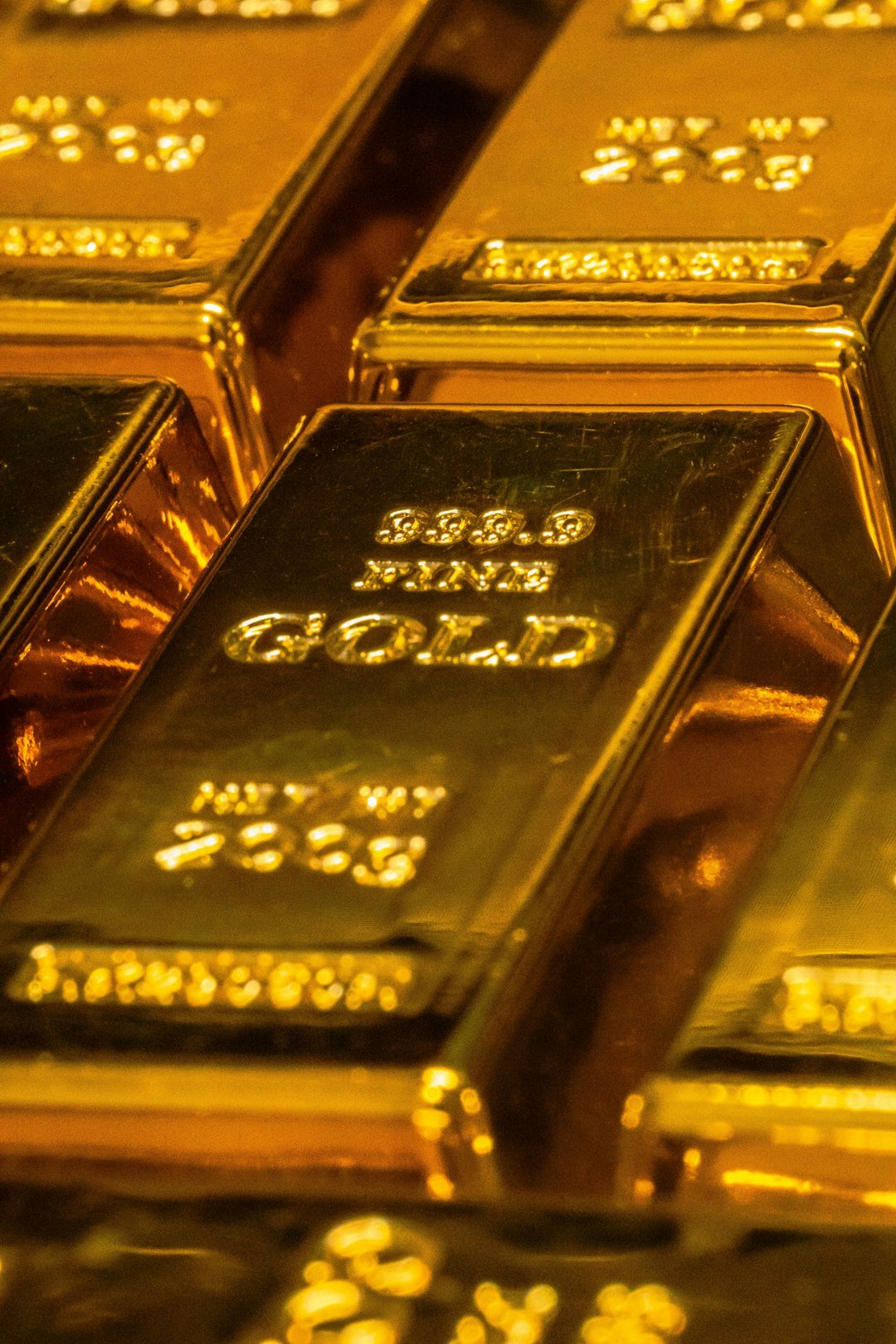
In 2025, you’re probably thinking about how to keep and grow your wealth. The economy is changing fast, with inflation, interest rates, and world events all affecting your money. It’s more important than ever to make smart choices with your investments.
For years, people have chosen gold and real estate to protect their wealth. But which one is best for you? Knowing the good and bad of each option is key.
The argument over gold vs real estate has been around for a long time. By looking at their past and present roles, you can decide better about your property investment plans.
Key Takeaways
- Understand the historical performance of gold and real estate in various economic conditions.
- Learn how to diversify your portfolio with a mix of gold and real estate investments.
- Discover the benefits and drawbacks of investing in gold versus real estate.
- Explore strategies for using gold and real estate to preserve wealth.
- Gain insights into the current market trends and outlook for gold and real estate.
The Historical Role of Gold and Real Estate as Wealth Preservers
Exploring wealth preservation means looking at gold and real estate’s past roles. Both have protected wealth for centuries, but in different ways.

Gold’s Ancient Legacy as a Store of Value
Gold has been a sign of wealth and success for ages. It’s a trusted way to keep value across many cultures. Its rarity, durability, and hard production make it a global standard for wealth.
Gold’s value isn’t just about its worth. It also keeps its buying power over time. It has protected investors from inflation and economic troubles, offering a safe place to put money.
Real Estate’s Evolution as a Wealth Building Asset
Real estate has grown into a key wealth builder. It started with owning land and now includes REITs. Real estate gives a solid asset that can earn rent and grow in value, making it a top choice for wealth growth.
Real estate’s value depends on the economy, location, and how well it’s managed. Yet, it’s still a top pick for building wealth through owning or investing in property.
Understanding Wealth Preservation in Modern Economics
Wealth preservation is as vital as growth in today’s finance world. It’s key to grasp the differences between preserving and growing wealth. This knowledge is crucial for your financial strategy.
Defining Wealth Preservation vs. Growth
Wealth preservation aims to keep your assets safe from loss. On the other hand, wealth growth seeks to increase your wealth. A wealth strategy that balances both is vital for financial stability. Diversifying your assets is a good way to achieve this balance.
For example, gold is often chosen for preservation because of its stability. Real estate, through property comparison and real estate analysis, can offer both preservation and growth.
The Impact of Economic Cycles on Preservation Assets
Economic cycles greatly affect preservation assets. In downturns, gold tends to rise as a safe haven. Real estate values, though, can change with the economy. This makes real estate analysis essential for smart choices.
| Economic Condition | Gold Performance | Real Estate Performance |
|---|---|---|
| Economic Boom | Stable | Appreciating |
| Economic Downturn | Appreciating | Depreciating |
Knowing these patterns helps you make better choices for your wealth preservation.

Why Gold Remains a Premier Wealth Preservation Asset
Gold is a top choice for keeping wealth safe because of its real value, limited supply, and worldwide respect. You might wonder why gold is so valuable. Let’s explore what makes it a great choice for keeping wealth safe.
Physical Properties and Intrinsic Value
Gold’s durability and resistance to corrosion add to its value. It’s a real asset that doesn’t lose value over time, making it a solid choice. Gold is also very versatile, used in jewelry, technology, and even dentistry.
Supply Limitations and Scarcity
Gold’s scarcity boosts its value. The amount of gold available for mining is limited, and getting it is hard and expensive. This scarcity keeps gold’s value high, as demand stays strong while supply is tight.
Global Recognition and Liquidity
Gold is valued everywhere, making it easy to buy or sell. You can find gold in coins, bars, or even through financial tools like ETFs.
Central Bank Gold Reserves
Central banks worldwide trust gold, holding big reserves. The World Gold Council says central banks have been buying more gold lately. This shows gold’s key role in their reserves.
| Country | Gold Reserves (tonnes) | % of Total Reserves |
|---|---|---|
| United States | 8,133.5 | 72.3% |
| Germany | 3,363.4 | 69.5% |
| Italy | 2,451.8 | 67.4% |
Gold’s Role During Currency Crises
Gold is a safe choice when currencies or economies are shaky. As
“In times of uncertainty, investors flock to gold as a store of value and a hedge against inflation or currency devaluation.”
This was clear in the 2008 financial crisis, when gold prices went up as people looked for safe investments.
Understanding gold’s special qualities, limited supply, and global respect shows why it’s a top choice for keeping wealth safe. Whether you’re an experienced investor or just starting, gold is worth thinking about for your wealth strategy.
Real Estate as a Wealth Preservation Asset
Real estate is great for keeping wealth safe because it can make money and grow in value. When you think about adding real estate to your wealth portfolio, knowing its special features is key.
Tangibility and Utility Value
Real estate is something you can touch and see, giving you a feeling of safety and control. It’s different from things you can’t hold, like stocks, because it has real value. This value comes from being able to rent it out or use it yourself.
Income Generation Potential
Real estate is good at making money through rent. This steady income can help pay for the mortgage, upkeep, and other costs of owning property.
Location-Based Appreciation
The value of real estate depends a lot on where it is. Places with high demand and limited supply usually see bigger increases in value. Knowing about different markets is important for smart investing.
Prime vs. Secondary Markets
Prime markets, with their high demand and limited supply, usually offer more stable and possibly higher returns. Secondary markets might have lower initial returns but could still grow in value over time.
Commercial vs. Residential Properties
Commercial and residential properties both have their own pros and cons. Commercial properties might make more money through rent but can be more affected by the economy. Residential properties are often more stable but might not make as much money.
To show the differences between commercial and residential properties, here’s a comparison:
| Property Type | Rental Yield | Market Stability |
|---|---|---|
| Commercial | Higher | More volatile |
| Residential | Lower | More stable |
By knowing these things and how they affect your wealth strategy, you can make better choices about real estate investments.
Comparing Historical Performance: Gold vs. Real Estate
Gold and real estate have shown different trends over time. Looking at their past performance can help us understand their role in keeping wealth safe. This includes how they behave during economic downturns.
Long-term Price Appreciation Trends
Gold and real estate have grown in value in different ways. Gold has kept its worth for centuries, often going up when the economy is shaky. Real estate, on the other hand, has generally gone up over time. This is due to more people moving to cities and land being scarce.
Key statistics:
- Gold prices have increased by an average of 8% per annum over the past decade.
- Real estate values have appreciated by around 4-5% annually over the same period.
Performance During Economic Crises
Gold and real estate act differently in economic crises. Gold is seen as a safe place to put money, with its value going up when times are tough. Real estate, though, can be more unpredictable. Its value and income from renting might drop.
“In times of economic uncertainty, investors often flock to gold as a store of value, while real estate can be more challenging to liquidate.”
Knowing how these assets perform in tough times is key to protecting wealth.
Inflation Protection: How Gold and Real Estate Respond
Inflation is coming, and knowing how gold and real estate react is key. Both are seen as ways to protect against inflation, but they act differently.
Gold’s Reputation as an Inflation Hedge
Gold is known for fighting inflation. Its value usually goes up when inflation does, making it a favorite for those wanting to keep their wealth safe. Gold’s value and global acceptance help it keep its buying power over time.
Gold’s success in fighting inflation comes from several reasons. Its supply is small, and it’s not affected by the same economic issues as paper money. So, gold often does well when inflation is high, offering a safe place for your money.
Real Estate’s Inflation-Adjusted Returns
Real estate also fights inflation, mainly through rental income and property value increases. As inflation goes up, so do rents and property values, offering a natural defense against inflation. Real estate’s solid nature and income-generating ability help it keep up with inflation.
When looking at real estate for your strategy, pick areas with strong growth and high rental demand. This way, your real estate investments can grow with inflation, helping your overall strategy.
Liquidity and Transaction Costs Comparison
When looking at assets for keeping wealth safe, knowing about liquidity and transaction costs is key. Gold and real estate have different qualities that affect how easy they are to sell and the costs of buying and selling.
The Ease of Buying and Selling Gold
Gold is known for being very liquid. You can quickly buy and sell it in many forms, like coins, bars, and ETFs. The costs of trading gold are usually low, thanks to reputable dealers and established markets. For example, the difference in buying and selling gold prices is small, which is good for investors.
Key benefits of gold’s liquidity include:
- Quick conversion to cash
- Low transaction costs
- Global recognition and acceptance
Real Estate’s Liquidity Challenges and Costs
Real estate, though, has big liquidity problems. Selling a property can take months, and the costs are much higher than gold. These costs include agent fees, legal expenses, and repair costs to get the property ready. A study shows that real estate transaction costs can be 5% to 7% of the sale price.
| Transaction Cost | Gold | Real Estate |
|---|---|---|
| Average Cost | 1%-2% | 5%-7% |
| Liquidity | High | Low |
As Warren Buffett said, “Price is what you pay. Value is what you get.” Knowing about the liquidity and transaction costs of your assets helps you make smart choices. This way, you can better protect your wealth.
“Liquidity is the lifeblood of any investment portfolio.”
Tax Implications for American Investors
As an American investor, knowing how taxes affect your gold and real estate investments is key. The way these assets are taxed can greatly influence your financial strategy.
Gold Taxation: Collectibles vs. ETFs
Gold investments are taxed differently based on their form. Physical gold is seen as a collectible by the IRS, facing a maximum tax rate of 28%. Gold ETFs, on the other hand, are taxed like securities, with standard rates.
Capital Gains Considerations
When you sell gold, you must report the gain or loss on your taxes. The tax rate depends on how long you held the gold. Short-term gains, held for a year or less, are taxed as regular income. Long-term gains, held over a year, are taxed at a lower rate.
IRA and Retirement Account Rules
Gold investments in IRAs or retirement accounts have special tax rules. For example, gains in a traditional IRA are tax-deferred, meaning you won’t pay taxes until you withdraw. But, if you have gold in a Roth IRA, qualified withdrawals are tax-free.
Real Estate Tax Advantages and Considerations
Real estate investments come with tax benefits that can lower your tax bill. One big advantage is the ability to depreciate the property’s value over time, reducing your taxable income.
1031 Exchanges and Depreciation Benefits
A 1031 exchange lets you delay capital gains taxes by reinvesting in similar properties. This is a powerful tool for growing your real estate portfolio without big tax hits.
Property Tax Implications
Real estate investments also face property taxes, which change based on the property’s location. Knowing these taxes is key to accurately calculating your investment’s return.
Understanding the tax implications of your gold and real estate investments helps you make better choices. It can also help you lower your taxes. Always talk to a tax expert to make sure you’re using all tax benefits available.
Storage, Insurance, and Maintenance Requirements
When you think about keeping wealth safe with gold and real estate, knowing about storage, insurance, and upkeep is key. Both have their own hurdles that can affect their value and your financial plans.
Securing and Insuring Physical Gold
Gold needs a safe place to be stored, like a bank safe or a home safe. Storage costs can change based on how secure it is and where it is. For example, a bank’s safe might cost you each year.
Getting insurance for your gold is also important. It protects against theft or loss. The price of insurance depends on how much gold you have and how safe it is.
Property Management and Ongoing Expenses
Real estate, on the other hand, needs property management for upkeep, tenant checks, and rent collection if you rent it out. These services cost between 8% to 12% of the monthly rent. You also have to plan for ongoing costs like property taxes, insurance, and repairs.
These expenses can cut into your profits. So, it’s important to include them in your investment plans.
Knowing these details helps you decide if gold or real estate is better for keeping your wealth safe.
Current Market Analysis: Gold vs. Real Estate in 2023
The year 2023 is a special time for investors, with gold and real estate markets facing different challenges. It’s important to understand the current trends and conditions to make smart choices.
Gold Market Trends and Price Drivers
In 2023, the gold market is reacting to global economic worries. Central banks’ buying and investor mood are key in setting gold prices. Gold prices have been up and down, with a big jump in the first quarter because of world tensions.
“The gold market is always influenced by a mix of economic indicators and investor behavior,” notes a financial analyst. “In 2023, we’re seeing a continuation of this trend, with prices reacting to inflation concerns and currency fluctuations.”
U.S. Real Estate Market Conditions
The U.S. real estate market in 2023 shows different trends in different areas. Housing demand and supply chain issues are affecting prices and availability. Investors should look at markets that are doing well and have growth potential.
- Major metropolitan areas are experiencing a slowdown in price appreciation.
- Certain suburban and rural areas are seeing increased demand due to remote work trends.
By understanding these dynamics, you can make more informed decisions about your investments in the real estate sector.
Diversification Benefits and Portfolio Allocation
Diversification is key to protecting your wealth. It involves spreading your investments across various asset classes. This helps reduce risks and boosts the chance of long-term financial stability.
Gold and real estate are two assets that bring unique benefits to a portfolio. They help diversify your investments.
Correlation Between Gold, Real Estate, and Traditional Assets
It’s important to understand how gold, real estate, and traditional assets like stocks and bonds relate to each other. Gold often moves differently than traditional assets, acting as a safe haven during downturns. As Ray Dalio, founder of Bridgewater Associates, once said, “Diversification is the only free lunch in finance.”
Real estate has a more complex relationship with stocks. It can move with stocks during good times but also offers a tangible asset for steady income.
Optimal Allocation Strategies for Wealth Preservation
Finding the right mix of gold, real estate, and traditional assets depends on your financial goals and risk tolerance. A common approach is to put a part of your portfolio in gold to protect against inflation and market swings. Real estate can help grow your wealth over time and provide income.
A diversified portfolio is not just about spreading risk; it’s about creating opportunities for growth. It’s wise to get advice from a financial advisor to create a strategy that fits your needs.
By diversifying your investments, you can face the challenges of wealth preservation better. This approach can lead to a more stable financial future.
Alternative Investment Vehicles: Beyond Physical Ownership
You don’t have to own physical assets to invest in gold and real estate. Alternative investment vehicles offer many options. They bring flexibility, diversification, and the chance for big returns. It’s key to know the different alternatives when choosing where to invest.
Gold ETFs, Mining Stocks, and Futures
There are many ways to invest in gold. Gold ETFs let you invest in gold without storing it. They follow gold’s price, making it easy to get into gold investing. Mining stocks let you invest in companies that mine gold, possibly benefiting from their growth.
Futures contracts allow you to buy or sell gold at a set price later. This is a more complex strategy, often for hedging or speculation. Each option has its own risks and benefits, so it’s important to understand them before investing.
REITs, Crowdfunding, and Fractional Real Estate
Real estate investing has changed, with options beyond owning property. REITs (Real Estate Investment Trusts) let you invest in many properties, giving rental income without the work. REITs trade on stock exchanges, making them liquid.
Crowdfunding platforms let many investors fund real estate projects or properties together. This makes real estate investing more accessible. Fractional real estate lets you own part of a property, making it easier to invest without buying a whole property.
These alternatives offer benefits like diversification, income potential, and access to different assets. Always do your research and think about your financial goals and risk level before investing.
Conclusion
You now know how gold and real estate can protect your wealth. Both have special qualities that meet different financial needs. This makes them great for various goals and situations.
When choosing between gold and real estate, think about your financial situation and how much risk you can take. Gold is easy to sell, carry, and is widely accepted as a value. Real estate, on the other hand, offers a place to live, can make money, and its value can grow based on location.
It might be smart to mix both gold and real estate in your investment plan. This way, you can spread out your risks and take advantage of different market chances.
In the end, picking gold or real estate depends on what you need and want. Knowing what each asset can do helps you make choices that fit your financial dreams.