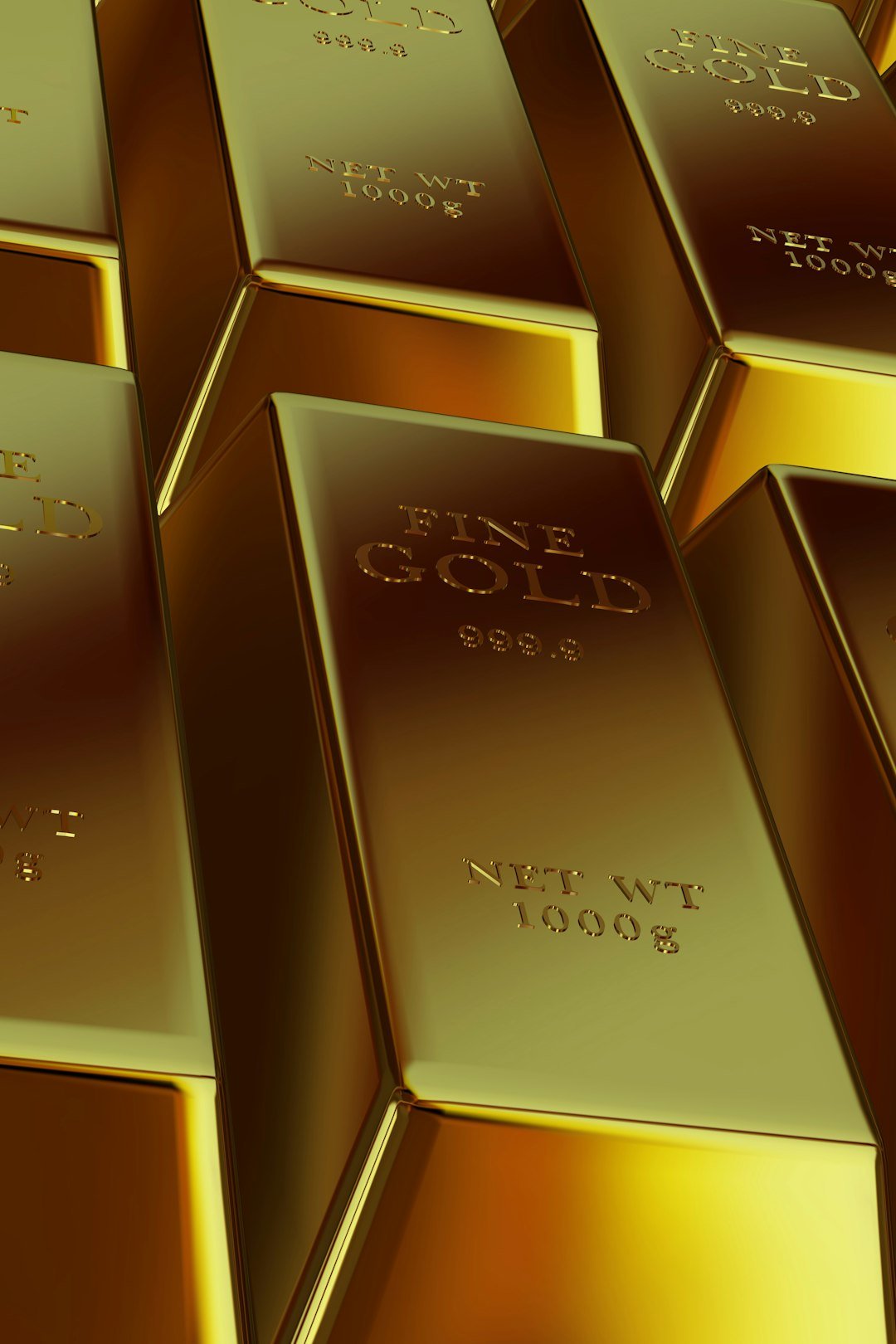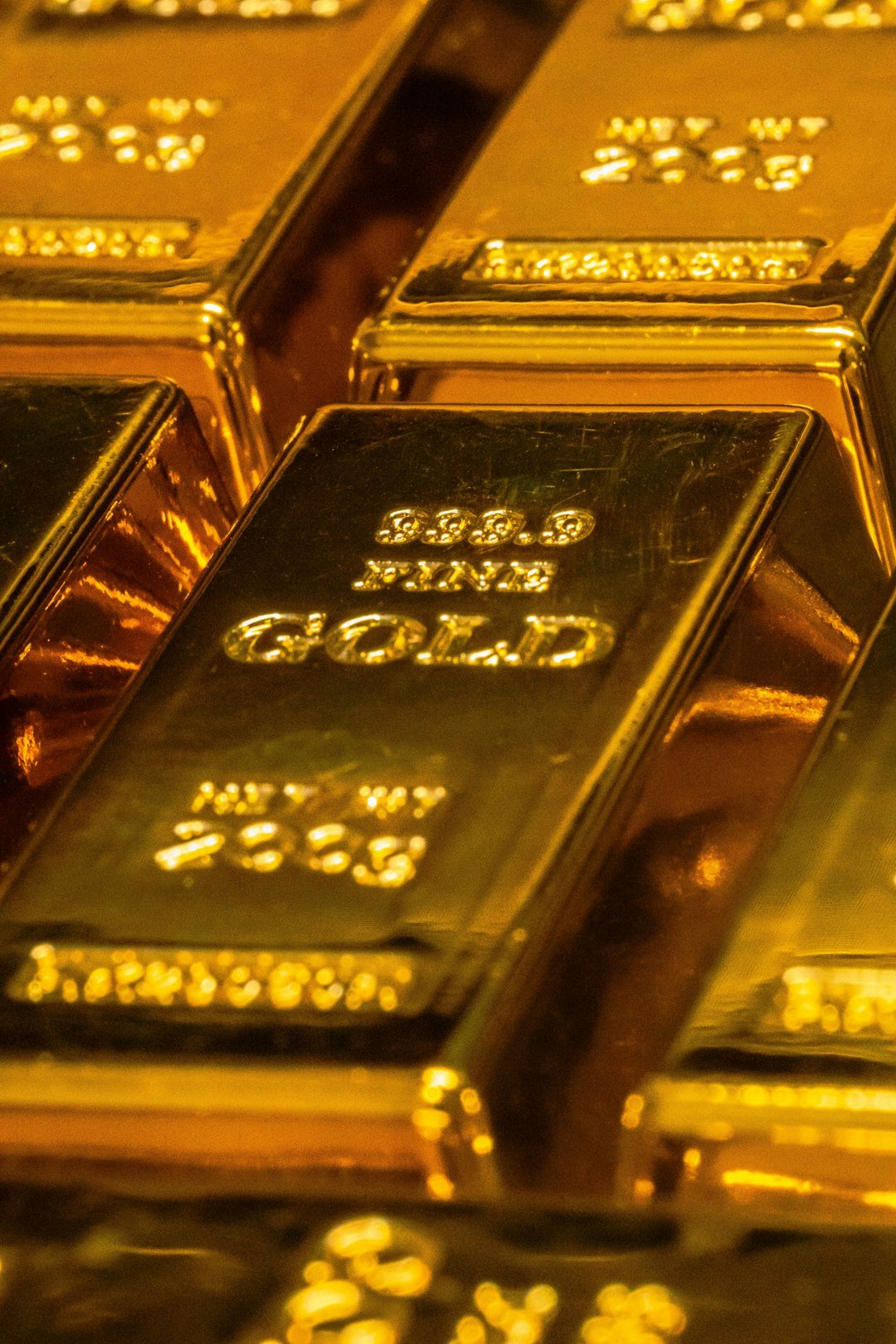
Did you know that gold has been key in money systems for centuries? In the past, a country’s money value was linked to gold. This system was called the gold standard.
Looking into gold as a global currency is fascinating. It’s important to know its history and today’s currency status. The idea of a single global currency is a hot topic among economists and finance experts.
Is gold still a good choice for a global currency, or is it old news? Let’s dive into the facts.
Key Takeaways
- The gold standard was a monetary system that tied currency value directly to gold.
- Gold has historically played a significant role in the global financial system.
- The concept of a global currency continues to be debated among experts.
- The current status of gold as a currency is complex and multifaceted.
- Understanding gold’s role can provide insights into the global financial landscape.
The Historical Role of Gold in Global Trade
Gold has played a key role in international trade for thousands of years. It started being used as money around 600 BCE in Asia Minor. This marked the beginning of its long history in global trade.

Ancient Civilizations and Gold-Based Exchange
Mesopotamian and Egyptian Gold Usage
In ancient Mesopotamia and Egypt, gold was crucial in trade and commerce. The Sumerians and Egyptians prized gold for its rarity, durability, and malleability. They used it to make coins, ornaments, and other items for trade.
Greek and Roman Monetary Systems
The Greeks and Romans also used gold in their money systems. They introduced gold coins like the Aureus. This helped standardize exchange rates and boost international trade. Gold’s role in these ancient economies set the stage for its ongoing importance in global trade.
The historical importance of gold in global trade is clear. Its role has changed over time. Yet, its value as a store of value and medium of exchange has stayed the same.
Understanding the Gold Standard Era
Understanding the gold standard era is key to knowing how modern finance evolved. The gold standard became the base of the international monetary system after 1873. It greatly influenced global trade and finance. You will learn how this era, with its different phases, affected the global economy.
The gold standard era had distinct periods, each with its own traits and challenges. Let’s explore these periods to grasp their importance.
The Classical Gold Standard (1870-1914)
The classical gold standard lasted from 1870 to 1914. It was marked by the free exchange of currencies for gold. Countries fixed their exchange rates to gold, making international trade and investment easier. This era saw economic growth and stability, thanks to the gold standard’s rules and disciplined fiscal policies.
Interwar Period Monetary Instability
The interwar period, between World War I and World War II, was unstable. Countries struggled to return to the gold standard, leading to devaluations and trade wars. The instability of this period shows the challenges of keeping a gold standard during economic stress.
Bretton Woods System (1944-1971)
The Bretton Woods system, set up in 1944, was a modified gold standard. It made the US dollar the global reserve currency, tied to gold. This system aimed to stabilize currency exchange rates and foster international economic cooperation. But, it collapsed in 1971 when the US stopped the dollar’s convertibility to gold.
| Period | Characteristics | Notable Events |
|---|---|---|
| Classical Gold Standard (1870-1914) | Free convertibility into gold, fixed exchange rates | Significant economic growth, stability |
| Interwar Period | Monetary instability, competitive devaluations | Trade wars, economic stress |
| Bretton Woods System (1944-1971) | Dollar-gold convertibility, US dollar as reserve currency | Establishment of IMF and World Bank, eventual collapse in 1971 |

The End of Gold’s Official Currency Status
In 1971, President Nixon ended the dollar’s link to gold. This move, known as the Nixon shock, changed the world of finance forever. It marked the end of gold’s role as a global currency.
Nixon Shock and Its Immediate Impact
The Nixon shock was a response to the US’s economic troubles. The country had a big trade deficit and was worried about inflation. By stopping the dollar’s link to gold, the US left the Bretton Woods system behind.
Milton Friedman called this event a turning point in global finance. It led to a big change in how countries managed their money. They started using floating exchange rates.
Transition to the Pure Fiat Currency Era
The fall of Bretton Woods started the fiat currency era. Without gold backing, governments could make money policy easier. But, this also brought new problems like inflation and keeping currency stable.
Understanding the Nixon shock and the shift to fiat currency is key today. Gold’s role in finance may have ended, but its impact still shapes policy.
Gold Reserves: How Nations Value the Yellow Metal
Gold reserves are key to a nation’s financial plan. You might ask why countries hoard gold. It’s because gold is very valuable.
Top Gold-Holding Countries
Many countries, both old and new, hold gold. Here are some of the biggest gold holders:
United States’ Strategic Reserves
The U.S. has a huge gold reserve. It’s kept in Fort Knox. This gold helps support the U.S. dollar.
Emerging Economies’ Gold Acquisition
China, India, and Russia are buying more gold. This shows they want to spread out their money.
Strategic Importance of National Gold Reserves
Gold reserves are very important for a few reasons:
- They are a safe-haven asset when times are tough.
- They help protect against inflation and currency changes.
- They can help keep the national currency strong.
Here’s a quick look at the top gold-holding countries and their gold:
| Country | Gold Reserves (Tonnes) |
|---|---|
| United States | 8,133.5 |
| Germany | 3,363.4 |
| Italy | 2,451.8 |
The Intrinsic Properties of Gold as Currency
Gold is special as a currency because of its intrinsic properties. Its value comes from its physical traits and other factors. These make it perfect for use in currency.
Physical Characteristics That Create Value
Gold’s physical properties add to its value. Some key traits include:
- Luster and Aesthetic Appeal: Gold’s beauty makes it sought after for jewelry and coins.
- Malleability: Gold can be shaped easily into different forms.
- Conductivity: It’s great at conducting electricity, adding to its industrial value.
Scarcity, Durability, and Divisibility Factors
Gold’s value also comes from its scarcity, durability, and divisibility.
- Scarcity: Gold is rare, which boosts its value and perceived worth.
- Durability: It resists corrosion and degradation well, making it a reliable store of value.
- Divisibility: Gold can be split into smaller units, offering flexibility in transactions.
These properties have made gold a valuable commodity and currency for centuries.
Fiat Currency vs. Gold: A Fundamental Comparison
When you compare fiat currency and gold, you’re looking at two different things. Fiat currency’s value comes from government rules. Gold, on the other hand, has value because of what it is.
Stability and Inflation Protection
Fiat currency can lose value quickly because of inflation. This is because of what central banks do with money. Gold, though, keeps its value over time. Gold’s rarity and lasting quality make it a good choice when money is uncertain.
Practicality and Economic Control
Fiat money is easy to use and lets banks control money supply. This affects you, whether you’re spending or investing. But, gold is hard to use every day because of its physical form.
Monetary Policy Flexibility
Fiat money lets banks change policies to help the economy. This is key during tough times. But, gold limits these changes because it’s tied to gold reserves.
Response to Economic Shocks
In crises, fiat money can lose value, but gold often goes up. Adding gold to your assets can protect you. This shows how different fiat and gold are in times of trouble.
Gold’s Performance During Economic Crises
Gold shines as a safe-haven asset during economic crises. You might ask why gold stays strong when markets falter. It’s because gold has always been a reliable store of value, protecting against inflation and currency loss.
Historical Safe Haven Status
Gold has been a safe haven for centuries. Its value goes up when investors doubt financial markets. This pattern is well-documented in history.
“Gold is a unique asset that has been a store of value for centuries, and its role as a safe haven is well-documented.”
When economic uncertainty hits, investors turn to gold. This drives up its price. Gold’s value and limited supply make it a prized asset in shaky markets.
Recent Financial Crises and Gold Price Movements
Let’s look at gold’s performance in two major crises: the 2008 Global Financial Crisis and the COVID-19 pandemic.
2008 Global Financial Crisis
In 2008, gold prices soared as investors sought safe havens. Gold’s price jumped from about $800 per ounce in early 2008 to over $1,900 by 2011’s end. This rise was due to a loss of faith in the global financial system and a rush to safety.
COVID-19 Pandemic Economic Impact
The COVID-19 pandemic also boosted gold prices. As the pandemic spread, gold prices hit new highs. Economic uncertainty, low-interest rates, and government stimulus packages drove these price increases.
In both crises, gold proved its worth as a safe haven. Its price went up as economic instability grew.
Central Banks and Their Modern Relationship with Gold
As global economic worries grow, central banks are looking at gold again. Gold has always been key in money systems. Now, it’s getting a fresh look in today’s finance world.
Contemporary Central Banking Policies
Central banks are tweaking their money plans due to world economic changes. Gold is vital in these updates. It acts as a safe-haven asset and a shield against inflation. The World Gold Council says, “Gold is a unique asset that doesn’t correlate with other financial assets, making it an important diversifier in central banks’ reserve portfolios.”
Recent Trends in Central Bank Gold Acquisition
Recently, central banks have been buying more gold. They want to spread out their reserves and not rely too much on one currency.
Russian and Chinese Gold Strategies
Russia and China are leading in gold buying. They see gold as a key asset to protect against world economic risks. They aim to boost their gold holdings to gain more financial freedom.
Western Central Banks’ Perspectives
Western central banks also keep a lot of gold. Even though they buy at different rates, gold is still a big part of their money plans. The European Central Bank, for example, has one of the biggest gold reserves globally.
The bond between central banks and gold is getting stronger. They see gold as a store of value and a shield against economic troubles. As the world’s finance scene keeps changing, central banks will likely stay important in the gold market.
Pure Gold Currency: Technical Challenges and Limitations
Using gold as money again sounds good, but it faces big technical problems. It’s key to know the hurdles of a gold-only currency.
Supply Constraints and Distribution Issues
Gold’s availability is a big issue. It’s rare and hard to get. The world’s gold supply is small, making a gold currency hard to meet demand.
“Gold is not just a commodity; it’s a currency in its own right.”
Getting gold coins or bullion out there is tough. Security, cost, and setup are big worries.
Practical Implementation Hurdles
Starting a gold currency is full of practical problems. Let’s look at a couple:
Valuation and Standardization Problems
- Figuring out gold’s value against other money
- Setting a standard for gold quality in currency
These are just a few of the big challenges. Making sure gold’s value and quality are consistent is a big job.
Physical Transportation and Security Concerns
Keeping gold safe while moving it is a big problem. The cost of safe transport, security, and insurance is high. This makes transaction costs higher than digital or paper money.
In summary, while a gold-only currency is attractive, the technical issues are huge. Knowing these problems is vital for figuring out if gold can be a modern currency.
The Case For Gold-Backed Monetary Systems
As economic uncertainty grows, gold-backed monetary systems are becoming more appealing. The world economy has seen big ups and downs, making us rethink our money systems.
Economic Stability Arguments
Gold-backed systems are seen as a way to stabilize the economy. They limit how much money governments can print, which helps prevent inflation.
Key benefits of gold-backed systems include:
- Reduced inflation risk
- Increased trust in currency
- Stability in economic downturns
Protection Against Government Monetary Mismanagement
Gold-backed systems also protect against bad government money policies. History shows the dangers of unchecked money printing.
Historical Examples of Currency Debasement
In Germany’s Weimar Republic, hyperinflation made money almost worthless. A gold-backed system could have stopped this disaster.
“The depreciation of the mark is not due to any lack of confidence in the German economy, but to the excessive issue of paper money.” –
Modern Hyperinflation Cases
Recently, Venezuela faced severe hyperinflation because of bad money management. A gold-backed system might have helped avoid this.
| Country | Year | Inflation Rate |
|---|---|---|
| Germany (Weimar Republic) | 1923 | 3.25 million % |
| Venezuela | 2018 | 1.35 million % |
Looking at these examples, gold-backed systems seem like a good shield against bad money policies and economic troubles.
The Case Against Gold-Backed Currencies
Gold-backed currencies have their fans, but there are big reasons against them in today’s world. Critics say they can slow down economic growth. They also limit a government’s power to change money policies.
Economic Growth Constraints
A gold-backed currency links money’s value to gold’s availability. This can stop a country from growing its money supply. Economic growth is limited by gold’s availability, leading to deflation if there’s not enough gold.
Modern Monetary Theory Counterarguments
Modern Monetary Theory (MMT) supporters say gold-backed currencies are too strict and outdated. They believe a country’s ability to print money is key to handling economic troubles.
Flexibility Requirements in Global Crises
In global crises, a fiat currency lets governments use big monetary tools like quantitative easing. This flexibility is a big plus over gold-backed systems.
Employment and Development Considerations
MMT fans also think focusing on full employment and growth is more important than gold backing. They believe a well-run fiat currency system can better support these goals.
In summary, while gold-backed currencies have a historical place, the reasons against them today are strong. The limits on growth and crisis response make a strong case against them.
Gold in the Digital Age: Cryptocurrency Comparisons
The rise of digital gold alternatives is shaking up gold’s role as a value store. It’s key to grasp gold’s place in today’s digital world. Cryptocurrencies, like Bitcoin, are seen as gold’s digital equivalent, sparking a debate on their values and uses.
Bitcoin as “Digital Gold”
Bitcoin is called “digital gold” for its value and limited supply, like gold. You might wonder how these two compare. Gold is a physical item with real value, while Bitcoin’s worth comes from its network and perceived value.
The debate goes beyond value; it’s about being safe during economic ups and downs. Both gold and Bitcoin are seen as safe havens, but they react differently to market changes.
Gold-Backed Digital Currencies
Gold-backed digital currencies are another digital age innovation. They mix gold’s benefits with digital ease. Think of them as a link between old-school gold and new digital finance.
Existing Gold-Backed Token Projects
Many projects have created gold-backed tokens, letting users own digital gold. These tokens are backed by real gold in secure vaults. They offer the ease of digital gold ownership, making gold more accessible for investment and transactions.
Regulatory Challenges and Adoption Barriers
Gold-backed digital currencies face big regulatory hurdles. Meeting financial rules in different places is tough. Also, gaining trust in these digital currencies and their gold backing is crucial for adoption.
| Feature | Gold | Bitcoin | Gold-Backed Digital Currencies |
|---|---|---|---|
| Physical Existence | Yes | No | Backed by Physical Gold |
| Store of Value | Yes | Yes | Yes |
| Divisibility | Limited | High | High |
Global Financial Institutions’ Stance on Gold
Wondering how global financial institutions see gold? It’s key to know their views. The International Monetary Fund (IMF) and the World Bank shape the global financial scene. Their views on gold greatly affect its role in the monetary system.
IMF and World Bank Perspectives
The IMF and World Bank see gold as crucial in the global financial system. The IMF holds a lot of gold in its reserves. Both use gold as collateral or for settling financial deals.
They have different views on gold:
- Gold is a safe asset during economic uncertainty.
- It’s a reserve asset, providing stability.
- They adjust their gold reserves based on market conditions.
Private Banking Sector Views
The private banking sector, including investment and commercial banks, is also interested in gold. They see gold as an investment and a way to protect against inflation or market swings.
Investment Bank Research Positions
Investment banks publish research on gold, studying its price and investment potential. They view gold as a commodity and a value store. They suggest it as a way to diversify investment portfolios.
Commercial Banking Practices
Commercial banks deal with gold through various products, like gold accounts and loans backed by gold. They also offer services for trading and storing gold.
| Institution | View on Gold | Role in Financial System |
|---|---|---|
| IMF | Safe-haven asset, reserve asset | Holding gold reserves, using gold as collateral |
| World Bank | Safe-haven asset, used in financial transactions | Using gold in financial operations, holding reserves |
| Private Banks | Investment asset, hedge against inflation | Offering gold-related products, trading, and storage services |
In conclusion, global financial institutions have a complex view of gold. They see it as a safe asset, a reserve, and an investment. Knowing their views helps understand gold’s role in the global financial system.
Gold Investment vs. Currency Function in Today’s Economy
In today’s world, gold has many uses, from being an investment to a currency. You might wonder how to add gold to your financial plan. It could be as a way to keep value or as part of a bigger investment mix.
Store of Value vs. Medium of Exchange
Gold is often seen as a store of value, keeping its worth over time. This is because it’s rare, lasts long, and is hard to make. But, it’s not used much in daily deals. Yet, it’s key in international trade and at central banks.
Let’s look at the main differences between these roles:
| Characteristics | Store of Value | Medium of Exchange |
|---|---|---|
| Purpose | Maintaining wealth over time | Facilitating transactions |
| Liquidity | Can be less liquid | Highly liquid in specific markets |
| Usage | Investment, savings | International trade, central banks |
Investment Strategies in the Modern Economy
There are many ways to invest in gold. You might put some of your money into gold to protect against inflation or market ups and downs.
Portfolio Allocation Recommendations
Experts suggest putting 5% to 10% of your portfolio in gold. This mix can balance risk and possible gains.
Retail vs. Institutional Approaches
Individuals can buy gold through ETFs, mutual funds, or physical gold. But, big investors can use more complex tools like gold futures and options.
Think about your financial goals and how much risk you can take when investing in gold. Talking to a financial advisor can help you make a plan that fits your needs.
Geopolitical Implications of a Return to Gold-Based Monetary Systems
Switching to gold-based monetary systems could change the world’s politics. It’s key to see how gold-rich countries might gain or face challenges.
Power Shifts Among Gold-Rich Nations
Gold-based systems could change the world’s economy, mainly for countries with lots of gold. The US, China, and India, with big gold reserves, might see their economic power change.
Key Players and Their Gold Reserves:
| Country | Gold Reserves (Tonnes) |
|---|---|
| United States | 8,133.5 |
| Germany | 3,363.4 |
| Italy | 2,451.8 |
| France | 2,436.1 |
| China | 2,168.0 |
International Trade and Currency Dynamics
International trade could change with gold-based systems. Countries with lots of gold might have more say in trade deals and currency values.
BRICS Nations’ Gold Initiatives
The BRICS nations (Brazil, Russia, India, China, and South Africa) are buying more gold. This could help them use less US dollars and back their currencies with gold.
Dollar Hegemony Challenges
A gold-backed system could weaken the US dollar’s power. If other countries use gold for their currencies, the dollar’s role in trade and finance might lessen.
Future Scenarios: Could Gold Regain Global Currency Status?
The idea of gold becoming a global currency again is being looked at closely. With the world facing inflation, currency changes, and political tensions, gold’s appeal is rising. It’s seen as a stable, reliable option.
Conditions That Might Trigger a Return to Gold
Several things could make gold a global currency again. Economic instability is a big reason, as people and countries look for safe places to put their money. Loss of trust in fiat currencies because of too much money printing and high debt is another reason. Also, a rise in global economic nationalism might make countries think about gold’s role in their money systems.
Hybrid Systems and Partial Gold Standards
A future scenario might not be a full return to a gold standard. Instead, we might see hybrid systems or partial gold standards. These could mix gold’s stability with the flexibility of fiat currencies. For example, a central bank might use gold to back part of its currency, offering stability while keeping room for monetary policy changes.
Hybrid systems could be a middle ground between the strictness of a gold standard and the flexibility of modern fiat currencies. They might help gold regain some of its former status as a global currency.
Conclusion: Gold’s Enduring Monetary Significance
You’ve looked into the world of gold as a global currency. You’ve seen its history, current state, and future role. Gold still plays a key role in the world’s finances, acting as a safe place for value and a shield against economic troubles.
Gold has been important in money systems for ages, from old times to today’s banks. Its rare and lasting qualities make it appealing to investors and a standard for money. Even though the gold standard is gone, gold’s importance stays, with many banks still keeping a lot of gold.
Looking ahead, gold’s place in the world of money will keep changing. With new digital money and shifting economies, gold’s lasting value will depend on its ability to stay relevant. Gold will likely stay important, whether as a safe place for money or part of a new money system.