When you think about investing in precious metals, you might be surprised. The world has seen over $200 billion in bullion coins and bars investment recently.
This big investment shows more people want to add real assets to their portfolios. You have choices like rare coins and bullion when investing in precious metals. Knowing the differences is key to making smart choices that fit your financial goals.
To make the best investment, you need to understand bullion coins and rare coins. Both are ways to invest in precious metals, but they serve different needs and offer unique benefits.
Key Takeaways
- Understand the difference between bullion coins and rare coins.
- Learn how to choose the right investment based on your financial goals.
- Discover the unique benefits of investing in bullion coins.
- Explore the characteristics of rare coins and their investment potential.
- Make informed decisions by understanding the purposes they serve.
The Enduring Appeal of Gold Investments
Gold is seen as a symbol of wealth and a safe choice against economic ups and downs. You might ask why gold is still a favorite among investors. The reason is its long history and its value in today’s investment world.
The Historical Significance of Gold
Gold has been important for ages, used as money, a safe place to keep wealth, and a sign of power. Its value has been recognized by many cultures, used in coins, jewelry, and to decorate temples. The durability and scarcity of gold make it a trusted investment, even when the economy is shaky.

Gold’s Role in Modern Investment Portfolios
In today’s world, gold is still a key part of investment plans. It acts as a hedge against inflation and market swings, offering a safe spot for investors when the economy is uncertain. When looking at gold bullion and rare coins, it’s key to think about their unique qualities and how they fit into your investment plan.
| Investment Characteristics | Gold Bullion | Rare Coins |
|---|---|---|
| Pricing Mechanism | Based on gold spot price | Based on numismatic value and gold content |
| Investment Focus | Pure gold investment | Combination of gold content and collectibility |
| Liquidity | High liquidity due to standardized products | Liquidity varies depending on rarity and demand |
Knowing the differences between gold bullion and rare coins helps you make better investment choices. Whether you prefer a simple gold investment or something unique, both can add value to a well-rounded portfolio.
What Is Gold Bullion?
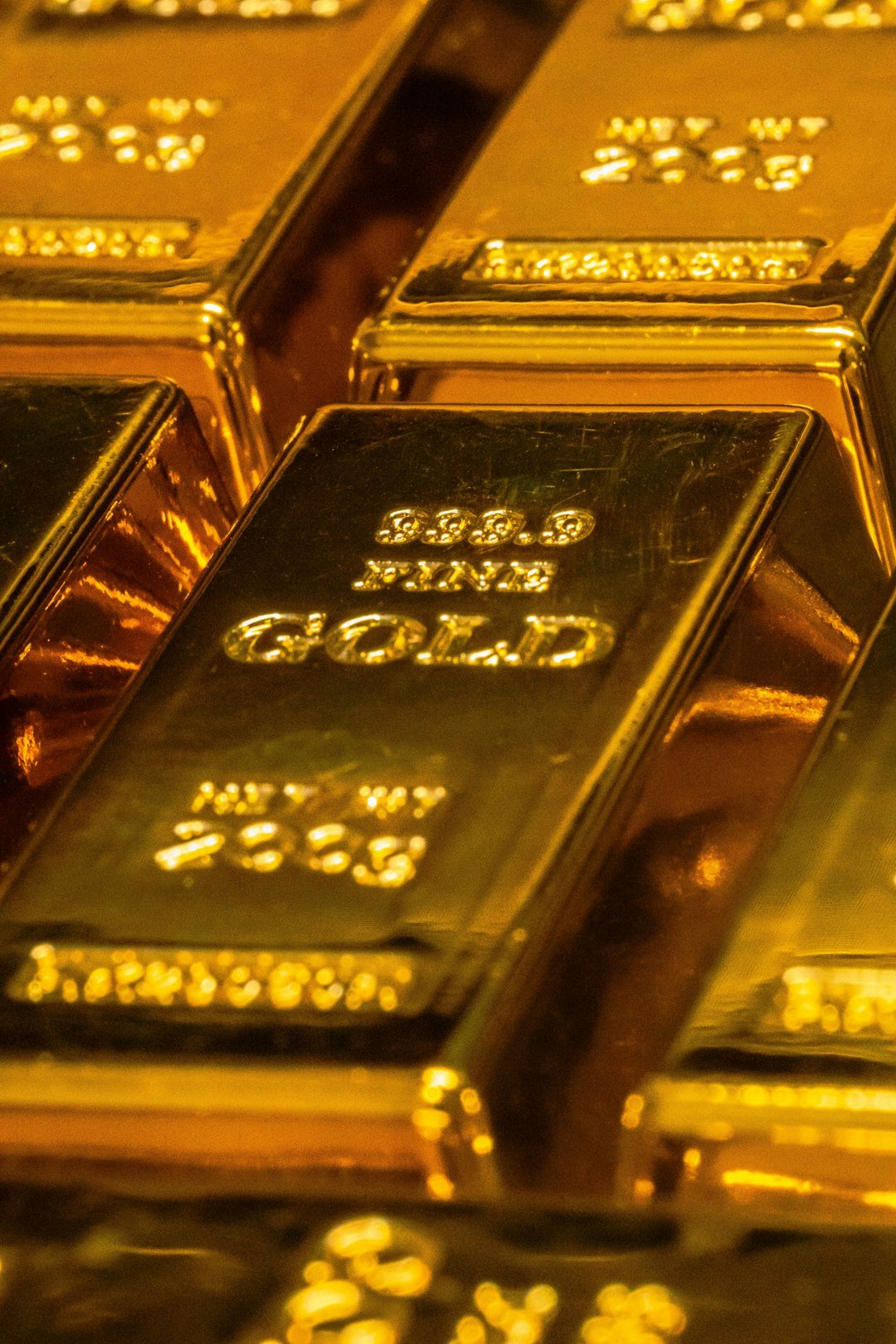
Thinking about adding gold to your investments? It’s key to understand what gold bullion is. Gold bullion includes bars, coins, or other shapes, valued for their metal content, not their collectible value.
Definition and Characteristics
Gold bullion is known for its high purity, usually 99.5% to 99.99%. This purity is what makes gold bullion valuable. It’s often stamped or hallmarked to prove its authenticity.
Common Forms of Gold Bullion
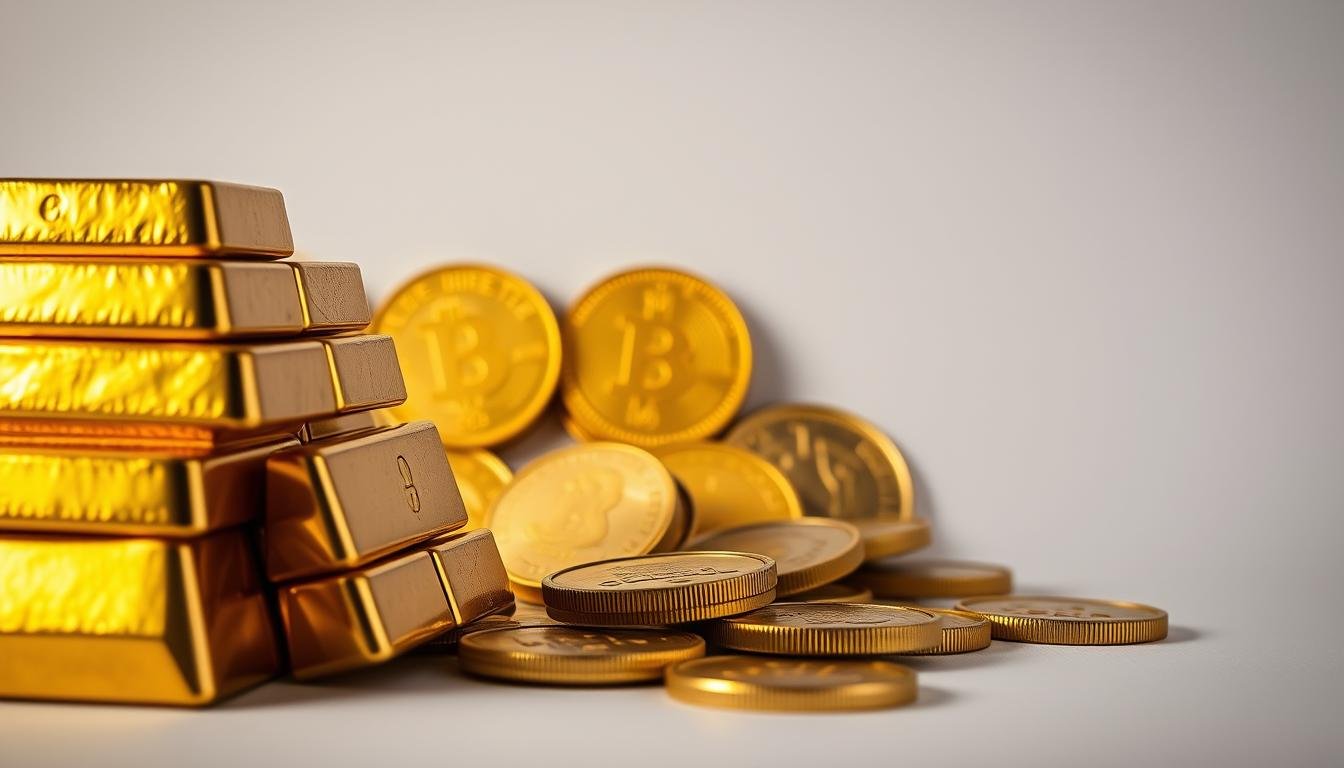
Gold bullion is available in different forms, appealing to various investors. The most common are gold bars and coins.
Gold Bars
Gold bars are favored for their simplicity and easy storage. They range from 1 gram to over 1 kilogram. The purity and weight are marked on them, ensuring they’re genuine.
Gold Bullion Coins
Gold bullion coins are prized for their gold content and minting quality. Examples are the American Gold Eagle and the Canadian Gold Maple Leaf. These coins are made by government mints and are recognized globally for their purity.

Investing in gold bullion, whether bars or coins, can enrich your portfolio. It offers a tangible asset that can protect against inflation and market ups and downs.
What Are Rare Coins?
The world of rare coins is both complex and rewarding. It attracts collectors and investors. Rare coins are valued for their metal content, rarity, condition, and historical significance. This makes them a great addition to any investment portfolio.
Definition and Characteristics
Rare coins stand out due to their limited mintage, age, and collector demand. The coin’s condition, graded by experts, greatly affects its value. Coins in better condition are more valuable.
The historical significance of a coin also adds to its value. Coins marking important events or minted during significant periods are highly sought after. Knowing these factors is key for collectors and investors in the rare coins market.
Categories of Rare Coins
Rare coins fall into two main categories: numismatic coins and semi-numismatic coins. Each category appeals to different collectors and investors.
Numismatic Coins
Numismatic coins are highly prized for their rarity, historical importance, and beauty. These coins are often older and can be in various conditions. Their value comes from their collectibility and metal content.
Semi-Numismatic Coins
Semi-numismatic coins have a significant value from their metal content, usually gold or silver. They also have some numismatic value due to their mintage or design. These coins offer a mix of investment and collectible value.
Knowing the differences between these categories helps in making informed investment decisions in rare coins. Whether you’re a seasoned collector or a new investor, rare coins offer a rich and rewarding field to explore.
Key Differences Between Gold Bullion and Rare Coins
It’s important to know the differences between gold bullion and rare coins before investing. Adding gold to your portfolio can be smart, but you need to understand the basics. This knowledge helps you make better choices.
Pricing Mechanisms
Gold bullion’s price is simple: it’s based on the current gold market rate. This makes it easy to buy or sell. Rare coins, though, have a more complex pricing. Their value depends on rarity, condition, history, and collector demand.
Value Determinants
Gold bullion’s value is clear: it’s about the gold it contains. Rare coins, on the other hand, have a more complex value. Their worth is influenced by condition, rarity, and history.
An expert once said, “Rare coins are not just gold. They’re also about their history, condition, and collector demand.”
“Rare coins are not just pieces of metal; they are pieces of history, and their value lies in their uniqueness and the stories they tell.”
Market Dynamics
The markets for gold bullion and rare coins are different. Gold bullion is widely traded and liquid, making it easy to buy or sell. Rare coins, while valuable, are in a niche market. This market can be less liquid and more volatile.
Here’s a comparison table to show the differences:
| Characteristics | Gold Bullion | Rare Coins |
|---|---|---|
| Pricing Mechanism | Based on gold content and market price | Based on rarity, condition, and demand |
| Value Determinants | Gold content | Rarity, condition, historical significance |
| Market Dynamics | Highly liquid, widely traded | Niche market, less liquid |
Knowing these differences helps you decide if gold bullion, rare coins, or both are right for you. It’s all about making informed choices based on your investment goals.
Pros and Cons of Investing in Gold Bullion
Gold bullion is a tangible asset that many investors find appealing. It offers a mix of benefits and drawbacks. Investors need to weigh these carefully before deciding.
Advantages of Gold Bullion
Gold bullion is known for its liquidity. It’s widely recognized and easy to trade. This makes it simple to buy and sell. It also avoids the risks of other investments like stocks or bonds.
Another key benefit is its role as a hedge against inflation and market ups and downs. Gold has kept its value over time. This makes it a solid choice for protecting wealth during tough economic times.
Disadvantages of Gold Bullion
Gold bullion also has its downsides. One major issue is the risk of price volatility. Gold’s value can swing a lot. Market prices can change due to many factors, like economic news and global events.
Investors also face costs for storage and security. To keep their gold safe, they might need to buy safes or use secure storage. These costs can increase the overall price of owning gold bullion.
In summary, investing in gold bullion can be a smart move for diversifying and protecting against economic risks. Knowing the pros and cons helps investors make choices that fit their goals.
Pros and Cons of Investing in Rare Coins
Rare coins blend history with potential growth. They are unique in the investment world. Knowing their pros and cons is key.
Advantages of Rare Coins
Rare coins have many benefits. They are a great investment choice for several reasons:
- Potential for Long-term Appreciation: Their value can grow over time, making them a smart long-term investment.
- Historical Significance: They connect you to history, appealing to both collectors and investors.
- Diversification: Adding them to your portfolio can spread out your risk, as they don’t follow traditional asset trends.
As Mark Twain said, “The reports of my death are greatly exaggerated.” Rare coins’ value is often underestimated, making them a hidden gem.
“The best investment is one that is both beautiful and historic, like a rare coin.”
Disadvantages of Rare Coins
Despite their benefits, rare coins have downsides to consider:
- Risk of Counterfeiting: The risk of fake coins is a big concern when investing in rare coins.
- Need for Expertise: Knowing their condition and authenticity requires specialized knowledge.
- Liquidity Challenges: Selling them can be slow, and finding a good price can be hard.
To avoid these risks, work with trusted dealers. Consider getting your coins graded and authenticated. This way, you can make smart choices for your portfolio.
Historical Performance: Gold Bullion vs. Rare Coins
Gold bullion and rare coins have different histories that affect your investment choices. It’s key to know how they’ve done over time, during tough times and in the long run. This knowledge helps shape your investment strategy.
Performance During Economic Crises
Gold bullion has been a safe-haven asset in tough times. For example, in the 2008 crisis, gold prices went up as people looked for safe places to invest. Rare coins are valuable too, but their value can also depend on how rare they are and how much collectors want them.
A study found that gold bullion usually does better than rare coins in crises. This is because rare coins can be hit by falling collector demand. Yet, some rare coins hold their value well, thanks to their unique appeal.
Long-term Appreciation Trends
Both gold bullion and rare coins have seen their value go up over time. Gold bullion’s price is closely linked to gold’s market value, which often goes up. Rare coins, though, can gain value from both gold price increases and their own unique appeal.
- Gold bullion’s value is directly correlated with gold prices.
- Rare coins can appreciate due to rarity, condition, and collector demand.
Volatility Comparison
The price swings of gold bullion and rare coins are quite different. Gold bullion prices can swing a lot, based on world economic conditions. Rare coins also face price changes, but these can be even bigger because of shifts in what collectors want.
In summary, knowing how gold bullion and rare coins have performed in the past is crucial for smart investing. By looking at their past performance in crises, their long-term growth, and price swings, you can make better choices in the gold market.
Market Factors Affecting Gold Prices and Rare Coin Values
It’s key to know what affects gold prices and rare coin values. This knowledge helps you make smart investment choices. Keeping up with market changes is essential.
Global Economic Indicators
Global economic signs greatly impact gold prices. Things like inflation rates, interest rates, and GDP growth matter a lot. When the economy is shaky, gold becomes a safe choice, which can raise its price.
Also, watch currency changes. A weaker dollar makes gold pricier for overseas buyers. This can boost demand and prices.
Supply and Demand Dynamics
Supply and demand are key to gold price changes. The gold supply comes from mining, central banks, and recycling. Demand comes from jewelry, investment, and industrial needs.
- Mining production levels
- Central bank buying and selling
- Investor demand for gold ETFs and bars
Rare coins also follow supply and demand. The number of coins available and collector interest shape their value.
Collector Trends and Market Sentiment
For rare coins, what collectors like matters a lot. The rarity, condition, and history of a coin greatly affect its value. What’s in style can change, impacting coin demand and value.
Knowing about these trends helps you invest wisely in rare coins. It’s all about making choices that fit your goals.
By understanding these factors, you can handle the challenges of gold and rare coin investing. This way, you make choices that match your investment aims.
Storage and Security Considerations
Investing in gold bullion and rare coins means thinking about storage and security. The right steps can keep your investment safe from theft, damage, and loss.
Storage Options for Gold Bullion
There are many ways to store gold bullion. You can use home safes, safety deposit boxes at banks, or third-party storage facilities. Home safes are convenient but cost a lot. Safety deposit boxes are secure but you can only access them during bank hours. Third-party facilities are experts in storing precious metals and often have insured options.
Preservation Requirements for Rare Coins
Rare coins need special care to keep their value and condition. Keep them in a cool, dry spot, away from sunlight. Use acid-free materials and coin capsules or albums for storage. Handling coins gently is key to avoid damage.
Insurance Considerations
Getting insurance for your gold bullion and rare coins is vital. Make sure to read insurance policies well. They should cover theft, loss, or damage. Some places offer insurance, while others might need you to get it yourself.
Liquidity Comparison: Selling Gold Bullion vs. Rare Coins
How easy it is to sell your gold is key, whether it’s bullion or rare coins. Liquidity, or the ability to quickly turn an asset into cash, is crucial in investment choices.
The Bullion Liquidation Process
Selling gold bullion is easy because it’s standard and in high demand. You can sell it online, to local buyers, or at some banks. First, you verify the bullion’s authenticity and weight. Then, you get a price based on the current market rate.
The Rare Coin Selling Process
Rare coins need a more detailed approach when selling. Their value comes from their gold, rarity, condition, and history. So, selling rare coins means talking to numismatic experts or auction houses. This can take longer and cost more, like grading and authentication fees.
Timeline and Cost Considerations
Gold bullion sells faster than rare coins. You can sell bullion in days, but rare coins might take weeks or months. Selling rare coins also comes with extra costs, like grading fees and commissions. Selling bullion usually has lower costs.
In conclusion, gold bullion is quicker and easier to sell than rare coins. Yet, both have their spots in a well-rounded investment portfolio. It’s important to think about your financial goals and how fast you need to sell.
Authentication and Grading: Critical Aspects of Gold Investments
Investing in gold, whether in bullion or rare coins, requires checking its authenticity and quality. It’s important to make sure your investment is real and not fake. The value of gold investments depends on their legitimacy and condition.
Bullion Verification Methods
To verify gold bullion, check its weight, dimensions, and purity. Reputable mints and refineries mark their products with hallmarks or other identifying marks. These marks show the metal’s purity and weight. You can also use specialized equipment like electronic scales and X-ray fluorescence (XRF) analyzers to check the authenticity of gold bullion.
Key steps in bullion verification include:
- Checking for hallmarks or stamps
- Verifying weight and dimensions
- Using XRF analyzers for purity testing
Rare Coin Grading Systems
Rare coins are graded based on their condition, rarity, and authenticity. The Sheldon Scale, ranging from 1 to 70, is the most recognized grading system. Professional grading services like the Professional Coin Grading Service (PCGS) and the Numismatic Guaranty Corporation (NGC) provide independent assessments. They encapsulate the coin in a tamper-evident holder.
The grading process involves:
- Assessing the coin’s condition and wear
- Verifying the coin’s authenticity
- Assigning a grade based on the Sheldon Scale
Avoiding Counterfeits and Fraud
To avoid counterfeits and fraud, buy gold investments from reputable dealers and auction houses. Be wary of deals that seem too good to be true. Always check the authenticity of your gold investments. Using independent grading services and knowing common counterfeiting techniques can also protect your investments.
Understanding the importance of authentication and grading is key to making informed gold investment decisions. Whether in bullion or rare coins, ensuring the authenticity and quality of your assets is crucial. It helps protect your investment and helps you achieve your financial goals.
Tax Implications for Gold Investors
Gold investments, whether in bullion or rare coins, come with tax implications. It’s important for investors to know these to get the most out of their investments. Understanding these rules is key to successfully navigating the world of gold investing.
Taxation of Gold Bullion in the United States
The IRS sees gold bullion as a collectible. This means it faces a higher capital gains tax rate than other investments. The tax on gold bullion can reach up to 28% if held for over a year. Keeping detailed records of your gold purchases is crucial to meet IRS standards.
Taxation of Rare Coins in the United States
Rare coins can be seen as either collectibles or investments. If they’re collectibles, they’re taxed like gold bullion. But, some rare coins might avoid the high capital gains rate if they’re investments. The type of classification greatly affects the tax you’ll pay.
Reporting Requirements
Gold investors must report their investments on tax returns. For gold bullion, this usually means reporting gains or losses on Form 1040. Rare coins might need extra forms, depending on their type and your situation. Getting advice from a tax expert is wise to follow all reporting rules.
Knowing the tax rules for your gold investments helps you make better choices. It can also help lower your taxes. Whether in gold bullion or rare coins, staying up-to-date with tax laws is essential.
Expert Strategies for Buying Gold Bullion and Rare Coins
Investing in gold bullion and rare coins needs knowledge and planning. You must think about several things to make smart choices.
Timing Your Purchases
Timing is key when buying gold bullion and rare coins. Market fluctuations can change gold prices a lot. It’s important to watch market trends.
You might want to buy when demand is low or prices are lower. Also, looking at global economic indicators can help you decide when to invest.
Reputable Dealers and Auction Houses
Choosing reputable dealers and auction houses is vital. They offer insights and help avoid fake products. Do your homework on dealers, checking reviews and certifications.
Auction houses can be good for rare coins. But, know their fees and how auctions work.
Dollar-Cost Averaging vs. Lump Sum Investing
There are two main ways to invest in gold: dollar-cost averaging and lump sum investing. Dollar-cost averaging means investing a set amount regularly, no matter the market. This can lessen the effect of market ups and downs.
Lump sum investing means putting a big amount in the market at once. It’s riskier but could lead to quick gains.
The right strategy for you depends on your goals, how much risk you can take, and how long you plan to invest. By knowing these strategies and staying updated, you can make better choices in the gold market.
Conclusion: Making the Right Choice for Your Investment Goals
When thinking about investing in gold, it’s key to know the difference between gold bullion and rare coins. Your goals and what you like will decide which one is right for you.
Gold bullion is a simple way to invest in gold. Its value is based on the current gold price. It’s a favorite for those wanting a real asset to add to their portfolio.
Rare coins mix gold investment with numismatic value. Their value changes based on how rare they are, their condition, and their history. This makes them potentially more valuable over time.
To make smart choices, think about what you want to achieve with your investment. Look at things like how easy it is to sell, where to store it, and how safe it is. Whether you pick gold bullion or rare coins, make sure it fits with your financial plan.
Knowing what each investment offers can help you make choices that fit your needs. This way, you can support your long-term financial goals with confidence.