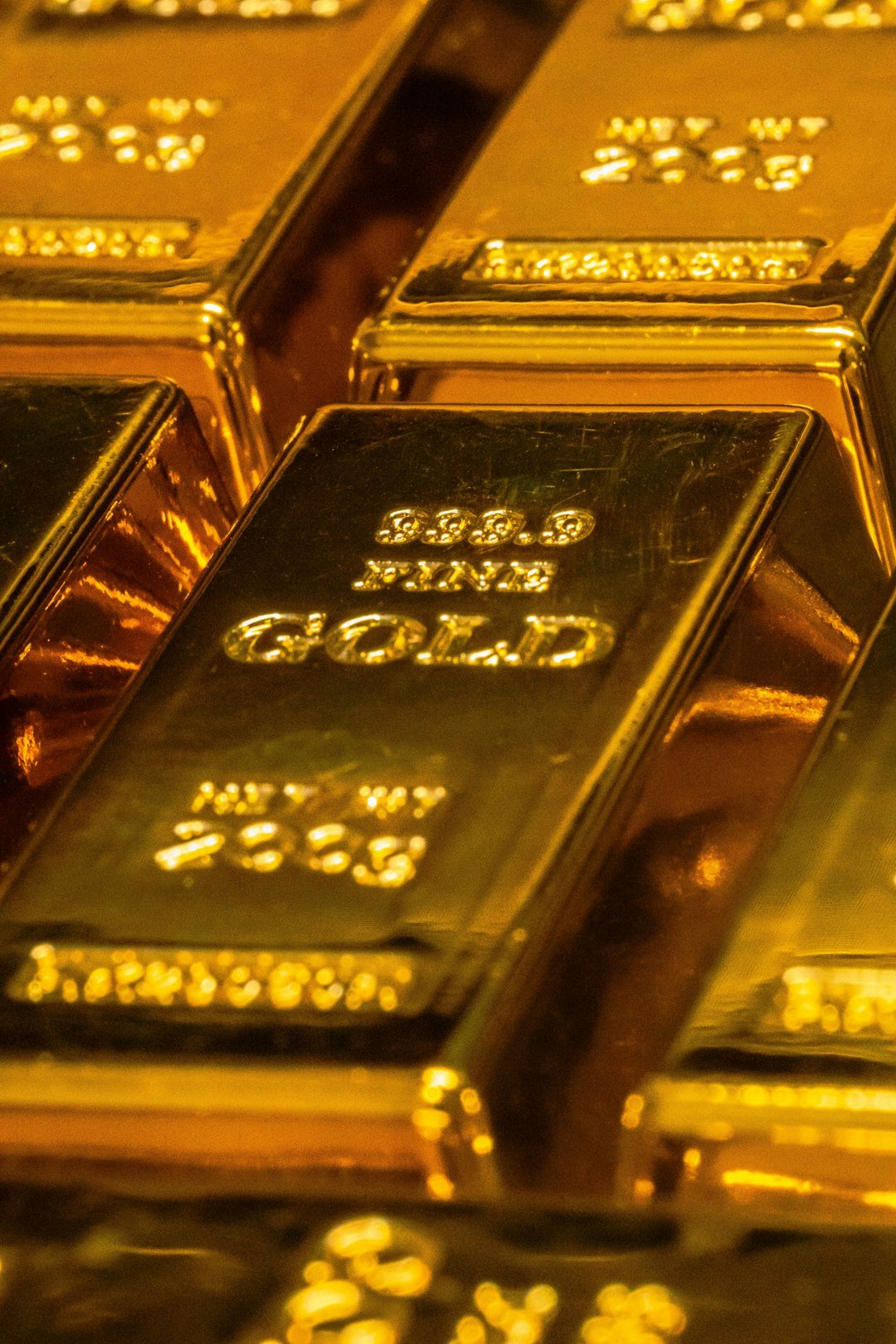
Have you noticed how the global economy’s uncertainty has pushed investors in Asian markets towards safe assets? This has led to a big rise in gold ownership in the Asia-Pacific area.
This increase is due to local economic worries, global tensions, and the poor performance of risky investments. Adding Asia gold to your portfolio can tap into this trend. It might also help secure your financial future.
Key Takeaways
- Investing in Asia gold can be a strategic move during economic uncertainty.
- The Asia-Pacific region has seen a significant increase in gold ownership.
- Diversifying your portfolio with gold can help mitigate risk.
- Geopolitical tensions have driven the demand for safe-haven assets.
- Understanding regional dynamics is crucial for successful gold investment.
The Significance of Gold in Asian Economies
In Asia, gold is more than just a precious metal. It’s a symbol of prosperity and a key part of regional investment strategies. You might wonder why gold is so important in Asian economies. The answer is its historical importance and its role in modern finance.
Historical Importance of Gold in Asia
Gold has been vital in Asian cultures for centuries. In many Asian societies, gold is used in jewelry and ornaments, showing wealth and status. For example, in India, gold is crucial in wedding ceremonies and festivals, symbolizing good fortune and prosperity.
China and India are major players in global gold demand. They make up 53% of global gold bar and coin demand in the first half of 2025.

Gold’s Role in Modern Asian Financial Systems
In modern times, gold remains crucial in Asian financial systems. It acts as a safe-haven asset during economic ups and downs. It’s also used as collateral for loans.
Many Asian countries have strong gold trading markets. Shanghai and Mumbai are becoming big gold trading centers. Gold’s role in these markets highlights its importance in regional investment strategies and Asia’s financial scene.
Understanding gold’s historical and modern significance is key to making smart investment choices in Asian markets. As you look into regional strategies, knowing the cultural and financial value of gold is very helpful.
Understanding Asian Gold Markets
Asian gold markets are complex and varied. To invest wisely, you must grasp the key factors at play. This knowledge helps in making smart choices.
Key Gold Trading Hubs in Asia
Asia boasts major gold trading centers like China, India, and Singapore. These places greatly influence the gold market. For example, China’s Shanghai Gold Exchange is a key spot for gold trading. India’s gold demand is fueled by both culture and economics.
Market Size and Volume Comparison
The size and volume of gold markets differ in Asia. By June 2025, the Asia-Pacific region had 368 tonnes of gold in ETFs. This accounts for 10.2% of global gold ETF holdings. Below is a table showing the market size and volume in key Asian countries.
| Country | Market Size (Tonnes) | Trading Volume (USD Billion) |
|---|---|---|
| China | 150 | 20 |
| India | 120 | 15 |
| Singapore | 80 | 10 |
Price Differentials Across Asian Markets
Gold prices vary in Asia due to local demand, supply chain dynamics, and government policies. Knowing these differences is key to a successful gold investment strategy. For instance, India often sees a higher gold price due to high demand during festivals and weddings.

China’s Gold Investment Landscape
China’s gold investment scene is a mix of old and new, catching eyes worldwide. If you’re thinking about investing here, knowing what drives its growth is key.
Shanghai Gold Exchange and Its Influence
The Shanghai Gold Exchange (SGE) is a big deal in China’s gold world. Started in 2002, it’s now a top gold exchange globally. It shapes gold investment trends in Asia.
Chinese Gold ETFs and Funds
Chinese Gold ETFs and funds let investors easily get into gold. These options are getting more popular. They make investing in gold easy without needing to own physical gold.
Regulatory Environment for Foreign Investors
The rules for foreign investors in China’s gold market are changing. Recent changes have opened the SGE to more international investors. This makes the market more liquid and appealing.
| Investment Vehicle | Description | Benefits |
|---|---|---|
| Shanghai Gold Exchange | Platform for trading physical gold | High liquidity, transparent pricing |
| Chinese Gold ETFs | Diversified gold investment portfolios | Convenient, no need for physical storage |
| Gold Funds | Actively managed gold investment funds | Professional management, diversification |
India: The World’s Gold Consumption Giant
India’s gold market is vibrant, shaped by culture, economy, and investment strategies. You’re about to dive into its details. Learn what fuels its demand and its role in global gold markets.
Cultural Drivers of Gold Demand in India
In India, gold is more than a metal; it’s a sign of wealth and a cultural treasure. It’s also a top investment choice. Festivals and weddings boost gold demand, as it’s a common gift.
Investment Options in the Indian Gold Market
India offers many investment paths, from physical gold to financial products. You can trade gold on the Shanghai Gold Exchange and local exchanges. This provides liquidity and helps set gold prices.
Impact of Government Policies on Gold Investment
Government rules shape gold investment in India. Import duties, for example, can change gold prices and demand. Knowing these policies is key to smart gold investments.
Grasping cultural influences, investment choices, and policy effects helps craft solid strategies for India’s gold market.
Singapore: Asia’s Premier Gold Storage Hub
Singapore is a top gold storage hub in Asia. It offers tax benefits and advanced infrastructure. This makes it a secure and efficient place for your gold investments.
Tax Advantages for Gold Investors
Investing in gold in Singapore comes with tax perks. The city-state doesn’t charge capital gains tax or wealth tax on gold. Plus, there’s no zero GST on gold investment products. This makes Singapore a great spot for gold investors.
- No capital gains tax on gold investments
- No wealth tax on gold holdings
- Zero GST on gold investment products
Gold Storage and Trading Infrastructure
Singapore’s gold storage and trading infrastructure is top-notch. The city has grown its vaulting capacity. It has world-class facilities for secure gold storage.
Also, Singapore’s trading setup makes buying and selling gold smooth. This means you can easily manage your gold investments.
Japan’s Unique Gold Investment Culture
In the world of gold investment, Japan has its own special way. You’re about to learn how Japan’s culture influences its gold investment scene.
Historical Context of Gold in Japan
Gold has always been important in Japan, symbolizing power and wealth. During the Edo period (1603-1868), Japan’s isolation limited gold trade. Yet, gold remained key in the economy. Knowing this history helps us understand Japan’s gold investment today.
Modern Gold Investment Vehicles in Japan
Japan has created new ways to invest in gold, like the new NISA scheme in January 2024. This includes gold trusts and ETFs. Now, you can invest in gold through:
- Gold ETFs listed on the Tokyo Stock Exchange
- Gold investment trusts from major Japanese banks
- Physical gold bars and coins at local banks and dealers
The table below shows some popular gold investment options in Japan:
| Investment Product | Liquidity | Minimum Investment |
|---|---|---|
| Gold ETFs | High | 1 unit (varies by ETF) |
| Gold Investment Trusts | Medium | ¥100,000 |
| Physical Gold | Low | 1 gram (varies by dealer) |
When thinking about gold investment in Japan, remember its unique culture and finance scene. Understanding history and current options helps you make smart gold investment choices in Japan.
Physical Gold Investment Strategies in Asia
When looking into physical gold investments in Asia, it’s important to know the local market well. The demand for physical gold has grown a lot, with China and India at the forefront. This rise happened after the 2020 recession.
Bullion Bars vs. Coins: Asian Preferences
In Asia, people have different preferences for gold. For example, China prefers bars because they are easier to store and have more gold. On the other hand, India likes coins for their use in jewelry and as gifts during festivals. Knowing these preferences helps in making better investment choices.
Premium Considerations for Physical Gold
The premium over the spot price is a big deal when investing in physical gold. Premiums can change a lot depending on the product and dealer. For instance, coins usually have higher premiums because they are collectible and cost more to make. It’s important to look at prices and the total cost of owning gold.
Storage Solutions and Security Concerns
Keeping physical gold safe is a top priority. You can store it at home, in a bank safe deposit box, or with professional vaulting services.
- Storing gold at home is easy but risky.
- Bank safe deposit boxes are safer.
- Professional vaulting services offer insurance and top-notch security.
Understanding the details of physical gold investment in Asia helps you make better choices. These choices should match your investment goals and how much risk you’re willing to take.
Gold ETFs and Digital Gold Platforms in Asian Markets
Exploring gold investment in Asia, you’ll see Gold ETFs and digital gold platforms gaining traction. The Asia-Pacific region now holds a record 368 tonnes of gold ETFs. This is 10.2% of global gold ETF holdings. It shows a big change in how investors in Asia view gold.
Comparing Major Asian Gold ETFs
When looking at major Asian Gold ETFs, several things matter. These include fund size, how easy it is to buy and sell, and the cost. Here’s a quick comparison:
| ETF Name | Fund Size (Tonnes) | Expense Ratio (%) |
|---|---|---|
| SPDR Gold Shares | 100 | 0.4 |
| ABERDEEN STANDARD PHYSICAL GOLD | 50 | 0.3 |
| INVESCO PHYSICAL GOLD | 20 | 0.5 |
Emerging Digital Gold Investment Platforms
Digital gold investment platforms are a new, exciting way to invest in gold. They offer flexibility and easy access. Look for these key features:
- Low minimum investment requirements
- Real-time pricing
- Secure storage options
Asian Gold Mining Stocks and Investment Opportunities
Asian gold mining stocks are a great choice for investors looking at the gold market. They let you spread out your investments and get into the Asian gold mining sector’s growth.
Major Gold Mining Companies in Asia
Asia is home to many big gold mining companies. These companies offer different chances to invest. Some top names include:
- China’s Zijin Mining
- India’s Vedanta Resources
- Indonesia’s Merdeka Copper Gold
- China’s China National Gold Group Corporation
These companies have big operations in Asia. They work on all parts of gold mining, from finding new gold to producing it.
Evaluating Mining Stock Performance Metrics
When looking at gold mining stocks, some important metrics to check are:
| Metric | Description | Importance |
|---|---|---|
| Production Costs | Cost per ounce of gold produced | High |
| Reserve Life | Estimated years of gold reserves remaining | High |
| Exploration Potential | Potential for new gold discoveries | Medium |
| Dividend Yield | Annual dividend payout as a percentage of stock price | Medium |
Looking at these metrics helps investors understand a company’s financial health and growth chances. This makes it easier to make smart investment choices.
Seasonal Patterns in Asian Gold Markets
Exploring gold investment in Asia means understanding seasonal demand changes. Gold demand in Asia varies yearly, influenced by festivals and wedding seasons.
Festival and Wedding Season Impacts
In many Asian countries, gold demand spikes during big festivals and the wedding season. For example, in India, Diwali and the wedding season, from October to December, see a big jump in gold sales. In China, the Lunar New Year also boosts gold buying, as people buy gold ornaments and bars as gifts.
Key festivals and seasons affecting gold demand in Asia:
- Diwali in India
- Chinese Lunar New Year
- Wedding seasons in India and other South Asian countries
Cyclical Investment Timing Strategies
Knowing these seasonal patterns helps in timing your gold investments. Investing in gold before peak demand seasons can lead to higher prices.
| Season | Months | Investment Strategy |
|---|---|---|
| Pre-Wedding Season | September – November | Invest in gold ETFs or futures |
| Chinese Lunar New Year | January – February | Purchase physical gold or invest in gold mining stocks |
| Diwali | October – November | Consider investing in gold mutual funds or gold bonds |
By knowing these trends and adjusting your strategies, you can make better choices in the Asian gold market.
Risk Management for Gold Investments in Asia
When you think about investing in gold in Asia, knowing the risks is key. Good risk management helps keep your investments safe and helps you reach your financial goals.
Political and Regulatory Risks
Political instability and changes in rules can really affect gold investments in Asian markets. For example, new government policies or trade rules can change gold’s demand and price. It’s important to keep up with the political and regulatory scenes in the countries where you invest. You might want to look into professional services to help you understand these issues better.
Currency Fluctuation Impacts
Currency changes can also impact your gold investments. Gold prices are often set in US dollars. If the dollar gets stronger, gold becomes more expensive for investors with other currencies. On the other hand, a weaker dollar makes gold cheaper and more appealing. Knowing how these currency changes work can help you make better investment choices in Asia investment.
Diversification Strategies Within Gold Assets
Spreading out your gold investments can lower risks. You could invest in physical gold, gold ETFs, or mining stocks. By investing in different types of gold, you can reduce your risk in any one area. Talking to financial experts can help you create a diversified gold investment plan that fits your goals.
Tax Implications for US Investors in Asian Gold Markets
As a US investor, entering the Asian gold market is complex. You’ll face unique tax rules. Knowing these rules is key to avoid big tax surprises and to make your investments work better.
FBAR and FATCA Considerations
US investors in Asian gold markets must follow the Foreign Bank Account Report (FBAR) and the Foreign Account Tax Compliance Act (FATCA). FBAR requires reporting foreign financial accounts if the total value is over $10,000 at any time in the calendar year. FATCA asks foreign banks to share info about US account holders with the IRS. Not following these rules can lead to big fines.
Capital Gains Treatment for Different Gold Investments
The tax on gold investments depends on how you own it. For example, physical gold is seen as a collectible by the IRS and is taxed up to 28%. But, gold ETFs or mutual funds are treated as capital assets. They’re taxed based on capital gains rates. Knowing these differences helps manage your taxes better.
Understanding these tax rules helps you make better choices for your gold investments in Asia. It can lower your taxes and improve your investment results.
Cultural Nuances Affecting Gold Trading in Asia
Gold trading in Asia is more than just about the price. It’s also about understanding the cultural context. As you explore the Asian gold market, you’ll see how cultural nuances shape negotiation and relationship-building.
Negotiation Practices in Different Asian Countries
In Asia, negotiation styles vary from country to country. For example, in China, building trust is key before big gold deals. In India, talks are often straight to the point, focusing on gold’s price and quality. Knowing these differences helps you adjust your negotiation tactics for each market.
Building Relationships with Asian Gold Dealers
Creating strong bonds with gold dealers in Asia is crucial for trading success. It’s not just about speaking the local language but also grasping cultural norms. For instance, in Japan, respect for tradition and hierarchy is crucial. In Singapore, a direct and business-like approach is preferred. By fitting into these cultural norms, you can build trustworthy relationships with dealers, making transactions smoother.
Technological Innovations in Asian Gold Markets
Technological advancements are changing the Asian gold market. They offer new ways for investors to get involved. These changes are making the gold investment scene better.
Blockchain Applications in Gold Trading
Blockchain technology is becoming more popular in Asian gold markets. It makes transactions more transparent and secure. This technology allows for real-time tracking of gold, cutting down fraud risks and boosting investor trust.
Digital Verification Systems for Gold Authenticity
Digital systems are being used to check gold’s authenticity. These systems use Artificial Intelligence (AI) and Machine Learning (ML). They verify gold’s purity and authenticity, giving investors confidence in their investments.
| Technology | Application | Benefit |
|---|---|---|
| Blockchain | Gold Trading | Enhanced Transparency |
| Digital Verification | Gold Authenticity | Reduced Counterfeiting |
Future Outlook for Gold Investment in Asia
The Asian gold market is on the verge of big changes. These changes come from new investor interests and tech advancements. Knowing about these shifts is key for smart investment choices.
Emerging Trends and Market Shifts
New trends are shaping the Asian gold market. Digital gold platforms are becoming popular. They make investing in gold easier and safer.
Also, blockchain technology is making gold trading more transparent. These changes will draw in more investors, making the market more diverse.
Long-term Forecasts for Regional Gold Demand
Experts predict strong gold demand in Asia for years to come. This is because gold holds cultural value in many Asian countries. India and China will likely keep leading in gold demand.
Other countries like Indonesia and Vietnam also show promise. As Asian economies expand, gold investment will grow. Investors will look for more advanced products.
Conclusion: Building a Balanced Asian Gold Investment Portfolio
Exploring gold investment in Asia shows that a balanced portfolio is crucial. You’ve learned about different options like physical gold, gold ETFs, and mining stocks. These choices help you match your risk level and goals.
To create a balanced portfolio, spread your investments across markets like China, India, and Singapore. Knowing market trends, seasonal patterns, and cultural impacts on gold prices is also important. By using Asia gold strategies that fit your goals, you can handle the gold market’s complexities.
Keep up with market news and adjust your portfolio as needed. A well-diversified and balanced portfolio can help you grow in the Asian gold market. This way, you can achieve long-term financial success.