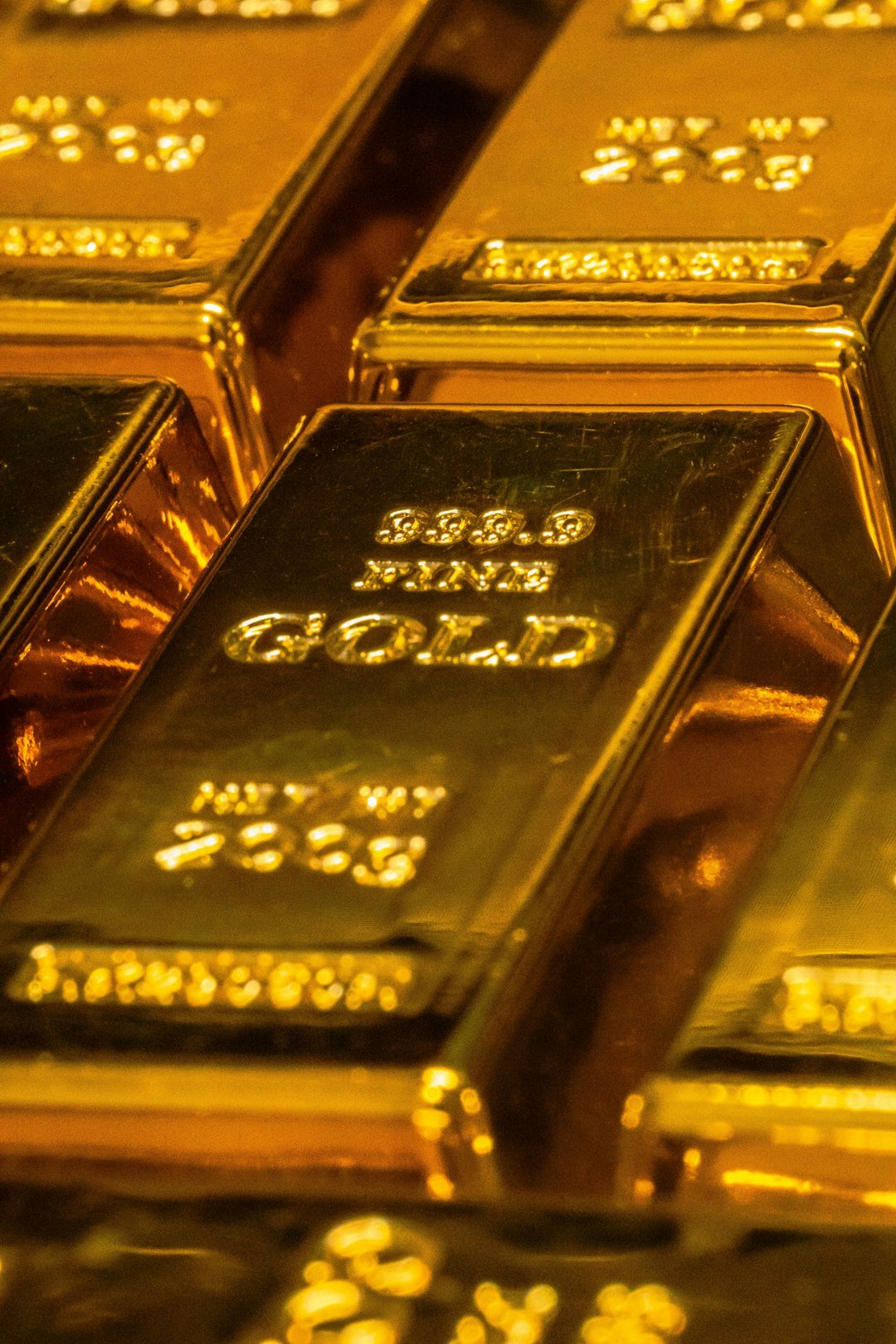
Did you know that central banks keep a lot of gold in their reserves? In fact, they hold about a fifth of all the gold mined in history.
So, why is gold so important to central banks? It’s been a trusted value holder and a safe bet against economic ups and downs. As part of bank reserves, gold adds safety, liquidity, and returns. These are key for keeping the financial system stable.
Key Takeaways
- Central banks hold a significant amount of gold in their reserves.
- Gold is a reliable store of value and a hedge against economic uncertainty.
- Gold provides safety, liquidity, and return characteristics.
- It is an essential component of bank reserves.
- Gold helps maintain financial stability.
The Historical Evolution of Gold in Central Banking
Gold’s role in central banks has changed a lot over time. It was once key to money systems, acting as a safe value and a way to trade. This importance goes back to the gold standard days, when money was tied directly to gold.
The Gold Standard Era
In the gold standard era, money could be swapped for gold at a set price. This made trade easier and safer by keeping currency values steady. It also limited how much money governments could print, helping to keep prices stable.
Bretton Woods System
The Bretton Woods system, started in 1944, changed how the world traded money. It linked the US dollar to gold at $35 an ounce, and other currencies to the dollar. This system aimed to keep currency values stable and help countries work together economically.
Pre-1971 International Monetary Framework
Before 1971, the Bretton Woods system was the main rule for money. The US dollar’s link to gold helped keep things stable, but it faced problems like trade deficits and rising prices. In 1971, the US stopped making dollars exchangeable for gold, ending this system.
The way gold has been used in central banking shows big changes in the world economy. The gold standard and Bretton Woods system were key times in this change.
| Period | Characteristics | Impact on Gold |
|---|---|---|
| Gold Standard Era | Currencies directly linked to gold | Gold served as a medium of exchange and store of value |
| Bretton Woods System | US dollar pegged to gold; other currencies pegged to the dollar | Created a pseudo-gold standard; increased global economic cooperation |
| Post-1971 | US dollar floated; end of gold convertibility | Gold’s role evolved; became a reserve asset |

Why Central Banks Hold Gold Reserves
Gold reserves are key for central banks, offering economic stability and security. You might ask why central banks worldwide keep a lot of gold. The answer lies in gold’s special qualities as a financial asset.
Central banks hold gold for a few main reasons. It’s mainly because gold acts as a safe asset when the economy is shaky. Let’s look at the details.
Economic Stability and Security
Economic stability and security are top priorities for central banks. Gold is crucial in achieving these goals. By keeping gold reserves, central banks can reduce risks from economic downturns and currency changes.
Gold as a Crisis Hedge
One big reason central banks hold gold is its role as a crisis hedge. When the economy is under stress, gold usually keeps its value. This makes it a vital asset for central banks to protect their reserves.
Confidence Building for National Currencies
Gold reserves also help build trust in national currencies. By linking their currencies to gold, central banks boost confidence in their monetary systems. This is key for keeping the economy stable.
To show gold’s importance, let’s look at gold holdings among major central banks.
| Central Bank | Gold Reserves (Tonnes) | Percentage of Total Reserves |
|---|---|---|
| United States | 8,133.5 | 79% |
| Germany | 3,363.4 | 75% |
| Italy | 2,451.8 | 69% |
Gold makes up a big part of these central banks’ reserves. This shows how important gold is for economic stability.

Gold as a Strategic Reserve Asset
Gold is seen as a key asset by central banks. It acts as a safety net during tough economic times. It offers a level of security and stability that’s hard to find with other assets.
Hedge Against Currency Fluctuations
Central banks hold gold to protect against currency fluctuations. Gold’s value stays steady, making it a stable wealth store. This is vital for countries that rely on imports or exports, as currency changes can hurt their trade balances.
Dollar Depreciation Protection
Gold also guards against dollar depreciation. When the dollar’s value drops, gold’s value goes up. This helps keep the central bank’s reserves strong, which is key for countries with a lot of dollar reserves.
Currency Crisis Insurance
Gold also serves as insurance against currency crises. During economic stress, gold helps with international transactions. This keeps the financial system stable and liquid.
By keeping gold as a strategic asset, central banks reduce risks from currency changes, dollar drops, and crises. This boosts confidence in the financial system. It also prepares countries for economic shocks.
Current Global Gold Reserve Holdings
Global gold reserve holdings are crucial for financial stability. It’s important to know who leads in this area. Central banks worldwide keep gold as a safety net against economic ups and downs. The way these reserves are spread out is a big topic of interest.
Top Countries by Gold Reserves
The amount of gold reserves varies among countries. Some have a lot, while others have less.
United States Gold Reserves
The United States has the most gold reserves, with over 8,000 tons. Most of this gold is stored at Fort Knox. This shows how important gold is in the U.S. financial system.
Other Major Gold Reserve Holders
After the United States, other big economies also have a lot of gold. Countries like Germany, Italy, and France are among the top. They keep a lot of gold in their central banks.
It might surprise you to know that central banks are still buying more gold. Some countries have even increased their gold reserves a lot. This shows gold’s ongoing role in the world’s finances.
The Federal Reserve’s Gold Policies
The Federal Reserve is key in managing the U.S.’s gold reserves. This role has changed a lot over time. Learning about the Federal Reserve’s gold policies helps us understand how these reserves are handled.
Historical Evolution of U.S. Gold Reserves
The U.S. gold reserves’ history is linked to the country’s economic stability and the global financial system. Since its start, the Federal Reserve has managed these reserves. It has adjusted its strategies to fit changing economic needs.
Fort Knox and Other Depositories
Most U.S. gold reserves are kept in Fort Knox, a very secure place. Other depositories also help in storing and managing these reserves.
Legislative Framework for Gold Management
The laws and regulations for managing gold have changed over time. These changes are important for keeping the reserves safe and secure.
| Year | U.S. Gold Reserves (tons) | Significant Events |
|---|---|---|
| 1934 | 8,238 | Gold Reserve Act |
| 1971 | 10,206 | Nixon Shock |
| 2020 | 8,133 | Modern Gold Reserve Management |
The table shows how U.S. gold reserves have changed over the years. It points out key events that have affected these reserves. Knowing these changes helps us understand the Federal Reserve’s gold policies.
European Central Bank and Gold Reserves
Did you know how the European Central Bank uses gold reserves for financial stability? The ECB’s gold reserve policy is key to the European monetary system. It acts as a shield against economic ups and downs.
The ECB’s Gold Reserve Policy
The ECB’s gold policy is guided by the Central Bank Gold Agreement (CBGA). This agreement helps manage gold sales among central banks. It keeps the gold market stable by preventing too much gold from being sold at once.
Central Bank Gold Agreement
The CBGA is vital for gold market stability. It includes:
- Coordination of gold sales among member banks
- Setting annual limits on gold sales
- Ensuring transparency in gold transactions
Euro System Gold Reserves
The Euro system holds a big part of its reserves in gold. This shows gold’s key role in the European monetary system. The ECB and Eurozone central banks have over 10,000 tonnes of gold. This makes their gold reserves among the largest worldwide.
The ECB’s gold reserve policy and the Central Bank Gold Agreement show a strong commitment to financial stability. As the world economy changes, gold’s role in central bank reserves is more important than ever.
Emerging Economies and Their Gold Reserve Strategies
The gold reserve scene is changing fast, thanks to emerging economies. These countries are making big moves in central banking. They’re changing how gold fits into their financial plans.
China’s Growing Gold Reserves
China is leading the way in gold accumulation among emerging economies. It’s key to understand China’s gold moves to see the bigger picture in global gold reserves.
Official vs. Unofficial Holdings
China’s official gold is tracked by the People’s Bank of China. But there’s also a lot of unofficial gold. This includes gold owned by state companies or private people. Knowing the difference helps us see China’s total gold better.
Strategic Objectives Behind Accumulation
China’s gold buying has several goals:
- Diversification: China wants to spread out its financial assets. This means less reliance on the US dollar.
- Economic Security: Gold is a safe investment. It helps China stay financially stable during tough times.
- Global Influence: China is building its global financial role. Gold is a key part of this effort.
As countries like China keep buying gold, the global market will feel the impact. Keep these trends in mind when looking at gold reserves in the future.
Gold’s Role in Financial Stability and Crisis Management
The 2008 global financial crisis showed gold’s importance in keeping the economy stable. Gold prices went up during this time. Central banks used gold to help fix the financial system.
2008 Global Financial Crisis Response
The 2008 crisis was a big challenge for the global economy. Gold prices soared as people looked for safe places to put their money. This rise in gold price helped calm the financial markets.
Gold Price Performance During Crisis
Gold prices jumped from about $800 per ounce in early 2008 to over $1,000 by year’s end. This was because investors wanted to escape the shaky financial markets.
The surge in gold prices showed it’s a safe place to put money. When markets are shaky, people often choose gold.
Central Bank Actions Involving Gold
Central banks were key in managing gold reserves during the crisis. Some added to their gold, while others used gold swaps to keep liquidity flowing.
Central bank actions involving gold boosted confidence in the financial system. By holding or increasing gold, they showed they were committed to stability.
In summary, gold was crucial in keeping the economy stable during the 2008 crisis. Its price and central bank actions helped stabilize the markets.
The Mechanics of Central Bank Gold Transactions
Ever wondered how central banks deal with gold? It’s a complex process. They buy, sell, swap, and lease gold to manage their reserves well.
Gold Purchases and Sales Processes
Central banks have different ways to handle gold. They can buy or sell gold through the market or directly. Market deals happen on exchanges or through brokers. Off-market deals are private transactions between banks or other groups.
Market vs. Off-Market Transactions
Market deals offer quick access to gold and are good for small amounts. Off-market deals are for bigger amounts and are more private. Banks pick based on their needs.
Gold Swaps and Leases
Gold swaps are when banks exchange gold for other assets, like currencies, with a promise to switch back. Gold leases let banks lend gold for a fee. These help banks manage their gold reserves.
Central banks also use swaps and leases for quick cash or to earn from gold. These methods are key to their reserve management flexibility.
Gold Storage and Security Measures
You might wonder how central banks keep their gold safe. They take gold security very seriously. They use many methods to protect their gold.
Physical Storage Facilities
Central banks store their gold in secure places. These can be national depositories or foreign storage. National depositories are inside the country and are very secure.
National Depositories
Places like Fort Knox in the U.S. and the Bank of England’s vault in the UK are examples. They have strong security. This includes advanced alarms, video cameras, and guards.
Foreign Storage Arrangements
Some banks also store gold abroad. This is for convenience and because of the high security. For example, some gold is stored at the Federal Reserve Bank of New York.
| Country | Primary Gold Storage Location | Security Features |
|---|---|---|
| United States | Fort Knox | Advanced alarm systems, video surveillance |
| United Kingdom | Bank of England Vault | Multi-layered security, on-site personnel |
Central banks are very careful with their gold. They use both national and foreign storage. This keeps their gold safe from theft and other dangers.
A report says gold security is not just about storage. It’s also about the trust in the institution holding the gold. This shows the importance of both physical security and the bank’s reputation.
“The gold standard is a monetary system where a country’s currency is pegged to the value of gold.”
Challenges and Controversies in Gold Reserve Management
Gold is a key part of a central bank’s assets, but managing it is tough. You must handle these challenges to keep your financial systems stable. Knowing the issues helps you manage gold reserves well.
Price Volatility Considerations
One big challenge is price volatility. Gold’s value can change a lot, affecting your reserves’ worth. You need to find ways to lessen these changes’ impact on your finances.
Mark-to-Market vs. Historical Valuation
Central banks must decide between mark-to-market and historical valuation for gold. Mark-to-market uses today’s gold price, while historical valuation uses the original price. You should think about the good and bad of each method, like:
- How clear and accurate the financial reports are
- The big changes in reported values
- The effect on your financial statements and balance sheets
Profit and Loss Implications
The choice of valuation method affects profit and loss. For example, mark-to-market can cause big gains or losses, changing your balance sheet. Knowing this helps you make better choices for managing your gold reserves.
To show how valuation methods matter, look at this table:
| Valuation Method | Advantages | Disadvantages |
|---|---|---|
| Mark-to-Market | Shows today’s value, clear | Can have big changes |
| Historical Valuation | Stable, less affected by market changes | May not show today’s value |
Understanding the challenges in gold reserve management helps you find ways to deal with them. It’s important to stay up-to-date and adjust to changes in gold reserve management.
Future Trends in Central Bank Gold Holdings
The future of gold in central banks is changing. This is due to new economic conditions and how reserves are made up. You’ll learn how gold’s role is evolving in the world’s money system.
Predicted Changes in Reserve Composition
Central banks plan to keep buying gold. They need it for stability and security. Gold will play a bigger part in their reserves.
Gold-to-Foreign Exchange Ratios
The gold-to-foreign exchange ratio shows a bank’s reserve mix. Some countries have more gold than others in this ratio.
| Country | Gold Reserves (tonnes) | Foreign Exchange Reserves ($ billion) | Gold-to-Foreign Exchange Ratio (%) |
|---|---|---|---|
| United States | 8,133 | 134 | 60.7 |
| Germany | 3,363 | 73 | 46.1 |
| China | 2,168 | 3,232 | 0.67 |
Developing Nations’ Gold Strategies
Gold is becoming key for developing nations. It helps them diversify their reserves. Christopher Wood, a top financial analyst, said gold is a safe asset. It protects against currency and economic risks.
“In times of economic stress, gold tends to perform well, making it an attractive asset for central banks looking to diversify their reserves.”
As the world’s economy changes, so will central banks’ gold strategies. Knowing these trends helps you understand the global financial system better.
Conclusion: The Enduring Value of Gold in Central Banking
Gold has been key in central banking for centuries. It acts as a reliable store of value and a shield against economic ups and downs. Central banks worldwide keep large gold reserves, seeing its lasting value in keeping finances stable.
Gold’s strategic role is clear in its ability to diversify and protect against economic shocks. As the world’s economy changes, gold’s role in central banking will stay important. It offers a safe asset that can be quickly sold when needed.
Knowing gold’s role in central banking helps us see its part in the global financial system’s stability. As a vital part of central bank reserves, gold keeps the economy secure and fosters financial growth.