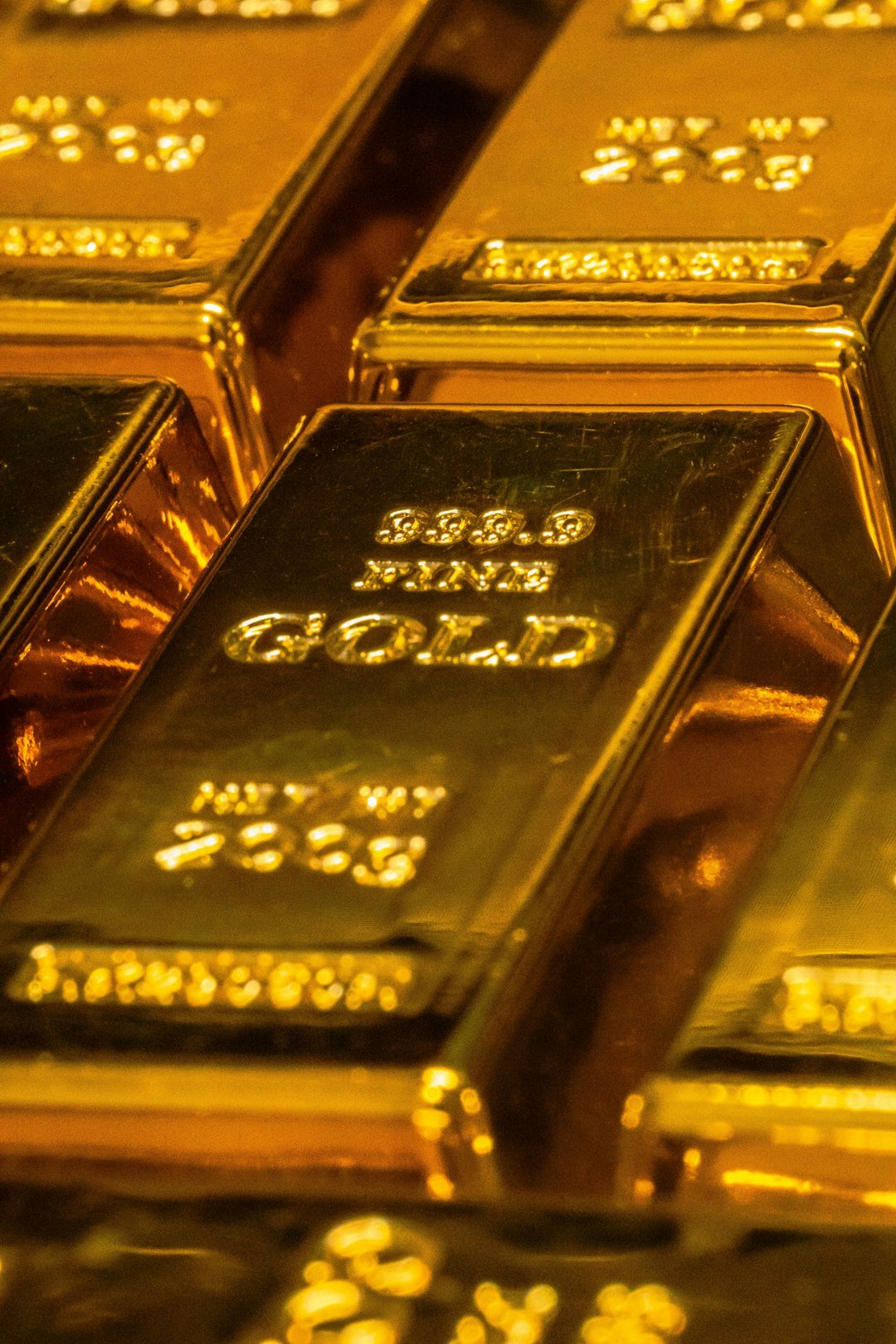
Many currencies were once tied to a valuable resource. Historically, they were linked to gold. This provided stability and trust in the financial world.
The gold standard was a key system in the global economy. It linked currencies directly to gold. Knowing about gold-backed currencies helps us understand financial history.
Exploring historic gold-backed currencies gives us insights. It shows how past financial systems shape today’s economy.
Key Takeaways
- The gold standard was a monetary system that linked currencies to the value of gold.
- Historic gold-backed currencies provided stability and trust in the financial system.
- Understanding currency history can empower your financial knowledge.
- The gold standard played a crucial role in shaping the global economy.
- Knowledge of gold-backed currencies can help you make informed financial decisions.
The Fundamental Concept of Gold as Currency Backing
Gold has long been tied to the value of money, a system known as the gold standard. You might be curious about how this worked and why gold was so valuable. The gold standard linked a currency’s value directly to gold. This meant that the money in circulation was matched by gold reserves held by governments or central banks.

Defining the Gold Standard System
The gold standard was simple: currencies could be exchanged for gold at a fixed rate. For instance, if a country used the gold standard, its money could be swapped for a set amount of gold. This system brought stability and trust to currencies because they were backed by something real. It was like having gold in a vault that supported the money issued.
Here’s a simple breakdown of how the gold standard worked:
- Currencies were pegged to gold at a fixed rate.
- The money supply was backed by gold reserves.
- Currencies could be exchanged for gold.
| Country | Currency | Gold Reserve |
|---|---|---|
| United States | Dollar | 8,133.5 tonnes |
| Germany | Mark | 3,363.4 tonnes |
| France | Franc | 2,435.7 tonnes |
The Intrinsic Value Proposition of Gold
Gold has intrinsic value because it’s rare, durable, and hard to make. It’s also very useful, not just for jewelry but in electronics and more. Gold’s value is widely accepted, making it perfect for backing currencies. This is why gold has been a top choice for so long.
The intrinsic value proposition of gold can be summarized as follows:
- Rarity and difficulty in extraction.
- Durability and resistance to corrosion.
- Versatility in various industries.
Understanding the gold standard and gold’s intrinsic value helps us see why gold-backed currencies were once common. They offered stability and trust, key benefits in a global economy.
Early Gold Monetary Systems in Ancient Civilizations
Ancient civilizations first saw gold’s value for money. Gold coinage changed trade and commerce. It made a standard way to exchange goods, helping economies grow.
Gold Coinage in Lydia and Ancient Greece
In Lydia, around 600 BCE, the first gold coins were made. King Croesus, famous for his riches, started this.
King Croesus and the First Standardized Gold Coins
In Lydia’s Sardis, under King Croesus, gold coins were made. These coins had official marks to prove their worth.
Greek Gold Staters and Economic Influence
Soon, Ancient Greece used gold coins too. Athens made gold staters. These coins helped trade and showed wealth and culture.

Roman Gold Currency and Its Global Impact
The Romans made gold coins that were used everywhere in their empire. The aureus was known for its quality and lasting value.
| Civilization | Gold Coinage | Economic Impact |
|---|---|---|
| Lydia | First standardized gold coins | Established Sardis as a major economic hub |
| Ancient Greece | Gold staters | Facilitated trade and symbolized economic power |
| Roman Empire | Aureus and other gold coins | Unified currency across the empire, promoting global trade |
Gold’s role in ancient money systems helped create today’s finance. It shows gold’s lasting value as a way to exchange things.
Medieval Gold Standards and Trade Currencies
The medieval era was a time of big changes in gold standards and trade currencies. As trade grew in Europe and the Mediterranean, the need for reliable currencies became clear. Let’s look at how these currencies affected trade and economies.
Byzantine Solidus: The World’s First Global Currency
The Byzantine Solidus, from the Byzantine Empire, is seen as the first global currency. It was widely accepted and trusted, helping trade in many areas. The Solidus was known for its gold quality, making it a top choice for merchants.
The Byzantine Solidus’s success came from the empire’s strong economy and politics. This made the coin reliable and valuable. It became a model for other currencies, showing gold’s key role in money systems.
The Florin and Ducat: Europe’s Gold Trade Currencies
In Europe, the Florin and Ducat were key gold currencies in the medieval time. The Florin, from Florence, Italy, was one of the first gold coins widely accepted. It marked a big change to gold-backed currencies in Europe. The Ducat, from Venice, was also popular for its gold content and Venice’s trade power.
Both the Florin and Ducat became standard currencies in international trade. They helped trade across the continent. Their use showed gold’s growing importance in medieval Europe, setting the stage for today’s money systems.
The Classical Gold Standard Era (1870s-1914)
The classical gold standard era lasted from the 1870s to 1914. It was a key time in global economic history. The world saw stability and growth, with trade booming under the gold standard.
Britain’s Leadership in Gold Standard Adoption
Britain started using the gold standard in 1717. By the late 1800s, its economic power made the gold standard the global norm. Britain’s leadership was key in spreading the gold standard worldwide. Other countries wanted stable currencies and easier trade.
Britain’s move to the gold standard helped the world stay stable. The gold standard made international deals trustworthy. It encouraged countries to work together economically.
Global Expansion of Gold-Backed Monetary Systems
As the gold standard became more popular, countries worldwide adopted it. They wanted stability and predictability in trade.
Continental European Gold Standards
Continental Europe quickly followed Britain’s example. Germany and France used gold-backed currencies. This made the global gold standard stronger.
Asian and Colonial Currency Systems
Asian countries and colonies also adopted gold-backed currencies. This was due to colonial influence and a desire to join global trade.
| Country | Year Adopted Gold Standard | Currency |
|---|---|---|
| Britain | 1717 | Pound Sterling |
| Germany | 1871 | Goldmark |
| France | 1848 | French Franc |
| United States | 1879 | US Dollar |
The table shows when different countries adopted the gold standard. It lists their currencies and the year they joined. This shows the era’s focus on stability and global cooperation.
America’s Historic Relationship with Gold Currency
Exploring the history of gold-backed currencies reveals America’s deep connection with gold. The discovery of gold and its role in shaping the country’s money system is an interesting tale.
The California Gold Rush and Early American Currency
The California Gold Rush of 1848-1855 was a key moment in American history. It greatly increased gold supplies and changed the economy. The surge in gold production boosted economic growth and expanded the American West. This led to a need for a standard currency.
The gold rush era saw gold coins and gold-backed currency become common. This laid the foundation for future money policies.
The introduction of gold coins and the U.S. Mint solidified gold’s role in American money. The Coinage Act of 1792 had already set up the U.S. Mint and coinage rules. But the gold rush brought new challenges and chances.
The Gold Standard Act of 1900 and Its Implementation
The Gold Standard Act of 1900 was a major step in America’s money history. It defined the dollar in terms of gold and required paper currency to be backed by gold. This move was crucial for stabilizing the currency and making international trade easier. The Act’s implementation led to lower inflation and better economic stability.
The Gold Standard Act also created a more unified and stable money system. It made sure the dollar’s value was tied to gold. This provided a reliable standard for international deals and economic activities.
World War I and the Breakdown of the Classical Gold Standard
World War I hit Europe hard, causing the gold standard to fall apart. This system was key to international money. The war’s economic strain tested its strength.
Economic Pressures During Wartime Financing
World War I started, and governments spent a lot more money. This put a lot of pressure on their finances. To keep up, many had to stop using the gold standard. This led to more money being printed, causing inflation and making their money worth less.
“The gold standard was suspended during World War I,” a move meant to be temporary but changed monetary policies. Countries like Britain and Germany faced big economic problems. These included high debts and disrupted trade, weakening the gold standard even more.
Post-War Attempts at Gold Standard Restoration
After World War I, people tried to bring back the gold standard. The Genoa Conference of 1922 suggested a new system. It allowed countries to hold currencies that could be exchanged for gold, not just gold itself. But, these efforts failed because of the war’s lasting effects and economic instability.
The quote,
“The gold standard was a system that was designed for a bygone era, and its restoration was a nostalgic dream that could not be fulfilled.”
, shows the big challenges in trying to revive the gold standard. The post-war world had high debts, inflation, and economic nationalism. It was hard to go back to the old monetary order.
The Interwar Period: Gold Exchange Standard Experiments
After World War I, the world economy looked for new ways to work together. The gold exchange standard was a big idea to help. It was a new take on the old gold standard, but with changes for the new times.
Modifications to the Pre-War Gold System
The gold exchange standard let countries use other currencies as reserves, not just gold. This was to make it easier to trade and not put too much pressure on gold. But how did it really work? It was like a chain: countries tied their money to a big currency like the US dollar. That currency was tied to gold.
Structural Weaknesses and the Great Depression’s Impact
The gold exchange standard had big problems. One was that not all countries had the same amount of gold. It also didn’t have a way to change exchange rates easily. The Great Depression showed these problems as countries faced hard times. They couldn’t use money to help their economies because of the gold standard.
The Great Depression made the gold exchange standard fail. Countries couldn’t handle the economic crisis. So, they started using different money systems. This big change moved the world towards more flexible money systems.
The Bretton Woods System: A Modified Gold Standard
The Bretton Woods system was a big change in the world’s money after World War II. It started in 1944. Its goal was to make a stable money system for rebuilding and helping countries work together.
So, how did it work? It was like a gold standard but different. Currencies were tied to the US dollar, which could be exchanged for gold at $35 per ounce. This made the dollar a key currency worldwide.
Establishing the Post-WWII Monetary Order
The Bretton Woods Agreement came from talks in New Hampshire. Leaders from 44 countries met to create a new money system. They wanted to avoid the problems that led to World War II.
The system aimed for stable exchange rates and stopped countries from lowering their currency values. It did this by linking the US dollar to gold.
The US Dollar as a Reserve Currency Backed by Gold
The US dollar was at the heart of the Bretton Woods system. It was the global reserve currency, tied to gold. Other countries fixed their currencies to the dollar. This helped trade and investment across borders.
Fixed Exchange Rates and Convertibility
Fixed exchange rates were a key part of the system. Countries kept their exchange rates close to the fixed rate. This was important for trade and investment.
Convertibility was also key. The US promised to exchange dollars for gold at the fixed rate. This kept trust in the dollar as a reserve currency.
International Monetary Fund and Gold
The International Monetary Fund (IMF) was set up with the Bretton Woods system. It helped manage the world’s money. The IMF gave financial help to countries and kept exchange rates stable.
The IMF also managed global gold reserves. It held a lot of gold for international transactions. This helped keep the system stable.
The End of Gold-Backed Currencies in the Modern Era
Ever wondered why gold-backed currencies fell out of favor? The move away from gold was slow, shaped by many economic and political factors.
Nixon Shock and the Closure of the Gold Window in 1971
The Nixon Shock in 1971 was a key turning point. President Nixon’s choice to close the gold window ended the US dollar’s direct link to gold. This change was a big step in monetary policy.
This move was a response to economic troubles like inflation and a drop in US gold reserves. Closing the gold window let foreign governments no longer exchange dollars for gold. This led to a new system where currency values floated.
This change gave the US more freedom in its money policies. But it also brought new problems, like more currency ups and downs.
Transition to Fiat Currency Systems Worldwide
After the Nixon Shock, many countries moved to fiat currency systems. In a fiat system, money’s value comes from government rules, not gold. This change allowed for more flexible money policies, free from gold’s constraints.
The move to fiat currencies has had big effects, like changes in inflation and how central banks manage money. Knowing about this shift helps understand today’s global economy better.
Economic Impacts of Abandoning the Gold Standard
The move away from gold-backed currencies has deeply affected global economies. Countries leaving the gold standard saw big changes in their economic scenes. You might be curious about how this change affected inflation and how central banks managed money.
Inflation Patterns Before and After Gold Standards
Inflation Patterns Before and After Gold Standards
Under the gold standard, inflation stayed low because money supply was tied to gold. When countries left this system, they could print more money. This led to changes in inflation patterns.
In the United States, inflation rose sharply in the 1970s after leaving the gold standard. Looking at inflation data before and after the gold standard shows how this shift affected the economy.
The gold standard limited governments’ ability to use money to boost the economy. After leaving the gold standard, central banks could change money policies more freely.
Central Bank Policy Freedom and Its Economic Consequences
With the gold standard, central banks couldn’t easily lower interest rates or increase money supply during downturns. Once the gold standard was gone, central banks could use more aggressive money policies.
For example, during the 2008 financial crisis, central banks worldwide could lower interest rates and use quantitative easing. These actions would have been impossible under a gold standard.
This new freedom has allowed for quicker responses to economic problems. But it also brings risks like inflation and currency value drops. The shift away from the gold standard has had big effects on economic policy and stability.
Modern National Gold Reserves and Their Strategic Significance
Gold reserves are key in today’s economy, acting as a safety net in tough times. Central banks hold a big part of the world’s gold. Let’s dive deeper into what this means.
Central Banks as Major Gold Holders
Central banks are the big keepers of gold reserves. They have about 35,000 tonnes of gold, worth over $1.4 trillion. This shows gold’s big role in the world’s finances.
Top Gold Reserve Countries
The biggest gold holders are mostly developed countries. The U.S. leads with over 8,000 tonnes, followed by Germany, Italy, and France. They keep gold as a way to protect against economic ups and downs.
Recent Trends in Central Bank Gold Acquisition
Recently, central banks have been buying more gold. They want to spread out their assets and not rely too much on foreign money. In 2022, they bought a record amount of gold, with China and Russia leading. An expert said, “Central banks see gold as a safe place to put money when things get shaky.”
“Gold is the ultimate safe-haven asset, and central banks are increasingly recognizing its value.”
Economic and Geopolitical Importance of Gold Reserves
Gold reserves are key for economic and political reasons. They let countries set their own money policies. They also act as a safety net during hard times. Gold’s role in international trade and diplomacy is clear too.
In summary, gold reserves are crucial for a country’s economic and political plans. They help keep the economy stable and give countries more power in the world.
Contemporary Movements Advocating for Return to Gold-Backed Currencies
As the world’s economy grows, more people want to go back to gold-backed currencies. They worry about inflation, money losing value, and want a stable financial system. You might be curious about why gold-backed currencies are getting attention again.
Arguments for Reestablishing Gold Standards
Those who support the gold standard say it stops inflation by controlling money printing. They believe it will make people trust the financial system again and keep the economy stable. The main points are:
- It limits money creation and fights inflation
- It makes monetary policy more credible
- It lowers the chance of money losing value
Experts say, “Going back to the gold standard could be a big help for the economy” (Source: Second web source). They see gold as a solid base for currency value.
Practical Challenges and Economic Criticisms
But, there are big challenges and doubts about going back to the gold standard. Critics say it could make it hard for governments to manage money, making bad times worse. The main issues are:
- It’s hard to keep a gold standard in today’s global world
- It might make the economy too stiff and limit money policy
- It could lead to deflation because there’s only so much gold
Think about these points when you consider bringing back a gold standard. The modern economy’s complexity makes it a tough task.
Conclusion: Lessons from Historic Gold-Backed Monetary Systems
You’ve looked into the rich history of gold-backed currencies. This journey took us from ancient times to today. We’ve seen how gold standards have shaped economies.
This history shows us the value of stability and trust in money. It’s clear that gold-backed currencies have played a big role in shaping economic policies. Knowing this history helps us make better financial choices for the future.
By learning from the past, we understand the importance of careful economic management. Gold’s role in keeping finances stable is crucial. This knowledge helps us deal with today’s financial challenges and make smarter investment decisions.