Did you know that in six of the last eight recessions, gold did better than the S&P 500 by 37% on average? This is key to understanding recession performance.
In the 1970s, gold prices skyrocketed due to inflation. But today’s inflation causes are different. This shows how complex economic downturns can be.
Knowing how gold acts in recessions can give you important insights. It helps in recession analysis and making smart choices.
Key Takeaways
- Historically, gold has outperformed the S&P 500 in most recessions.
- The causes of inflation and economic downturns can vary significantly.
- Analyzing gold’s performance is crucial for understanding recession dynamics.
- Gold’s behavior can inform investment decisions during economic downturns.
- Understanding recession analysis can help in making strategic financial choices.
The Role of Gold During Economic Uncertainty
When economic recessions hit, gold’s value shines through. You might ask, why is gold so key during these times? It’s because of its long-standing performance and unique qualities that protect against economic downturns.
Gold’s Historical Significance as a Store of Value
Gold has always been a trusted store of value, even in uncertain times. Its worth isn’t linked to any currency or government. This makes it a safe haven for investors. Over time, gold has kept its value, making it a top choice during recession analysis and economic forecasts.

Why Investors Flock to Gold When Markets Decline
When markets drop, investors look for safe assets. Gold’s downturn performance is of great interest. It usually does well when other investments fail. This is because gold acts as a shield against economic recession and inflation. As more investors buy gold, its price often goes up, offering a chance for profit.
Understanding recession behavior means seeing gold’s part in a balanced portfolio. Adding gold can help reduce risks during economic downturns.
Understanding Economic Recessions and Market Behavior
It’s key for investors to understand economic recessions and their market impact. Knowing how different factors work together during these times helps you make smart choices.
Defining Recession Characteristics and Cycles
Economic recessions are marked by a big drop in economic activity lasting more than a few months. They show declines in GDP, income, employment, and manufacturing.
- Recession cycles vary in length and severity.
- They are often triggered by factors like financial crises, geopolitical events, or significant economic shifts.
- Understanding these cycles can help you anticipate and prepare for potential downturns.
Between 1973 and 2020, there were eight recessions, each with its own traits.
How Traditional Assets Typically Perform in Downturns
In economic downturns, traditional assets like stocks and bonds behave differently. For example, the S&P 500 has been quite volatile during recessions.
Gold has outperformed the S&P 500 in all but two of the eight recessions between 1973 and 2020. This shows gold’s role as a safe-haven asset.

- Stocks often decline sharply during the initial stages of a recession.
- Bonds can be more stable, but their performance depends on interest rate changes.
- Other assets like commodities and currencies can also be affected, often in complex ways.
Knowing these dynamics helps you make better investment choices during economic crises.
Gold’s Historical Performance During Major Recessions
Investors often worry about economic downturns. Looking at gold’s past performance in major recessions can help. It shows how gold has acted in tough economic times.
The 1970s Stagflation Period
In the 1970s, the US faced high inflation and slow growth. Gold shone, gaining a 35% annual return. People turned to gold to keep their wealth safe from inflation. As Warren Buffett said, “Gold is a way of going long on fear.” This period showed gold’s strength in uncertain times.
The Early 2000s Dot-Com Crash
The dot-com bubble burst in the early 2000s, causing a big economic drop. Gold didn’t grow as much as in the 1970s. Yet, it was a steady value compared to other assets. Gold helped protect investors’ wealth during the market’s ups and downs.
The 2008 Global Financial Crisis
The 2008 Global Financial Crisis was very severe. Gold prices almost 50% during the period, as investors sought safe assets. This crisis showed gold’s strength in economic stress. A quote from
“In times of war and uncertainty, gold has always been the ultimate safe haven.” –
points out gold’s long-standing role as a reliable asset in tough times.
Looking at these events, gold has proven to be a valuable recession hedge. It has stood strong through inflation, market crashes, and global crises. Gold has been a safe haven for investors.
Analyzing Gold During the COVID-19 Economic Contraction
The COVID-19 pandemic caused a huge global economic drop. It’s a special case study on gold’s role in tough times. Knowing how gold acts in such periods is key for investors.
At the start of the pandemic, gold prices showed a clear reaction. Let’s dive into this time.
Initial Pandemic Market Shock and Gold Prices
At the pandemic’s early days, the world’s financial markets were in chaos. Gold, despite initial price drops, proved to be a safe haven. It rose by 28% from January to August 2020, showing it’s a strong recession resilience asset.
As the pandemic worsened, gold’s role became more important for investors looking for stability. This period’s data offers insights into gold’s downturn behavior and its role as a hedge against uncertainty.
Post-Lockdown Recovery and Price Movements
After the initial shock, as lockdowns ended and life started again, gold showed its resilience. Its prices stabilized and then went up, showing worries about the global economy’s recovery and economic decline.
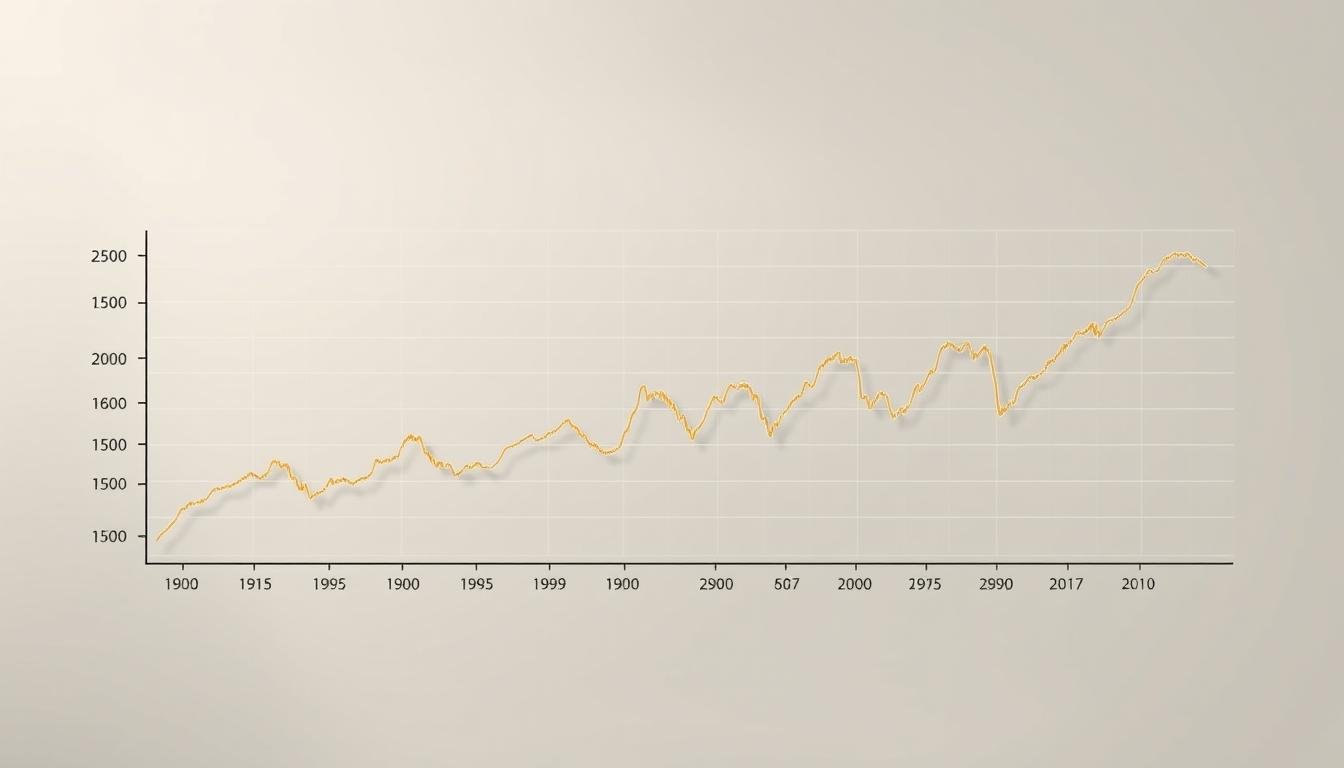
An in-depth look at gold’s price changes during this time shows some interesting patterns. Here’s a summary:
| Period | Gold Price Change | Market Sentiment |
|---|---|---|
| January 2020 – March 2020 | +10% | High Volatility |
| March 2020 – August 2020 | +18% | Recovery Optimism |
This data shows gold’s value in a diversified portfolio, even in economic stress. By learning from gold’s past performance in recessions, you can make better investment choices.
Gold Compared to Other Investment Assets in Recession Periods
When the economy is uncertain, knowing how gold stacks up against other investments is key. Investors seek safe assets as recession fears rise. Gold, known for its value, is often a top pick. But how does it fare against other assets in recessions?
Gold vs. Equity Markets During Downturns
Equity markets usually drop a lot in downturns, as investors get worried and earnings fall. Gold, though, often does better than stocks in bad times. For example, in the 2008 crisis, while stocks fell, gold prices went up, helping investors.
Gold also stood strong during the COVID-19 pandemic. While stocks were shaky, gold kept its value, helping stabilize portfolios.
Gold vs. Fixed Income Securities
Fixed income securities, like bonds, are seen as safer than stocks in recessions. Yet, they can be hit by rate changes and credit issues. Gold, not tied to these factors, is a unique addition to portfolios.
In the early 2000s dot-com crash, bonds saw lower yields, but gold prices stayed steady. This shows gold’s ability to hold its own, apart from bonds.
“Gold is a safe-haven asset that investors turn to during times of economic uncertainty. Its performance is often less correlated with other assets, making it a valuable diversifier in investment portfolios.”
Gold vs. Silver, Platinum, and Other Precious Metals
Other precious metals like silver and platinum also act as hedges in downturns. But gold is usually the most reliable. Silver’s price can be influenced by its industrial uses, unlike gold’s focus on being a safe haven.
| Metal | Performance During 2008 Crisis | Performance During COVID-19 |
|---|---|---|
| Gold | +25% | +30% |
| Silver | -30% | +20% |
| Platinum | -40% | +10% |
In conclusion, gold shines in recessions compared to other investments. It’s a key part of a well-rounded portfolio. Knowing these differences helps you make better choices to safeguard and grow your investments in tough times.
Key Factors That Drive Gold Prices During Economic Crises
During economic crises, several factors greatly affect gold prices. It’s important to know these to make smart investment choices. Central bank actions, currency values, and inflation expectations are key to gold’s value during tough times.
Central Bank Policies and Interest Rate Effects
Central banks are key in setting gold prices through their policies, like interest rates. Lower interest rates make gold more appealing to investors. But, higher rates can strengthen the dollar, making gold pricier for foreign buyers and reducing demand.
- Quantitative easing can lead to increased gold prices by injecting liquidity into the economy.
- Interest rate cuts can make gold more appealing compared to bonds and other fixed-income assets.
Currency Devaluation and Dollar Strength
The US dollar’s value greatly affects gold prices. A weaker dollar makes gold cheaper for foreign investors, boosting demand and prices. But, a strong dollar can make gold pricier for international buyers, lowering demand.
Inflation Expectations and Gold Valuation
Gold is a good hedge against inflation. When inflation is high, investors turn to gold to keep their buying power, increasing its price. High inflation weakens fiat currencies, making gold a better value.
- Gold’s historical performance during inflationary periods supports its role as an inflation hedge.
- Investors often seek gold during times of economic uncertainty and rising inflation expectations.
Understanding these factors helps you navigate gold investment during economic crises. Central bank policies, currency changes, and inflation expectations all play big roles in gold prices.
Gold Investment Strategies for Different Recession Scenarios
When the economy is in trouble, it’s smart to think about gold investments. Gold is seen as a safe place for money during tough times. There are many ways to invest in gold wisely during recessions.
Defensive Portfolio Allocation Models
One way to protect your money is by using gold as a safety net. You can put a small part of your money into gold, like 5% to 15%. This spreads out your risk and can help your portfolio stay strong. For example, in 2008, those who invested in gold did well as prices went up.
| Portfolio Allocation | Gold Allocation | Expected Outcome |
|---|---|---|
| Conservative | 10%-15% | Reduced volatility |
| Moderate | 5%-10% | Balanced risk |
| Aggressive | 2%-5% | Hedged against downturns |
Timing Entry and Exit Points in Gold Markets
Knowing when to buy and sell gold is key. Watch the economy’s health through GDP, inflation, and job numbers. Buy gold when the economy looks weak. Sell when it starts to get better to make a profit.
Systematic Investing Approaches for Gold
Systematic investing means putting a set amount of money into gold regularly. This method, called dollar-cost averaging, helps you not worry too much about market ups and downs. It’s a way to build up your gold over time, avoiding the risks of trying to guess the market.
Using these strategies can help you handle economic downturns better. It might even make your investment portfolio stronger.
Forms of Gold Investments for Economic Downturn Protection
Investing in gold can be a smart move during recessions. There are many ways to invest in gold, each with its own benefits and things to consider.
Physical Gold: Bullion, Coins, and Bars
Physical gold is something you can hold in your hand. It includes bullion, coins, and bars. The big plus of physical gold is it protects against inflation and currency loss. But, it needs safe storage, which can increase costs. Some popular types are:
- Gold coins like the American Eagle or Canadian Maple Leaf
- Gold bars from well-known mints
Paper Gold: ETFs, Mutual Funds, and Certificates
Paper gold is backed by gold but you don’t own it physically. This includes ETFs, mutual funds, and gold certificates. These options let you invest in gold without needing to store it. They are also easier to sell than physical gold.
“Gold ETFs have become a popular way to invest in gold, offering the benefits of diversification and liquidity.” –
Gold Mining Companies and Royalty Stocks
Investing in gold mining companies and royalty stocks lets you benefit from gold while also getting potential growth. These investments can be riskier than gold itself but might offer bigger gains.
| Investment Type | Advantages | Disadvantages |
|---|---|---|
| Gold Mining Stocks | Potential for high returns, operational leverage | Higher volatility, company-specific risks |
| Royalty Stocks | Exposure to multiple mines, lower operational risks | Dependent on royalty agreements |
Derivatives: Futures, Options, and Forwards
Derivatives like futures, options, and forwards let you invest in gold with leverage. They let you speculate on gold’s future price without owning it. These are complex and carry big risks, including the chance for big losses.
In conclusion, there are many ways to invest in gold to protect your portfolio during economic downturns. Knowing the pros and cons of each can help you make choices that fit your investment goals.
Understanding Gold’s Limitations as a Recession Hedge
When thinking about gold as a recession hedge, it’s key to look at its limits. Gold is often seen as a safe asset, but it faces challenges during economic downturns.
Price Volatility and Market Sentiment
Gold’s price can swing a lot, which is a big limitation. Market mood can change gold prices a lot. For example, during the COVID-19 pandemic, gold prices first fell but then rose to new highs.
Physical Gold Security and Insurance Costs
Investing in physical gold has its own hurdles, like security and insurance costs. Keeping gold safe can be pricey, and insurance adds to the cost. These expenses are important to think about when deciding on gold as an investment.
Liquidity Considerations in Stressed Markets
In tough markets, getting gold sold quickly can be hard. Even though gold is seen as liquid, selling a lot fast can affect its price. This risk is key to remember when investing in gold.
| Limitation | Description | Impact on Investors |
|---|---|---|
| Price Volatility | Market sentiment causes significant price fluctuations | Unpredictable returns, potential for losses |
| Security and Insurance Costs | Additional costs for storing and insuring physical gold | Increased overall cost of investment |
| Liquidity Risk | Difficulty selling large quantities quickly without impacting market price | Potential for reduced liquidity in stressed markets |
Knowing these limits can help you make better choices about gold in your portfolio during recession risks.
Expert Perspectives on Gold During Economic Downturns
Investors worry about economic downturns. Expert opinions on gold’s role are very helpful. They share insights from financial experts and central banks on gold’s performance in recessions.
Wall Street Analyst Viewpoints
Wall Street analysts have different views on gold in economic downturns. Some see gold as a safe-haven asset that investors turn to when times are uncertain. Gold’s performance is linked to market sentiment and how investors act.
For example, during the COVID-19 pandemic, gold prices went up as investors looked for safe places to put their money.
Analysts say gold’s value is affected by many things. These include central bank policies, changes in currency value, and inflation expectations. Knowing these factors can help you decide if gold is right for your portfolio.
Central Bank Gold Reserve Strategies
Central banks worldwide are buying more gold for their reserves. This shows they trust gold’s value during economic troubles. Investors watch these strategies closely because they can affect gold prices.
Central banks add gold to their reserves to diversify and not rely too much on one currency. In recent years, countries like China and Russia have increased their gold reserves a lot. This highlights gold’s role as a store of value and a way to protect against economic uncertainty.
The Future of Gold in Potential Upcoming Recessions
As we explore the global economy, knowing about gold’s future in recessions is key. Investors must watch for factors that could affect gold’s value during tough times.
Economic Warning Signs to Monitor
To guess how gold will do in future recessions, watch these economic signs:
- Inverted yield curves, which have historically preceded many recessions
- Rising inflation rates, which can erode the value of traditional assets
- Increasing global economic uncertainty, often driven by geopolitical tensions
Keeping an eye on these signs can guide your gold investment choices.
Evolving Factors in Gold’s Recession Performance
Several new factors could change how gold does in recessions. Think about these:
| Factor | Potential Impact on Gold |
|---|---|
| Central bank digital currencies (CBDCs) | Could potentially reduce demand for physical gold |
| Increased focus on ESG (Environmental, Social, and Governance) investing | Might influence gold mining companies’ practices and profitability |
| Advancements in gold investment products | Could make it easier for investors to access gold markets |
Grasping these factors can help you navigate gold investments in downturns.
Debunking Myths About Gold During Recession Periods
Many investors think gold is a sure safe haven in tough times. But is this true? Gold has often done well in recessions, but it’s not risk-free.
The Guaranteed Safe Haven Misconception
The belief that gold is always safe in downturns is wrong. Gold prices can go up, but they can also swing wildly. For example, in the 2008 crisis, gold prices first fell, then rose. This shows gold isn’t a guaranteed safe bet.
Understanding Gold’s Actual Protective Qualities
Gold isn’t a guaranteed safe haven, but it does offer some protection. It usually does well when other investments fall. This makes it a good choice for diversifying your portfolio. Looking at gold’s performance in past downturns shows its value as a recession protection asset.
| Economic Downturn | Gold Performance |
|---|---|
| 1970s Stagflation | Significant increase in gold prices |
| 2008 Global Financial Crisis | Initial drop, followed by a substantial rise |
| COVID-19 Pandemic | Rapid price increase as markets declined |
Knowing how gold really protects can help you make better choices in uncertain times.
Conclusion: Is Gold a Reliable Recession Investment?
You’ve looked into gold’s role in times of economic trouble. Now, let’s wrap up the main points. Gold has often been a safe choice for investors when the economy is down.
We’ve talked about gold’s past performance in recessions. This includes the 1970s, the early 2000s, and the 2008 crisis. We’ve also compared it to other investments and what makes its price go up or down.
Gold’s value can change, but it’s often seen as a good way to spread out risk. It can also protect against inflation. So, adding gold to your portfolio might be a smart move.
In short, gold is still a good choice for those looking to protect their investments in tough times. Knowing how gold has done in the past can help you decide if it’s right for you.