When the Federal Reserve cuts interest rates, it shakes up financial markets. One big winner is precious metals. Rate cuts have often led to big gains in these valuable commodities. This is because of changes in how people invest and the state of the economy.
Knowing how global monetary policy affects precious metals can help you invest smarter. You’ll learn how rate cuts change market trends and the value of safe assets.
Key Takeaways
- Rate cuts usually boost investment in precious metals.
- Global monetary policy greatly influences gold’s performance.
- Understanding rate cut impacts can guide your investment plans.
- Precious metals tend to rise when the economy is uncertain.
- Monetary policy decisions can greatly affect market volatility.
The Fundamental Relationship Between Interest Rates and Gold
Interest rates and gold prices often move in opposite directions. This is important for investors to know. It’s based on economic theory and backed by history.
Why Gold and Interest Rates Are Inversely Correlated
The link between interest rates and gold comes down to opportunity cost. When global rates are high, gold seems less appealing. This is because you can earn more from other investments.
But when rate policy is relaxed and rates drop, gold becomes more attractive. This is because the cost of holding gold goes down.
Economic theory shows that low interest rates make fixed-income investments less appealing. This pushes investors towards gold. This effect is clear when rates are low, showing a strong interest rates and gold link.
Historical Evidence of the Correlation
Gold prices have gone up when interest rates have fallen. This is because lower rates make other investments less appealing. It shows the inverse link between global rates and gold prices.
This insight is crucial for investors dealing with different rate policy scenarios.
Understanding Global Monetary Policy Mechanisms
Ever wondered how central banks cut rates and what it does to global markets? Knowing how they make these decisions can give you a deeper look into finance and investing.
How Central Banks Implement Rate Cuts
Central banks use different ways to cut rates, shaping monetary policy. They mainly rely on open market operations and forward guidance.
Open Market Operations
Open market operations involve buying or selling government bonds to change the economy’s liquidity. When they buy bonds, they add cash to the system. This lowers interest rates, encouraging people to borrow and spend.
Forward Guidance Techniques
Forward guidance is another key tool. Central banks share their future plans to influence market expectations. By hinting at rate changes, they guide investor actions and market trends.
| Tool | Purpose | Effect on Economy |
|---|---|---|
| Open Market Operations | Adjust liquidity | Reduces interest rates, stimulates borrowing and spending |
| Forward Guidance | Influence market expectations | Shapes investor behavior, impacts market dynamics |
Understanding these tools helps you predict how rate cuts might impact gold prices. It can guide your investment choices.
Historical Performance of Gold During Rate Cut Cycles
When central banks cut rates, gold’s past performance is key. Looking at how gold reacted to rate cuts before can guide your investment choices. It helps you navigate through changes in interest rates.
Analysis of Gold Price Movements in Past Rate Cut Environments
Gold often shines when rates go down. Lower rates make gold more appealing since it doesn’t earn interest. This makes it a good choice for investors.
1970s Stagflation Period
In the 1970s, gold prices soared due to stagflation. The Fed’s rate cuts aimed to boost the economy but led to inflation. This pushed gold prices up. Here are some key facts from that time:
- Gold prices jumped over 600% in the 1970s.
- Inflation hit 14.8% in March 1980.
- Interest rates were cut to fight economic slowdown.
2000s Dot-Com Bubble Aftermath
In the early 2000s, after the dot-com bubble, gold prices rose 26%. Investors turned to gold as stocks and bonds fell. This showed gold’s value as a safe haven in uncertain times.
- Gold does well when rates are cut.
- Rate cut history shows gold’s safe-haven role.
- Learning from gold’s past can shape future investments.
Federal Reserve Rate Cuts and Their Impact on Gold Markets
It’s key for investors to grasp how Federal Reserve rate cuts affect gold markets. The Fed’s moves greatly sway gold prices, thanks to the dollar’s role in pricing gold.
The Unique Influence of US Monetary Policy on Gold
US monetary policy uniquely impacts gold prices. When the Federal Reserve lowers interest rates, the dollar weakens. This makes gold cheaper for overseas buyers, possibly boosting demand.
Dollar Strength Effects on Gold Pricing
A weaker dollar can lift gold prices by making it more affordable for foreign buyers. On the flip side, a stronger dollar can lower gold prices. Keeping an eye on the dollar’s strength is vital for predicting gold market trends.
The bond between US Treasury yields and gold prices is also noteworthy. Lower yields make gold more appealing than bonds, which can drive up gold prices. Below is a simple table showing how US Treasury yields and gold prices are linked:
| US Treasury Yield | Gold Price Trend |
|---|---|
| Decreasing | Increasing |
| Stable | Stable |
| Increasing | Decreasing |
By understanding these connections, you can make better choices for your gold investments.
European Central Bank Policy and Gold Valuation
The ECB’s actions are key in global monetary policy. They can affect gold prices, mainly through the EUR/USD exchange rate. It’s important to look at the global policy scene when checking gold’s performance.
EUR/USD Exchange Rate Effects on Gold Pricing
The EUR/USD exchange rate is vital in setting gold prices. If the euro gets stronger against the dollar, gold might cost more for euro investors. This could lower demand. On the flip side, a weaker euro makes gold cheaper for eurozone investors, which can increase demand and prices.
Currency Pair Volatility Impact
Volatility in the EUR/USD currency pair greatly affects gold pricing. High volatility makes investors uncertain, leading some to buy gold as a safe haven. This can push gold prices up as investors seek stability.
The timing of trading between European and US markets also impacts gold pricing. The ECB and Fed’s policy announcements in different time zones can cause market reactions at different times. This affects gold prices all day.
It’s vital for investors to understand these dynamics in gold trading. By watching ECB policy and its effect on the EUR/USD exchange rate, you can make better investment choices.
Asian Rate Policies and Their Influence on Gold Consumption
In the world of finance, Asian rate policies, like China’s, greatly affect gold markets. You might wonder how these policies impact gold use. Let’s explore this further.
China’s Monetary Policy and Its Gold Market Implications
China’s monetary policy is key in shaping global gold markets. The People’s Bank of China (PBOC) has a big role here. Its rate changes not only affect gold demand in China but also influence global gold prices.
PBOC Rate Actions and Gold Import Patterns
When the PBOC changes interest rates, it affects gold imports. A drop in interest rates can boost gold imports as investors look for better returns in gold. This is because lower rates make gold more appealing to investors.
The PBOC’s strategy on gold reserves also plays a big role in global gold markets. By expanding its reserves, China can sway the global gold price. As a major gold holder, China’s gold reserve decisions can greatly influence market trends.
As we look into Asian rate policies and their effect on gold use, it’s clear that grasping these details is vital. It helps in making smart investment choices in the gold market.
“The role of central banks in gold price dynamics is often underestimated. Their decisions on gold reserves and interest rates can have a profound impact on the global gold market.”
Emerging Market Rate Cuts and Gold Investment Flows
Gold investment in emerging markets is influenced by rate cuts and currency changes. When central banks lower interest rates, it can lead to a weaker currency. This makes gold more appealing to investors.
Currency Devaluation Concerns in Developing Economies
In emerging markets, rate cuts often cause currency devaluation. This prompts investors to look for safe assets like gold. This protective measure helps preserve wealth against declining local currencies.
Countries like Turkey, Brazil, and South Africa have seen big changes in their currencies due to rate cuts. For example, “In Turkey, gold reserves have seen a substantial increase as a hedge against lira devaluation,” showing the direct correlation between rate cuts and gold investment.
Capital Flight Patterns During Rate Cut Cycles
During rate cut cycles, emerging markets often see capital flight towards safer assets.
“Investors typically reallocate their portfolios to include more gold during such periods, as it provides a hedge against potential losses.”
This behavior shows gold’s role as a safe-haven asset.
Understanding these dynamics is key for investors in the global gold market. By analyzing the global impact of rate cuts, investors can make better choices.
Gold Performance During Synchronized Global Rate Cuts
When central banks worldwide work together, gold prices can see big changes. You might wonder what happens when many central banks cut rates at the same time. Synchronized global rate cuts can have a bigger impact on gold prices than single actions.
Coordinated Central Bank Actions and Their Amplified Effects
Coordinated actions by central banks can make gold prices move more. This is because their policies work together. This teamwork can cause a bigger market reaction, as everyone reacts to the joint effort.
G7 and G20 Policy Coordination Examples
Policy coordination is seen in G7 and G20 forums. Here, big economies talk and align their money policies. Some key examples include:
- Joint rate cuts during economic downturns
- Coordinated quantitative easing programs
- Synchronized forward guidance on monetary policy
Market Anticipation of Collective Action
Market anticipation is key in gold prices’ reaction to coordinated rate cuts. When investors think there will be collective action, they might change their plans early. This can lead to:
- Increased demand for gold as a safe-haven asset
- Price movements in anticipation of the coordinated action
- Amplified market reactions due to the synchronized nature of the policies
Understanding these dynamics can help you make better gold investment decisions. By knowing the potential impacts of coordinated central bank actions, you can better handle the gold market’s complexities.
The Time Lag Between Rate Cuts and Gold Price Reactions
Rate cuts don’t immediately affect gold prices. There’s a delay that investors should know about. This lag comes from many factors, like market expectations and global monetary policy.
Short-term Versus Long-term Gold Price Responses
Gold prices react differently to rate cuts at first versus later. In the short term, prices can swing a lot due to market ups and downs.
Initial Market Shock Patterns
Right after a rate cut, the market surprises and speculates. This can cause:
- Quick price changes as investors adjust
- More trading as the market buzzes
- Gold prices might jump as people look for safe places to put their money
Extended Price Discovery Periods
After the initial shock, gold prices keep adjusting for a while. This longer period is shaped by:
- Releases of economic data showing how well the rate cut worked
- More decisions from central banks
- Global trends that affect how confident investors are
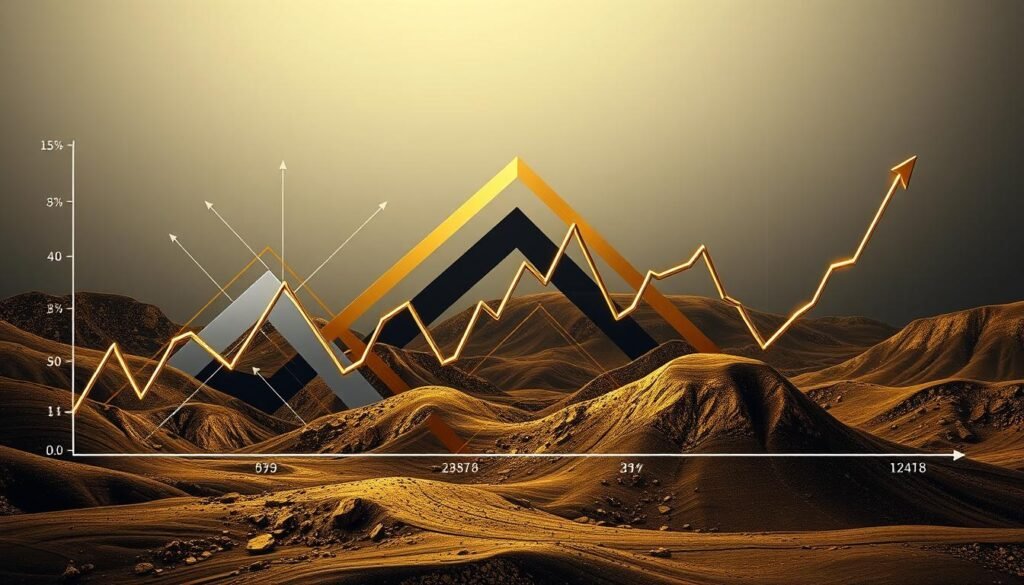
It’s key for investors to understand these changes. Knowing about both quick price swings and long-term trends helps you make better choices for your gold investments.
Key Takeaways:
- The time it takes for rate cuts to affect gold prices can be quite long
- Looking at both short-term and long-term effects is important for gold investments
- Keeping up with global monetary policy and economic news is crucial for dealing with these market changes
Gold as the Ultimate Inflation Hedge Following Rate Cuts
When global rates are cut, investors often look to gold for protection against inflation. This choice is based on gold’s history as a reliable value store during monetary expansion.
Monetary Expansion Effects on Precious Metals
Rate cuts by central banks usually lead to more money in circulation. This can cause inflation, making gold a good investment choice.
Money Supply Growth Correlation with Gold Prices
Research shows a link between money supply growth and gold prices. As money supply goes up, so does gold’s price. This is because gold is rare and highly valued.
| Year | Money Supply Growth (%) | Gold Price Change (%) |
|---|---|---|
| 2008 | 10.2 | 25.1 |
| 2010 | 5.5 | 29.2 |
| 2015 | 8.1 | 11.6 |
Velocity of Money Considerations
The speed at which money moves through the economy is also key. A slower velocity can boost demand for safe assets like gold.
“Gold is a hedge against bad government, not just inflation.” –
It’s important for investors to understand how rate cuts, money growth, and gold prices interact. By looking at past trends and connections, investors can make better gold investment choices.
Currency Devaluation Effects on Gold’s Global Purchasing Power
Global economic changes lead to currency devaluation, affecting gold’s value worldwide. When a currency loses value, gold’s price in that currency goes up. This makes gold more valuable locally.
This situation increases gold demand in countries with devalued currencies. Investors want to keep their wealth safe by buying gold.
Dollar-Denominated Gold Versus Local Currency Valuations
The price of gold is usually shown in US dollars. But its real value can change a lot when converted to local currencies. Currency devaluation can cause a big difference between gold’s dollar price and its value in local currencies.
For example, if the US dollar gets stronger, gold’s price in dollars might not change. But in countries with weaker currencies, gold becomes more expensive.
Gold’s performance changes with the dollar’s strength or weakness. In a strong dollar environment, gold is pricier for buyers with other currencies. This might lower demand. On the other hand, a weak dollar makes gold cheaper for foreign buyers, which could increase demand.
Cross-Currency Gold Price Disparities
Gold prices can differ across currencies due to exchange rate changes. These differences can lead to trading opportunities. Traders might buy gold in one currency and sell it in another, using price differences.
It’s important for investors to understand these trends. They can use this knowledge to make the most of global gold market opportunities.
Rate Cuts During Economic Crises: Gold’s Safe Haven Status
When the economy is in trouble, investors look at gold’s value closely. They want to protect their money. Gold is seen as a safe place to put your money during tough times.
Panic Rate Cuts Versus Planned Easing Cycles
It’s important to know the difference between sudden rate cuts and planned ones. Sudden cuts happen when the market drops fast. Planned cuts are part of a bigger plan to help the economy.
Emergency Rate Action Characteristics
Emergency rate cuts happen quickly and are big. They surprise the market. People then turn to gold as a safe choice.
Market Sentiment Analysis During Crises
When the economy is bad, how people feel in the market matters a lot. Gold usually goes up because it’s seen as safe.
Let’s look at how gold did during different economic troubles.
| Crisis Scenario | Rate Cut Magnitude | Gold Price Change |
|---|---|---|
| 2008 Financial Crisis | -5% | +24% |
| 2020 COVID-19 Pandemic | -1.5% | +34% |
| 2011 European Debt Crisis | -0.5% | +12% |
In short, knowing how rate cuts and gold work together in bad times is key. By understanding emergency rate actions and market feelings, investors can make better choices about gold.
Investment Strategies for Gold During Global Rate Cut Environments
Investing in gold when rates are cut needs a deep understanding of money policy and gold markets. Central banks cutting rates change the economy, offering both chances and hurdles for gold investors.
Timing Gold Purchases Around Rate Announcements
Timing gold buys with rate announcements is a smart strategy. It means watching central bank moves and tweaking your plans based on them.
Technical Indicators for Entry Points
Technical signs can show the best times to buy gold. Important ones include:
- Moving averages to track market trends
- Relative Strength Index (RSI) to spot when prices are too high or low
- Bollinger Bands to see how volatile the market is
Position Sizing Based on Rate Cut Magnitude
How much gold to buy also matters when rates are cut. The size of the rate cut affects gold prices, so adjust your investment size based on it.
For example, a big rate cut might mean buying more gold. But a small cut might mean being more careful with your investments.
| Rate Cut Magnitude | Recommended Position Size | Gold Price Impact |
|---|---|---|
| Large (>50 bps) | Increase allocation | Significant increase |
| Moderate (25-50 bps) | Maintain current allocation | Moderate increase |
| Small ( | Reduce allocation | Minimal impact |
By using these strategies, investors can craft a solid plan for gold investments in rate cut times. Keeping up with central bank actions and adjusting your strategy is key.
Physical Gold Versus Gold Derivatives in Rate Cut Scenarios
Monetary policies change, making the choice between physical gold and gold derivatives key for investors. Knowing how each performs in rate cut scenarios helps you make better choices.
Performance Differences Between Gold Assets
Gold assets like ETFs, physical bullion, and mining stocks act differently with rate cuts. It’s important to understand these differences to improve your investment strategy.
Gold ETFs vs. Physical Bullion
Gold ETFs are easy to trade and liquid, appealing in rate cut cycles. Yet, they might not fully match the benefits of owning physical gold. Physical bullion, on the other hand, is a real asset that can protect against inflation and currency loss.
- Advantages of Gold ETFs: Liquidity, ease of trading, and lower storage costs.
- Advantages of Physical Bullion: Tangible ownership, potential for higher returns in extreme market conditions.
Mining Stocks vs. Spot Gold Price Movement
Mining stocks can be more unpredictable than the spot gold price. This is because of operational risks and how much they’re influenced by gold prices. During rate cuts, mining stocks might see higher returns if they benefit from lower costs and more investment in mining.
In conclusion, when dealing with rate cut scenarios, it’s vital to look at the unique traits of different gold investments. By grasping the performance gaps between gold ETFs, physical bullion, and mining stocks, you can make more informed choices that fit your financial goals.
Future Outlook: Predicted Rate Paths and Gold Market Implications
Central banks’ rate decisions greatly affect gold prices. It’s key to grasp their forward guidance. Knowing about predicted rate paths and their effects can change the game for gold investors.
Central Bank Forward Guidance and Gold Price Forecasts
Central banks share their future plans through forward guidance. This can shape market expectations. Understanding this guidance can help predict gold price changes.
Interpreting Dot Plots and Statement Language
Dot plots and statement language are vital for central banks to share their views. For example, the Federal Reserve’s dot plot shows rate expectations of FOMC members. Pay attention to:
- The median forecast, showing the FOMC’s central rate expectation
- The spread of forecasts, indicating uncertainty or disagreement
- Changes in the dot plot, showing shifts in policy
Market-Based Rate Expectations Tools
Market tools also offer insights into rate expectations. You can use:
- Federal Funds futures contracts to see market rate change expectations
- Interest rate swaps to understand future rate pricing
By combining these insights with gold market knowledge, you can make better investment choices. 
As you watch the global monetary policy scene, remember to stay updated. Staying ahead means constant learning and watching central bank signals.
Conclusion: Navigating Gold Investments in a Changing Rate Environment
Understanding how rate cuts globally affect gold is key for smart investing. Knowing how monetary policy and gold prices interact helps you face the ups and downs of rate changes.
Rate changes, driven by global monetary policy, impact gold prices a lot. When central banks cut rates, it’s important to think about how it affects your gold investments. Gold has often been a safe choice against market ups and downs. Knowing how it acts during rate cuts can guide your investment choices.
Remember, gold investments can help diversify your portfolio. Staying updated on global monetary policy and rate changes helps you seize gold market opportunities.