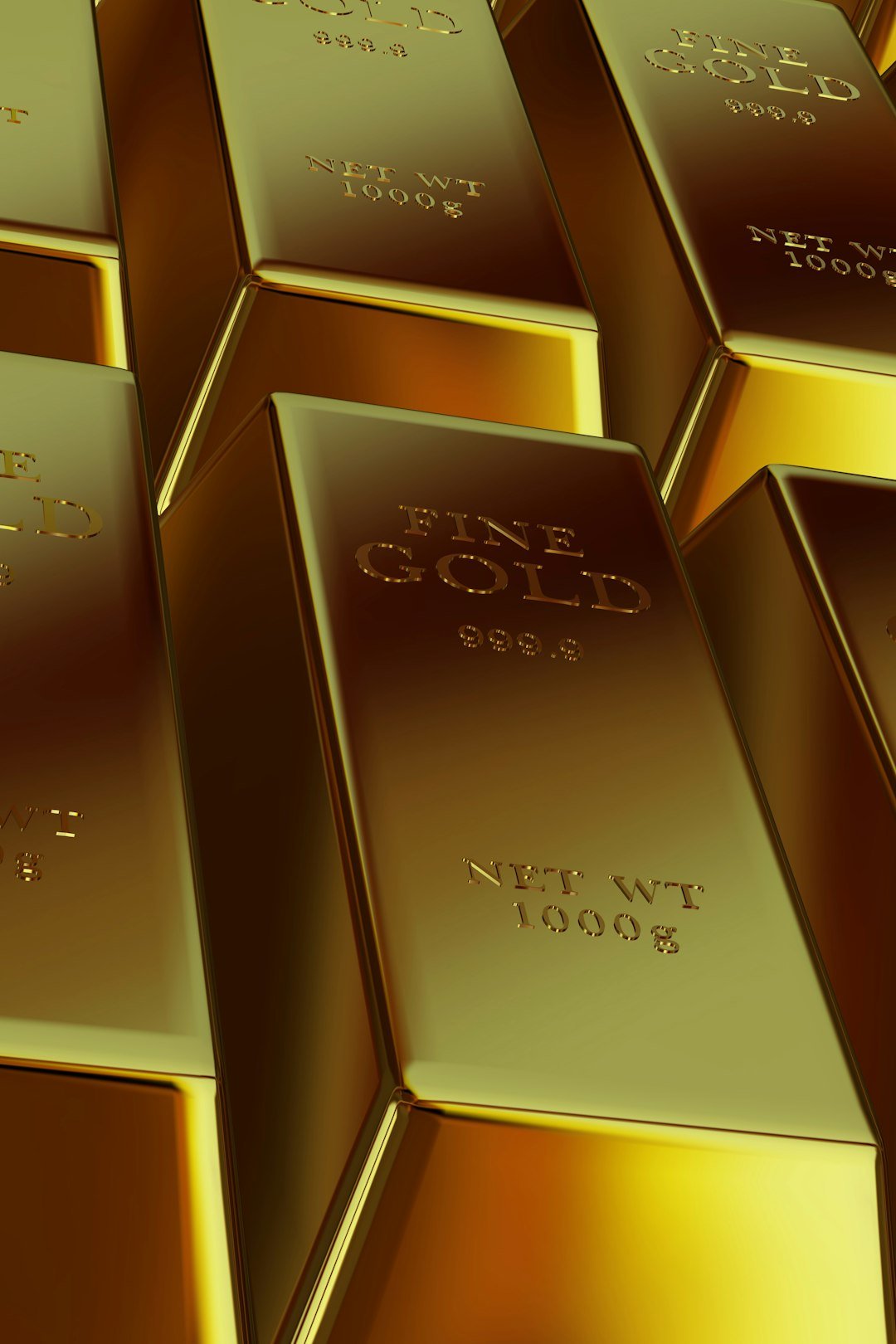
Did you know that investing in gold can be a strategic move to diversify your portfolio and potentially shield it from market volatility? For thousands of years, gold has been a valued asset, offering a safe haven during economic uncertainty. Creating a gold index portfolio can be a great way to tap into this stability.
You can start building your own portfolio by understanding the importance of diversification in your investment strategy. We will guide you through the process, providing expert advice and practical tips to help you make informed decisions.
Key Takeaways
- Understand the benefits of diversifying your investments with a gold index portfolio.
- Learn how to start constructing your own portfolio.
- Discover the importance of a well-diversified investment strategy.
- Get expert tips on making informed investment decisions.
- Explore the role of gold in hedging against market volatility.
The Enduring Value of Gold as an Investment Asset
Gold is a top pick for investors wanting to protect their money from market ups and downs. It’s a timeless choice that adds stability and growth potential to any investment mix.
Historical Performance of Gold During Economic Cycles
Gold shines when the economy falters, serving as a safe-haven asset. For example, in the 2008 crisis, gold prices soared as people fled shaky stock markets. Knowing how gold has performed in the past can guide your index strategy choices.
Gold’s Correlation with Other Asset Classes
Gold’s relationship with other investments is key in portfolio construction. By grasping how gold interacts with other assets, you can build a more balanced portfolio.
Gold vs. Stocks and Bonds
Gold tends to move differently than stocks and bonds, making it a great diversifier. When these assets are shaky, gold often goes the other way, helping stabilize your portfolio.
Gold vs. Real Estate and Commodities
Gold has a special bond with real estate and other commodities. It doesn’t directly correlate with real estate but can protect against inflation, which affects real estate prices. Compared to other commodities, gold’s value is more about its perceived worth, making it less volatile.
What Exactly Is a Gold Index Portfolio?
A gold index portfolio tracks a specific gold index’s performance. It offers a unique way to diversify investments. This portfolio gives broad exposure to the gold market without needing physical gold or gold mining stocks.
Definition and Fundamental Components
A gold index portfolio mirrors a certain gold index’s performance. It includes various gold-related assets like gold ETFs, futures, or mining company shares. The mix depends on the index it tracks.
Investing in a gold index portfolio has many benefits. It offers diversification, liquidity, and flexibility. It lets investors track the gold market with one investment, simplifying the process.
Comparing Gold Indices to Traditional Gold Investments
Gold indices provide more diversified exposure than traditional gold investments. While traditional investments carry risks, a gold index spreads investments across different gold assets. This can reduce some risks.
Popular Gold Indices in the Market
Many gold indices are popular, like the S&P GSCI Gold Index and the Solactive Gold Index. These indices serve as benchmarks for the gold market. They help investors track performance and make better decisions.
Understanding gold index portfolios can help you make better investment choices. Whether you’re experienced or new, adding a gold index portfolio to your investments can be beneficial.
Why Creating Your Own Gold Index Portfolio Makes Financial Sense
By taking control of your gold investments, you can make more informed financial decisions. Creating a gold index portfolio lets you tailor your investments to your specific financial goals and risk tolerance.
Cost Advantages Over Professionally Managed Funds
One of the main benefits of creating your own gold index portfolio is saving on management fees. Professionally managed funds often have high fees that can reduce your returns. By managing your own portfolio, you can avoid these costs and keep more of your investment gains.
For instance, consider the following comparison of costs:
| Investment Type | Management Fee |
|---|---|
| Professionally Managed Gold Fund | 1.5% – 2.5% |
| Self-Managed Gold Index Portfolio | 0.2% – 0.5% |
Customization Benefits for Personal Financial Goals
When you create your own gold index portfolio, you can align your investments with your personal financial goals. Whether you’re saving for retirement, a down payment on a house, or your children’s education, you can tailor your portfolio to meet your needs.
For example, if you’re nearing retirement, you might choose to allocate a larger portion of your portfolio to more conservative gold investments. On the other hand, if you’re younger and have a longer investment horizon, you might opt for a more aggressive allocation. You can start designing your portfolio by visiting https://golds.consulting/ for more information.
Enhanced Control Over Risk and Exposure Levels
Managing your own gold index portfolio also gives you greater control over your risk and exposure levels. You can adjust your investments in response to market fluctuations, ensuring that your portfolio remains aligned with your risk tolerance.
By having this control, you can potentially reduce your exposure to market volatility and make more informed decisions about your investments. This level of control is a significant advantage of creating your own gold index portfolio.
Establishing Clear Investment Objectives for Your Gold Portfolio
When you start building your gold index portfolio, it’s key to set clear investment goals. These goals should match your financial dreams. They guide your choices in gold investing, making it easier to navigate.
Defining Short-term and Long-term Financial Goals
First, you must define your short-term and long-term financial dreams. Short-term goals might be saving for a house down payment or a big purchase. Long-term goals could be about retirement or growing your wealth over years.
Knowing your goals helps you shape your gold portfolio. For example, if you’re saving for something soon, you might choose to invest less in gold. Instead, you could pick more liquid assets.
Determining Your Investment Time Horizon
Your investment time frame is also crucial. If you can wait longer, you might take on more risk. This could lead to bigger gains in your gold investments over time.
Assessing Your Personal Risk Tolerance
Understanding your risk comfort is essential for a gold portfolio. It’s about knowing how you feel about market ups and downs. You can use risk assessment questionnaires or look at past market moves to figure out your risk level.
Risk Assessment Questionnaires
Risk questionnaires help you see how much risk you can handle. They ask about your finances, goals, and risk comfort. This helps you understand your risk tolerance.
Historical Volatility Considerations
Looking at gold’s past performance is also important. It helps predict how your portfolio might do in the future. By studying past trends, you can guess how your gold investments might act under different market conditions.
Gold Investment Vehicles to Include in Your Index
When you’re setting up your gold index portfolio, picking the right investment vehicles is key. You can choose from physical gold to more complex financial tools. It’s important to know what each option offers and how they fit into your investment plan.
Physical Gold Options
Physical gold is a solid choice for investors. It’s something you can hold in your hand. It includes:
Coins and Bullion
Gold coins and bullion are favorites among investors. They’re well-known and easy to trade.
Gold Bars and Ingots
Gold bars and ingots are great for bigger investments. They cost less than coins and are more substantial.
Experts say, “Physical gold has been a reliable store of value for centuries. It’s a key part of many investment portfolios.”
“Gold is a unique asset class. It offers a hedge against inflation, currency changes, and market ups and downs.”
Paper Gold Investments
If you don’t want to hold physical gold, paper investments are a good alternative. These include:
Gold ETFs and Mutual Funds
Gold ETFs and mutual funds let you invest in gold without owning it. They follow gold’s price and are easy to sell.
Gold Mining Stocks and Royalty Companies
Investing in gold mining stocks and royalty companies gives you gold exposure. You also get a piece of the companies that mine it.
Financial analysts say investing in gold mining stocks can be a smart way to bet on gold prices. For more on gold investment services, check out https://golds.consulting/services/.
Derivative Gold Products
Derivative gold products get their value from gold’s price. These include:
Gold Futures and Options
Gold futures and options are for advanced investors. They use these to hedge or speculate on gold prices.
Gold Certificates
Gold certificates are claims on gold. They’re a smart way to invest in gold without the hassle of physical storage.
| Investment Vehicle | Characteristics | Risks |
|---|---|---|
| Physical Gold | Tangible asset, store of value | Storage, insurance costs |
| Gold ETFs | Liquid, tracks gold price | Market volatility |
| Gold Mining Stocks | Leveraged exposure to gold | Company-specific risks |
Knowing about the different gold investment options helps you make smart choices for your portfolio. Each option has its pros and cons. A balanced mix can help you reach your financial goals.
Understanding Gold Market Dynamics and Price Drivers
Knowing what drives gold prices is key for investors. The gold market is complex. It’s shaped by many macroeconomic indicators and technical factors.
Macroeconomic Indicators That Influence Gold Prices
Macroeconomic indicators are crucial for gold prices. They show the economy’s health. This helps investors make smart choices.
Inflation and Interest Rates
Inflation and interest rates affect gold prices. When inflation rises, currency value drops. This often raises gold prices as people seek safe assets. But, higher interest rates can strengthen the currency. This might lower gold prices.
Currency Fluctuations
Currency changes, like in the US dollar, impact gold prices. A weaker dollar makes gold cheaper for others. This can increase demand and prices.
Technical Analysis Tools for Gold Markets
Technical analysis is important for gold markets. It looks at past data to predict future prices. Tools help investors spot trends and patterns for better decisions.
Seasonal and Cyclical Patterns in Gold Trading
Gold trading has seasonal and cyclical patterns. Prices can surge at certain times or with economic cycles. Knowing these patterns helps investors time their investments better.

Understanding these factors helps you make better gold investment choices. This way, you can build a stronger gold index portfolio.
Step-by-Step Process for Building Your Gold Index Portfolio
To create a successful gold index portfolio, follow a step-by-step process. This process aligns with your financial goals. It involves several critical steps to build a robust and effective investment strategy.
Establishing Your Asset Allocation Framework
The first step is to establish a clear asset allocation framework. Determine the proportion of your investment portfolio for gold. Your decision should be based on your financial goals, risk tolerance, and investment horizon.
Selecting Appropriate Gold Investment Vehicles
After setting your asset allocation, select the right gold investment vehicles. You can choose from physical gold, gold ETFs, gold mining stocks, and gold futures. Each option has its own benefits and risks.
Implementing Weighting Methodologies
Next, implement a weighting methodology for your gold investments. There are several options, including:
Equal Weighting
Equal weighting means allocating an equal amount to each investment. This diversifies your investments and can minimize risk.
Market Cap Weighting
Market cap weighting bases your allocation on each investment’s market capitalization. This ensures your portfolio reflects the gold market.
Fundamental Weighting
Fundamental weighting bases your allocation on factors like revenue and earnings. This helps identify promising gold investments.
Setting Up the Necessary Investment Accounts
Lastly, set up the necessary investment accounts for your gold investments. This may include a brokerage account, retirement account, or robo-advisor account. Choose an account that fits your investment goals and provides the right tools and support.
By following these steps, you can create a well-structured gold index portfolio. It aligns with your financial goals and helps you achieve your investment objectives.
As Warren Buffett once said, “Price is what you pay. Value is what you get.” When building your gold index portfolio, focus on creating value through a well-crafted investment strategy.
Diversification Strategies Within Your Gold Index
To build a strong gold index portfolio, focus on diversification strategies. Diversification is key to managing risk and possibly boosting returns.
Geographic Diversification of Gold Assets
Investing in gold from various global regions is called geographic diversification. It helps reduce risks from market and political changes. You can invest in gold mining companies worldwide or in ETFs that follow global gold prices.
Balancing Different Types of Gold Investments
Mixing different gold investments is vital. Combine physical gold, ETFs, mining stocks, and futures. Each has its own risk and return potential, leading to a stable portfolio.
Incorporating Other Precious Metals for Balance
Adding silver, platinum, and palladium to your portfolio diversifies it further. These metals have unique market behaviors, offering a gold price hedge.
Silver, Platinum, and Palladium Considerations
Silver’s high volatility and industrial demand make it a good diversifier. Platinum and palladium, key in the auto industry, expose you to different sectors. Consider their market trends and gold correlation when adding them.
Optimal Ratios Between Gold and Other Metals
Finding the right mix of gold and other metals depends on your goals and risk level. A common mix is 70% gold, 15% silver, 10% platinum, and 5% palladium. Adjust this based on market changes and your financial goals.
Creating and Implementing a Gold Portfolio Rebalancing Schedule
Keeping your gold portfolio in balance is key. Market changes can shift your portfolio’s mix, risking your investments or missing growth chances.
Determining Optimal Rebalancing Frequency
How often to rebalance depends on your investment time frame, risk comfort, and gold investment types. Some choose to rebalance every quarter or year. Others rebalance when their portfolio’s mix strays too far from their goal.
| Rebalancing Frequency | Pros | Cons |
|---|---|---|
| Quarterly | Regular adjustments help manage risk | May increase transaction costs |
| Annually | Lower transaction costs | May allow significant drift in allocation |
| Threshold-based | Rebalances only when necessary | Requires constant monitoring |
Tax-Efficient Rebalancing Strategies
Think about taxes when rebalancing. Tax-efficient strategies can reduce tax hits. You might rebalance in tax-advantaged accounts or sell assets wisely to avoid taxes.
Tools and Services for Automated Rebalancing
Many tools and services make rebalancing easier. Brokerage platforms and robo-advisors offer automated rebalancing. Look at fees, investment choices, and control over your portfolio when choosing.
With a smart rebalancing plan and the right tools, your gold portfolio stays on track. This is true even as markets change.
Tax Implications of Gold Investments for U.S. Investors
As a U.S. investor, knowing how gold investments impact your taxes is key. The tax rules for gold investments can be tricky. They depend on the type of gold investment you have.
IRS Classification of Physical Gold
The IRS sees physical gold as a collectible. This means it’s taxed differently than other investments. When you sell physical gold, you face a maximum tax of 28%.
Key Tax Considerations for Physical Gold:
- Gains are taxed as ordinary income up to 28%
- Losses can be used to offset gains but are subject to specific rules
- Storage in a home or safe is considered a personal possession, not a investment, for tax purposes
Tax Treatment of Different Gold Investment Vehicles
Gold investments come in different forms, each with its own tax rules. For example, gold ETFs are treated like stocks. This can lead to lower taxes compared to collectibles.
| Investment Vehicle | Tax Treatment |
|---|---|
| Physical Gold | Taxed as a collectible at 28% |
| Gold ETFs | Subject to capital gains tax |
| Gold Mining Stocks | Subject to capital gains tax |
Tax-Advantaged Accounts for Holding Gold Investments
Using tax-advantaged accounts can reduce the tax burden of gold investments. Gold IRAs and some 401(k) plans are good options.
Gold IRAs and Their Requirements
A Gold IRA lets you hold physical gold in a retirement account. This offers tax benefits similar to traditional IRAs. The gold must meet purity standards and be stored in an approved depository.
401(k) Options for Gold Exposure
Some 401(k) plans let you invest in gold through a self-directed account. This way, you can add gold to your retirement savings. It can help diversify your portfolio and delay taxes until you withdraw the funds.

Understanding the tax rules for gold investments and using tax-advantaged accounts can help you make better choices. This aligns with your financial goals.
Common Pitfalls to Avoid When Creating Your Gold Index Portfolio
Starting to build your gold index portfolio can be tricky. Knowing common mistakes helps you avoid them. It’s key to success in creating a gold index portfolio.
Overconcentration in Specific Gold Assets
Putting too much into one gold asset is a big mistake. It raises your risk and can cause big losses if the market drops. Spread your gold investments across different types to lower risk.
Overlooking Storage, Insurance, and Management Costs
Don’t ignore the costs of storing, insuring, and managing your gold. These expenses can cut into your profits and affect your portfolio’s performance. Make sure to include these costs in your investment plans.
Neglecting Liquidity Considerations
Ignoring how liquid your gold portfolio is is another mistake. Keep your portfolio liquid enough to meet financial needs and seize new investment chances.
Emotional Decision-Making During Market Volatility
Letting emotions guide your decisions during market ups and downs is harmful. Stay disciplined and avoid quick decisions based on short-term market changes.
Knowing these common pitfalls and how to avoid them helps build a strong gold index portfolio. It meets your investment goals and risk level.
Model Gold Index Portfolios for Different Investor Profiles
Model gold index portfolios are a structured way to invest in gold. They fit different investor profiles. These portfolios help investors create a gold investment strategy that meets their financial goals and risk tolerance.
Conservative Gold Index Portfolio Example
A conservative gold index portfolio is for investors who want to keep their capital safe. It has more of its assets in less volatile gold investments.
Asset Allocation Breakdown
| Investment Vehicle | Allocation Percentage |
|---|---|
| Physical Gold | 60% |
| Gold ETFs | 30% |
| Gold Mining Stocks | 10% |
Expected Performance Metrics
This portfolio is expected to offer stable returns with less volatility. Historical data shows an average annual return of 4-6%.
Balanced Gold Index Portfolio Example
A balanced gold index portfolio is for investors looking for a moderate risk-return profile. It spreads investments across different gold asset classes.
Asset Allocation Breakdown
| Investment Vehicle | Allocation Percentage |
|---|---|
| Physical Gold | 40% |
| Gold ETFs | 30% |
| Gold Mining Stocks | 30% |
Expected Performance Metrics
This portfolio aims for a balance between risk and return. Historical data shows average annual returns of 6-8%.
Aggressive Gold Index Portfolio Example
An aggressive gold index portfolio is for investors who are willing to take more risk. It has a bigger share of gold mining stocks and other volatile gold investments.
Asset Allocation Breakdown
| Investment Vehicle | Allocation Percentage |
|---|---|
| Physical Gold | 20% |
| Gold ETFs | 30% |
| Gold Mining Stocks | 50% |
Expected Performance Metrics
This portfolio is expected to have higher volatility but also potentially higher returns. Historical data shows average annual returns of 8-10%.
Conclusion
Creating a gold index portfolio is a smart investment move. It needs careful planning and thinking about your goals, risk level, and how to spread out your investments. By following the steps in this article, you can make a gold index portfolio that fits your financial plans and risk comfort.
Your gold index portfolio is a key part of your investment plan. It helps protect you from market ups and downs and economic worries. Always check and adjust your investments to keep them in line with your goals.
With a solid gold index portfolio, you can handle the gold market’s challenges well. Adding a gold index portfolio to your investment plan boosts your financial strength. It helps you reach your long-term financial dreams.