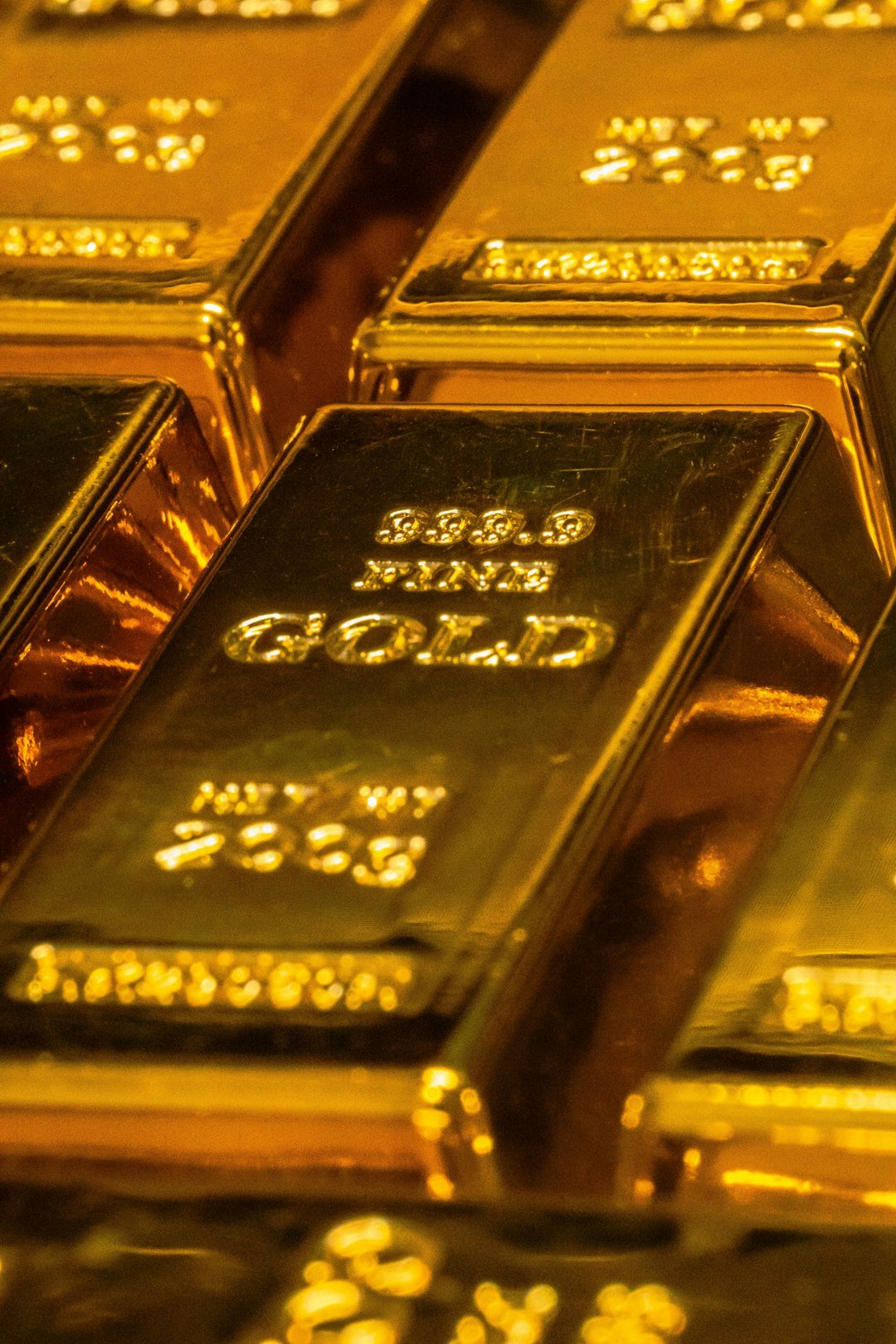
Central banks have been buying a lot of gold lately. In August, they added 19 tons to global gold reserves, according to the World Gold Council. This big increase shows that more central banks are interested in gold.
Central bank buying announcements can change the value of gold and other assets. It’s important to know about these trends to make smart investment choices.
Key Takeaways
- Central banks added 19 tons to global gold reserves in August.
- The World Gold Council reports on central bank gold purchases.
- Central bank buying trends can impact gold prices.
- Understanding these trends is crucial for investment decisions.
- Central bank announcements can affect the global economy.
The Strategic Importance of Gold for Central Banks
Central banks around the world are seeing the value of gold in their plans. As the economy changes, gold’s role as a steady asset grows. It’s becoming more important for them.
Gold as a Reserve Asset
Gold is key for central banks as a reserve asset. It protects them from economic ups and downs. For example, the US Federal Reserve holds about 54% of its reserves in gold.
This shows how much gold is valued by central banks.
Diversification Away from Dollar Reserves
Central banks are also using gold to spread out their reserves. They want to reduce their reliance on the dollar. Emerging market central banks, for instance, keep 1-10% of their reserves in gold.
This move helps them deal with currency changes and makes their reserves more stable.
| Central Bank | Gold Allocation (% of Total Reserves) |
|---|---|
| US Federal Reserve | 54% |
| Emerging Market Central Banks (Average) | 1-10% |
By adding gold to their strategies, central banks can handle the global economy’s challenges. This ensures a solid financial base for them.
Historical Context: Evolution of Central Bank Gold Holdings
It’s important to know the history of central bank gold holdings to understand recent news. Central banks have been buying gold for centuries. But, their reasons for doing so have changed a lot over time.
The Gold Standard Era
In the gold standard era, money was tied to gold. Central banks kept gold to back their money. This lasted from the late 1800s to the mid-1900s. During this time, they had big gold reserves to keep their money stable.
Post-Bretton Woods Selling Phase
The fall of the Bretton Woods system in the early 1970s changed how central banks handled gold. Many started selling their gold, leading to less gold in their reserves. This trend lasted for decades, with some banks selling a lot of their gold.
The Return to Net Buying
Recently, central banks have started buying more gold than they sell. In 2022, they bought 1,037 tonnes of gold, the most since 1967. They want to spread out their money and protect against economic risks.
The table below shows how central bank gold holdings have changed over time. It reflects changes in the economy and money policies.
| Period | Central Bank Activity | Impact on Gold Holdings |
|---|---|---|
| Gold Standard Era | Accumulation | Increase |
| Post-Bretton Woods | Selling | Decrease |
| Recent Years | Net Buying | Increase |
As central banks keep buying gold, knowing their history helps us understand today’s trends. It shows why bank announcements about gold are important.
Understanding Central Bank Gold Purchase Announcements
Central bank gold purchase announcements offer valuable insights into the market. These announcements are made when central banks decide to buy gold. They come with official statements that need careful analysis.
Types of Official Announcements
Central banks make different kinds of announcements about gold purchases. These include:
- Direct statements about gold purchases, specifying the amount of gold bought.
- Indirect hints at increased gold reserves without detailing the exact amount.
- Periodic reports that outline changes in gold holdings over a certain period.
Each type of announcement gives unique insights into the bank’s strategy. It also shows how it affects the gold market.
Reading Between the Lines
To really understand central bank gold purchase announcements, you must read between the lines. This means:
- Looking at the timing of the announcement and how it relates to market conditions.
- Understanding the context of the purchase within the bank’s monetary policy.
- Thinking about the implications of the purchase on the bank’s reserve diversification strategy.
This way, you can get a better grasp of the bank’s goals. You’ll also understand how it might affect the gold market.
The People’s Bank of China: A Major Gold Market Player
The People’s Bank of China has been making headlines with its big gold purchases. This marks a big change in the global gold market. As the central bank of the world’s second-largest economy, its actions affect the gold market a lot.
China’s Gold Accumulation Strategy
The People’s Bank of China has been adding to its gold reserves. It bought 2 tonnes, its tenth month in a row. This move is part of a bigger plan to make China’s foreign exchange reserves more diverse and less dependent on the US dollar.
Key aspects of China’s gold accumulation strategy include:
- Increasing gold reserves to enhance financial stability
- Diversifying away from dollar-denominated assets
- Supporting the internationalization of the Chinese yuan
Impact of Chinese Buying Announcements
Chinese buying announcements have a big impact on the global gold market. When the People’s Bank of China says it’s bought more gold, gold prices often go up. This is because more people want to buy gold.
| Year | China’s Gold Reserves (tonnes) | Global Gold Price Impact |
|---|---|---|
| 2018 | 1842.6 | Moderate increase |
| 2019 | 1946.5 | Significant increase |
| 2020 | 2165.8 | Strong price surge |
As China’s gold reserves grow, so does the global gold price. This usually means prices go up.
Russia’s Central Bank Gold Purchases
In recent years, Russia’s central bank has been buying a lot of gold. This change shows a new way of managing its reserves. It’s part of a plan to make its finances safer and less dependent on the US dollar.
De-Dollarization Strategy
Russia’s gold buying is a big part of its plan to reduce its reliance on the US dollar. By adding more gold, Russia is reducing the risks of dollar-based assets. This move helps Russia gain more control over its finances, which is important in today’s world.
Announcement Patterns and Market Effects
The Central Bank of Russia’s gold buying announcements have big effects on the market. For example, in August, Russia was the only one selling gold, likely because of its coin program. These announcements can cause market ups and downs. It’s important for investors and analysts to keep an eye on these changes to understand gold prices and central bank actions.
European Central Banks: From Sellers to Holders
A big change has happened in how European central banks handle gold. This change shows how the economy is shifting. Now, these banks are managing their gold differently.
The Central Bank Gold Agreement Era
From 1999 to 2019, European central banks sold a lot of gold. They worked together to keep the gold market stable. This helped clear up doubts about gold sales by big banks.
Recent Policy Shifts
Now, European central banks are buying more gold than selling. For example, the Czech National Bank bought 2 more tons of gold. This move shows a trend towards diversifying and protecting against economic risks.
These changes show European central banks are thinking differently about gold. They’re adjusting to new global economic and monetary policies.
Emerging Market Central Banks Entering the Gold Market
As the world economy changes, emerging market central banks are turning to gold. This shift is changing the global gold market. It affects central bank reserves and gold prices.
India’s Gold Reserve Management
India, a big gold consumer, is growing its gold reserves. Between 2020 and 2023, it added about 99 tonnes of gold. This move shows India’s effort to diversify its assets and boost financial stability.
Turkey’s Aggressive Gold Buying
Turkey’s central bank is buying a lot of gold. This is part of a plan to reduce foreign currency dependence. Turkey’s actions show a trend among emerging markets to strengthen their reserves with gold.
Other Emerging Market Players
Other emerging market central banks are also buying gold. Countries like Kazakhstan and Uzbekistan are adding to their gold reserves. Their combined efforts are increasing gold demand and changing market dynamics.
| Country | Gold Added (tonnes) | Period |
|---|---|---|
| India | 99 | 2020-2023 |
| Turkey | Various | Ongoing |
| Kazakhstan | Significant | Recent years |
The trend among emerging market central banks to accumulate gold is a significant development in the global financial landscape. As these economies grow and diversify their reserves, gold demand will likely stay strong. This supports gold’s role as a safe-haven asset and store of value.
How Gold Prices React to Central Bank Announcements
Central bank announcements greatly affect gold prices. They shape both short-term and long-term market trends. Knowing these dynamics helps you make smart investment choices in the gold market.
Short-term Price Movements
When central banks announce big gold purchases, gold prices often jump. This sudden news surprises the market, causing prices to quickly adjust. For example, in 2025, gold prices saw big swings due to central bank announcements, with some days seeing a 5% price change.
Several factors influence these short-term price changes:
- The size of the gold purchase
- The surprise element of the announcement
- Current market sentiment
Long-term Market Trends
Central bank buying announcements also shape long-term market trends. Regular buying by central banks can steadily increase gold prices over time. It’s crucial to look at the historical context and central banks’ strategies when analyzing these trends.
Important aspects for long-term trends include:
- The overall de-dollarization trend
- Increased demand from emerging market central banks
- Global economic conditions
Understanding these factors helps predict how gold prices will react to future central bank announcements.
Case Studies: Market-Moving Central Bank Gold Announcements
Central banks’ gold buying announcements have been big news in the financial world. We’ll look at some key examples. These announcements show how important gold is in managing central banks’ reserves. They also affect gold prices and market trends.
https://www.youtube.com/watch?v=QKJSQKBRk2o
The 2009 Chinese Revelation
In 2009, China said it had more gold in its reserves. This was a big change in its reserve strategy. It showed China wanted to diversify its reserves, not just rely on the US dollar.
Jim O’Neill, a well-known economist, said, “China’s gold buying was a smart move to lessen its dollar dependence.”
Russia’s Accelerated Purchases (2014-2019)
Russia’s central bank bought a lot of gold from 2014 to 2019. This greatly increased its gold reserves. It was part of Russia’s plan to reduce its reliance on the US dollar, thanks to US sanctions.
“Russia’s gold purchases have been a key part of its efforts to boost financial sovereignty,”
experts noted.
Poland’s Surprise 2018 Gold Purchase
The National Bank of Poland surprised everyone in 2018 with a big gold purchase. This move was seen as a smart choice to diversify its reserves and improve financial stability. The news was good for the gold market, showing how central bank buying can influence prices.
These examples show how central bank gold buying announcements can really move the gold market. As central banks keep diversifying their reserves, gold stays a key part of their strategies.
Central Bank Gold Buying vs. ETF and Retail Demand
Gold demand comes from different areas, each with its own traits. Knowing these helps you understand the gold market better.
Comparing Different Market Segments
Central banks, ETFs, and retail investors drive gold demand. Central banks buy a lot, around 800-1,000 tonnes a year. This is about 25-33% of all gold mined.
ETF demand and retail buying change a lot. They depend on how people feel about the market and the economy. “Central banks keep buying gold, showing they’re in it for the long haul,” says a gold expert.
Interaction Effects
How central banks buy, ETF demand, and retail buying interact affects gold prices. Central bank buying can make other investors want to buy more, raising prices. But if central banks buy less, demand might drop.
Grasping these interactions is key to smart investing. It helps you make better choices in the gold market.
Geopolitical Implications of Central Bank Gold Purchases
Central banks buying gold is more than just a financial move. It has big effects on world politics. As geopolitical tensions grow, gold becomes a safe place for their money and a way to mix up their wealth.
Recent surveys show 30% of central banks are buying more gold because of world tensions. This shows how important gold is becoming in global politics.
Gold as a Geopolitical Tool
Gold is not just a sign of wealth and power. It’s also a geopolitical tool for central banks. They use it to show they are financially strong and not too tied to one currency, like the US dollar.
By getting more gold, central banks can lessen risks from world conflicts and economic penalties. This helps them stay stable and independent in a shaky world.
Sanctions Resistance and Financial Sovereignty
Gold also helps central banks fight off economic sanctions and keep their financial freedom. Gold is a sanctions-resistant asset. It lets countries trade without being controlled by one country or financial system.
| Country | Gold Reserves (tons) | % of Total Reserves |
|---|---|---|
| United States | 8,133.5 | 74.6% |
| Germany | 3,363.4 | 71.3% |
| Italy | 2,451.8 | 69.3% |
This smart use of gold helps central banks deal with tough global politics better and with more strength.
Transparency Issues in Central Bank Gold Reporting
It’s key for investors to understand the transparency issues in central bank gold reporting. Central banks’ gold reserves are crucial for their financial health. But, unclear reporting can cause market uncertainty.
Official vs. Actual Holdings
There’s a big concern about the gap between official and actual gold holdings. Some central banks might not reveal their true gold reserves. This leads to a lot of speculation.
- Lack of regular updates on gold reserves
- Inconsistent reporting methods
- Unclear gold leasing activities
This lack of clarity can impact gold prices and market trends. It’s vital for investors to stay updated.
The Role of the IMF and World Gold Council
The International Monetary Fund (IMF) and the World Gold Council are key in promoting transparency. The World Gold Council offers data on central bank gold reserves. This helps clear up official holdings.
- Standardizing reporting practices
- Enhancing data accuracy
- Promoting transparency among central banks
These organizations support transparency. They help keep the market stable and boost investor trust in central gold purchases.
Future Trends in Central Bank Gold Accumulation
Central banks are buying more gold, and it’s important to know why. They want gold because of world tensions and the need for financial safety.
De-Dollarization Movement
More countries want to use less US dollars. This is making central banks look for other assets, like gold. Goldman Sachs thinks gold prices could hit $4,900 per ounce by 2026.
| Country | Gold Reserves (Tonnes) | % of Total Reserves |
|---|---|---|
| United States | 8,133.5 | 74.6% |
| China | 2,168.0 | 4.3% |
| Russia | 2,300.0 | 23.7% |
Digital Currencies vs. Gold Reserves
Digital currencies are becoming popular, but gold is still a safe choice. Central banks will likely use both traditional and new assets.
The future of gold buying by central banks will be influenced by these factors. As the world’s finances change, knowing these trends is key for investors and leaders.
Investment Implications of Central Bank Gold Buying
Central bank gold buying trends are key for investors to know. They can change gold prices and how you invest. Understanding these trends is vital for your investment strategy.
Long-term Price Support
Central bank gold buying acts as a floor during market lows, offering long-term price support. This steady buying keeps gold prices stable. It makes gold a better investment when the economy is shaky.
Portfolio Allocation Strategies
Knowing about central bank gold buying helps with portfolio allocation strategies. By understanding these trends, you can better decide how to invest in gold.
Timing Investments Around Major Announcements
Investing around major central bank buying announcements can be smart. Staying updated with central news helps you catch market shifts due to purchase central actions.
Investing in gold gets more complex with central bank activities. But, knowing about these can guide your investment choices. It might even help you profit from central bank gold buying trends.
How to Track and Analyze Central Bank Gold Announcements
Central bank gold announcements can greatly affect the market. It’s important to track them well. To stay informed, you need to know where to look and how to understand the information.
Key Information Sources
You can find central bank gold announcements through various reliable sources. The International Monetary Fund (IMF) and the World Gold Council offer detailed data on central bank gold reserves. Also, official central bank websites and financial news platforms are great for keeping up with gold buying activities.
Interpreting Official Statements
When analyzing central bank gold announcements, it’s key to read between the lines. Official statements might not tell the whole story. Think about the context and what the announcements might mean.
For example, if a central bank increases its gold reserves, it could mean a change in monetary policy or a reaction to global tensions.
Analytical Tools and Resources
Using analytical tools can help you understand central bank gold buying trends better. You can use financial databases, market analysis software, and gold market reports. These tools help spot patterns and make smart decisions based on central bank gold announcements.
By using these strategies, you can track and analyze central bank gold announcements well. This way, you can get valuable insights into the gold market.
Conclusion: The Enduring Significance of Central Bank Gold Buying
Central bank gold buying marks a big change in how the world manages money. This shift shows gold’s key role for central banks. The trend of buying gold is not just a short-term thing. It shows gold’s lasting value in the world’s finances.
Central banks, mainly in growing markets, are moving away from old currencies. They prefer gold for their reserves. This change is because they want to be financially independent and protect against economic risks.
The effects of central banks buying gold are big. It helps keep gold prices high and shapes market trends. Knowing about central bank gold buying is key for smart investment choices.
As the world’s finances keep changing, gold’s role in central bank reserves will stay important. Expect more central bank gold buying. This will be driven by the move away from the dollar and the search for financial safety.