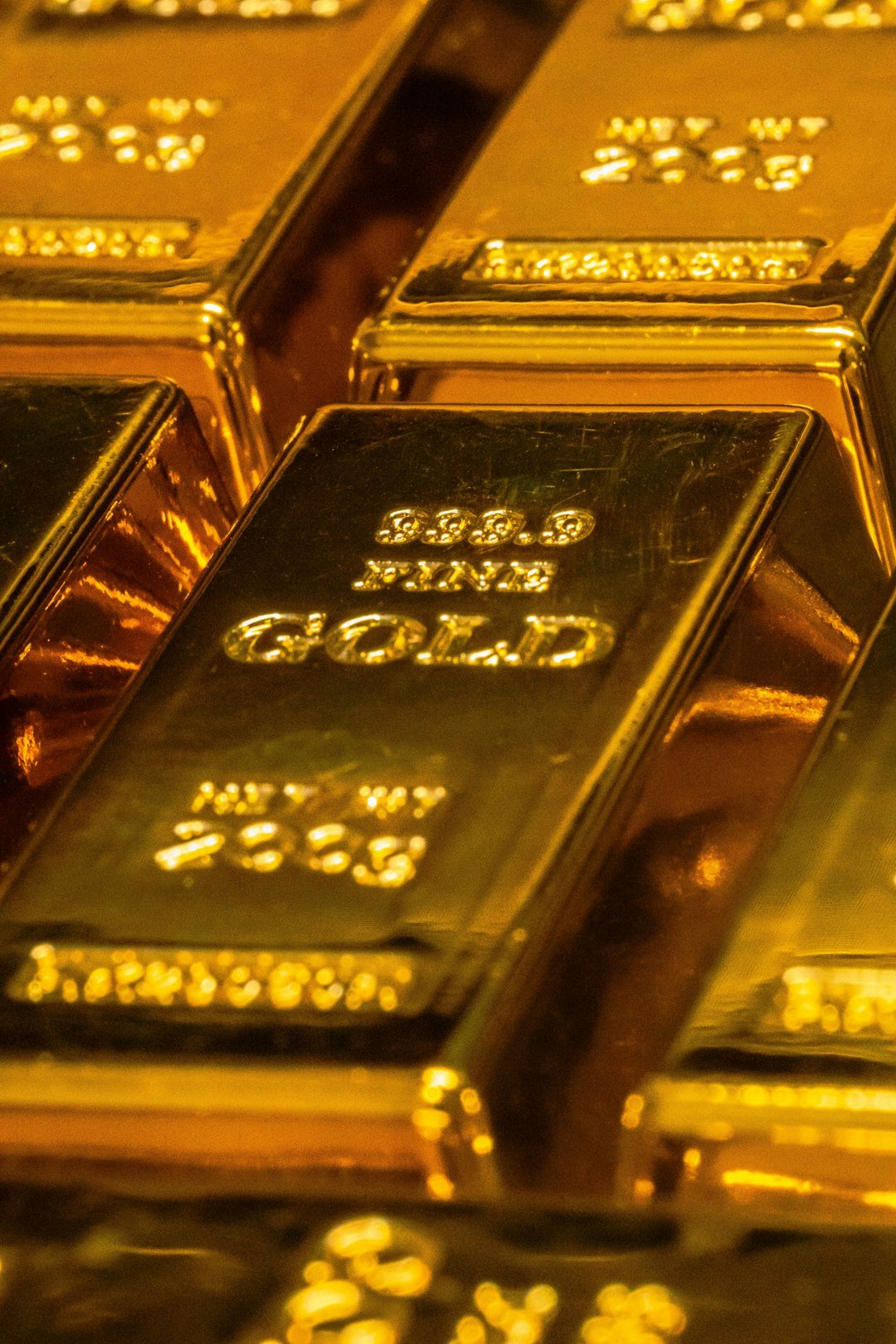
Have you noticed the recent jump in gold prices? It’s partly due to major central banks buying more. Countries like China, India, and Russia are at the forefront of this trend.
Goldhub reports that in August, central banks added 19t to global reserves. This increase is likely to keep going. It’s driven by global tensions and the need to diversify portfolios. For women looking to take control of their finances, knowing about these moves is key to smart investing.
Key Takeaways
- Central banks have been actively buying gold, adding 19t to global reserves in August.
- Countries like China, India, and Russia are leading the charge in central bank buying.
- Geopolitical tensions and portfolio diversification are driving this trend.
- Understanding central bank buying announcements is crucial for informed investment decisions.
- The trend is expected to continue, impacting gold prices and global financial markets.
The Strategic Importance of Gold in Central Banking
Gold has been key in central banking for a long time. It’s a stable value and a shield against economic ups and downs. You might ask, why is gold still so important today?
Gold as a Reserve Asset Throughout History
Gold has been vital in central banking, forming the base of monetary systems. Let’s look at its role in different times.
The Gold Standard Era
In the gold standard era, money was tied to gold’s value. This created a stable money system for trade and investment. This system kept exchange rates steady, as countries kept gold to back their money.
Post-Bretton Woods Developments
After the Bretton Woods system fell, gold’s role changed but it stayed crucial. Central banks kept gold as a hedge against inflation and currency changes.
| Era | Role of Gold | Significance |
|---|---|---|
| Gold Standard | Pegged currencies to gold | Stable monetary framework |
| Post-Bretton Woods | Hedge against inflation and currency fluctuations | Reserve asset for central banks |

Knowing gold’s history in central banking shows its ongoing importance. Even as central banks diversify, gold is still a reliable asset.
Recent Surge in Central Bank Gold Acquisitions
Central banks have been buying a lot of gold lately. This is happening all over the world. It shows a big change in how money is handled globally.
Statistical Overview of Increased Purchasing Trends
There’s a lot of data showing this gold buying trend. The World Gold Council says central banks bought 1,037 tonnes of gold in 2022. This is the most in 55 years.
2022-2023 Record-Breaking Purchase Data
In 2022, central banks bought over 1,000 tonnes of gold. This year, they’re still buying a lot. Countries all over are adding gold to their banks.
Historical Comparison of Buying Patterns
Looking back, we see a big change in gold buying. The amounts are bigger, and more countries are involved.
Here’s a table to show how much gold is being bought:
| Year | Gold Purchased (Tonnes) | Notable Purchasers |
|---|---|---|
| 2022 | 1,037 | Various central banks |
| 2023 | 800+ | China, Russia, India |
| 1967 | 1,200 | Primarily Western countries |

China’s Massive Gold Buying Program
China is changing the global gold market with its big gold buying program. The People’s Bank of China has been buying gold since 2022. This has slowly grown their gold reserves.
People’s Bank of China’s Recent Announcements
The People’s Bank of China has been buying gold regularly. This has made their gold reserves bigger. Now, China’s gold holdings are over 2,300 tons.
Monthly Purchase Declarations Since 2022
Since 2022, the People’s Bank of China has shared its monthly gold buys. This openness shows the size of China’s gold program. The steady buying has changed the gold market.
Discrepancies Between Official and Estimated Holdings
Even with openness, there are differences in China’s gold holdings. “These differences can affect how people see the market and gold prices.” It’s key to understand these to see the full picture of China’s gold buying.
As China keeps buying gold, watching the People’s Bank of China’s announcements is important. The data they share helps us see trends and the future of gold. Keep up with these updates to make smart choices.
“The Chinese government’s gold buying program is a strategic move to diversify its reserves and reduce dependence on the US dollar.”
Knowing about China’s gold buying helps you understand the global gold market better. China’s role in gold reserves is expected to grow. This trend will shape the future of gold.
Russia’s De-Dollarization Strategy Through Gold
The Russian Central Bank has started a big gold buying program. This is to cut down its use of the US dollar. It’s part of a bigger plan to make Russia’s money safer and more independent.
Accumulation History
To get why Russia’s gold reserves are important, we need to look at its history with gold.
Pre-2022 Accumulation Phase
Before 2022, Russia was slowly but surely growing its gold reserves. During this time, the central bank bought gold when prices were low. This smart move helped Russia build up its gold reserves.
Domestic Gold Production Integration
Russia is also using gold from its own mines. This helps the local mining industry and cuts down on foreign gold imports. Using its own gold, Russia can control its reserves better and avoid supply problems.
Recently, Russia has been one of the leading countries in buying gold for its reserves. This trend is likely to keep going as part of its plan to reduce dollar use.
“The world’s central banks are increasingly looking to diversify their reserves, and gold is becoming an increasingly important component of that strategy.”
Russia’s moves are part of a bigger global trend. Central banks worldwide are trying to spread out their money, avoiding too much US dollar.
India’s Evolving Relationship with Gold Reserves
The Reserve Bank of India is changing how it views gold reserves. This change shows India’s strong bond with gold, both culturally and economically. As a big gold consumer, India’s central bank is finding new ways to use gold.
Reserve Bank of India’s Gold Policy Changes
The Reserve Bank of India has updated its gold policy. These updates aim to improve India’s gold reserves. They also want to use gold in economic plans.
Recent Purchase Announcements
The Reserve Bank of India has bought a lot of gold lately. These buys are part of a plan to make India’s reserves more diverse. They also aim to boost India’s economic strength.
Gold Monetization Schemes
India has started gold monetization schemes. These schemes let people and groups put their gold in banks. Banks can then use this gold for economic activities. This move helps reduce the need for imported gold and boosts economic growth.
These policies have a big impact, both culturally and economically. By using gold in more productive ways, India is getting stronger economically. It also keeps its cultural love for gold alive.
Turkey’s Aggressive Gold Acquisition Campaign
The Turkish Central Bank has started a big gold buying plan. This has greatly increased its gold reserves. It’s part of a plan to make Turkey’s economy stronger, despite currency ups and downs.
Turkish Central Bank Announcements and Strategy
The Turkish Central Bank has been buying a lot of gold. This is to deal with the currency crisis and reach certain gold-to-GDP ratio goals. Turkey wants to make its economy more stable and less affected by currency changes.
Response to Currency Crisis
The Turkish Central Bank’s gold buying is a smart move to help the economy. By getting more gold, Turkey is making its reserves more diverse. This could help lessen the effects of currency value drops.
Gold-to-GDP Ratio Targets
Turkey is also trying to increase its gold-to-GDP ratio. This ratio shows how healthy an economy is. Turkey hopes to make its financial situation stronger and more able to handle economic shocks by boosting this ratio.
Turkey’s ongoing gold buying shows the central bank’s dedication to using gold for economic stability. This approach shows Turkey’s efforts to tackle current economic issues and its plans for financial security in the future.
Poland and Hungary: Eastern European Gold Repatriation
Poland and Hungary are taking bold steps by repatriating gold. This move shows a shift in Eastern Europe’s financial security approach. It’s part of a broader strategy to boost financial independence and cut down on foreign storage reliance.
National Bank of Poland’s Major Gold Purchases
The National Bank of Poland has been boosting its gold reserves. This strategic move aims to diversify assets and strengthen financial stability.
2018-2023 Acquisition Announcements
Between 2018 and 2023, the National Bank of Poland made key gold purchases. These moves were part of a long-term plan to grow gold reserves. This plan helps the country face economic uncertainties better.
- In 2018, the bank announced a big increase in gold holdings.
- By 2020, gold reserves had grown a lot, showing the bank’s commitment to diversification.
- By 2023, Poland’s gold reserves hit a historic high, proving the bank’s strategy was successful.
Repatriation from Foreign Vaults
The National Bank of Poland also brought gold back from foreign vaults. This was to have more control over national reserves and lower risks from storing gold abroad.
The repatriation process involved:
- Identifying gold holdings stored in foreign vaults.
- Coordinating with foreign banks to transfer the gold back to Poland.
- Ensuring the secure transportation and storage of the repatriated gold.
This strategic move by Poland and Hungary shows a growing trend in Eastern Europe. It’s towards financial self-sufficiency and less dependence on external factors.
As these countries strengthen their finances, the global gold market and central bank strategies will see big changes.
Gold Market Reactions to Central Bank Buying Announcements
Gold prices often jump up when central banks announce big gold buys. This isn’t just a coincidence. The gold market really reacts to these announcements, affecting prices and market trends.
Price Impact Analysis Following Major Announcements
Central bank buying has two main effects on gold prices. We see these in short-term price jumps and long-term trends.
Short-Term Price Movements
When central banks say they’re buying a lot of gold, prices can jump right away. For example:
- Increased demand can push prices up.
- Speculation about future buys can make prices swing even more.
- Investors quickly react to news, leading to fast price changes.
Long-Term Trend Influences
Over time, regular buying by central banks can push gold prices up. This happens because:
- Central banks’ buying shows they trust gold as a reserve.
- Steady demand can soak up supply, raising prices.
- This boosts market confidence, encouraging more investors to buy.
Knowing how central bank actions affect gold can help you invest smarter. As central banks keep influencing the gold market, their announcements will stay key to gold price changes and market reactions.
Geopolitical Motivations Behind Central Bank Gold Purchases
Central banks are buying more gold due to complex geopolitical reasons. As the world’s economy and politics change, gold becomes key for their reserves. They want to spread out their assets and not rely too much on regular money.
De-Dollarization Efforts and Currency Diversification
One big reason for buying gold is to reduce dependence on the US dollar. Countries like those in the BRICS group are leading this effort. Gold is seen as a stable and widely accepted value.
BRICS Nations’ Coordinated Approach
The BRICS countries are working together to lessen dollar use. They’re boosting gold reserves, making new payment systems, and pushing for local currency trades. This aims to make the global financial system more varied and strong.
Alternative Payment Systems Development
BRICS nations are also building new payment systems to cut down on dollar use. This is part of a plan to be more financially independent. It helps them avoid the effects of sanctions or economic pressure.
There are many reasons why central banks buy gold. To understand these, let’s look at the gold reserves of different countries:
| Country | Gold Reserves (Tonnes) | Percentage of Total Reserves |
|---|---|---|
| United States | 8,133.5 | 73.4% |
| Germany | 3,363.4 | 71.3% |
| Italy | 2,451.8 | 69.3% |
| China | 2,168.0 | 4.3% |
| Russia | 2,300.0 | 23.7% |
Gold will keep being important for central banks as the world’s economy changes. Understanding why they buy gold helps us see what the future of money might look like.
The Federal Reserve and Gold: U.S. Policy Stance
The Federal Reserve’s gold policy is key to its economic plans. It affects both the U.S. and global markets. With a lot of gold, the Fed shapes U.S. money policy.
Historical U.S. Gold Reserve Management
The U.S. has managed its gold reserves since the Federal Reserve started. Knowing this history helps us understand today’s gold reserves.
Fort Knox and New York Fed Holdings
The U.S. Federal Reserve keeps a big part of its gold at Fort Knox and the New York Fed. These gold reserves are vital for the country’s money policy. They help keep things stable when the economy is shaky.
Gold reserves are crucial, but there have been audit controversies and transparency issues. It’s important to make sure gold reserve management is accurate and open. This builds trust in the Federal Reserve’s money policy decisions.
As the Federal Reserve manages its gold, its decisions affect the whole economy. Understanding U.S. gold reserve management helps us see how money policy works. It shows how it impacts the world economy.
European Central Bank and Gold Reserve Policies
The European Central Bank (ECB) is key in managing gold reserves for eurozone countries. It’s the central bank for the eurozone, affecting economic stability. You might wonder how ECB’s gold policies impact the economy.
ECB Gold Agreement Framework
The ECB’s gold reserve policies follow the ECB Gold Agreement Framework. This framework sets the rules for managing gold reserves in eurozone countries.
Evolution of Central Bank Gold Agreements
Central bank gold agreements have changed a lot over time. They started to coordinate gold sales to avoid price drops. The first Central Bank Gold Agreement was signed in 1999, a big step for European central banks.
Current ECB Gold Management Principles
Now, the ECB aims to keep the gold market stable and secure eurozone gold reserves. It uses various strategies for gold reserve management.
| Strategy | Description | Objective |
|---|---|---|
| Gold Reserve Management | Coordination of gold sales and purchases | Maintain gold price stability |
| Gold Lending | Lending gold to financial institutions | Support financial market liquidity |
| Gold Investment | Investing in gold to diversify reserves | Enhance reserve diversification |
The ECB’s gold reserve policies aim to meet eurozone countries’ needs while keeping the global gold market stable. Understanding these policies helps you see the eurozone’s economic strategies and their global impact.
Impact of Central Bank Gold Buying on Global Supply
Central banks’ demand for gold has grown faster than mining can supply. This has caused a big imbalance in the gold market. It’s changing how the industry works.
Mining Production vs. Central Bank Demand
More and more central banks are buying gold. This has raised their gold reserves. But, mining hasn’t been able to keep up with this new demand.
Annual Production Capacity Limitations
Gold mining’s yearly output is limited. This is due to several reasons. New deposits are scarce, technology has its limits, and the environment is a concern.
- Limited new discoveries
- Technological challenges in extraction
- Environmental regulations
Supply-Demand Imbalance Projections
Experts think the supply-demand gap will keep growing. This is because central banks keep buying gold, and mining can’t keep up. This gap could greatly affect the gold market.
“The gold market is facing a significant challenge in meeting the demand from central banks, which could lead to a sustained increase in gold prices.”
This imbalance might cause gold prices to be more volatile. It could also lead to higher prices over time.
Investment Implications of Central Bank Gold Purchases
The rise in central bank gold purchases has big investment implications for you. Central banks’ buying drives gold demand, which can change gold prices. This affects your investment portfolio.
It’s key to understand central bank gold buying to make smart investment choices. Let’s look at gold price projections to see future trends.
Gold Price Projections Based on Central Bank Activity
Analysts predict higher gold prices due to central bank activity. Some say prices could go up a lot. We’ll look at past trends and future predictions.
Historical Correlation Analysis
There’s a link between central bank gold buying and gold prices. Central bank purchases often raise prices because demand goes up. Look at past years to see this pattern.
Future Price Scenarios
If central banks keep buying, gold prices might keep going up. Some experts think gold could hit new highs soon.
As an investor, knowing these trends is crucial. Stay updated on central bank actions and gold price effects. This helps you make better investment choices.
Transparency Issues in Central Bank Gold Reporting
Have you ever wondered how open central banks are about their gold? The lack of clear info on their gold reserves can cause market uncertainty and guesswork.
Challenges in Verifying Official Gold Holdings
Checking if central banks really have the gold they say they do is hard. Here are some big reasons why:
- Delayed reporting: Central banks often share their gold reserve data late. This makes it tough to understand the current market.
- Incomplete reporting: Some banks don’t share all their gold holdings. This means we get only part of the story.
Delayed and Incomplete Reporting Practices
These reporting issues can mess up how people see the market. For example, if a bank is slow to report gold buys, it can confuse everyone.
Third-Party Verification Limitations
Getting outside help to check central bank gold is also tricky. Groups like the World Gold Council offer insights, but their info is only as good as what banks tell them.
The effects of these transparency problems are big. They can change gold prices, sway investment choices, and shake the financial system’s stability. As more gold is added to central banks, it’s more crucial to have clear gold reporting.
Conclusion: The Future of Gold in Central Banking
The future of gold in central banking will be influenced by ongoing geopolitical tensions. Central banks are also diversifying their reserve assets. This shows that gold will stay a key part of their strategies.
Central bank gold buying will likely shape the gold market. This could increase demand and prices. Knowing why they buy gold and the economic situation helps you plan your finances.
China, Russia, and India are boosting their gold reserves. They aim to reduce their reliance on the US dollar and diversify their currencies. This move will greatly affect the global gold supply and prices.
Keeping up with central bank gold buying news helps you understand the gold market better. It aids in making smarter investment choices.