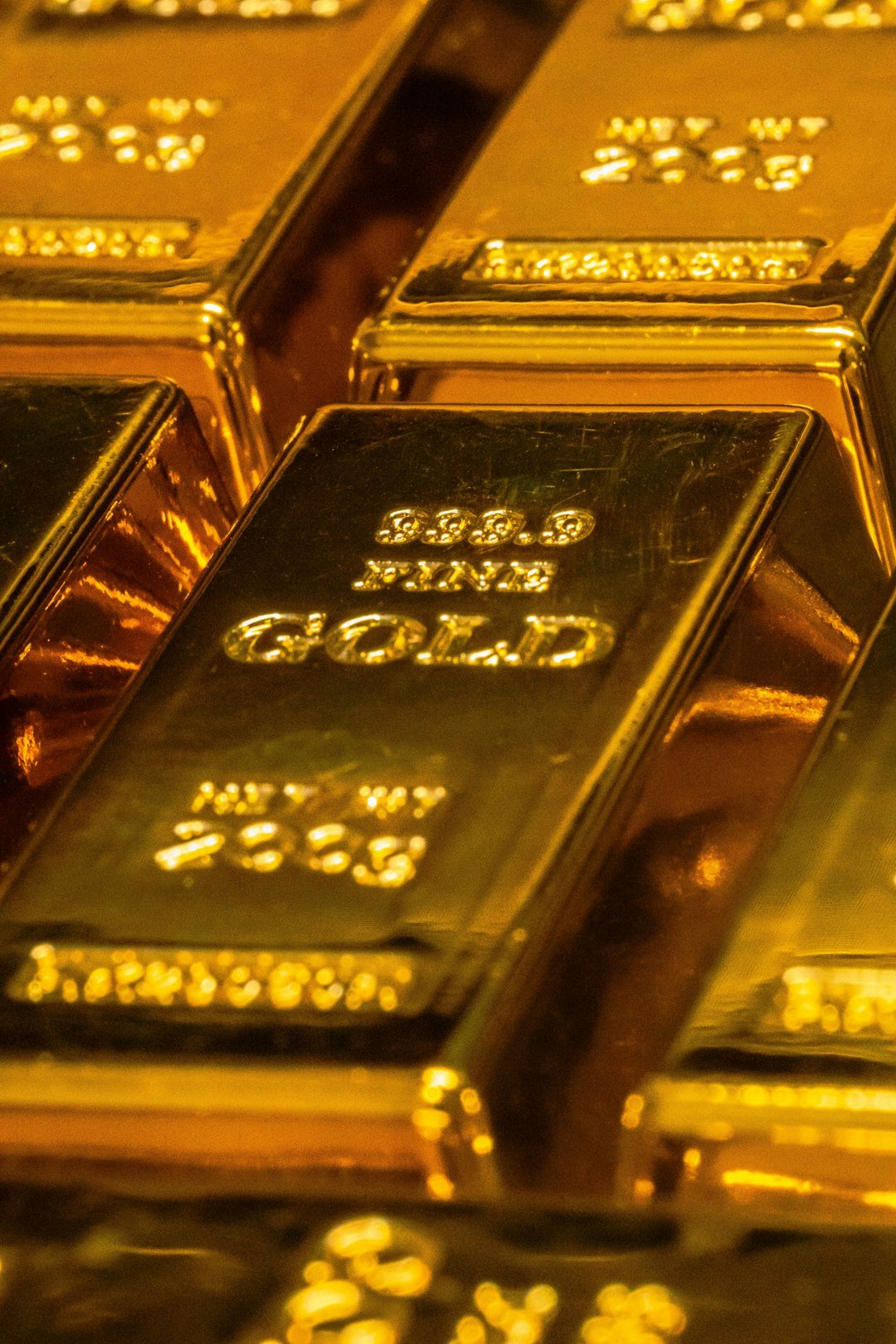
Have you heard the buzz? Central banks are buying gold like never before. They’re purchasing gold at a record rate, thanks to global tensions and shaky economies.
This big change in central buying marks a new era in finance. It’s a big deal, and we need to get why it’s happening. Major central banks have shared big news, changing the financial world.
Key Takeaways
- Central banks are increasingly turning to gold as a safe-haven asset.
- The trend is driven by geopolitical uncertainties and economic instability.
- Major central banks have made significant announcements regarding their buying activities.
- This shift in global monetary policies has important implications for investors.
- Understanding the reasons behind central bank buying is crucial for making informed investment decisions.
The Strategic Importance of Gold for Central Banks
Gold is a key part of central banks’ reserves, even with the world’s money system changing. It has always been a stable value and a safety net against economic risks.
Historical Role of Gold in Monetary Systems
Gold has been vital in money systems for ages. It was a standard for money and a safe place to keep wealth. “Gold is money, and nothing else can replace it.” This shows gold’s lasting value in finance. Central banks keep gold to protect against inflation and currency changes.

Why Central Banks Maintain Gold Reserves
Central banks keep gold for important reasons. Gold helps protect against bad economic times and currency drops. It also adds liquidity when money is tight. So, gold helps keep a country’s finances stable.
Gold as a Symbol of Economic Stability
Gold is seen as a sign of economic strength. Countries with lots of gold are thought to be more financially solid. This good image can help their standing in the world market.
Recent Surge in Central Bank Gold Acquisitions
Have you noticed a big change in the financial world? Central banks are buying gold at a record pace. This big change is a major shift in the global financial scene.
Global Gold Reserve Statistics for 2022-2023
Recent numbers show a big jump in gold reserves by central banks. By 2022-2023, the world’s gold reserves have gone up a lot.
| Year | Global Gold Reserves (Tonnes) | Change (%) |
|---|---|---|
| 2022 | 35,000 | +5% |
| 2023 | 36,750 | +7% |
Record-Breaking Purchase Volumes
The gold buying surge is marked by record-breaking purchase volumes. Central banks are buying gold faster than in decades. They want to diversify and protect against economic risks.

Shift from Western to Eastern Central Bank Buying
A key part of the gold buying trend is the shift to Eastern central banks. Countries like China and India are boosting their gold reserves. This changes the global gold market.
Understanding these trends helps you make smarter gold market investments.
China’s Significant Gold Reserve Expansion
The People’s Bank of China is buying more gold, showing a big change in its money policy. You might wonder why China is doing this. Let’s look at the recent gold purchases and why China wants more gold.
Recent Buying Announcements from the People’s Bank of China
The People’s Bank of China has been buying gold a lot lately. They’ve announced a big increase in their gold reserves. This move is part of a plan to make China’s money safer.
Monthly Purchase Patterns
China buys gold every month, showing its commitment to growing its gold reserves. This steady buying shows China’s strong focus on gold.
Official Statements on Gold Strategy
The People’s Bank of China sees gold as key to its money strategy. They believe gold helps keep the economy stable and less dependent on foreign money.
“Gold is a vital component of our monetary policy, providing a safe-haven asset and diversifying our reserves.”
Strategic Motivations Behind China’s Gold Accumulation
China is buying gold for several reasons, like making the yuan more global and less dependent on the dollar.
Yuan Internationalization Efforts
Gold helps China’s yuan become more accepted worldwide. A strong gold reserve makes the yuan more reliable as a global currency.
Reducing Dollar Dependency
Buying gold also helps China not rely so much on the US dollar. Gold reserves protect against dollar price changes and US money policy shifts.
| Year | Gold Reserves (Tonnes) | Change |
|---|---|---|
| 2022 | 2,168 | +100 |
| 2023 | 2,268 | +100 |
China’s growing gold reserves show gold’s importance in its money policy. Expect this trend to keep going as China aims to boost its global economic standing.
Russia’s Continued Gold Stockpiling Strategy
The Central Bank of Russia has been buying a lot of gold. This is to lessen its reliance on the US dollar. It’s part of a bigger plan to make Russia’s economy stronger, even when the world is uncertain.
Central Bank of Russia’s Gold Buying Program
The Central Bank of Russia has been adding gold to its reserves for years. This is a big part of Russia’s economic plan. It helps diversify assets and protect against risks tied to the US dollar.
Key statistics of Russia’s gold buying program:
| Year | Gold Reserves (tonnes) | Change |
|---|---|---|
| 2021 | 2,300 | +100 tonnes |
| 2022 | 2,500 | +200 tonnes |
| 2023 | 2,800 | +300 tonnes |
De-dollarization Efforts Through Gold Reserves
Russia’s gold buildup is also a step towards reducing its dollar reliance. By growing its gold reserves, Russia aims to lessen its dollar exposure and shield itself from economic sanctions.
This move is not just about cutting down on dollars. It’s also about making Russia’s economy more varied. Russia is not the only one trying to lessen its dollar dependence. Other countries are doing the same.
Benefits of de-dollarization through gold reserves:
- Reduced exposure to US dollar fluctuations
- Increased financial sovereignty
- Diversification of national reserves
Emerging Market Central Banks Joining the Gold Rush
Central banks from emerging markets are now buying gold. They’re doing this to diversify their reserves and protect against economic risks. This move helps them strengthen their financial positions and lessen their reliance on traditional currencies.
India’s Reserve Bank Gold Purchasing Activities
The Reserve Bank of India is buying gold to add to its reserves. This is part of a plan to reduce risks from foreign exchange changes. It aims to make India’s financial system more stable.
Turkey’s Aggressive Gold Acquisition Strategy
Turkey’s central bank is aggressively buying gold, increasing its reserves a lot. This is part of Turkey’s plan to lessen its reliance on foreign currencies. It’s also to improve its financial stability.
Poland and Hungary’s Growing Gold Reserves
Central banks in Poland and Hungary are also growing their gold reserves. They’re following the global trend of seeing gold as a safe asset. This move helps them protect against economic shocks and currency changes.
| Country | Gold Reserves (Tonnes) | Change in 2023 |
|---|---|---|
| India | 785.6 | +10.2 |
| Turkey | 541.1 | +45.6 |
| Poland | 228.6 | +12.1 |
| Hungary | 94.5 | +5.3 |
The trend of emerging market central banks buying gold is expected to keep going. It’s driven by the need to diversify and protect against economic risks. As the world’s economy changes, gold’s role in central banks’ strategies will likely grow even more.
The Federal Reserve and Gold: Policy Shifts and Implications
Have you ever thought about how the Federal Reserve’s gold reserves and policies affect the gold market? The Federal Reserve, the US central bank, holds a lot of gold. This gold is key to its monetary policy. Knowing about the Fed’s gold and its policies is important for investors and economists.
US Gold Reserves Status and Policy
The United States has a big gold reserve, with the Federal Reserve holding about 8,133.5 tons of gold. This gold is worth around $200 billion. It’s a big part of the US monetary policy and backs the US dollar. The Fed’s gold is not just a value store but also helps keep the financial system stable.
The current state of US gold reserves comes from past policies. The Fed’s gold holdings have stayed mostly the same over time. This shows the US dollar’s global importance and the country’s strong economy.
Impact of Fed Monetary Policy on Gold Holdings
The Federal Reserve’s monetary policy greatly affects gold prices and holdings. When the Fed uses expansionary policies, like quantitative easing, gold prices often go up. But, when the Fed tightens money, gold prices tend to fall.
The table below shows how the Fed’s policies have influenced gold prices in the past.
| Monetary Policy Action | Gold Price Movement |
|---|---|
| Quantitative Easing | Increase |
| Interest Rate Hike | Decrease |
| Interest Rate Cut | Increase |
As the Federal Reserve changes its monetary policy, investors and policymakers watch gold closely. Knowing how these changes affect gold is key for smart decisions in the gold market.
“Gold is a unique asset that provides a hedge against inflation, currency fluctuations, and market volatility. The Federal Reserve’s gold reserves and monetary policy decisions play a crucial role in shaping the gold market.”
European Central Bank Gold Policies in Uncertain Times
Europe is facing economic challenges, and the European Central Bank (ECB) is looking at gold buying again. You might wonder how this impacts the financial world. The ECB’s gold policies are key to keeping the economy stable in its member countries.
ECB Member Nations’ Gold Buying Trends
ECB member countries are changing their gold reserves due to economic conditions. Some trends include:
- More gold purchases to diversify reserves.
- Gold as a safe asset in conservative monetary policies.
- Gold to strengthen national balance sheets.
Germany and France are actively managing their gold reserves. This shows a move towards financial security in the region.
Gold Repatriation Movements in Europe
Gold repatriation is another big trend. European countries are moving their gold back home. This shows a desire for control over financial assets in uncertain times.
The repatriation is driven by several reasons, including:
- Need for quick access to gold in crises.
- Concerns about gold storage and security abroad.
- Reducing reliance on foreign assets.
This trend highlights gold’s role in economic stability and security. Gold remains crucial in the financial plans of ECB member nations.
Gold Market Reactions to Central Bank Buying Announcements
The gold market reacts quickly to central bank buying news. This can lead to price changes. Central banks play a big role in the global financial world.
Price Volatility Following Major Announcements
Big gold buys by central banks can cause prices to jump. This can lead to a short-term price increase. In recent years, gold prices have sometimes gone up by 2-3% in one day.
Price changes don’t stop after the announcement. They can last for days. It’s important for investors to keep up with central bank news to predict price changes.
Trading Volume and Pattern Changes
Central bank buys also change how much trading happens. More trading can happen as investors adjust to the news. This can change how easy it is to buy and sell gold.
- Increased trading volume due to market reaction
- Changes in liquidity as investors adjust positions
- Potential for new trading patterns to emerge
Market Sentiment Indicators
Gold market feelings can change fast after central bank news. Keep an eye on how investors feel. Surveys and futures market data can show what’s coming next.
Knowing what central banks do helps investors make better choices. Whether you’re new or experienced, understanding these market changes is key.
Economic Factors Driving Central Bank Gold Acquisition
Central banks are increasingly turning to gold as a strategic asset. They are motivated by various economic factors. This trend reflects a broader desire for financial stability and security in uncertain economic times.
Inflation Hedging Strategies
One key factor is inflation hedging. Gold has traditionally served as a reliable hedge against inflation. Central banks buy gold to protect their reserves from potential devaluation caused by rising prices. This strategy is crucial in today’s economic landscape, where inflationary pressures are a concern.
Currency Diversification Objectives
Another significant motivation is currency diversification. By incorporating gold into their reserves, central banks can reduce their dependence on any single currency. This reduces the risks associated with currency fluctuations. It enhances the overall stability of their financial holdings.
Balance Sheet Strengthening in Uncertain Times
In times of economic uncertainty, central banks use gold to strengthen their balance sheets. Gold reserves provide a sense of security and stability. This is crucial during periods of financial stress. By bolstering their gold holdings, central banks can better navigate economic challenges and maintain confidence in their financial systems.
In conclusion, the economic factors driving central bank gold acquisition are diverse and strategic. Gold remains a vital component of central banks’ financial strategies. It is driven by the need for stability, diversification, and protection against economic uncertainties.
Geopolitical Implications of Shifting Gold Reserves
The global gold reserves are changing, reshaping the world’s politics. It’s important to see how central banks’ gold purchases affect power and economic plans.
Power Dynamics in the International Monetary System
Changes in gold reserves among central banks change the world’s money system. Think about how countries with lots of gold can shape global money policies and value of currencies.
| Country | Gold Reserves (Tonnes) |
|---|---|
| United States | 8,133.5 |
| Germany | 3,363.4 |
| Italy | 2,451.8 |
Gold as a Tool in Economic Sanctions Environment
Gold is becoming key in dealing with economic sanctions. Countries like Russia and China are buying gold to lessen their US dollar reliance and face sanctions better.
Looking at the shift in gold reserves, it’s clear gold is vital in the world’s economy.
Investment Opportunities in Gold Amid Central Bank Buying
Central banks are leading the gold buying trend. This has opened up various investment opportunities. As they keep buying gold, the price is likely to stay stable or even go up. This makes gold a great investment choice.
Gold ETFs and Physical Gold Investment Options
There are different ways to invest in gold. You can choose Gold ETFs or go for physical gold. Gold ETFs are easy to invest in without needing to store physical gold.
Comparing Investment Vehicles
When looking at Gold ETFs versus physical gold, think about a few things. Consider how liquid they are, the cost of storage, and how much you need to invest. Gold ETFs are more liquid and have lower investment requirements. But physical gold lets you hold a tangible asset.
Liquidity and Storage Considerations
Liquidity is key when investing in gold. Gold ETFs are more liquid because they can be traded on an exchange. But physical gold can be safely stored in a place like a safe deposit box or a home safe.
| Investment Vehicle | Liquidity | Storage Costs | Investment Minimums |
|---|---|---|---|
| Gold ETFs | High | None | 1 share |
| Physical Gold | Medium | High | 1 oz |
Gold Mining Stocks Responding to Increased Demand
Gold mining stocks are also a good investment option. As central banks buy more gold, the demand for these stocks might go up. This could make their prices rise.
Strategic Portfolio Allocation in Response to Central Bank Trends
Think about adding gold or gold-related investments to your portfolio. A mix that includes gold can help you deal with economic ups and downs. It might also benefit from the trend of central banks buying gold.
Here’s how to allocate your portfolio:
- Check your current asset mix
- Set your investment goals
- Think about how much risk you can take
- Put a part of your portfolio into gold or gold-related investments
This way, you can make your portfolio more balanced. It will be better at handling market changes.
Gold Price Forecasts Based on Central Bank Activity
The recent surge in central bank gold buying has sparked intense interest in gold price forecasts for the coming years. Understanding the historical context and future projections is invaluable in navigating the gold market.
Historical Price Correlations with Central Bank Buying
There’s a positive correlation between central bank gold buying and gold prices. When central banks buy more gold, prices tend to rise. This is because demand increases.
Key statistics:
- In 2022, central banks bought 456 tons of gold, leading to a 3% increase in gold prices.
- The World Gold Council says central bank gold buying is a big factor in gold price movements.
Analyst Projections for 2023-2024
Analysts predict gold prices will keep rising in 2023-2024, thanks to central bank buying. A recent report says gold prices could hit $2,000 per ounce by the end of 2023. This is due to central bank demand and geopolitical tensions.
“The outlook for gold remains positive, driven by central bank buying and investor demand for safe-haven assets.” –
Potential Price Catalysts and Warning Signs
Central bank buying is good for gold prices, but there are warning signs. These include changes in monetary policy, economic downturns, and shifts in investor sentiment. Staying informed about these factors is crucial for making timely investment decisions.
Key factors to monitor:
- Changes in interest rates by major central banks.
- Economic indicators such as inflation rates and GDP growth.
- Geopolitical events that could impact gold demand.
Conclusion: The Enduring Value of Gold in Central Banking
Central banks are likely to keep buying gold. This is because gold is seen as a safe place to keep money. It’s also a key part of their plans to manage risks.
Knowing about this trend can help you make better choices with your money. As central banks buy more gold, it might make gold prices go up. This could also make more people want to buy gold.
You can use this information to improve your investment choices. With central banks not stopping their gold purchases, gold will keep being important in their plans. This is true for many years ahead.