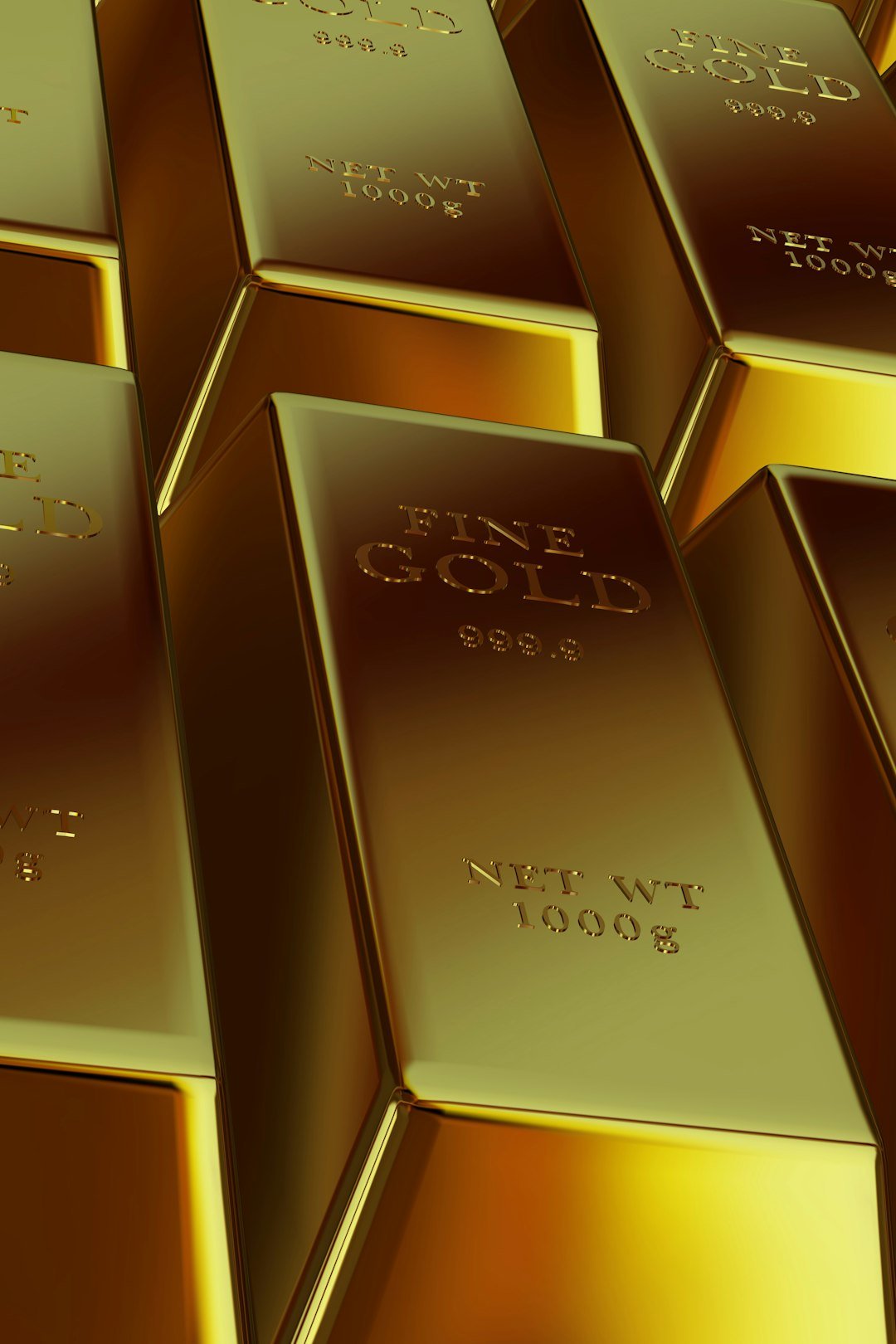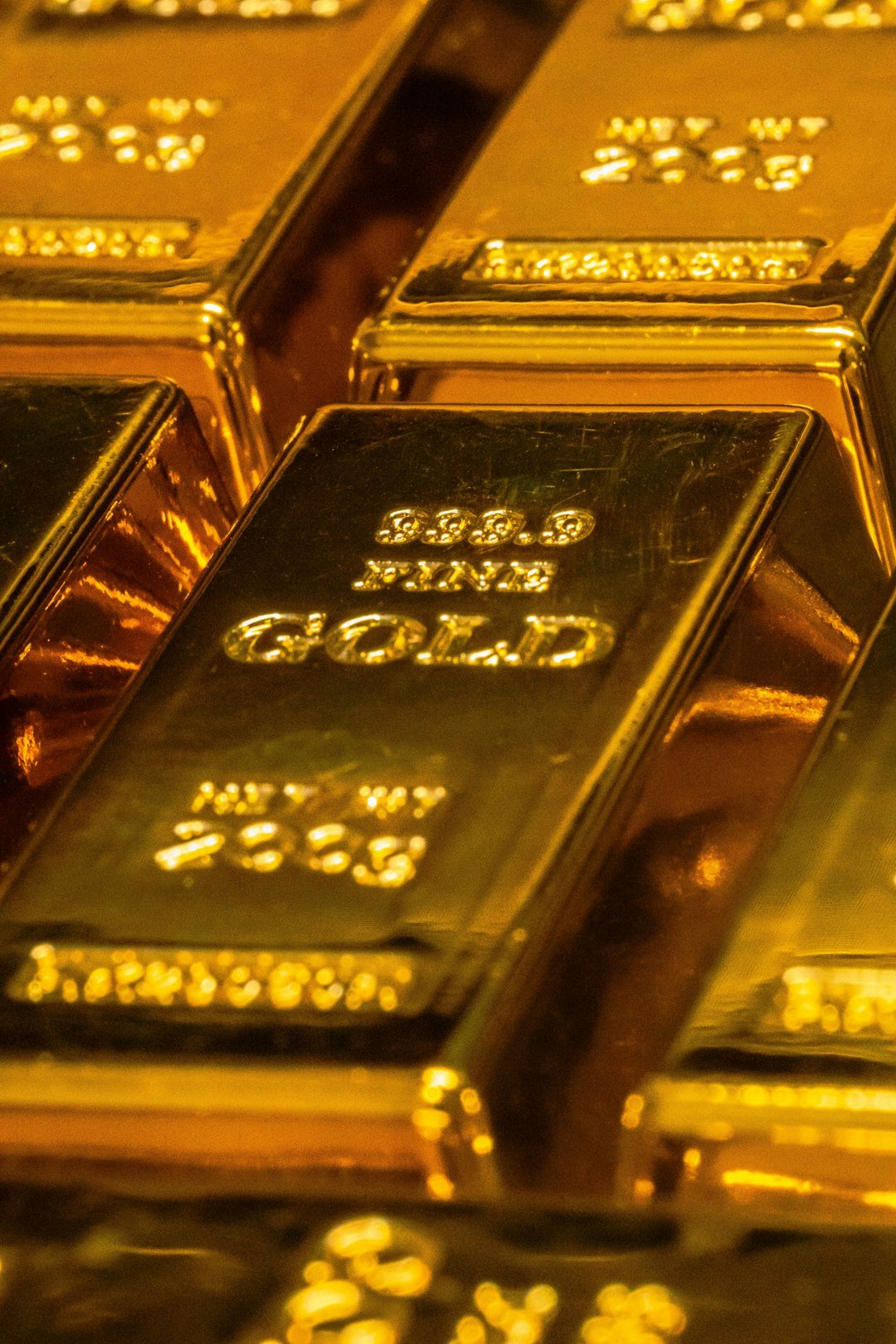
The world’s demand for gold is strong. This is because investors look for safe assets when the economy is shaky. The secondary market for gold is a huge industry, worth billions. It offers both chances and dangers for those who invest.
When you explore this market, knowing the secondary market is key. The resale market for gold lets people buy and sell gold items. Knowing the market well can help you make better investment choices.
Key Takeaways
- Understand the historical development of the secondary gold market.
- Learn about the categories of secondary gold products.
- Identify key players in the secondary gold market ecosystem.
- Discover how to make informed decisions in the gold market.
- Explore the risks and opportunities in the resale market.
The Nature of Secondary Gold Markets
Exploring gold trading, you’ll find the secondary gold market. It’s a key part of the global gold scene. Here, people sell and buy used gold items like bullion, coins, and jewelry.
Definition and Core Characteristics
The secondary gold market focuses on used gold products. It’s where people trade gold that’s been owned before. The market’s core includes the types of gold, who trades it, and how prices change.
Distinction Between Primary and Secondary Markets
The primary gold market sells new gold, like coins or bars straight from mints. The secondary market, on the other hand, deals with used gold. Knowing the difference helps you move through the gold world better.
Historical Development of Gold Resale Markets
Exploring the history of gold resale markets is fascinating. It shows how gold has been valued for centuries. This value has changed with the economy and how people invest.
Origins and Evolution
The gold resale market started long ago. Gold was used as money and a safe place to keep wealth. Over time, the market has grown a lot. This growth was influenced by economic downturns, wars, and government policies.
Key milestones in the evolution of the gold resale market include:
- The establishment of gold standards in various countries
- The rise and fall of gold prices in response to economic conditions
- The emergence of new technologies for gold refining and recycling
Pivotal Historical Trends
Many important trends have shaped the gold resale market. For example, during the Great Depression, gold became more valuable. This was because people saw it as a safe place to invest.
Recently, the 2008 financial crisis also made gold prices go up. Understanding these trends can help you make informed decisions in the secondary gold market.
The history of gold resale markets shows its ability to adapt. Knowing these trends can give you valuable insights as you invest.
Categories of Secondary Gold Products
The secondary gold market offers a wide variety of gold products. Each product has its own special features. This market meets different needs and demands.
Pre-owned Bullion and Numismatic Coins
Pre-owned bullion and numismatic coins are key parts of the secondary gold market. They are valued for their gold content, rarity, historical importance, and condition.
Condition Grading Systems
The condition of numismatic coins greatly affects their value. Grading systems, like those from the Professional Coin Grading Service (PCGS) or Numismatic Guaranty Corporation (NGC), check the coins’ condition and authenticity.
Premium Factors
Premium factors like rarity, mintage, and historical significance can greatly influence the value of coins. It’s important for both buyers and sellers to understand these factors.
Jewelry and Decorative Items
Jewelry and decorative items are a big part of the secondary gold market. These items are often priced based on their gold content. But, designer or antique pieces can be more valuable due to their craftsmanship, brand, or historical value.
Industrial and Electronic Gold Recovery
Industrial and electronic gold recovery is a vital category in the secondary gold market. It involves getting gold from electronic waste and industrial by-products. This provides a valuable source of recycled gold.
| Category | Description | Key Factors |
|---|---|---|
| Pre-owned Bullion and Numismatic Coins | Valued for gold content, rarity, and historical significance | Condition, grading, premium factors |
| Jewelry and Decorative Items | Sold based on gold content, craftsmanship, or brand | Gold content, designer/brand, condition |
| Industrial and Electronic Gold Recovery | Extracting gold from electronic waste and industrial by-products | Extraction process, gold purity, market demand |
Key Players in the Secondary Gold Ecosystem
Knowing who’s who in the secondary gold market is key. It helps you find the best resale deals. The market has many players who help move gold around.
Specialized Dealers and Brokers
Specialized dealers and brokers are crucial. They offer market insights and help with gold trading. They serve both buyers and sellers.
Pawnshops and Cash-for-Gold Operations
Pawnshops and cash-for-gold places offer quick cash for gold. They make selling gold easy, but prices might not always be top-notch. Always research and compare offers for the best deal.
Digital Marketplaces and Auction Platforms
Digital marketplaces and auction sites are big now. They let you buy and sell gold online. This makes it easier and more convenient. A recent report says, “Digital platforms have changed gold buying and selling, making it more accessible and efficient.”
“The gold market is becoming more open, with more people involved. This opens up more chances for buyers and sellers to meet.”
| Market Player | Role | Benefits |
|---|---|---|
| Specialized Dealers and Brokers | Provide market expertise and facilitate transactions | Market insights, competitive pricing |
| Pawnshops and Cash-for-Gold Operations | Offer quick liquidity for gold owners | Convenience, fast transactions |
| Digital Marketplaces and Auction Platforms | Provide online platforms for buying and selling gold | Wider reach, greater convenience |
Gold as an Asset in Secondary Markets
Gold is more than just a precious metal. It plays a key role in secondary markets. Understanding its impact on the economy and global supply chains is crucial for gold investments.
Market Volume and Economic Impact
The secondary market for gold is huge. It has a big market volume that boosts the economy. Gold’s role in secondary markets affects many areas, like jewelry, technology, and investments.
- The market volume of gold in secondary markets is estimated to be billions of dollars annually.
- This market provides liquidity to gold owners, enabling them to convert their assets into cash.
- The economic impact is further amplified by the creation of jobs and stimulation of economic activity in related industries.
Influence on Global Supply Chains
Gold’s role in secondary markets deeply affects global supply chains. Recycling gold in these markets helps meet demand in industries like electronics, dentistry, and jewelry.
“The recycling of gold through secondary markets not only conserves natural resources but also reduces the environmental impact associated with gold mining.” – Industry Expert
This influence is vital for keeping gold supplies stable. It supports industries that depend on gold.
Primary Risks in Secondary Gold Trading
When you start trading gold, you’ll face several risks. It’s important to know these risks to make smart choices.
Authenticity Concerns and Fraud Exposure
One big risk is fake gold. It’s crucial to check if the gold is real before buying.
Common Scams to Avoid
Stay away from scams like fake gold coins. Make sure to buy from trusted dealers. Some might lie about the gold’s quality or price.
Red Flags for Buyers
Look out for signs like very low prices or no proof. Always check the seller’s background and read reviews.
Price Volatility and Valuation Challenges
Gold prices can change a lot. This is due to many market and economic factors.
“Gold prices can change a lot, and investors need to be ready for this,” says a financial expert. Knowing these changes helps you make better choices.
Liquidity Constraints and Exit Strategies
It can be hard to sell gold quickly. Having a plan for when you want to sell is key.
Think about how easy it is to sell the gold you choose. Plan your exit carefully.
“A good exit plan can really help you get the most from your investment,”

Counterfeiting Issues and Authentication Methods
The secondary gold market faces risks from counterfeiting. It’s vital to verify items when buying, selling, or trading gold. Knowing how counterfeiters work and the tech for checking authenticity is key.
Modern Counterfeiting Techniques
Today’s counterfeiters are very skilled. They make fake gold products that can fool even seasoned traders. They use:
- Advanced casting methods to copy detailed designs
- Other metals like tungsten to mimic gold’s weight
- Surface gilding to make base metals look like gold
Verification Technologies and Testing Approaches
To fight counterfeiting, many verification tools and tests have been created.
Physical Testing Methods
Physical tests include:
- Acid tests to check gold purity
- Magnetism tests, since gold isn’t magnetic
- Density tests to match the metal’s density with gold’s
Advanced Technological Solutions
Technologies like X-ray fluorescence (XRF) and spectroscopy help too. They analyze the metal’s makeup without harming it.
Notable Fraud Cases and Lessons Learned
There have been big cases of gold counterfeiting, like fake coins and bars. These cases show why it’s important to deal with trusted sellers and check gold’s realness.
| Case | Description | Lesson Learned |
|---|---|---|
| Counterfeit Gold Coins | Counterfeiters made fake gold coins sold to buyers who didn’t know. | Always check coins through trusted sources. |
| Tungsten-filled Gold Bars | Bars filled with tungsten to seem like solid gold. | Use XRF to check what’s inside. |
Knowing about counterfeiting and using strong checks is key in the gold market. Stay informed and use the right tech to avoid fake gold.
Regulatory Framework and Legal Considerations
When you look into the secondary gold market, knowing the rules is key. This market follows many laws and regulations. These rules tell us how to do business.
U.S. Laws Governing Secondary Gold Transactions
In the U.S., there are laws for secondary gold deals. The Bank Secrecy Act makes financial places report some deals. There are also laws against money laundering.
Tax Implications and Reporting Requirements
Gold investments in the secondary market have tax rules. It’s important to know these to follow the law and plan your finances well.
Capital Gains Considerations
When you sell gold, you might have to pay capital gains tax. The amount you pay depends on how long you had the gold and your tax group.
Documentation Requirements
You need the right papers for taxes and to show you own the gold. This includes receipts, certificates of authenticity, and more.
| Regulatory Aspect | Description | Compliance Requirement |
|---|---|---|
| Bank Secrecy Act | Requires reporting of certain transactions | Financial institutions must report transactions over $10,000 |
| Capital Gains Tax | Tax on profits from gold sales | Report gains on tax returns; pay applicable tax rate |
| Documentation | Proof of ownership and authenticity | Maintain receipts, certificates of authenticity |
Knowing and following these rules helps you do well in the secondary gold market. It makes sure your investments are both good for your wallet and follow the law.
Investment Opportunities in the Secondary Gold Market
Exploring the secondary gold market opens up a world of investment chances. This market is full of life, offering many ways to invest in gold. You can try arbitrage or take a long-term view.
Price Arbitrage Strategies
Price arbitrage means finding and using price gaps in the market. You buy gold cheaply and sell it for more elsewhere. This method needs:
- Market research to find price gaps
- Quick action to make the most of these gaps
- Knowledge of market trends
It’s a way to make money, even when markets are up or down.
Specialized Market Niches
The secondary gold market has special areas for investment. These include:
- Rare and collectible gold coins
- High-purity gold bullion
- Gold jewelry with historical or cultural value
To invest here, you need to know the market well. You must find rare or undervalued items.
Strategic Long-term Investment Approaches
For a long-term plan, think about buying gold over time. This means:
- Buying gold when prices are low
- Keeping gold as a protection against inflation or economic troubles
- Spreading your gold investments across different types
This strategy helps you weather market ups and downs. It might also help your gold investments grow over time.
Collector Opportunities and Specialty Markets
If you’re into collecting, the secondary gold market is full of exciting opportunities. You can find rare and numismatic gold pieces here. Gold collecting is vast, with items that are valuable and carry deep history and cultural significance.
Rare and Numismatic Acquisitions
Rare and numismatic gold coins are highly sought after. They’re prized for their rarity, condition, and historical importance. When looking to buy, research the coin’s background, grading, and demand.
- Rarity and mintage numbers
- Condition and grading reports
- Historical significance and cultural relevance
- Market demand and trends
Historical and Cultural Value Propositions
Gold items with historical and cultural significance can fetch high prices. These might include antique jewelry, historical artifacts, or coins from ancient times. Their value comes from both their gold content and their historical and cultural importance.
For example, a gold coin from the past can connect you to history. It offers a unique glimpse into historical events and cultural practices.
When evaluating a gold item’s historical and cultural value, consider:
- Provenance: Is there documented history of the item’s ownership or origin?
- Significance: Does the item have a direct connection to a significant historical event or figure?
- Cultural relevance: Is the item representative of a particular cultural or artistic movement?
Understanding these factors helps you make smart choices when buying rare and numismatic gold items. This way, your collection will be both valuable and meaningful.
Evaluating and Assessing Secondary Gold
To make smart choices in the secondary gold market, you need to know how to evaluate its quality and value. Evaluating secondary gold involves several critical steps. These steps help you determine its worth and make smart investment choices.
Purity Testing and Quality Analysis
Purity testing is key when evaluating secondary gold. It’s important to understand the karat system to measure gold’s purity. The most common purities are 10k, 14k, 18k, and 24k, with 24k being the purest.
Karat System Understanding
The karat system measures gold’s purity. Pure gold is 24 karats, but it’s often mixed with other metals for durability. For example, 18k gold is 75% gold, and 14k gold is 58.3% gold.
Professional Appraisal Process
A professional appraisal looks at the gold item’s condition, weight, and purity. Experts use special equipment to check the gold’s authenticity and value.
Market Value Determination Methods
To determine the market value of secondary gold, you need to know current prices and the item’s condition. You can check online marketplaces, talk to dealers, or use pricing guides for an accurate valuation.
| Method | Description | Usefulness |
|---|---|---|
| Online Pricing Guides | Provides current market prices for gold | High |
| Dealer Consultation | Offers expert opinion on gold value | High |
| Market Analysis | Analyzes market trends to predict future value | Medium |
Essential Due Diligence Practices
When buying or selling secondary gold, thorough due diligence is crucial. This includes verifying the gold’s authenticity, understanding the market value, and knowing any additional costs like assay fees or commissions.
Technological Innovations Shaping Secondary Markets
Technological advancements are changing the secondary gold market. Now, you can join a global market that was once only for a few big players.
The rise of digital platforms has changed gold trading. Digital trading platforms offer a safe and clear place for buyers and sellers. They show prices in real-time, helping to avoid price swings.
Digital Trading Platforms and Marketplaces
Digital trading platforms make buying and selling gold easy. They have simple interfaces that help you move through the market easily. Online marketplaces and auction sites for gold and precious metals are good examples.
A recent report says digital gold trading has opened new paths for investors. It gives them more flexibility and control over their investments.
“The future of gold trading is digital, and it’s exciting to see how these platforms are evolving to meet the needs of investors.”
Blockchain Applications for Provenance Verification
Blockchain technology is used to check the history of gold. It creates a digital record of a gold item’s past. This ensures the gold is real and untouched. It builds trust and clarity in the secondary gold market.
| Benefits of Blockchain | Description |
|---|---|
| Provenance Verification | Ensures the authenticity and history of gold items |
| Transparency | Provides a clear and tamper-proof record |
| Trust | Enhances confidence among buyers and sellers |
Emerging Technologies and Future Applications
New technologies will keep changing the secondary gold market. Artificial intelligence and Internet of Things (IoT) will likely play big roles in gold trading’s future.

These new tools will make transactions smoother and give you better ways to manage your investments. As the secondary gold market grows, keeping up with new tech is key.
Secondary Gold During Economic Downturns
Economic downturns test investment resilience, and secondary gold is a reliable ally. When financial markets are volatile, investors seek stability and security. They often turn to assets like gold.
Historical Performance in Recessions
Gold has been a safe haven for investors during economic downturns. For example, during the 2008 financial crisis, gold prices soared. Investors sought refuge from declining stock markets and currencies.
Gold’s performance in recessions is due to its intrinsic value. It’s not correlated with other financial assets. This makes gold a popular choice for diversifying portfolios.
Comparative Analysis with Alternative Safe Havens
Gold is a popular safe haven, but other assets like government bonds and currencies are also considered safe. Gold’s portability, divisibility, and universal acceptance give it an edge. Unlike bonds, gold doesn’t offer yield but preserves wealth during uncertainty.
While alternative safe havens have their benefits, gold’s historical performance and recognition make it a top choice for investors in economic downturns.
Ethical and Sustainability Aspects
Understanding the ethical and sustainability aspects of the secondary gold market helps you make better choices. Recycled gold has many environmental benefits. It reduces the need for primary mining, which harms the environment.
Environmental Benefits of Recycled Gold
Recycled gold greatly reduces the harm caused by gold mining. It lets us reuse gold instead of mining new gold. This saves natural resources and cuts down on mining waste.
Ethical Sourcing and Supply Chain Transparency
Ethical sourcing is key in the secondary gold market. It means gold is obtained responsibly. Transparency in the supply chain is also important. It lets consumers know where their gold comes from, building trust.
Certification Standards
Certification standards are important for ethical sourcing. Groups like the Responsible Minerals Initiative (RMI) help companies check and report on mineral sources, including gold.
Consumer Awareness Factors
Knowing about sustainability and ethics is crucial. It helps drive demand for ethically sourced gold. By learning and choosing responsibly, you can positively influence the industry.
| Aspect | Description | Benefit |
|---|---|---|
| Recycled Gold | Reduces the need for primary mining | Minimizes environmental impact |
| Ethical Sourcing | Ensures responsible gold sourcing | Promotes accountability and trust |
| Supply Chain Transparency | Allows tracing of gold origin | Enhances consumer confidence |
Future Trajectory of Secondary Gold Markets
Are you curious about the secondary gold market’s future? The answer is in its trajectory. We’ll look at new trends and shifts to understand what’s coming.
Emerging Market Dynamics and Shifts
The secondary gold market is changing fast. This is thanks to new market dynamics. Key factors include:
- More demand for recycled gold
- Improved verification technologies
- More digital marketplaces
- Changes in global economic policies
These changes are not just altering the market. They’re also opening up new chances for investors and buyers.
Growth Projections and Industry Outlook
Experts think the secondary gold market will grow. Here are some stats:
- A 5% annual growth rate for the next five years
- More institutional investors joining
- Entering new markets worldwide
These numbers show a strong and growing market. It’s a promising place for long-term investment and growth.
Conclusion
You now know a lot about the secondary gold market, including its risks and chances. Remember, staying informed and adapting to market changes is key to your success.
The secondary gold market has many opportunities for growth. You can explore price arbitrage strategies or find your own market niches. Knowing the key players, risks, and rules helps you make smart choices and take advantage of the market.
As you go forward, remember the market is shaped by many things. Economic downturns and new technologies are just a few examples. By keeping up with market trends, you can handle risks and seize opportunities with confidence.
In the end, the secondary gold market is a great way to diversify your investments and grow your wealth. With the right knowledge and strategies, you can fully tap into the market’s potential and reach your financial goals.