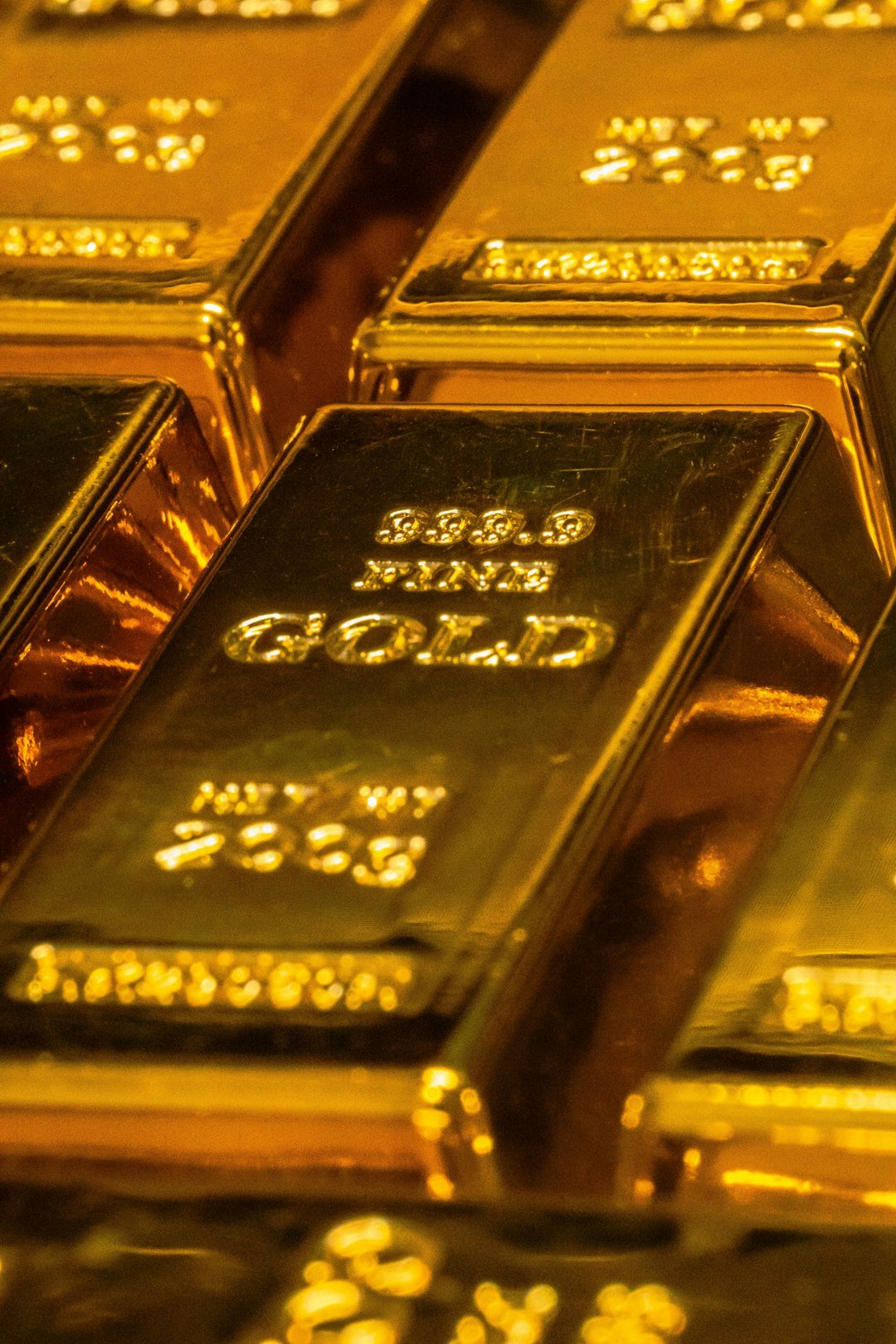
You might be surprised to learn that gold has overtaken the euro as the second most important reserve asset behind the dollar. This is according to the European Central Bank (ECB). Europe’s big increase in gold reserves is driving this global shift.
The ECB says gold now makes up 20% of global official reserves. This is more than the euro’s 16% share. This change is not small; it’s a big move showing a shift in global economic strategies. Central banks worldwide are spreading out their reserves, and Europe is leading this effort.
Key Takeaways
- Europe is significantly increasing its gold reserves.
- The ECB reports gold now accounts for 20% of global official reserves.
- This move surpasses the euro’s share and reflects a global trend.
- Central banks are diversifying their reserves, with Europe leading the way.
- The shift impacts the global economic landscape and reserve asset rankings.
The Recent Surge in European Gold Acquisitions
European central banks have been buying more gold lately. This has led to a big jump in the continent’s gold reserves. They are doing this to make their economies stronger and less dependent on other assets.

Statistical Overview of Reserve Increases
In 2024, central banks bought over 1,000 tonnes of gold, the ECB reports. This is the third year in a row they’ve made such big purchases. Poland, India, and Turkey were among the biggest buyers.
So, European central banks’ gold reserves have gone up a lot. This shows their effort to make their economies more secure.
Timeline of Major European Gold Purchases
Over the last few years, European countries have made big gold purchases. Poland has been a key player, always adding to its gold reserves. Hungary and others have also made big buys.
This shows Europe’s move to make its economy stronger by diversifying. Buying more gold is a big part of this plan.
Historical Context: Europe’s Relationship with Gold
To understand Europe’s gold reserves today, we must look back. Gold has been key to Europe’s financial stability for centuries.
Gold Standard Era and Its Legacy
The gold standard lasted from the late 19th century to the mid-20th century. It made currencies stable but limited their flexibility. This era still shapes how European central banks view gold reserves.
Key features of the gold standard era include:
- Currency values tied to gold
- Stability in exchange rates
- Limited monetary policy flexibility
Post-World War II Gold Reserve Patterns
After World War II, the Bretton Woods system influenced Europe’s gold reserves. It made the US dollar the global reserve currency, backed by gold. The system’s collapse in the 1970s still affects European gold reserves.
| Era | Gold Reserve Patterns | Impact on Europe |
|---|---|---|
| Gold Standard | Currency values tied to gold | Monetary stability, limited policy flexibility |
| Bretton Woods | US dollar backed by gold | Increased gold reserves, influence on monetary policies |
Gold reserves by central banks are near levels seen in the Bretton Woods era. This history helps us understand Europe’s recent gold purchases.

Economic Uncertainty Driving the Gold Rush
Economic uncertainty is pushing European central banks towards gold. They seek stability in these uncertain times. The rise in gold purchases is not just a coincidence.
Inflation Concerns Across the Eurozone
Inflation worries are a big reason for this gold rush. The European Central Bank (ECB) says rising inflation and global tensions have boosted gold’s role in reserves. Central banks are adding to their gold reserves to protect against economic downturns.
“The increase in gold’s share in reserves is due to higher prices and global tensions,” the ECB explains. This move is a smart response to the shaky economic scene.
Monetary Policy Challenges
Monetary policy issues also play a part in the gold demand surge. With interest rates low, gold becomes more appealing. The ECB’s easy money policy makes gold even more attractive as a reserve.
As central banks face these hurdles, gold stands as a reliable asset. It offers security and stability in uncertain times. Adding gold to reserves is a wise choice, given today’s economic state.
Gold: The Ultimate Safe Haven Asset
As economic instability grows, gold’s appeal as a safe haven becomes clearer. Gold is valued by reserve managers as a way to diversify portfolios and protect against economic risks. It has been a trusted store of value for centuries, and its role in investment portfolios is expanding.
Intrinsic Value Properties
Gold’s intrinsic value makes it a safe haven. Unlike fiat currencies, gold isn’t affected by the same monetary policies and devaluation risks. Its value comes from its scarcity, durability, and production costs, making it a reliable wealth store.
You can count on gold to keep its purchasing power, even when the economy is uncertain.
Performance During Economic Crises
Gold has historically done well during economic crises. It acts as a hedge against inflation and currency fluctuations. When markets are shaky and other investments lose value, gold usually holds its ground or even goes up.
This makes gold a key part of a diversified investment portfolio. It helps you stay secure during economic storms.
Adding gold to your investment strategy diversifies your portfolio and adds security. Remember, gold’s lasting value has been a cornerstone of financial stability for centuries.
De-Dollarization: Europe’s Strategic Pivot
Europe is changing its economic strategy. It’s moving towards de-dollarization and diversifying its reserve assets. This change is due to geopolitical reasons and a need to lessen US dollar dependence.
Reducing Dependency on the US Dollar
European countries are trying to use less US dollar. They are rebalancing their foreign exchange reserves. They also look for other currencies for international deals.
This move has many reasons. It helps protect European economies from US monetary policy. It also boosts their financial freedom.
Creating Alternative Reserve Assets
As part of de-dollarization, European central banks are making new reserve assets. Gold is a key part of this plan. Many countries are adding to their gold reserves.
| Country | Gold Reserve Increase | Percentage Change |
|---|---|---|
| Poland | 100 tonnes | 20% |
| Hungary | 50 tonnes | 15% |
| Germany | 200 tonnes | 10% |
By diversifying, European countries want to be more financially stable. They aim to lessen their risk from US dollar changes.
This shift shows Europe’s dedication to financial freedom and stability. It’s a big step towards economic independence.
Central Bank Policies Behind Gold Accumulation
What’s behind the gold rush in European nations? It’s mainly due to central bank policies, like the ECB’s. The European Central Bank is key in shaping the gold trend among its members.
ECB’s Supportive Stance on Gold
The ECB sees gold as a safe asset. The ECB encourages central banks to keep gold in their reserves. Gold’s value holds up during economic downturns.
The ECB’s policies help gold accumulation. It has a positive view of gold, pushing national banks to buy more.
National Central Banks’ Approaches to Gold
Though the ECB guides, each national bank has its own gold strategy. Poland and Hungary are buying a lot of gold. Germany, on the other hand, is more cautious.
| Country | Gold Reserve Increase | Approach |
|---|---|---|
| Poland | Significant Increase | Aggressive Buying |
| Hungary | Moderate Increase | Strategic Purchases |
| Germany | Stable Reserves | Conservative Approach |
European central banks have different gold accumulation strategies. Yet, the trend is clear: Gold is becoming a key part of their reserves.
Key European Nations Leading the Gold Reserve Increase
Europe is boosting its gold reserves, with some countries leading the way. As the economy changes, these nations are using different strategies to strengthen their finances.
Poland’s Aggressive Gold Acquisition Strategy
Poland has been very active in buying gold lately. In 2024, it greatly increased its gold reserves. This move is part of a plan to make its finances more secure and less dependent on other currencies.
Hungary’s Gold Repatriation and Purchase Program
Hungary is also growing its gold reserves. It’s doing this by bringing gold back to the country and buying more. This strategy helps Hungary’s economy stay strong and independent. It also helps protect against financial problems.
Germany’s Conservative Approach to Gold Reserves
Germany, on the other hand, is being more careful with its gold reserves. It still holds a lot of gold but is not expanding it as fast. Germany’s cautious approach shows its commitment to financial stability.
These different strategies show how complex managing gold reserves can be. As the world economy keeps changing, we’ll likely see more changes in how countries handle their gold.
The Role of Gold in Modern European Financial Stability
European economies face complex financial challenges. Gold plays a key role in keeping them stable. You might ask why gold is so vital today. It’s because of its special qualities that make it perfect for central banks.
Portfolio Diversification Benefits
Gold helps central banks by diversifying their assets. It reduces risks from other investments. By adding gold to their reserves, central banks avoid currency and market risks. This keeps their financial portfolios stable.
Crisis Insurance Function
Gold acts as crisis insurance during economic downturns. It keeps its value or even goes up, protecting reserve values. This is crucial for keeping financial confidence.
European central banks hold gold to keep their systems strong against uncertainty. This smart asset management is key to financial stability. It’s essential for economic growth and success.
Geopolitical Factors Influencing Europe’s Gold Strategy
Geopolitical tensions are changing how Europe views gold reserves. As global politics get more complex, European countries are looking at their financial plans again. They want to make sure they stay stable and secure.
Russia-Ukraine Conflict Implications
The Russia-Ukraine conflict is affecting Europe’s gold reserves a lot. Central banks are now spreading out their assets. They’re moving away from dollar-based reserves to gold.
This change is because they want financial safety in uncertain times.
- Increased geopolitical risk is prompting a reevaluation of reserve assets.
- Central banks are seeking to reduce dependency on any single currency.
- Gold is seen as a stable store of value during geopolitical turmoil.
Changing Transatlantic Relations
Changes in transatlantic relations are also impacting Europe’s gold strategy. As the world’s politics shift, European countries are trying to boost their financial freedom.
Key considerations include:
- Reducing exposure to potential economic sanctions.
- Diversifying reserve currencies to minimize risk.
- Enhancing financial sovereignty through gold reserves.
By increasing their gold reserves, European nations are taking steps to protect their financial stability. They’re doing this in a world that’s changing fast.
Gold as a Hedge Against Currency Fluctuations
European central banks are adding more gold to their reserves. This shows gold’s key role in protecting against currency changes. Central banks use gold to keep their reserves safe from currency and political risks.
Gold helps in many ways to fight currency changes. It not only helps with euro stability but also with global currency ups and downs. Let’s dive deeper into these points.
Euro Stability Concerns
The euro, a major currency, faces ups and downs that affect Europe’s economy. Gold acts as a shield, offering stability and confidence when things get uncertain. For example, when the economy is shaky, gold’s value often stays the same or goes up. This helps balance out losses in other investments.
| Benefits | Description |
|---|---|
| Stability | Gold provides a stable store of value during economic uncertainty. |
| Confidence | Having a lot of gold reserves boosts confidence in a nation’s currency and economy. |
| Diversification | Gold reserves spread out a nation’s assets, making it less dependent on one currency. |
Protection Against Global Currency Volatility
Global currency markets are always changing, influenced by many things like economic news, world events, and money policies. Gold is a steady asset that helps with international deals.
By owning gold, European central banks can lessen the risks of currency changes. This helps keep their finances stable. In today’s fast-changing global economy, this is very important.
In summary, gold is crucial in fighting currency changes. It helps with euro stability and global currency issues. Gold’s value goes beyond being just a commodity. It’s a key part of keeping finances stable.
The Physical Gold Market in Europe
Europe is adding more gold to its reserves, leading to a big need for safe storage. This rise in gold buying has made the physical gold market very important. It shows how crucial strong storage and logistics are.
Storage Facilities and Security Measures
Keeping gold safe is key in the physical gold market. Banks and financial groups use top-notch vaults with advanced security. For example, the Bank of England’s vault is famous for its strong security, keeping gold safe.
Some important features of these vaults include:
- Multi-layered security systems
- Advanced alarm systems
- Regular security audits
- Highly trained security personnel
Transportation and Logistics Challenges
Moving gold is tricky and risky, needing special logistics. Companies moving gold must follow strict security rules to avoid theft or loss. They plan carefully, including:
| Logistics Component | Security Measure |
|---|---|
| Transportation | Armored vehicles |
| Route Planning | Avoid high-risk areas |
| Personnel | Trained security guards |
As the physical gold market grows, finding reliable and secure logistics will be crucial. A recent report says, “The gold market is becoming more complex, with new challenges in storage and transportation.”
“The security of gold reserves is paramount. Central banks are investing heavily in advanced security measures to protect their assets.”
Public Perception and Cultural Attitudes Toward Gold in Europe
Gold has been a key part of European financial security for a long time. Its appeal comes from deep cultural roots. You might ask how this metal has kept its charm through the years. The answer is a mix of historical trust, cultural importance, and public perception.
Historical Trust in Gold Among European Citizens
Gold has always been a reliable asset for Europeans. This trust comes from many years of seeing gold as a safe value. Key factors include:
- Gold’s intrinsic value
- Its role during economic crises
- Cultural heritage and traditional practices
These elements have made gold a favorite among European investors.
Media Coverage of Reserve Increases
The media greatly influences how people view gold. When central banks add to their gold reserves, the media often highlights this. This coverage boosts trust in gold as a safe asset. It strengthens its cultural and financial standing.
Comparing European Gold Strategies with Global Competitors
Europe is adding more gold to its reserves. It’s important to look at what other big countries are doing too. China and Russia are playing big roles in the global gold market.
China’s Parallel Gold Accumulation
China has been buying a lot of gold lately. It’s growing its gold reserves. This is part of China’s plan to spread out its financial assets and not rely too much on the US dollar. China’s gold buying is a smart move to make its economy stronger and its influence bigger.
By adding more gold, China is making its finances safer. It’s also showing off its growing economic strength.
Russia’s Gold-Centric Reserve Policy
Russia is also buying a lot of gold. It’s focusing on gold to make its finances more independent. Russia’s gold strategy shows how important gold is as a safe investment during uncertain times.
By choosing gold, Russia is making its reserves more diverse. This helps it deal better with economic challenges from outside.
The gold accumulation efforts of Europe, China, and Russia show a bigger trend. This trend is changing the global gold market. It has big effects on gold prices, mining, and the economic plans of these countries.
Economic Impact of Increased European Gold Reserves
The recent surge in European gold acquisitions has far-reaching implications for the global economy. Central banks buying more gold affects the financial and commodity markets in many ways.
You might wonder how this trend influences gold prices and the mining industry. Let’s explore these effects in more detail.
Effects on Gold Prices Worldwide
The increased demand for gold has driven up gold prices worldwide. This rise in price is due to the big purchases made by European central banks. Here are some key points to consider:
- Increased Demand: Central banks buying more gold leads to higher demand, which can drive up prices.
- Market Sentiment: The perception that gold is a safe-haven asset can further boost its price during times of economic uncertainty.
- Global Impact: As gold prices rise, it affects not just the European economy but also global markets.
Implications for Mining and Production
The surge in gold prices due to increased European demand also has significant implications for the mining and production sectors. Some of the key implications include:
- Increased Production: Higher gold prices make it more profitable for mining companies to extract gold, potentially leading to increased production.
- Investment in Mining: With higher prices, there’s more incentive for investment in gold mining projects, which can lead to economic growth in regions with significant gold deposits.
- Challenges in Production: While higher prices are beneficial, they can also lead to challenges such as increased operational costs and potential supply chain disruptions.
As you can see, the economic impact of increased European gold reserves is multifaceted. It influences both global gold prices and the mining industry.
Conclusion: The Enduring Value of Gold in European Economic Strategy
Gold is key to European economic strategy because of its lasting value. It acts as a vital asset, helping to diversify and protect against risks. This makes it a cornerstone of financial stability in uncertain times.
European countries are boosting their gold reserves. They see gold as a safe asset against currency changes and economic downturns. The European Central Bank and national banks are focusing more on gold in their reserves.
Gold’s role in European strategy is clear: it brings stability and security. With ongoing global tensions and economic doubts, gold will keep being a key part of European financial stability.
Understanding gold’s role in European strategy helps you see its value in a diversified portfolio. As the world economy changes, gold’s lasting value will keep being crucial for European financial strength.